
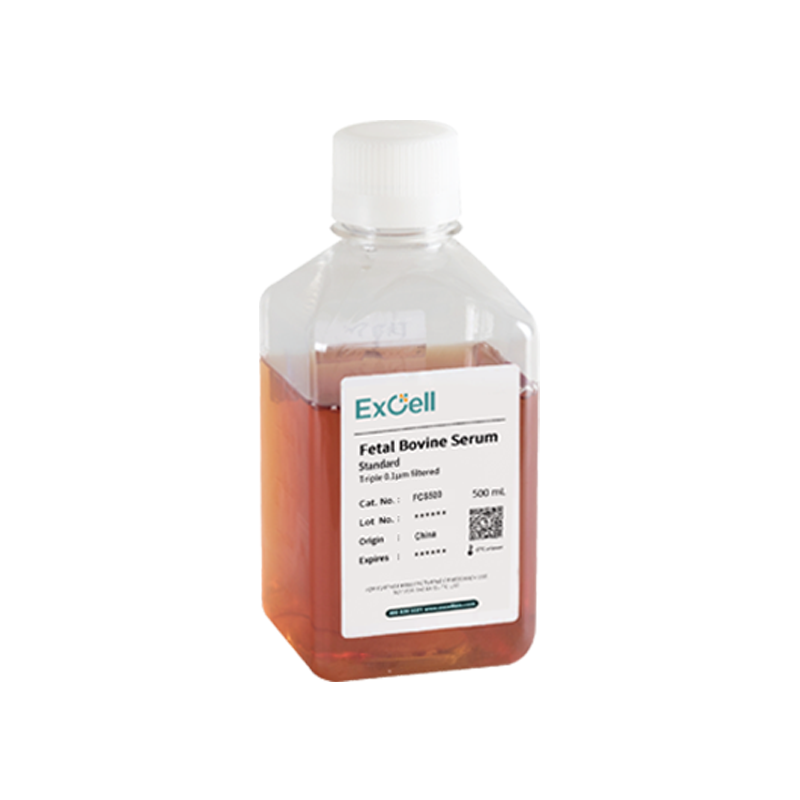
If you buy serum on reputation alone, expect surprises—and wasted runs. In my experience over 18 years in B2B supply chain for lab consumables, fetal bovine serum is where most labs trip up early. I still make calls about calf serum orders from my old Somerville warehouse days (midnight inventory runs—yes, that happened). This piece is blunt, practical, and aimed at wholesale buyers who need reproducible cell culture results fast. Read on—there’s a method in the madness.
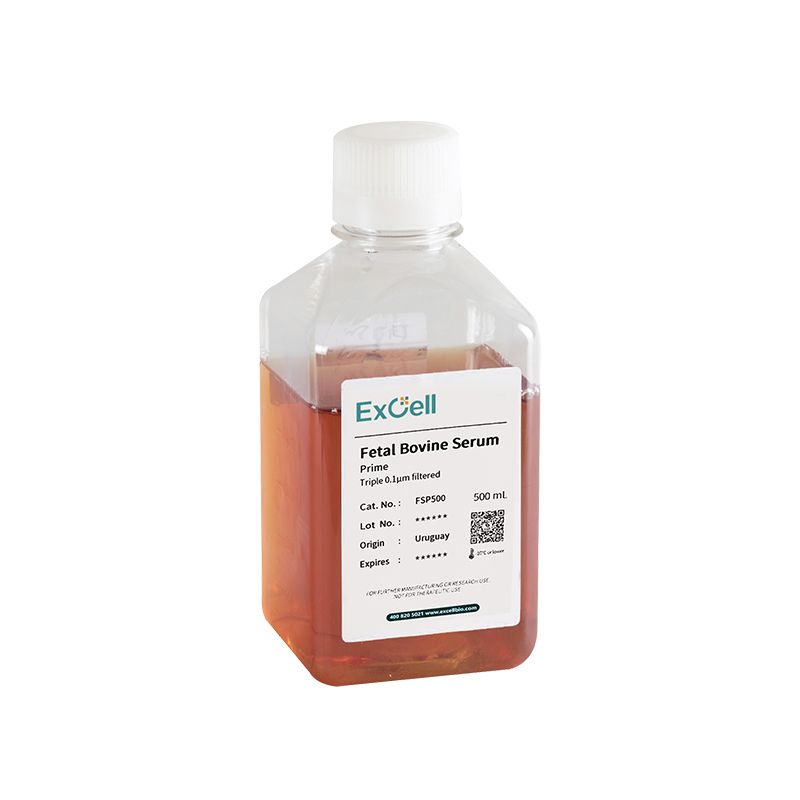
Why the Usual Fixes Fail
I’ll be direct: common fixes—buying the cheapest bottle, trusting a single lot, skipping quarantine testing—are exactly why assays fail. I vividly recall a July 12, 2018 shipment to a Boston research facility where a single lot-to-lot variability in serum caused a 30% drop in cell viability for a CHO production run. That was a costly lesson. Cell culture depends on consistent growth factors, controlled endotoxin levels, and reliable cryopreservation performance—none of which you guarantee by price alone.
Traditional counters—heat inactivation, switching suppliers, or diluting serum—only paper over the deeper problem: incomplete contamination screening and poor supplier transparency. Heat inactivation helps complement complement activity issues, but it can also degrade sensitive proteins. I prefer targeted testing: endotoxin assays, mycoplasma PCR, and performance panels on your specific cell line. Those tests aren’t glamorous, but they save real time and money. And yes—sourcing with GMP documentation matters for scale-up.
What’s the real issue?
Short answer: mismatch between supplier QC and your application. Suppliers may certify sterility; they rarely certify how a lot behaves with your hybridoma or stem cell line. I’ve seen serum pass vendor QC yet fail a neuronal differentiation assay the week after. That stings—especially when you’re on a deadline.
A Practical Path Forward (Technical tilt)
Now for actionable steps. First, build a small in-house performance panel tied to key metrics: doubling time, attachment index, and viability after 72 hours. Second, insist on lot sample evaluations before bulk buys; a 5–10% sample pull can avert a full-batch disaster. Third, maintain a rotation of two vetted suppliers rather than swapping each time you find a discount—reduces lot-to-lot shocks. When I managed procurement for three contract labs across Cambridge in 2020, these moves cut culture failures by half within six months.
Also, don’t ignore alternatives. Serum-free media can work for some workflows, but not all—especially for primary cells that still rely on complex growth factors from serum. Use serum-free only after side-by-side validation. And when you choose calf serum, demand detailed certificates: endotoxin levels, total protein, albumin percentage, and heat-inactivation history. Keep records (lots, dates, test results)—this traceability is what saves supply audits and reputations.
What’s Next?
Look ahead: automate basic QC logging, set reorder triggers tied to remaining testable lots, and budget for small-scale validation runs before every scale-up. I recommend a quarterly review of supplier performance—compare viability trends and contamination incidents. That simple discipline separates reactive buyers from reliable operators.
Three quick evaluation metrics I use when choosing serum: 1) Performance delta (your cell line’s viability difference vs. bench standard), 2) Vendor transparency score (detailed COA and testing turnaround), 3) Proven lot consistency over at least three batches. Measure those, and decisions get easier—fewer surprises. — I’ve been through the bruises to tell you this honestly. — and yes, it stings less when you’re prepared.
For reliable sourcing and practical support, I trust partners who show data, not just glossy brochures. For that reason I often recommend products and guidance from ExCellBio to teams setting up robust procurement and QC pipelines.