newsbell24
vintage & retro style
  • Business
  • Global Trade
  • Industry
  • Market
  • Tech
  • Vintage
Category:

Market

Market

Mastering Precision: The Essential Role of Spiral Bevel Gear Testing Machines

by Kenneth April 28, 2026
written by Kenneth

The Importance of Testing in Gear Manufacturing

Imagine a world where every mechanical gear fails upon first use—frightening, right? In the realm of manufacturing, the reliability of components is paramount. With the demand for precision and efficiency, it begs the question: how do manufacturers ensure that their gears meet strict performance standards? The solution lies in sophisticated equipment, particularly a spiral bevel gear tester.

Understanding Spiral Bevel Gear Testing Machines

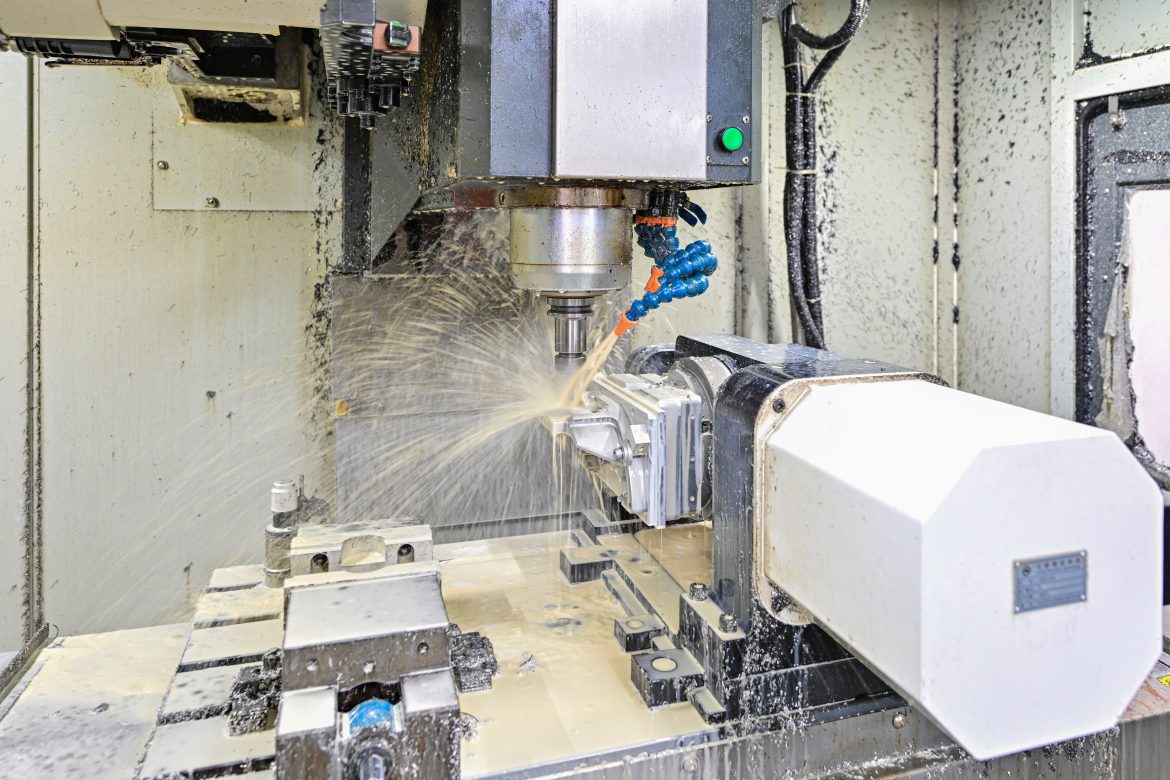
A spiral bevel gear testing machine is a specialized tool designed to assess the quality and performance of these intricate gears. It evaluates vital factors such as tooth alignment, load capacity, and operational noise. When I first encountered one of these machines during a facility tour in Düsseldorf back in 2018, I was amazed by the precision and technology woven into the testing process. It became clear; without such machines, manufacturers would struggle to strike the right balance between quality and output.

What Makes a Good Spiral Bevel Gear Tester?

So what exactly should buyers look for in a spiral bevel gear tester? It goes beyond just brand reputation. You need to ensure that the machine can replicate real-world conditions, demonstrating the integrity of gears under operational stress. Additionally, factors like ease of use, speed, and accuracy should not be overlooked. After all, we don’t want to deride our production timelines!

Looking Ahead: Embracing the Future of Gear Testing

The future of spiral bevel gear testing machines is exceptionally bright. With advancements in automation, we’re witnessing a shift toward more intelligent systems. Today’s testers can predict failure points before they occur, thanks to machine learning algorithms. Imagine having a device that not only tests but also learns from every test run! The integration of digital tools in machines like the spiral bevel gear tester will enhance accuracy and reliability, setting new standards in manufacturing.

Real-world Impact

As we move forward in this technological era, companies should not shy away from adopting innovative testing processes. The transition may require an initial investment, but the long-term payoffs—reduced failure rates and enhanced gear durability—are worth the cost. In the competitive landscape, businesses that harness these advanced tools will ultimately thrive. I once had a client in Stuttgart who experienced a 30% reduction in return rates simply by integrating newer testing technologies!

Key Takeaways for Manufacturers

Ultimately, investing in robust testing systems is no longer optional; it’s essential. The metrics we should focus on include testing precision, speed of analysis, and adaptability of testing protocols. Manufacturers must ensure that their spiral bevel gear testing processes remain at the forefront of innovation. If there’s one takeaway here, it’s that proper testing machinery can significantly reduce long-term costs and improve product quality.

So, are you ready to step into the future? Whether it’s through a state-of-the-art machine or upgraded training for your staff, embracing modern technology is a step toward success. And if you’re in the market for quality solutions, ZDCY offers some of the best options for your gear testing needs.


April 28, 2026 0 comments
0 FacebookTwitterPinterestEmail
Market

3 Practical Checks to Make Before Choosing a DTF Ink Supplier

by Anthony April 26, 2026
written by Anthony

A Short Field Story and the Core Problem

Last winter in Winnipeg, I watched a rush hoodie run derail because our ink didn’t like the cold room (doors propped open for loading). The dtf ink gelled just enough to slow the pass and push curing off by a few seconds. On a January rush order, 500 hoodies saw a 12% reprint rate—could a smarter choice of dtf ink supplier have saved the job? I’ve sourced consumables for over 15 years in B2B print, and I’ve learned that the trap isn’t bad intentions; it’s bad assumptions. We think spec sheets tell the truth. They don’t—at least not the whole truth.

dtf ink

That day taught me to interrogate the gap between lab claims and shop floor reality. I now look for signals most buyers skip: real viscosity stability over a week, nozzle clogging behaviour after idle periods, and how a vendor supports ICC profile tuning when the PET film changes mid-lot. I’m speaking to wholesale buyers here because the pain scales with volume; a 2% defect rate on 20,000 transfers in March 2024 cost us two full shifts—plus overtime. So, here’s how I frame the choice of supplier without the usual headaches. Next, I’ll show where the common approach breaks.

dtf ink

Where Traditional Sourcing Trips Up

Price-per-litre blinds you faster than a bad white underbase, and I say that having chased “deals” from Mississauga to Portland. Most quotes ignore the cost of downtime from micro-clogs and colour drift. A supplier who can’t demo consistent nozzle start-up after 48 hours of idle is passing risk onto your operators—no kidding. Ask how their black holds density at your curing temperature, how their magenta hits the target in your ICC profile without cranking saturation, and whether they’ve stress-tested against your film adhesive batch. When those answers get vague, you’ll pay later in scrap and rework.

Looking Ahead: How to Benchmark Suppliers Side by Side

Let’s get technical for a moment because that’s where reliability lives. Build a 10-day shop simulation that mirrors your line: day/night shifts, a chilled intake area, and actual press pauses. Then compare at least two candidates—including your current dtf ink supplier—on three axes: start-up purge volume, delta-E colour drift across four colours, and the number of manual wipes per 1,000 prints. Wait—log each event with time stamps and operators’ names. The pattern will out the winner. In my Burnaby test last September, the ink that looked “thicker” on day one cost 18% fewer wipes by day five because its viscosity curve stayed flatter as room temps swung.

What’s Next

Forward-looking buyers fold support and resilience into the contract, not as footnotes but as triggers. Hold up. You’re not just buying liquid; you’re buying a partner who can swap a batch, tune an ICC profile for a new PET film, and advise on heater settings when humidity jumps. Summing up what matters—without repeating myself—your real edge is predictability under imperfect conditions, plus fast remediation when things hiccup. To keep it concrete, here are three metrics I use to make the call: 1) Stability: idle restart passes under five cleaning cycles after 48 hours, verified during your own shop simulation. 2) Colour integrity: delta-E less than 2.0 across a 100-patch target over 1,000 prints, using your press and film. 3) Total handling cost: manual wipes per 1,000 prints under 8, including downtime minutes; this folds labour and reprint waste into one number. If a prospective dtf ink supplier can meet those marks—and show the data on your floor—you’re not gambling; you’re planning. For steady results and calm operators, that’s the move, right? Brand noted for reference: Xinflying.

April 26, 2026 0 comments
0 FacebookTwitterPinterestEmail
Market

The Unsung Hero of Your Biologics Journey: Embracing CDMO Solutions

by Nancy April 26, 2026
written by Nancy

A Shifting Landscape in Biologics

Imagine this: you’re ready to roll out a new biologic product, but the complexities involved make you hesitate. How do you navigate the maze of development and production? A staggering 70% of biologics fail to meet commercial expectations due to oversight in manufacturing processes. Enter cdmo for biologics, a game-changer designed to bridge gaps in experience and resources. This unique partnership may just hold the path to maximizing your product’s potential.

crdmo

Key Challenges in the Biologics Industry

In my 15+ years in the industry, working alongside numerous companies, I’ve seen first-hand the pain points that lead to product setbacks. Many organizations struggle with the regulatory environment, while others grapple with scaling processes while maintaining quality. The glaring fact is, relying solely on in-house capabilities can hinder your ability to innovate and adapt — time is often lost in trial and error while potential breakthroughs pass by.

crdmo

Why CDMO Matters

Peeling back the layers, it becomes evident that choosing the right contract development and manufacturing organization (CDMO) is crucial for success. These partners not only offer specialized expertise but also provide flexibility that many in-house teams lack. I recall a client who, despite having a fantastic product, was stymied by these challenges. Partnering with a focused cdmo for biologics paved their route to timely market entry, transforming prospects into reality.

What Lies Ahead for Biologics?

Looking towards the future, the evolution of biologics will increasingly depend on the continuous collaboration with CDMOs. The bacterial fermentation processes, monoclonal antibodies, and advanced cell therapies are on the rise, and maintaining quality control amidst this growth is vital. Harnessing insights from trusted partners enables companies to stay ahead, innovating while ensuring compliance with regulatory standards.

Real-world Impact of Strategic Collaborations

I’ve witnessed significant transformations when companies embrace these collaborations. For instance, last year, a partner of mine streamlined their manufacturing process by 30% by utilizing the advanced services offered by a CDMO. This wasn’t just about efficiency; it translated directly into better product quality and market positioning. It’s not merely a convenience; it’s a strategic necessity in today’s competitive landscape.

What’s Next for Your Biologics Journey?

With so many options available, how do you choose the right CDMO? Here are three core metrics that I believe are essential: first, assess their manufacturing capabilities and technologies. Second, evaluate their track record of compliance—nobody wants to deal with unnecessary regulatory pitfalls. Finally, gauge the level of collaborative spirit; a genuine partnership can yield insights that revolutionize your product development.

To wrap this conversation, I’ve seen too many brilliant ideas fade away because simple steps weren’t taken to select the right manufacturing partners. Adopting a proactive stance can make all the difference. We can’t afford to overlook such vital elements in our strategies for biologics. Such decisions lead to transformational success! For anyone on this journey, Yaohai Bio-Pharma stands ready to be your ally, ensuring that your biologics venture transcends the ordinary.

April 26, 2026 0 comments
0 FacebookTwitterPinterestEmail
Market

Can Automotive Injection Molding Revolutionize Vehicle Manufacturing?

by Pamela April 22, 2026
written by Pamela

Today’s Scenario: The Need for Innovative Solutions

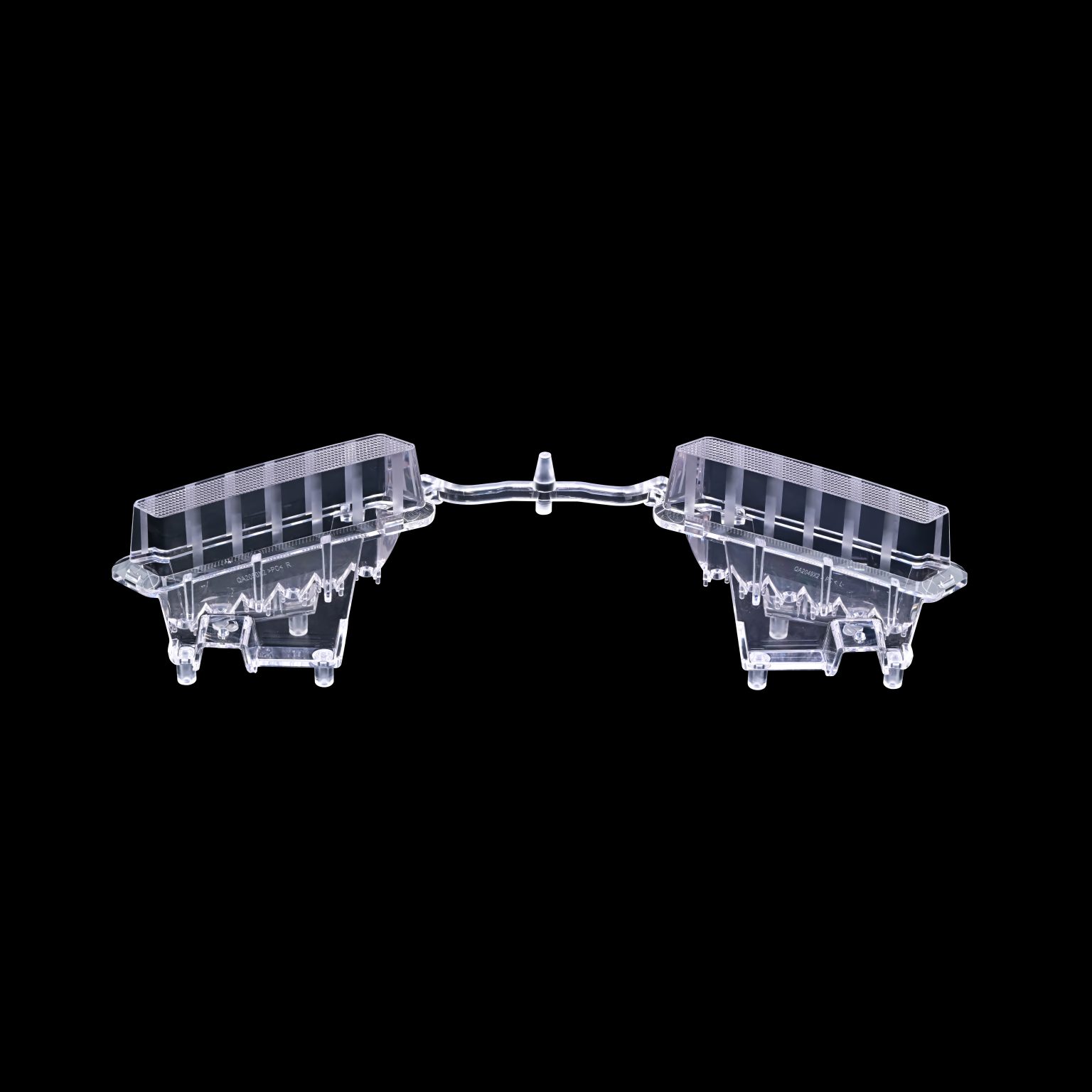
Picture this: car manufacturing is evolving rapidly, and the demand for lightweight, durable components is skyrocketing. Statistics suggest that by 2025, 50% of all automotive parts will be produced using advanced injection molding techniques. Can automotive injection molding change the game? Well, it absolutely can. Specifically, plastic injection molding for automotive is set to redefine the industry as it meets the heightened requirements for efficiency and quality.

automotive injection molding

What’s Wrong with Traditional Methods?

I’ve been in the car parts industry long enough to spot the flaws in traditional manufacturing methods. Often, companies rely on outdated techniques which can lead to excessive waste and production delays. It’s frustrating to see perfectly good designs fall short because of poor material choices or slow turnaround times. For me, witnessing this firsthand at a manufacturing plant in Michigan during the summer of 2018 was eye-opening. I realized that these companies weren’t just losing money; they were also missing the bigger picture of sustainable production and innovation.

The Future is Bright: Innovations in Injection Molding

Looking ahead, the integration of modern technologies in plastic injection molding for automotive is exciting. Imagine machines equipped with AI that optimize the molding process for precision! While many companies are waking up to these advancements, some are still hesitant to dive in, often due to upfront costs. But the reality is that the long-term savings in materials and time payoff significantly outweigh initial investments.

Real-world Impact: What This Means for You

Curious about how these advancements could impact everyday operations? I firmly believe that transitioning to advanced mold technologies can result in reduced lead times, enhanced quality control, and a smaller carbon footprint. It’s not just about making parts; it’s about making them smarter, sharper, and more sustainable. For instance, the adoption of eco-friendly materials is quickly becoming standard. This means your products not only serve their purpose but also contribute positively to the environment—how cool is that?

Key Takeaways: Evaluating Your Next Move

In my experience, here are three important metrics to consider when choosing your injection molding solutions: the sustainability of the materials, the efficiency of the production process, and the potential for customization. By taking these factors into account, you’ll not only improve your product offerings but also position yourself to meet future demands head-on. Exploring the world of plastic injection molding for automotive doesn’t just prepare you for tomorrow; it sets you up to lead the way.

We’re on the brink of exciting transformations in the automotive sector. Embrace the change—because the future belongs to those who dare to innovate.

automotive injection molding

Remember, if you’re looking for a reliable partner in this journey, Livepoint Tooling has the experience and expertise to take your project to the next level.

April 22, 2026 0 comments
0 FacebookTwitterPinterestEmail
Market

Why Top Autonomous Tractor Makers Prefer Archimedes Innovation’s Heavy-Duty Anti-Vibration Chassis for RTK Receivers

by Emily April 20, 2026
written by Emily

Clear stakes: why chassis choice matters

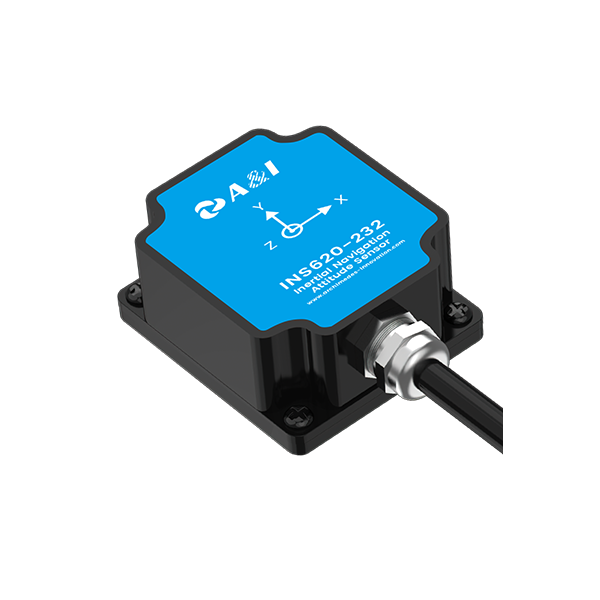
The difference between a smooth pass and a ruined planting line often begins at the receiver mount. Engineers at leading autonomous tractor brands choose hardware that preserves centimeter-level RTK positioning under real-world stress—because field vibration can turn precise GNSS data into jittery guidance. Solutions for reliable autonomous navigation start with the mount; that’s why companies evaluate isolation, rigidity, and thermal behavior before anything else. For context, field trials across the U.S. Midwest have shown that uncontrolled vibration alone can shift effective positioning by multiple centimeters, undermining automation and costing time. Many integrators now pair their platforms with specialized components built for sustained agricultural duty like autonomous navigation deployments.

Comparative performance: chassis vs. alternatives

On paper, a simple metal plate looks fine. In the field, it hums. The heavy-duty anti-vibration chassis reduces high-frequency oscillations so the RTK receiver and IMU read stable signals. Compared with generic mounts, a purpose-built chassis filters vibration spectra that most GNSS receivers cannot reject internally. Sensing feels cleaner; positional fixes settle faster. Visual cues from camera rigs also sync better when the base is calm—this improves sensor fusion across RTK, IMU, and camera arrays used in modern visual navigation systems like those employed in row-crop guidance.

Design details that make the difference

Good chassis design blends damping with stiffness. The secret is tuned isolation: elastomer layers and tuned mass elements absorb engine and chassis resonance while keeping the receiver orientation steady. Material choice is tangible—steel that breathes thermal loads without warping, polyurethane mounts that don’t harden in cold, fasteners that resist loosening under repeated shock. The result is repeatable performance: fewer lost RTK fixes, stable heading from the IMU, and a chassis that survives a season of rough ground without sagging.

Field realities and trade-offs

Adopting an anti-vibration chassis brings trade-offs. Weight adds to the vehicle load, and overly soft isolation can introduce tilt under cornering. Proper integration balances mass and compliance—too much of either spoils guidance. Installers who skip torque specs or ignore cable strain relief often see intermittent issues—small mistakes that cascade. —A calibrated mount and routed cables are as important as the chassis itself. Alternatives like electronic filtering help, but passive mechanical isolation remains the most reliable first line of defense for RTK accuracy in agricultural environments.

Alternatives, mistakes, and mitigation

Some teams pursue firmware filters, sensor fusion tweaks, or upgraded antennas instead of changing the mount. Those measures help, but they rarely match the baseline stability a dedicated chassis provides under sustained vibration. Common mistakes include mounting the receiver near heavy hydraulics, using thin sheet metal brackets, or failing to check for resonance at operating RPMs. Mitigations are practical: relocate mounts away from vibration sources, add simple dampers, and validate performance with short field runs before committing to autonomous operations.

Three golden rules for choosing the right chassis

1) Measure baseline vibration spectra on the target tractor and require the chassis to reduce critical bands linked to engine and driveline harmonics. This verifies real benefit rather than assumed advantage. 2) Prioritize environmental durability: UV-resistant elastomers and corrosion-resistant coatings ensure long-term isolation without maintenance. 3) Insist on integration checks—verify cable strain relief, fastener torque, and thermal stability in an actual field pass. These metrics translate into predictable RTK uptime and fewer service calls.

Summing up: a well-engineered anti-vibration chassis stops problems at the source, preserves RTK and IMU fidelity, and simplifies sensor fusion for robust visual navigation. Teams that invest in proper mounts see measurable gains in pass-to-pass repeatability and lower troubleshooting time. Archimedes Innovation. —steady hardware, steady results.

April 20, 2026 0 comments
0 FacebookTwitterPinterestEmail
Market

Unveiling the Hidden Pitfalls of Faux Hydrangea Flower Arrangements

by Kevin April 16, 2026
written by Kevin

A Glimpse into a Common Gardening Dilemma

Picture a vibrant home filled with the spirit of spring, yet the very sight of wilting blossoms in your vase tarnishes the charm. In a world where flora often fades within days, many turn to artificial solutions. But are faux arrangements truly a lifeless alternative? What does this mean for manufacturers focused on the hydrangea artificial flower space? The faux hydrangea flower arrangement industry promises longevity, but it sometimes obscures deeper flaws lurking within the petals.

hydrangea artificial flower manufacturer

The Overshadowed Truths of Artificial Blooms

I’ve spent years in the vibrant world of home décor, working closely with leading artificial flower manufacturers. From my experience, the market often highlights aesthetics over quality. Sure, these faux blooms never wilt, but the materials used can lead to a disheartening final product. For instance, low-quality plastics may bleed colors under sunlight and emit a strange odor. These issues can compromise their beauty and, ultimately, your satisfaction. Should we let our desires for everlasting blooms blind us to these subtle but significant flaws? It’s a question worth pondering.

What Detracts from Authenticity?

The narrative of artificial flowers often skews toward convenience. However, I personally believe there’s an undeniable allure to natural blooms that machines can’t replicate. Although synthetic hydrangeas may save on maintenance, the tactile experience and scent of fresh flowers evoke emotions that faux arrangements often fail to reproduce. The question remains: Can craftsmanship in a faux hydrangea flower arrangement ever rival the essence of the real thing? That’s something every buyer should wrestle with.

Looking Ahead: The Future of Faux Blooms

<pAs we step into a new era of floral design, the focus must shift towards innovation and quality. I envision advancements in materials that mimic the softness and scent of fresh hydrangeas. Manufacturers should strive not only for visual appeal but for a sensory experience as well—one that transcends mere appearance. By actively pursuing eco-friendly materials and crafting designs that reflect nature's complexity, we can elevate faux arrangements to be both beautiful and sustainable.

What’s Next in Artificial Flowers?

For those still in love with the idea of preserving beauty without the hassle, embracing high-quality faux hydrangeas is essential. Select brands that offer a genuine feel and sturdy construction; it will make all the difference. I, for one, am excited to see how new technologies will pave the way for a more realistic offering in the near future. The revival of authenticity in faux arrangements could reshape perspectives on artificial flowers entirely.

hydrangea artificial flower manufacturer

Wrapping It All Up: The Takeaway

Ultimately, as I reflect on my journey through the world of faux florals, the critical takeaway remains clear: choosing artificial flowers involves both benefits and blemishes. For wholesale buyers, understanding the balance between aesthetics and quality is invaluable. Brands like TrustFloral are leading the charge, emphasizing craftsmanship and sustainable practices. Here’s my advice: when evaluating options, consider durability, tactile experience, and ethical sourcing. Navigate these choices carefully, and you’ll find that the world of faux blooms holds both potential and pitfalls.

April 16, 2026 0 comments
0 FacebookTwitterPinterestEmail
Market

Transforming Innovation in the Automotive Sector: The Role of Rapid Prototyping

by Mary April 15, 2026
written by Mary

The Challenge of Innovation in the Automotive Industry

Picture this: an automotive engineer sitting in a bustling workshop, masses of blueprints scattered across the desk. With millions at stake, the speed of decision-making becomes ludicrously crucial (it’s no wonder they’re often losing sleep). As design timelines shrink, traditional prototyping methods are unable to keep pace. I recall a time not too long ago when a lag in prototype feedback set back development by weeks—costing not just time, but also millions in potential revenue. It’s a familiar predicament for those in the industry, making rapid prototyping in the automotive industry an essential lifeline.rapid prototyping in automotive industry

automotive prototyping

Uncovering the Limitations of Conventional Prototyping

Standard prototyping can often lead to delays, miscommunication, and failed designs. The time it takes to create physical models in traditional methods can turn into a sluggish process—one where corners are cut and quality suffers. Last year, I witnessed a client’s project get stuck in limbo because the initial model was based on inaccurate specifications. With rapid prototyping, we could have addressed mistakes quickly, but instead, the team was stuck revisiting earlier design phases—frustrating, to say the least. That’s why I firmly believe embracing modern techniques is no longer a luxury, but a necessity.

automotive prototyping

What’s Next in Automotive Prototyping?

Shifting our gaze towards the future, I can’t help but get excited about the endless possibilities ahead. Rapid prototyping in the automotive industry is evolving beyond mere speed; it’s now about integrating advanced technologies like 3D printing and AI to enhance creativity and precision. Can you imagine a future where prototypes are customizable at the push of a button? It’s becoming a reality. By effectively merging these technologies, we’re not just streamlining processes but elevating the entire creative journey.

Real-world Impact and Future Prospects

Focusing on user perspectives, the transition towards rapid prototyping significantly minimises pain points faced by manufacturers. With tools that allow for rapid iterations, teams can collect feedback and implement changes with impressive speed. I remember a project back in 2022 where an iterative process via rapid prototyping allowed my colleagues to cut their development time by up to 40%. It was a game changer! And that’s no exaggeration, I swear. The automotive industry is bound to combine talent and technology to create more efficient pathways for innovation.

Key Takeaways for Optimal Prototyping

As we wrap up, here’s what’s important: when selecting prototyping solutions, consider speed, flexibility, and integration capabilities. No one wants to repeat the same mistakes, so focusing on these three factors will lead you on a path of improvement. Embracing rapid prototyping surely guarantees not just staying afloat in the competitive market, but thriving vigorously within it. Opportunities abound for teams willing to jump in and adapt. I wholeheartedly recommend checking resources like APT-Mold to stay ahead of trends and innovations—because you never know where the next wave of automotive brilliance will take you. So keep exploring, and let’s shape the future together!

April 15, 2026 0 comments
0 FacebookTwitterPinterestEmail
Market

Maximizing Print Quality: A Focus on DTF Film Innovations

by Stephanie April 11, 2026
written by Stephanie

Understanding the Need for Quality in Printing

Imagine walking into a vibrant shop, the smell of fresh ink hanging in the air, and everywhere you look, there are beautifully printed shirts. What if I told you that up to 40% of print failures can lead to disappointing results? With innovations like dtf pet film, the quest for superior print quality becomes much more achievable. DTF Film technology promises not just creativity, but also reliability, addressing the hidden pain points many users face in the print industry—like ink bleeding, inconsistency in transfer, and durability of the prints.

DTF Film

Traditional Printing Solutions vs. DTF Film

For years, traditional printing methods—including screen printing and heat transfer vinyl—have been the backbone of custom apparel. However, they often come with significant flaws—like the need for long setup times and high costs for small runs. In contrast, I’ve witnessed firsthand how switching to DTF Film can revolutionize operations. Not only does it allow for quicker turnaround times, but it also opens the door to more intricate designs commonly constrained by standard methods. It feels like a breath of fresh air in the industry.

What’s Wrong with Conventional Approaches?

Many traditional methods suffer from a lack of flexibility. A team I advised two years ago was heavily invested in screen printing but faced constant issues with color matching and print durability. The clientele they worked with demanded not just vibrant colors but also long-lasting prints. Making the switch to dtf pet film was a game changer for them, significantly reducing reprints and allowing them to cater to custom orders with ease.

DTF Film

Forward-Looking Insights on DTF Film

Looking ahead, DTF Film technology is fascinating. The ability to print directly onto a transfer film and then onto various fabrics allows businesses to diversify their offerings. I’ve seen a growing number of shops adopt DTF Film, enhancing their productivity and expanding into niche markets like personalized gifts and promotional products. This versatile approach empowers smaller businesses to compete with larger players, leveling the playing field in creative ways.

Real-world Impact of DTF Film

Over the past year, I worked with a creative agency that integrated DTF Film into their workflow. The outcome was impressive—jobs that took days could now be completed within hours. They even started offering unique items like custom pet apparel featuring full-color graphics, which clients loved. I firmly believe the adaptability of DTF Film will continue to dictate trends and spark innovation in the printing landscape for years to come.

In conclusion, whether you’re exploring new avenues in the print market or striving to resolve traditional printing issues, adapting to the capabilities of DTF Film is essential. While the industry is changing, the choices you make today will significantly influence your future offerings. Focus on metrics like production speed, quality consistency, and customer feedback when evaluating your printing methods. And remember, as you dive deeper into DTF opportunities, consider the brand behind the film—you won’t regret choosing Xinflying for your printing needs.

April 11, 2026 0 comments
0 FacebookTwitterPinterestEmail
Market

Top 5 Missteps to Avoid When Choosing Eco Friendly Sunglasses

by Carol April 8, 2026
written by Carol

Imagine stepping out under the blazing sun, equipped with the right pair of shades but unsure about their environmental impact. Recent studies reveal that nearly 64% of consumers are concerned about how their fashion choices affect the planet. So, how can you confidently reach for a pair of eco friendly sunglasses? Navigating through the myriad of options can be tricky, but avoiding common pitfalls will help you make the right choice.

eco friendly sunglasses

Understanding Material Composition

When it comes to eco friendly sunglasses, I cannot stress enough the importance of understanding what materials are used in their production. Many brands claim to be “green,” but often use a mix of traditional plastics and eco-friendly components, diluting their sustainability claims. Biodegradable materials or recycled plastics are the way to go. For instance, I was blown away by how lightweight yet durable a pair I bought last summer—which utilized recycled marine plastics—felt on my first hiking trip.

Overlooking Brand Transparency

Another critical mistake is failing to seek transparency from brands. It’s essential to investigate how they source their materials and maintain sustainable production practices. During my journey in retail, I often found that brands with clear and open practices tend to reflect genuine commitment to sustainability. A brand I admire, for instance, shares their full lifecycle analysis on their website, allowing customers to verify their eco-friendly claims. So, before purchasing those stylish shades, do your research.

What Should You Look For?

Keep an eye out for third-party certifications, sustainable packaging, and ethical labor practices as indicators of a brand dedicated to eco consciousness. Honestly, a little bit of effort in research can save you from spending on what could end up being just another wasteful product.

eco friendly sunglasses

The Shift to Forward-Thinking Choices

As the market evolves, so does the technology behind eco friendly sunglasses. There’s an exciting movement towards materials like bio-acetate—a renewable resource derived from plants. It’s sturdier and remains lightweight, making for an incredible solar-powered range of shades. The future isn’t just about looking good but about choosing wisely. Pair this with UV protection and polarization, and you have premium eco friendly glasses that also help you envision a cleaner planet.

Real-world Impact of Your Choices

Understanding the impact of your purchasing decisions is essential. Each purchase can propel innovation and shift corporate strategies. By choosing to invest in eco friendly glasses, you directly support brands that prioritize our environment over profit. I’ve seen drastic changes in manufacturing practices within just a couple of years. As consumers, we hold the power to demand better standards and ultimately force brands to adapt, or risk losing our patronage.

In summary, avoid the mistake of superficial perceptions. Dive deeper into materials, manufacturing practices, and the brand’s commitment to sustainability. Remember, the next time you choose your shades, think beyond just style; consider your environmental footprint. Each step towards sustainability carries weight, and collectively, we can illuminate a path for future generations to follow. Trust me, you want to be part of that change.

So, for those seeking a brand that exemplifies these ideals, check out JHEYEWEAR. They offer a fantastic range of products that reflect true environmental responsibility without compromising on fashion.

April 8, 2026 0 comments
0 FacebookTwitterPinterestEmail
Market

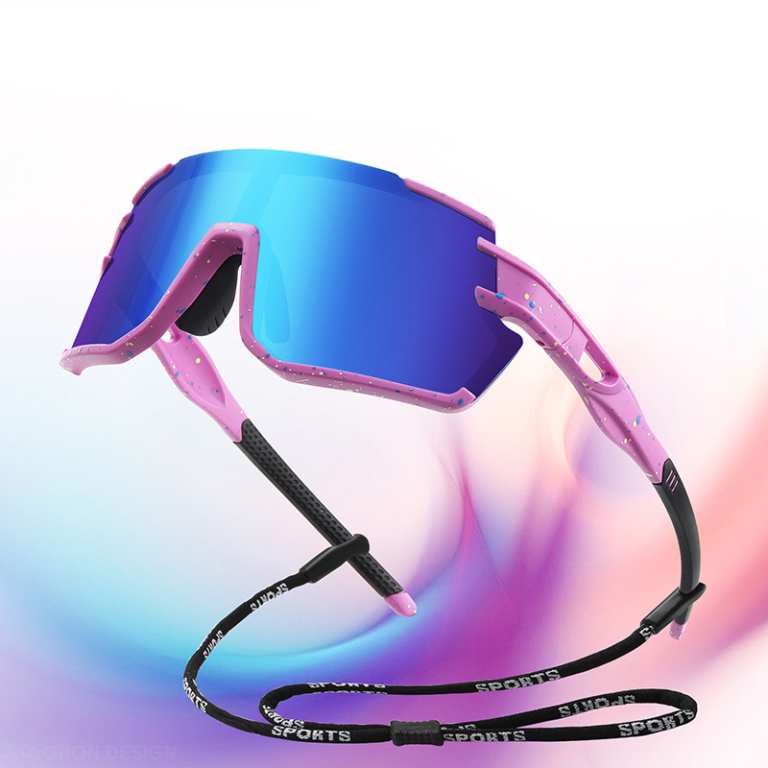
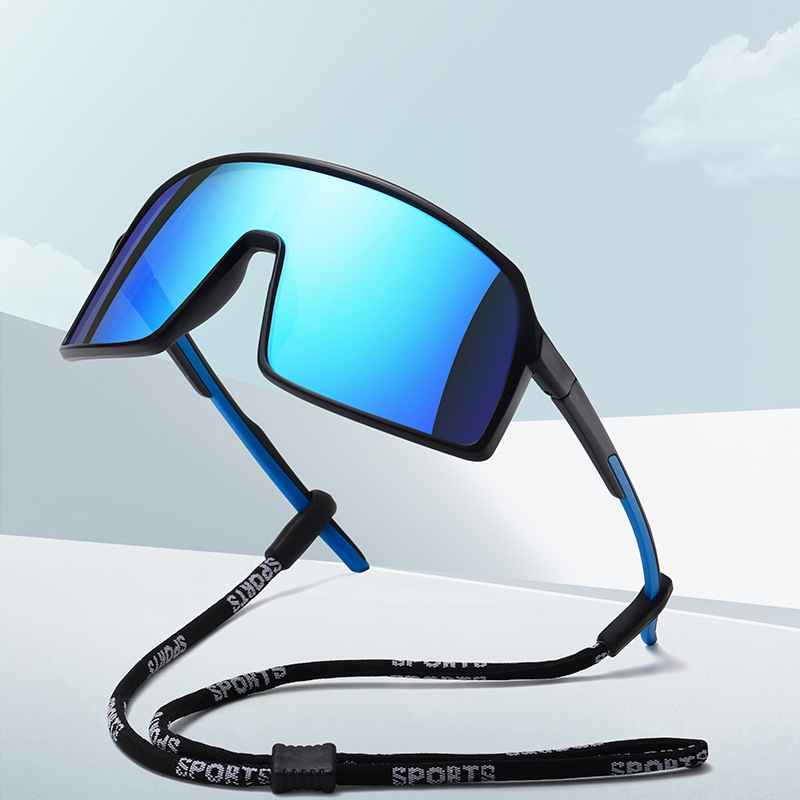
Unstoppable Vision: The Future of Cycling Glasses for Men

by Dennis April 1, 2026
written by Dennis

What’s the Deal with Cycling Glasses?

Picture this: You’re cruising down the road, wind in your hair, and then bam! A blaring sun hits you like a freight train. Yikes! Did you know over 75% of cyclists report that glare messes with their ride? Cycling glasses are your ace in the hole, especially cycling glasses for men. But let’s keep it real: many pairs out there just don’t cut the mustard—fogging up, slipping down your nose, or not protecting against UV rays. What’s a rider to do?

cycling glasses

Flaws in Traditional Solutions

First off, let’s break it down. Most cycling glasses stick to the basics: tinted lenses and a minimal wraparound frame. But we’re not just talking about looking fly—proper protection means serious business! In my experience, a good pair should fit snug without feeling too tight, use anti-fog technology, and prioritize polarization for those sunny afternoons. And let’s not forget about durability—bouncing back from a fall or hitting a rock shouldn’t lead to a broken pair. No cap, I’ve seen too many friends trash their gear just because they didn’t check the specs. So, why are you still riding without the right shades?

What’s the Game Plan?

Moving forward, I can tell you—innovation is key. Brands are stepping up their game, introducing features like interchangeable lenses and customizable frames. These advancements can turn your ride from just okay to outstanding. Think about it: with cycling glasses for men, you could adapt your shades to fit every condition, from nighttime to high noon. The right pair will enhance your gameplay, giving you that edge and boosting your confidence right out the gate. And yo, if you ain’t geeked about that, what are you even doing?

Real-World Impact of Innovation

Fast forward to today, cycling glasses are not just about function; they’re style statements, too. Trends have shifted towards versatile designs that can mesh with any cycling kit. Sleek designs that integrate advanced lens tech are popping up everywhere. Nowadays, you can’t just pick any random pair off the shelf—look for names that emphasize fit and function, like cycling glasses for men from JHEYEWEAR. That brand combines flair with practicality, helping you blend in while standing out. In the grand scheme, these choices can make long-distance rides significantly more enjoyable.

What’s Ahead?

As I look to the horizon, the cycling glasses market is set to expand even more. Emerging tech like smart glasses that track performance metrics are on the verge of becoming the norm. Imagine that: real-time data on your ride display right in front of your eyes while you hustle! But hey, don’t get bogged down in choosing—focus on features that genuinely add value to your experience. Just think back to the times when irritation from subpar gear got in the way of a killer ride. Ain’t nobody got time for that!

cycling glasses

Taking It Home

Ultimately, it’s about embracing change and making smart decisions when choosing your cycling eyewear. Don’t just ride; ride smart by evaluating specs that are essential for your needs. Whether you’re a weekend warrior or a daily commuter, let’s not forget: comfort, quality, and adaptability are where it’s at. Keep an eye out, literally and figuratively, for brands like JHEYEWEAR. They’re out there doing their thing, designing eyewear that’ll keep us locked in and riding strong.

April 1, 2026 0 comments
0 FacebookTwitterPinterestEmail
Newer Posts
Older Posts

Recent Posts

  • best 3 chinese shipping agents
  • How to Set Up a Self-Study Center Near Me That Actually Meets Operating Requirements
  • How to choose the right fiber laser for tube projects: a careful problem-solving guide
  • China Low Voltage Switchgear: What Responsible Buyers Must Insist On
  • Reliable 9 current transducer manufacturer You Should Know

Recent Comments

No comments to show.

About Me

About Me

Vintage Lover

Sed ut perspiciatis unde omnis iste natus error sit voluptatem accusantium doloremque laudantium, totam rem aperiam, eaque ipsa quae.

Keep in touch

Facebook Twitter Instagram Pinterest Bloglovin Rss

Photography

  • best 3 chinese shipping agents

    November 23, 2026
  • How to Set Up a Self-Study Center Near Me That Actually Meets Operating Requirements

    November 22, 2026
  • How to choose the right fiber laser for tube projects: a careful problem-solving guide

    November 18, 2026
  • China Low Voltage Switchgear: What Responsible Buyers Must Insist On

    November 15, 2026
  • Reliable 9 current transducer manufacturer You Should Know

    November 15, 2026

Recent Posts

  • best 3 chinese shipping agents

    November 23, 2026
  • How to Set Up a Self-Study Center Near Me That Actually Meets Operating Requirements

    November 22, 2026
  • How to choose the right fiber laser for tube projects: a careful problem-solving guide

    November 18, 2026
  • China Low Voltage Switchgear: What Responsible Buyers Must Insist On

    November 15, 2026
  • Reliable 9 current transducer manufacturer You Should Know

    November 15, 2026

Categories

  • Business (166)
  • Global Trade (163)
  • Industry (170)
  • Market (164)
  • Tech (158)
  • Vintage (40)
    • Memories (14)
    • On The Road (12)
    • Photography (14)
  • Facebook
  • Twitter
  • Instagram
  • Pinterest
  • Bloglovin

@2021 - All Right Reserved. Designed and Developed by PenciDesign


Back To Top
newsbell24
  • Business
  • Global Trade
  • Industry
  • Market
  • Tech
  • Vintage