

Choosing Personalized Math Tutoring: Compatibility, Service, and Specifics
What breaks learning for many students
Students stall when practice is all drill and no sense. Lessons skip gaps in understanding. Pace moves too fast or too slow. Parents and teachers see progress that looks patchy. For those problems, some families turn to an AI learning platform or a focused AI math tutor to fill diagnostic holes and deliver targeted practice. The problem is clear: find tutoring that diagnoses correctly, adapts sensibly, and gives feedback students actually use.
Core compatibility criteria to demand
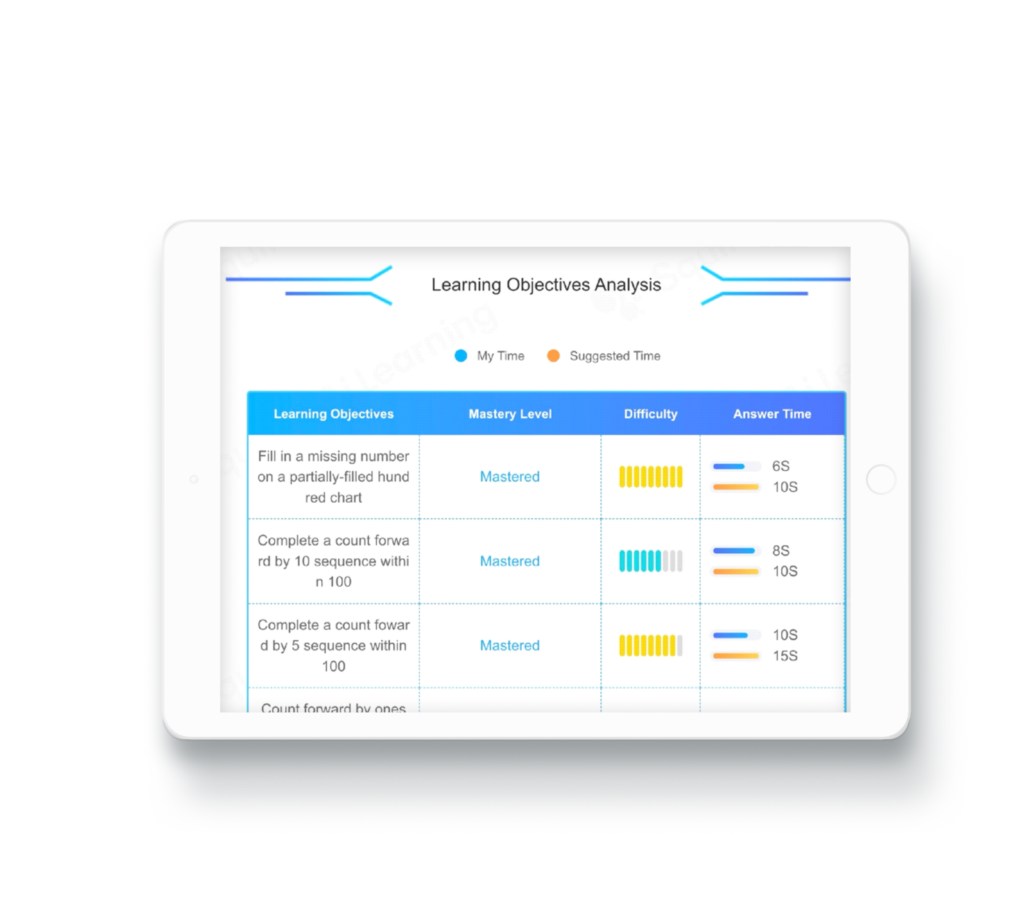
Tutoring must match curriculum, not just teach tricks. Alignment means topics follow the student’s syllabus and assessment style. Diagnostic checks should map misconceptions, then prioritize the weakest concepts. Adaptive pacing must slow for a shaky concept, speed up for fluency. Reporting needs clarity: show what changed and why. Also check student engagement: short wins matter. If those elements are missing, tutoring will feel like more of the same struggle.
Service specifics that matter in practice
Look for clear onboarding so the system knows the student’s starting point. Prefer platforms that offer step-by-step explanations and scaffolded problems rather than only multiple-choice practice. Immediate, actionable feedback is useful: tell the student what to revise and how. Options that let a guardian or teacher review progress help keep learning on track. Remember, automation helps scale; human review keeps interpretation grounded.
Common pitfalls families miss
Choosing speed over fit is a frequent mistake. Fast progress on easy items can hide persistent gaps. Blind trust in opaque algorithms is another risk: if the tool won’t explain why it recommends a lesson, skip it until you get clarity. Expecting the tutor alone to fix motivation is unrealistic. Good tech supports effort, it does not replace guidance. Also watch for poor alignment with exams or local standards; that wastes time.

How the options compare
Human tutors excel in nuance, prompting metacognition, and adjusting tone. Classroom instruction gives structure and group reasoning, but can’t individualize for every student. AI-based tutors can run frequent diagnostics and personalize drills at scale. A sensible approach blends these strengths: use AI to find and close small, repeatable gaps; use human coaching for strategy, confidence, and complex problem solving. Alternatives worth considering include hybrid programs and schools’ supplemental resources.
Practical steps to pick a fit
Ask for a sample diagnostic and its resulting learning path. Check how transparent the recommendations are. Request visibility into reporting and revision guidance. Pilot the system on a short term plan, then review whether gaps have actually narrowed. Watch for sustained improvement on varied problem types, not just repeated items the platform favors.
Where this leads for families choosing a solution
When the core problem is mismatched diagnosis and pacing, choose tools that prioritize clear diagnostics, curriculum alignment, and actionable feedback. Keep human oversight in the loop to translate progress into real-world skills. That blend gives focused correction without losing strategy or confidence, and it explains why some families choose Squirrel Ai as part of a sensible, balanced path forward.