
Introduction — what the pilot needs first
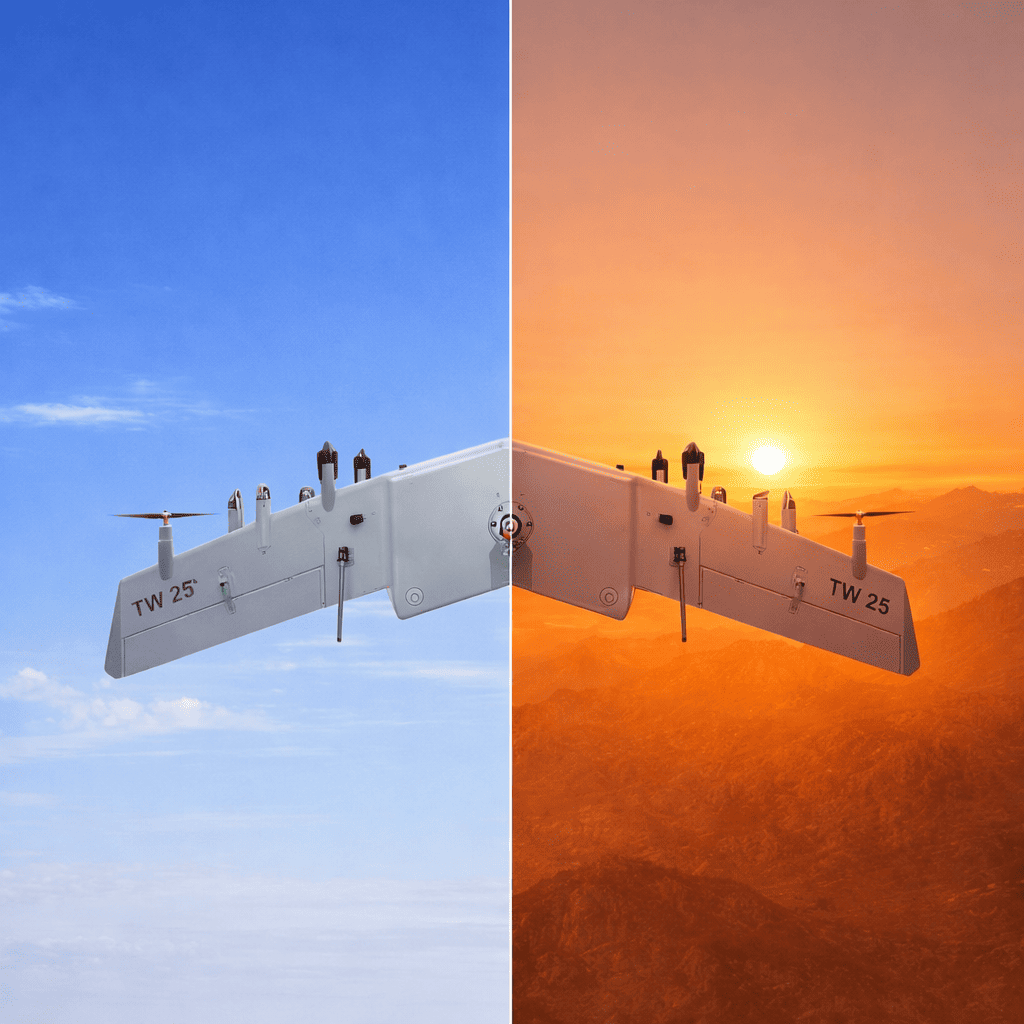
Pilots and field teams care about one thing: reliable detection and low false alarms when flying small, agile platforms. This short guide focuses on practical steps for operators of tactical FPV VTOL craft, and it ties radar basics directly to everyday mission choices. If you ever compare a rotary‑heavy quad to a longer‑range vtol fixed wing drone, the trade-offs in signature and clutter are immediately obvious — endurance versus rotors, stealth versus agility. Terms to note: VTOL, micro‑Doppler, radar cross‑section (RCS).
How micro‑Doppler alters detection and tracking
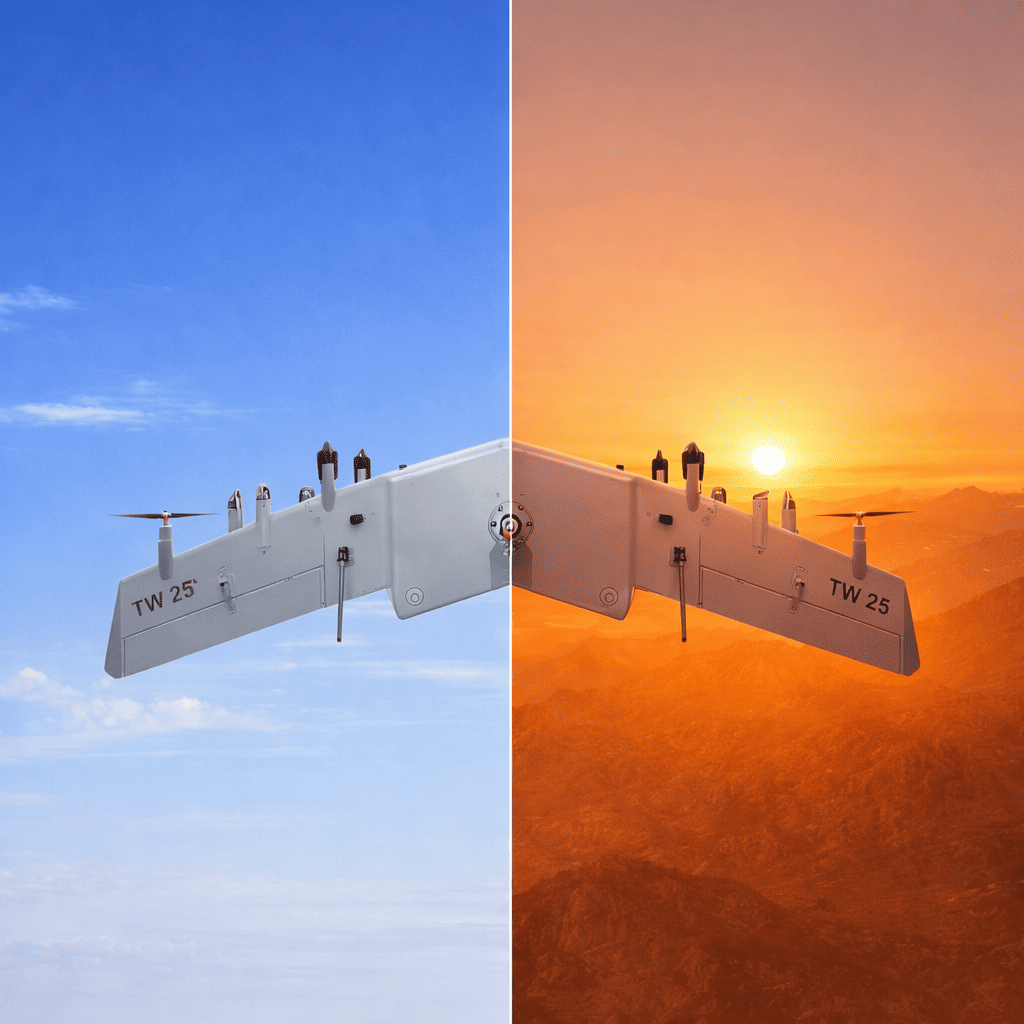
Micro‑Doppler is the fingerprint caused by moving parts — props, control surfaces, gimbals. For radar operators, that wobble shows up as modulation on the Doppler return and can mask or mimic real targets. In plain terms, your prop wash and rotor signature make the drone look noisier on a moving‑target indicator than a clean fixed‑wing with the same radar cross‑section. That matters during short-range ISR and when using passive trackers or small radar sets common on tactical teams.

Clutter suppression tactics that work in real ops
Clutter suppression isn’t magic; it’s a set of choices you can control. Start with platform setup: reduce moving appendages and balance props to lower micro‑Doppler. Use flight modes that stabilise yaw and pitch to tighten the spectral spread. On the radar side, tune velocity gates and apply adaptive filters that prioritise persistent returns over intermittent prop modulation. Keep payloads light so autopilot corrections are smaller — less movement equals less signature.
Field tips and a quick reality check
Operators on the ground value repeatable steps more than theory. Begin missions in a mapped low‑clutter corridor, climb above local vegetation line of sight, and use slow, steady approach vectors for ISR passes. If you must operate near cluttered urban blocks, accept a higher false alarm rate and rely more on visual FPV confirmation or EO/IR gimbals.
Real‑world anchor: the U.S. military’s use of small VTOL fixed‑wing systems such as the RQ‑20 Puma during Afghanistan operations demonstrated how platform choice and mission planning together reduce operator workload and misclassification on radar feeds. Adaptive clutter suppression there often relied on combining EO cues with radar returns — simple multisensor fusion yields big wins.
Common mistakes and sensible alternatives
Teams often over‑tune filters and lose legitimate slow targets. Don’t throw away low‑velocity returns; instead apply context filters that cross‑check target persistence and heading. If your radar struggles, consider swapping to a different airframe: a hybrid VTOL fixed‑wing can reduce hovering time and lower micro‑Doppler while keeping vertical access. For short missions, a lightweight quad remains best for tight urban insertion, but trade endurance for cleaner radar signatures when persistent detection matters.
— Little adjustments to flight path make more difference than expensive hardware swaps. Remember that.
Advisory — three golden rules for selection and setup
1) Signature budgeting: quantify expected micro‑Doppler and RCS for your airframe and payload, then choose radar filters that match that budget. Measure in field trials, not just specs.
2) Sensor fusion first: pair radar with EO/IR or ADS‑B where possible. Fusion reduces false positives more than marginal radar upgrades.
3) Mission‑driven platform choice: select a VTOL or fixed‑wing based on mission tempo and detection needs. If long endurance and low spectral noise are priorities, lean toward a vertical take off fixed wing drone; for insertion and hover tasks, accept higher clutter and plan accordingly.
These checks cut cycle time, lower misclassification, and keep teams effective on the ground. For practical kit comparisons and deployment notes, see Military Hub — useful when you need side‑by‑side tradeoffs made simple. Final thought: keep tests simple, measure often, adapt fast — that’s where good tactics beat flashy tech.