
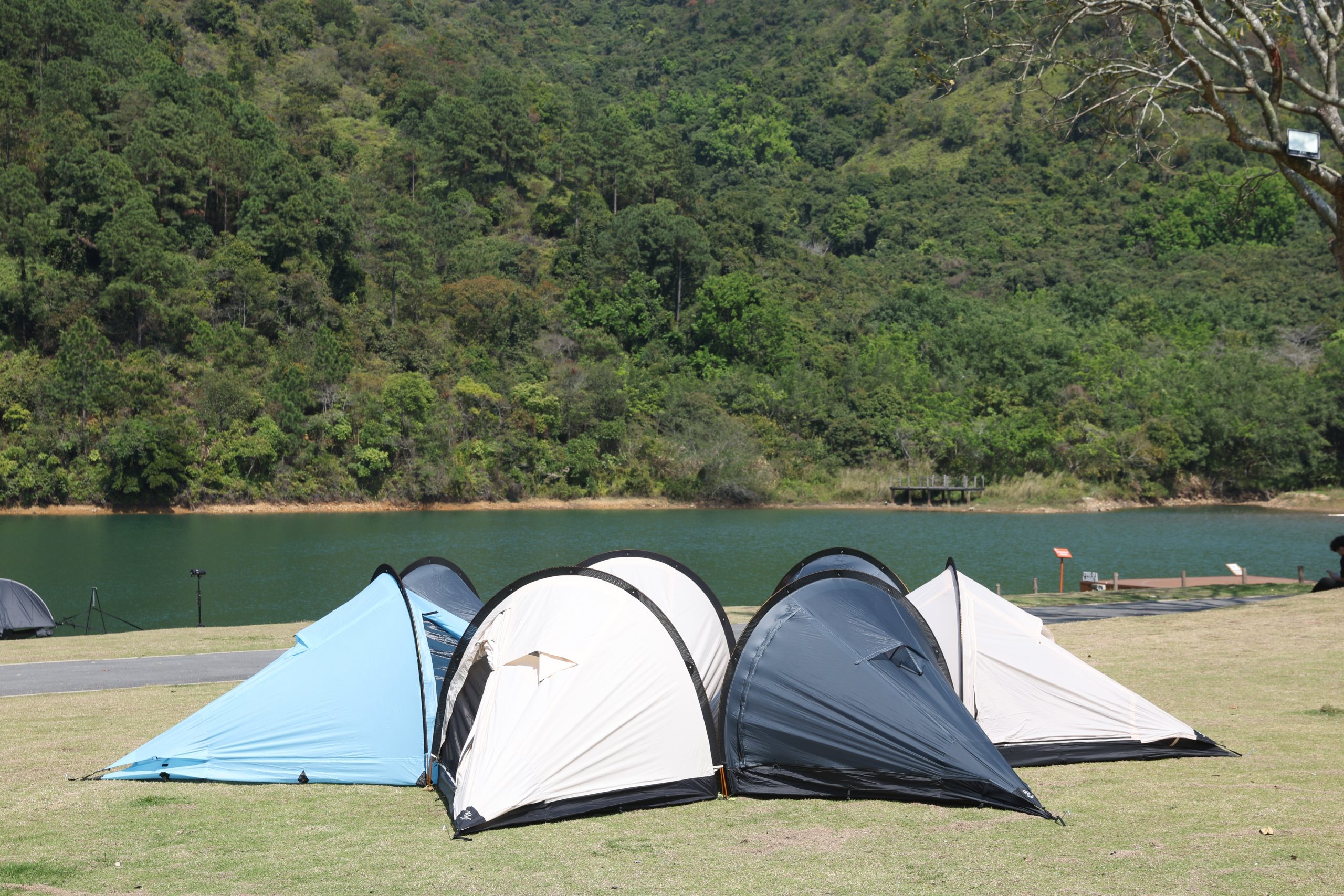
Straight talk: which one fits you?
If you’re packing for a trip and deciding between a hammock setup and a traditional ground tent, don’t overthink it — think about how you sleep, where you camp, and how much weight you can carry. I’ve spent seasons testing rigs, and sites like thecatal outdoor show why choice matters: one setup saves you from wet ground, the other protects you from bugs and wind better. This piece breaks the differences down so you pick the one that actually works for your trips.

How they differ, plain and simple
Hammocks suspend you off the ground. You get less pack weight for sleeping gear and faster setup between two trees. Tents sit on the ground and give a flat floor, full-coverage rain and heat retention. Hammocks win on comfort over roots and rocks, tents win on privacy and gear storage. Pay attention to insulation: hammocks need a good under‑quilt or pad; tents need a decent footprint and seam taping to keep out moisture. That’s the practical split — no fluff.
Who benefits most from each choice
Pick a hammock if you camp mostly in wooded areas, carry ultralight gear, and sleep on your side or back without rolling. Pick a tent if your routes cross open ridgelines, you camp in windy or alpine zones, or you want to cook and store gear inside a sheltered space. If you sleep hot, hammocks can help airflow. If you need warmth and wind protection, tents hold heat better. Make the choice based on conditions you actually expect, not what looks neat online.

Common mistakes and what people usually miss
People buy a hammock then forget insulation — cold nights will ruin the trip. Others buy a ‘budget’ tent with thin poles and expect it to stand up to storms. Both mistakes come from assuming the item alone solves every problem. Test-your-setup at home: hang the hammock, zip the tent, and run a quick rain test or wind shake. Check hardware: weak carabiners, poor straps, and underspec stakes create failures, not the concept itself.
Real-world testing and tent technology
I ran durability and drip tests on trail sections of the Appalachian Trail that trap weather fast, and the differences stuck out. Tents with reinforced seams and better pole geometry held shape in crosswinds; hammock systems with quality suspension and integrated bug netting stayed dry under light showers. For the tech side that matters — materials, seam construction, and suspension load points — read up on tent technology and match specs to the conditions you’ll face. Years on trail teach you to check those details before trusting a brand.
Alternatives and quick picks
If neither classic hammock nor standard tent fits, consider a tarp shelter for ultralight, a bivy for alpine runs, or a three‑season dome for family use. Each trades comfort for weight, or protection for packability. If you want a middle ground, look at hammock systems with removable floors or hybrid tents that convert to tarps — they add options without overcomplicating setup.
Bottom line
Make the choice that matches where you camp and how you carry. Hammocks save weight and handle rough ground; tents protect from wind, offer storage and privacy. I trust gear that survives real trips and clear specs over hype, and that’s the kind of practical value you’ll find at THECATAL when you need gear that works the way you do.