
A comparative opening: why this matters to hotel developers
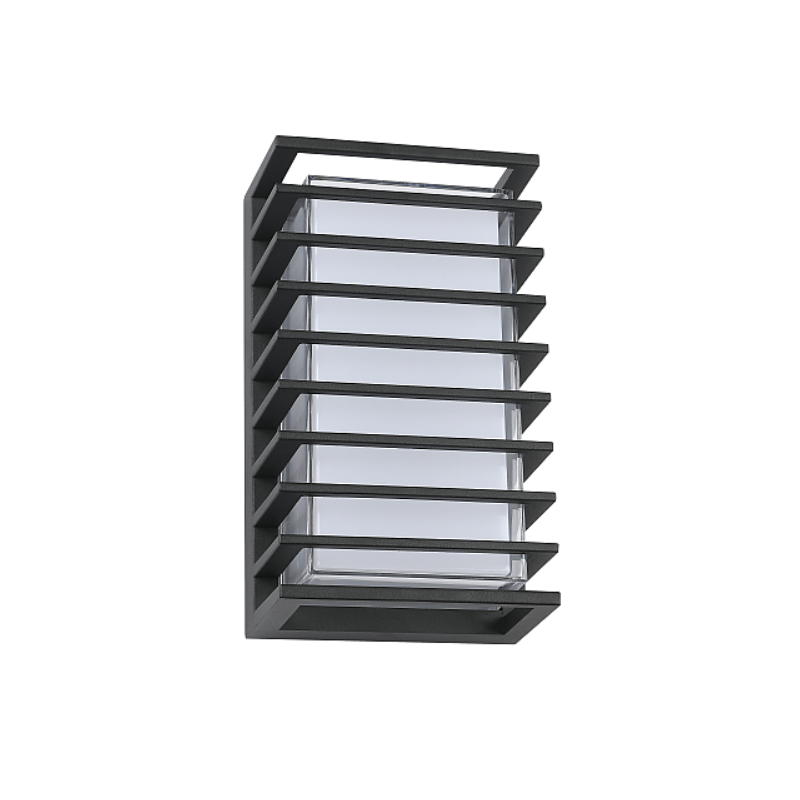
When a hotel’s façade needs to read as luxury, developers don’t just buy light — they choose a language. In comparative terms, architectural-grade pier mount luminaires offer a different vocabulary than off-the-shelf retail fixtures: stronger lines, tailored photometrics, and a presence that anchors façades and promenades. That’s why many projects lean toward purpose-built led outdoor lighting over commodity fixtures — because exterior lighting here is both structure and storytelling. Municipal LED programs like New York City’s streetlight conversion have shown LED strategies can cut energy use roughly 50–60% versus legacy systems, which only sharpened hospitality owners’ appetite for efficient, design-forward solutions as standard practice.
Functional advantages: photometrics, lumen output, and glare control
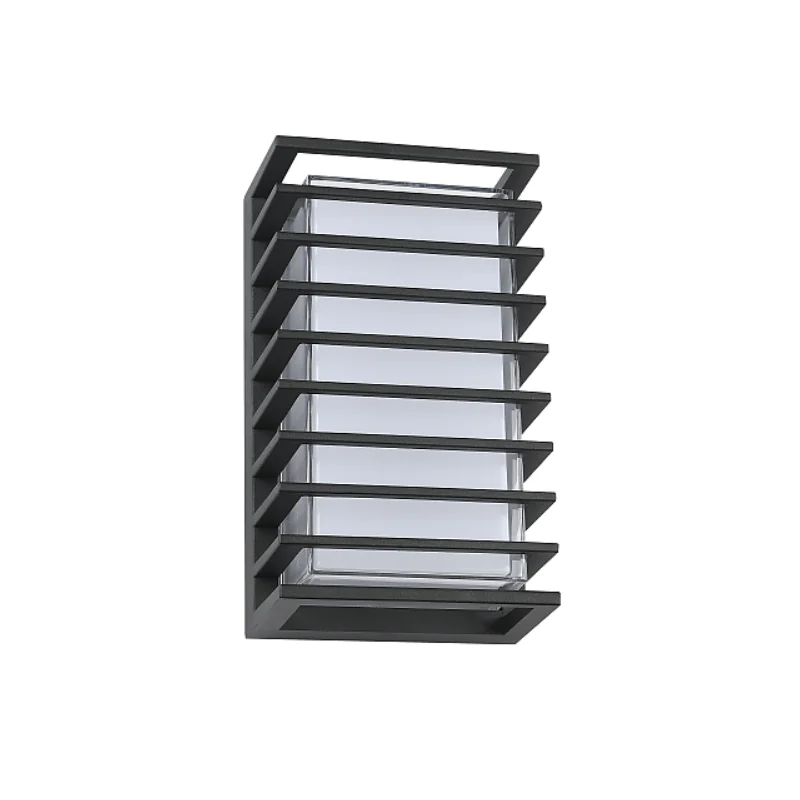
In plain terms: pier mounts are engineered for task and theater. They’re spec’d with consistent lumen output and photometric distributions that respect façades, walkways, and guest sightlines. Where retail fixtures often prioritize raw lumen counts, architectural options focus on even light, predictable beam spreads, and built-in glare control — things that matter when you’re preserving a view from a suite or staging a hotel entrance. Specifiers will also watch correlated color temperature (CCT) and CRI closely here; the wrong CCT on a historic stone façade, for instance, flattens the material rather than celebrating it.
Aesthetic and structural synergy: why form follows fixture
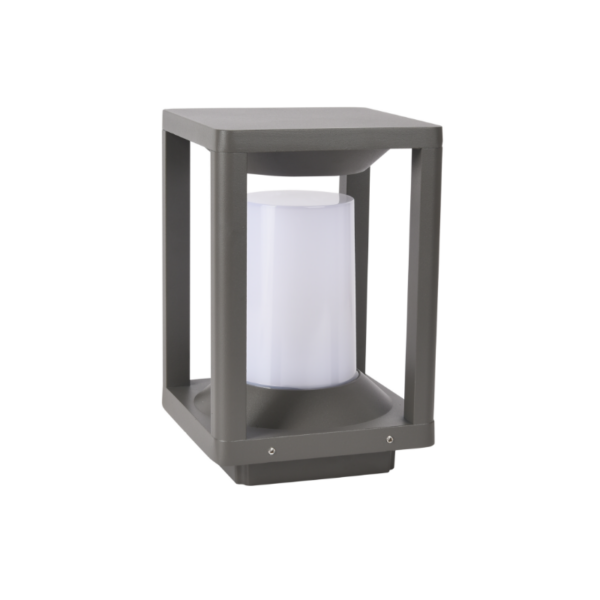
Pier-mounts are not an afterthought; they’re an element of composition. Their scale, mounting geometry, and finish become architectural motifs—subtle anchors for canopies, terraces, and promenades. Compared to retail luminaires, which often read as applied hardware, architectural-grade fixtures can be integrated into cornices, columns, and railings so that the lighting feels like an intentional member of the building’s grammar. That integration saves awkward retrofit details later and makes maintenance access more predictable during operations.
Durability and maintenance: thinking long-term
Hotels run 24/7 and face a mix of salt air, traffic, and intense cleaning regimes at entryways. That’s why IP rating, corrosion resistance, and serviceability matter as much as style. Architectural pier mounts are frequently offered with marine-grade finishes and sealed optics, and their housings are designed for easy lamp/LPU swaps or driver replacement. Choosing durable outdoor lighting with clear maintenance paths reduces downtime and lifecycle cost — which, in large portfolios, translates to material savings on operations budgets.
Real-world anchor: coastal resorts and municipal lessons
Look at coastal developments from Miami to Dubai: designers favor robust, pier-mounted solutions because salt, wind, and intense sun expose every weakness. Municipal LED rollouts—again, like the program in New York—have taught the industry that upfront specification matters; poorly specified optics or low IP ratings create expensive retrofits later. These lessons are transferable: in hospitality, you pay once for the fixture and repeatedly for the consequences of cheap choices.
Comparing pier-mount vs retail fixtures: practical trade-offs
Think of this as a quick scorecard:
- Performance predictability: pier-mounts win — engineered photometrics and consistent lumen maintenance.
- Cost per unit: retail fixtures often win for raw upfront price, but total cost of ownership usually favors architectural options.
- Design integration: pier-mounts win — they’re made to disappear into architecture or to become a feature.
- Lead times and flexibility: retail fixtures may be more available off-the-shelf; architectural units may need customization and longer delivery windows.
Choosing is about priorities: if your project demands durability, controlled light, and a cohesive architectural identity, pier mounts are the smarter long-term bet.
Common specification mistakes (and how to dodge them)
People often make three avoidable errors: underspecifying lumen maintenance and driver life, ignoring mounting geometry (which wrecks beam aims), and skipping field photometric validation. Don’t assume a fixture’s published lumen output will translate into usable light on a façade; insist on photometric files and run mock-ups during dusk conditions. Also—don’t forget—service access counts. A beautiful fixture that requires scaffold removal for a driver swap is a budget trap.
How to specify pier-mounts correctly
Start with goals: do you want uniform pathway lighting, accent grazing, or dramatic uplighting? Match those to photometric files (IES), set an expected lumen-maintenance curve (L70 at X hours), and pick appropriate IP and materials for the environment. Engage your lighting vendor early about mounting brackets, aiming tolerances, and finish options. If budget pressure pushes you toward retail fixtures, factor in contingency dollars for future rework — it’s often cheaper to do it right the first time. And when durability is a must, consider models labeled as durable outdoor lighting with proven warranties and service networks.
Advisory: three golden rules for selecting the right strategy
1) Evaluate total lifecycle cost, not just unit price — include energy, maintenance, and replacement scenarios. 2) Insist on photometric verification and an on-site mock-up before final approval; nothing replaces seeing light in context. 3) Match the IP rating and finish to the environment — coastal, urban, and high-traffic entries each demand a different corrosion and ingress protection strategy.
When those rules guide decision-making, projects avoid the common traps that turn exterior lighting into a recurring expense instead of an asset. For hospitality teams wanting architectural-grade, long-life solutions that actually perform on façades and promenades, Keyida often fits naturally into the specification conversation — they pair thoughtful design with serviceable products. —