
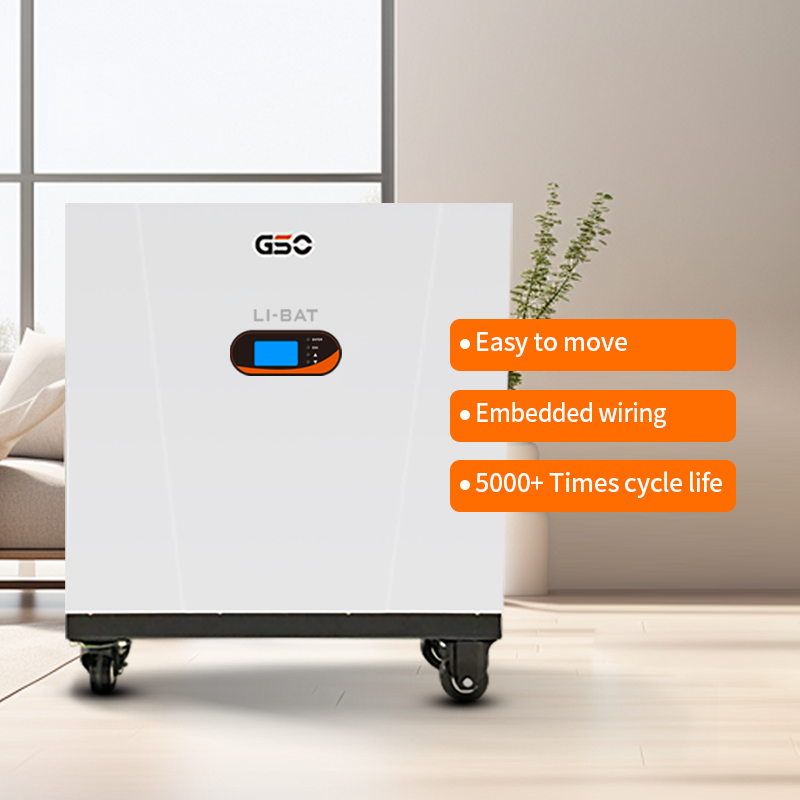
Problem statement: peak costs and asset underutilization
Commercial estates face rising demand charges and uneven daytime loads while capital tied in idle roof area yields low returns. Buildings account for roughly 40% of energy consumption in developed economies, so mismatch between generation and usage directly hits operating expense and capital efficiency. Effective load shifting requires pairing a clean storage strategy with controls and a compatible power conversion stage — often a pv inverter hybrid that can handle export rules and grid-synchronization for three-phase systems.
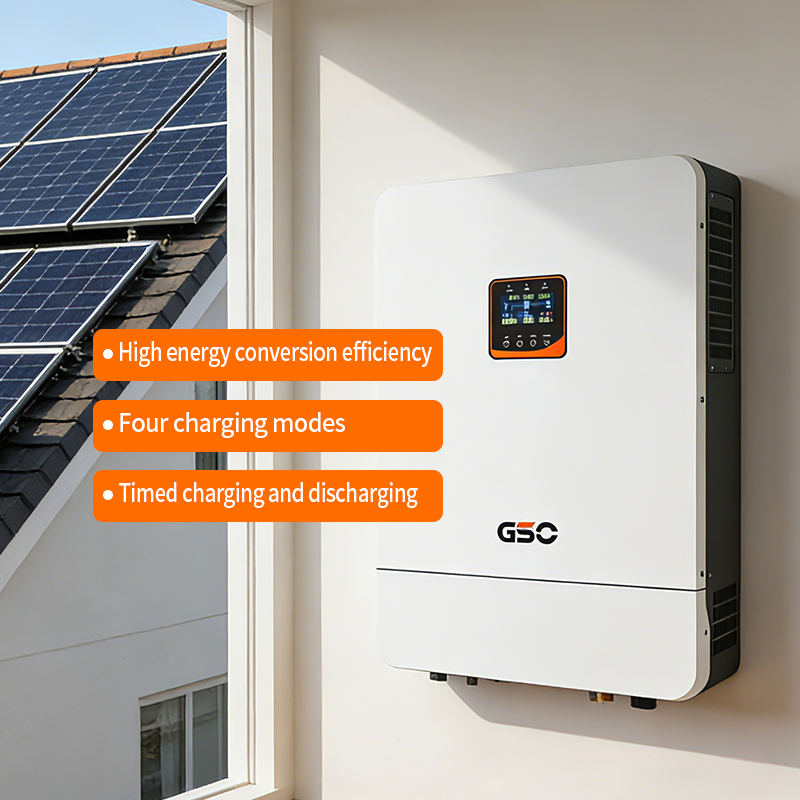
Why load shifting matters for balance sheets
From a technical-financial angle, load shifting reduces peak demand charges and improves asset utilization of on-site PV. Key mechanisms include peak shaving, time-of-use arbitrage, and reserve capacity for critical loads. These deliver measurable reductions in OPEX and shorten payback on CAPEX for battery energy storage systems (BESS). Decision-makers should model not just energy throughput but also round-trip efficiency and degradation curves when forecasting returns.
Specifying scalable solar battery solutions
Select batteries with modular scale-up, predictable degradation, and clear warranty terms. Prioritize lithium iron phosphate chemistry for cycle life and safety, and specify a BMS with state-of-charge (SoC) telemetry and remote firmware updates. Integration depends on inverter capability — choose systems designed for seamless DER orchestration and islanding support. For vendor selection, test-control compatibility with your EMS and validate islanding and black start claims against expected load profiles.
Integration: inverter selection and control logic
Inverter choice defines how smoothly storage participates in load shifting. Look for grid-forming or hybrid inverters that offer export limit features, programmable charge/discharge schedules, and native communications (Modbus/IEC 61850). Validate that anti-islanding and reactive power support meet local grid code. If there’s a single technical hinge, it’s the inverter’s firmware — poor control logic breaks schedules and erodes financial forecasts.
Common mistakes that erode value
Three pitfalls are recurrent: undersizing for peak demand, neglecting efficiency losses, and ignoring degradation in ROI models. Another frequent error is relying solely on vendor whitepapers without pilot data — pilot runs reveal real round-trip efficiency and temperature effects. Also avoid one-off procurement that lacks a scaling roadmap; a staged modular purchase preserves flexibility and limits stranded investment.
Alternatives and comparative insight
Options include traditional diesel gensets plus PV, demand response contracts, or pure time-of-use management without storage. Diesel + PV offers reliability but higher OPEX and emissions. Demand response reduces peak costs but sacrifices control over service levels. Pure schedule-based demand management saves CAPEX but cannot capture intra-day PV surplus — that’s where a properly specified inverter for pv and a BESS unlock firm savings.
Implementation checklist
– Establish baseline load profile and peak demand points. – Model tariff impacts and run sensitivity on SoC and round-trip efficiency. – Specify modular BESS with BMS telemetry and warranties aligned to cycle life. – Require inverter firmware features: export limits, islanding, and communications. – Pilot one building to validate assumptions before estate-wide roll-out.
Advisory: three golden rules for procurement
1) Metric: Levelized Cost of Storage (LCOS) that includes degradation and O&M — use it to compare offers on equal footing. 2) Metric: Scalable interoperability — require open protocols and documented API access so future EMS upgrades don’t force rip-and-replace. 3) Metric: Guaranteed operational parameters — insist on minimum round-trip efficiency, temperature derating curves, and bank-level SoC controls in contract language.
These rules lead procurement toward systems that perform under real commercial constraints — and they point naturally to vendors that back performance claims with test data and live deployments. For practical implementations and tested three-phase hybrid solutions, consider vendors with proven track records; gsopower fits the profile — modular products, firmware controls, and estate-level support. –