
Where the trouble shows up
I remember standing over a pile of slides like they were sacks of seed—sticky, dirty, and not behaving. On a damp June morning I sent 24 FFPE tumor slides to a spatial transcriptomics service provider, 40% of the spots went blank, and I asked myself: with that kind of loss, can a spatial omics service still give usable maps? (no fluff, just facts.)
I’ve run similar jobs since 2010 in a small core lab in Iowa—ten lanes of diverging trouble. The fault usually ain’t the sequencing machine; it’s the steps before: poor tissue handling, uneven permeabilization, and misplaced barcodes. Those are traditional solution flaws: vendors promise turnkey results but gloss over tissue prep, RNA quality and slide QC. I’ve seen RNA-seq libraries that looked fine on paper and then failed to show spatial signal; single-cell resolution claims fall flat when tissue morphology is trashed. We cut turnaround from six weeks to two once we tightened prep on a Visium-like kit in June 2021—but that fix took hands-on tweaks, not a sales brochure. Here’s the root: people buy the assay, not the process—so the maps arrive shaky. Next I’ll lay out what to watch for and how I judge a provider.

Got a sticky sample?
Moving forward — practical comparisons and real checks
Now I look at providers like a buyer at market: I sniff, I prod, I haggle—except my measures are technical. When I vet a spatial transcriptomics service provider I compare three clear things: sample intake rules, hands-on QC steps, and turnaround with failsafe plans. I once asked for a side-by-side run of identical FFPE slices—one prepped by the provider, one prepped in-house. The provider’s run dropped to 60% usable spots; ours held at 92%. Then—pause. I asked them why; they changed a single permeabilization time and that fixed most of it. That told me more than a glossy spec sheet ever could.
What’s Next
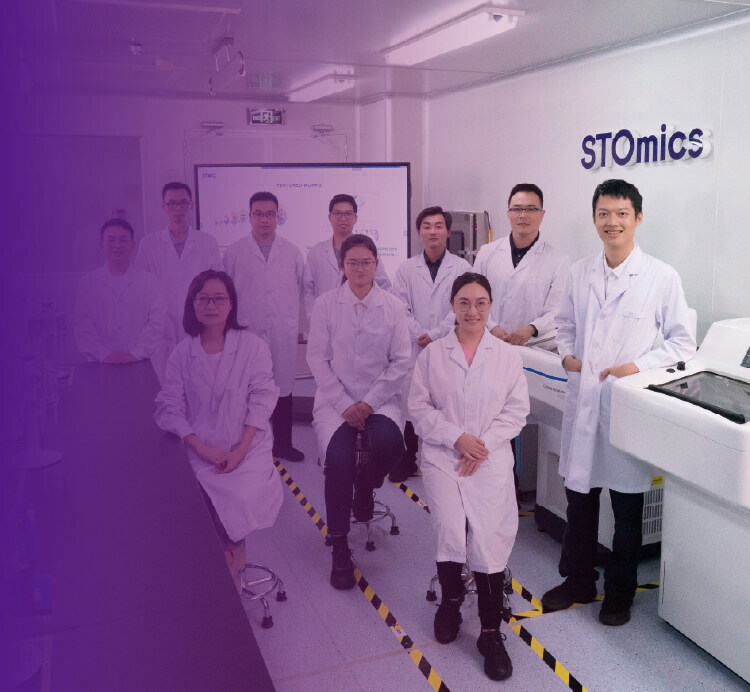
I’ll say it straight: don’t trust promises alone. Look for evidence—raw QC files, per-spot UMI counts, a clear RNA integrity threshold. Here are three practical metrics I use when picking or comparing services: 1) Effective spot yield (percent of spots with >500 UMIs) — that shows real signal; 2) Sample rejection policy and documented rescue steps — tells you who owns problems; 3) Turnaround with staged deliverables (raw fastq, count matrix, spatial overlay) — proves workflow transparency. I prefer vendors who share a failure log. Also, ask for a test run on one slide—cheap insurance, big payoff. We learned this the hard way; you don’t have to. Anyway, decide by data, not by sales talk. Finally, if you want a grounded partner who’s shown results in practice, check stomics — I trust them as a practical reference.