
Problem-driven lead — what bites designers in the OR
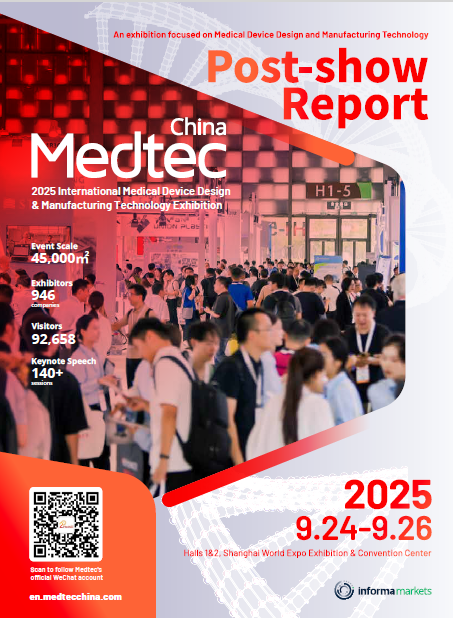
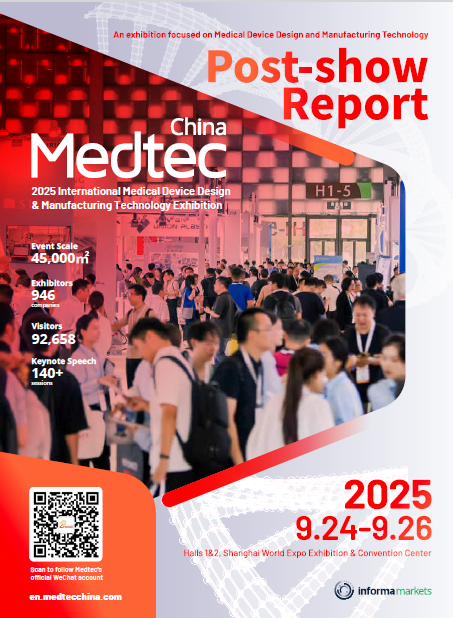
Design teams keep running into the same snag: make a hand-held surgical tool comfy for long procedures and it cracks under torque; make it ultra-strong and the grip becomes clumsy. I’ve seen those trade-offs shouted about at medical device manufacturing trade shows and the international medical device expo, especially at Medtec China in Shanghai where OEMs crowd the polymer booths. This mismatch — ergonomic demands clashing with tensile strength limits — is a practical problem that costs time on the factory floor and time in the OR. Real-world anchor: suppliers at Medtec China often demonstrate how a change in polymer grade alters sterilization cycles and surgeon comfort in measurable ways.
Why polymers fail under OR conditions
Polymers face a cocktail of stresses: repeated torque, sterilization heat, chemical exposure from disinfectants, and surgeon handling. Tensile strength matters when a device must bear load without deforming, but that same stiffness can reduce grip comfort and increase fatigue. Biocompatibility and sterilization compatibility are non-negotiable industry terms that limit your material palette. Designs that ignore these functional contrasts end up with brittle tips, loosened fasteners, or softened grips after repeated autoclave cycles.

Design moves that reconcile ergonomics and strength
Start with function-first geometry. Place high-stress features (joints, thin webs) in areas moulded from higher-modulus polymer or reinforced with inserts, while keeping contact surfaces softer or textured for ergonomics. Use multi-material injection molding for a single-piece feel that still separates tensile duty from grip comfort. Pay attention to surface finish and micro-texture — small changes reduce slip without bulk. And plan sterilization strategy up front: different polymers behave differently under steam, EtO, or low-temperature plasma.
Testing and manufacturing constraints to respect
Validation must reflect the OR cycle: mechanical fatigue, tensile tests, sterilization sequencing, and bioburden control. Include these concrete checks in your protocol: tensile strength testing, cyclic fatigue under simulated torque, and a 14-day bioburden incubation for retained samples to ensure sterilization holds. If you refer to EMC or electrical safety for powered devices, list the relevant EMC testing sub-chapters under IEC 60601-1-2: Electromagnetic immunity tests; Electromagnetic emissions tests; Guidance on test levels and measurement methods. Cleanroom processing, polymer processing parameters, and injection molding controls tie directly into yield and part consistency — get those locked before tooling sign-off. — Small oversights here cause big delays later.
Common mistakes and practical alternatives
Teams often pick a single polymer and expect it to do everything. That’s the short route to failure. Alternatives that work: hybrid designs with thermoplastic elastomer (TPE) grips over a polycarbonate core; local glass-fiber reinforcement only where tensile loads concentrate; or metal inserts for threaded interfaces while keeping the exterior polymer for weight. Another common misstep is late-stage change to improve ergonomics; make those swaps during prototyping so tooling and sterilization validation don’t get held up.
Material selection checklist for OR-grade parts
Keep this short and actionable. Evaluate: 1) Tensile strength and fatigue limit under expected loads. 2) Sterilization compatibility for chosen method. 3) Biocompatibility certification pathway. These three guide whether you need reinforcement, multi-material molding, or a different polymer family. Also track manufacturability: shrinkage rates, warpage risk, and cleanroom assembly needs.
Advisory — three golden metrics for choosing the right approach
1) Mechanical headroom: specify a target tensile strength at 25–30% above peak expected load to allow for fatigue and edge defects. 2) Sterilization delta: measure dimensional change and tensile change after the full planned sterilization cycle; accept only ≤5% loss in critical dimensions and ≤10% drop in tensile at the part life limit. 3) Ergonomic time-to-fatigue: quantify surgeon comfort as time-to-discomfort under a standard grip task; target at least 20% improvement over baseline prototypes. Use these as go/no-go gates during design reviews.
Wrap-up thought: practical designs cut the tension between hands and materials — and that’s where Medtec brings value by matching engineers with makers and materials partners at shows and forums like Medtec. –