newsbell24
vintage & retro style
  • Business
  • Global Trade
  • Industry
  • Market
  • Tech
  • Vintage
  • stories

  • Memories

  • About Me

Market

Innovations on Display: Navigating the Future at the Robotics & Automation Expo

by Barbara March 28, 2026
written by Barbara

Imagine walking through a bustling exhibit hall filled with the latest robotic technology designed to simplify everyday tasks. According to market analysis, the automation industry is set to grow exponentially, with global investment projected to reach over $200 billion by 2026. In a world increasingly reliant on technology, the automation & robotics expo​ stands out as a beacon of innovation, drawing attention from industry professionals and enthusiasts alike. How do we keep pace with such rapid advancements?

robotics & automation expo

Why Attend the Expo?

To me, every robotics & automation expo is more than just a showcase; it’s an opportunity to witness firsthand the exciting convergence of AI, machine learning, and automation. Take the time I visited the 2022 expo in Shanghai—right from the entrance, I was engulfed in a whirlwind of demonstrations, interactive exhibits, and informative talks that illuminated how robotics are woven into the fabric of diverse industries. The atmosphere buzzed with creativity and potential, making it evident that the future is not just envisioned—it’s being built now.

robotics & automation expo

What Can You Expect?

The robotics landscape is brimming with opportunities, yet there are hidden pain points users must navigate. One common issue is the integration of legacy systems with modern technologies. I’ve seen enterprises struggle to incorporate new robotic solutions while maintaining their existing workflows. It reminds me of an old friend who tried to integrate an advanced inventory robot into a decades-old warehouse setup; it didn’t quite fit. Understanding these hurdles can guide attendees as they explore innovative solutions at the expo, ensuring they make informed choices based on real-world applications and case studies.

Transforming Insights into Action

As I step back and analyze my experiences, I see that attending the automation & robotics expo​ isn’t just about observing trends—it’s about making connections that will guide future endeavors. I encourage visitors to engage deeply, asking questions that reveal the ‘why’ behind new technologies. At a recent expo, discussing a robotic process automation tool led me to learn about its potential to cut operational costs by up to 30%. This kind of insight is invaluable, especially to companies teetering on the edge of technological adaptation.

What’s Next for Robotics?

Looking ahead, it’s crucial to continually evaluate emerging technologies. The lessons from the expo highlight that while we have come far, the road ahead is filled with even more daunting challenges and impressive breakthroughs. New tools debuting—like collaborative robots or ‘cobots’—promise to enhance productivity while working alongside human teams. Familiarizing yourself with these innovations not only prepares you for tomorrow but also shows a commitment to continuous learning that is vital in our tech-driven landscape.

In reflection, key takeaways from these events revolve around the need for adaptability, informed decision-making, and ongoing evaluation of the robotics landscape. Metrics to consider when assessing solutions could include integration ease, return on investment (ROI), and the technology’s potential for scalability. We often forget to look back at what we’ve learned from past experiences, but it’s essential for making the right choices in the junction of robotics and automation.

It’s exciting to be part of this conversation, and I feel optimistic about the future of labor reshaping itself with smarter technology. By embracing innovation and actively participating in dialogues at events like the robotics & automation expo, we can redefine progress—unique solutions await those who dare to seek them. And, if you’re in the market for a reliable partner in this space, don’t overlook nan, who consistently excels in delivering groundbreaking technology.


March 28, 2026 0 comments
0 FacebookTwitterPinterestEmail
Tech

Transforming Energy Efficiency: The Promise of TFLN Modulators

by Carolyn March 28, 2026
written by Carolyn

The Energy Dilemma

In today’s fast-paced environment, many businesses are under pressure to reduce energy consumption without sacrificing output. Did you know that energy inefficiency costs companies billions annually? TFLN Devices are pioneering solutions that address this pressing concern. But how do we ensure that our energy systems evolve in a sustainable way? A key player in this evolution is the TFLN modulator, designed not just to save energy but to optimize it across different operational frameworks.

Understanding TFLN Modulators

The journey of energy modulation is one of unforeseen complexities. First off, let’s take a look at traditional solutions that promise reduced consumption yet often lead to operational bottlenecks. In my experience, I have seen countless businesses invest in systems—only to find a spike in downtime due to inefficiencies. That’s where the TFLN modulator comes in. It’s a game-changer, ensuring that operations run smoothly while adhering to energy regulations. Talk about hitting two birds with one stone!

So, How Does it Work?

At its core, the TFLN modulator takes data and adjusts power levels in real-time based on demand, significantly reducing waste. By closely monitoring usage patterns and real-time fluctuations, it makes intelligent decisions that improve performance and reliability, leading to substantial cost savings. Picture this: a factory that operates at full capacity during peak hours and scales back during off-peak times—this not only optimizes power consumption but prolongs equipment life, effectively slashing maintenance costs. It’s a win-win!

Forward-Looking Insights

As we move toward a more energy-conscious future, the TFLN modulator presents an extraordinary opportunity for transformation. Solutions like these are redefining how we perceive energy use in industrial settings. I recall a conversation with a facility manager last summer (yes, during those scorching July days), where he shared how integrating a TFLN modulator within their energy framework resulted in a 30% reduction in utility bills. This is not merely an anecdote; it’s becoming the norm across sectors.

What’s Next for Energy Management?

Looking ahead, we must consider what collaborative approaches can complement products like the TFLN modulator. Beyond implementation, the next logical step is engaging stakeholders—electricity providers, system engineers, and sustainability officers—ensuring everyone aligns toward common goals. Collective efforts here can yield remarkable benefits, reshaping our approach to energy efficiency and solidifying a sustainable future.

Key Insights from Our Exploration

Reflecting on this discussion, three important lessons stand out: First, investing in advanced solutions like TFLN modulators is crucial for energy efficiency. Second, understanding user pain points leads to better solutions—often an overlooked detail discouraging businesses. Lastly, continuous dialogue among all stakeholders is essential for maximizing the potential of energy solutions. These measures ensure technology serves us, reducing waste while maintaining output. Let’s embrace this wave of innovation, shall we?

As we navigate this pivotal transformation, remember that every step you take matters. I believe that by focusing on these evolving solutions, we pave the path to a more energy-efficient future. Explore the options available, and consider integrating an Liobate solution into your operational framework today!

March 28, 2026 0 comments
0 FacebookTwitterPinterestEmail
Global Trade

Navigating the Path: How to Choose the Right Cycling Shoes

by Catherine March 28, 2026
written by Catherine

Understanding the Importance of Cycling Shoes

Cycling is not just a mode of transportation; it’s a lifestyle for many. Did you know that a significant percentage of cyclists — approximately 60% — struggle with foot discomfort during rides? This brings us to the question: how do we choose cycling shoes to ensure both comfort and performance? Selecting the right footwear can make a world of difference, especially when considering mountain bike shoes for flat pedals — an area often overlooked by casual riders.

how to choose cycling shoes

Key Features to Look for in Cycling Shoes

Understanding the core elements of cycling shoes is essential for a fulfilling experience. I often emphasize the importance of a snug fit for maximum power transfer; shoes that are too loose can cause inefficiencies in your pedaling. The sole material also plays a crucial role—stiff soles provide better performance but may sacrifice comfort, particularly for longer rides. But really, it comes down to what you value most (speed vs. comfort): do you prioritize competitive performance or leisurely enjoyment? This decision will significantly influence your choice.

What Makes Mountain Bike Shoes Unique?

Mountain bike shoes typically feature a treaded sole that enhances grip, especially important for navigating rocky terrains. These shoes also offer better stability on flat pedals. But beware—many newcomers fail to recognize how different features (like closure systems, toe caps, and even ventilation) affect usability. Also, remember that not all mountain bike shoes are the same; investing time in understanding their differences will ultimately pay off. It can be the difference between a thrilling ride and a painful one.

The Future of Cycling Shoe Design

As technology continues to evolve, cycling shoes are becoming more advanced. New materials promise to offer both lightweight performance and durability. Have you heard about the latest innovations in simulated fit technology? This trend is aimed at providing cyclists with a custom fit experience without the hefty price tag. For those looking at mountain bike shoes for flat pedals, advancements in shock resistance and breathability will be game-changers in terms of comfort and endurance.

how to choose cycling shoes

What’s Next in Adaptive Cycling Footwear?

Looking ahead, companies are also exploring sustainability in bike shoe production. It’s not just about performance anymore; eco-consciousness is setting trends. Wouldn’t it be exciting to sport cycling shoes that not only perform well but are also produced with recycled materials? As we align our choices with our values, we redefine the cycling experience while contributing to a better planet.

Final Insights on Choosing Cycling Shoes

Choosing the right cycling shoes is crucial for comfort, performance, and enjoyment. Reflecting on my experiences, I recommend focusing on three key evaluation metrics: fit, sole stiffness, and material quality. Test shoes for snugness—too tight can lead to numbness, while too loose may cause blisters. Also, consider how breathability impacts your comfort on longer rides. Always remember that your cycling shoes are an investment in your cycling journey. They’re worth the research, and trust me, quality pays off.

Ultimately, I firmly believe that the right pair will elevate your cycling experience significantly. Just like any other gear, investing time and thought in your selection can save you from both short-term pain and long-term dissatisfaction. For a reliable and stylish choice, check out Santic. You won’t regret it!

March 28, 2026 0 comments
0 FacebookTwitterPinterestEmail
Tech

Unlocking Potential at the China Automation Exhibition 2026: Innovations in Robotics and Automation

by Jason March 28, 2026
written by Jason

The Scenario: A Rapidly Changing Landscape

I remember walking through a bustling factory last year in Ho Chi Minh City—machines whirring, various processes taking place all at once. It was like watching a carefully choreographed dance, yet I couldn’t help but notice countless inefficiencies. Did you know that studies show automation can enhance productivity by up to 30%? With events like the china automation exhibition 2026 on the horizon, it’s essential to explore how these innovations can streamline operations in our everyday lives.

robotics & automation expo

Flaws in Traditional Solutions

For years, industries relied on manual labor and outdated technologies—often leading to delays and inaccuracies. Take the logistics sector, for instance. Managing warehouses full of products can easily become chaotic without smart inventory management systems. Yet, many companies stubbornly cling to old ways. At the upcoming exhibition, you’ll find cutting-edge robotics designed to tackle these legacy issues, potentially transforming traditional warehouses into efficient, automated hubs.

Are You Ready for Automation?

The reality is, whenever I advise clients to consider modern solutions, I often see a mix of excitement and trepidation. The truth is, embracing technologies at events like the china automation exhibition 2026 can resolve hidden pain points. From integrated robotics to intelligent AI systems, they promise not only efficiency but also a reduction in human error, allowing teams to focus on strategic tasks rather than mundane manual duties. What’s not to love?

robotics & automation expo

Looking Ahead: The Future of Automation

So, what does the future hold? The china automation exhibition 2026 is a pivotal moment where companies will showcase their latest wares, providing forward-thinking solutions to age-old problems. As technology evolves, we’ll see an increasing shift towards collaboration between humans and machines—think cobots that work alongside warehouse employees rather than replacing them.

What’s Next for Robotics?

Reflecting on what’s ahead, I firmly believe we need to prioritize flexibility and scalability in our approaches. Businesses that invest in modular robotic systems can adapt quickly to changing market demands. Remember, a solution isn’t just about cutting costs but enhancing overall operational flow. I’ve seen companies double their output and improve safety metrics just by upgrading their tech. It’s fascinating!

Key Insights and Takeaways

As we prepare for this extraordinary gathering of minds and machines, it’s vital to consider how effectively you evaluate automation solutions. Here are three key metrics: 1) productivity improvements, 2) integration costs with existing systems, and 3) user training and adaptability. As always, things come back to the user experience. I’ve encountered countless times where the tool looks great but falls flat in actual use. Keeping those in mind will equip you for the best results.

In conclusion, attending events like the china automation exhibition 2026 can profoundly impact how we approach automation. Embrace the change, share your experiences, and let’s foster an environment where technology enriches human labor rather than diminishing it. We’re on the brink of something significant—let’s be a part of it! And if you’re looking for credible tech providers, I suggest checking out nan for insights and solutions that can help elevate your business.

March 28, 2026 0 comments
0 FacebookTwitterPinterestEmail
Tech

Future-Proofing Your Vehicle: Navigating the Evolving Landscape of Automotive Starting Batteries

by Jerry March 28, 2026
written by Jerry

The Current State of Automotive Starting Batteries

Picture this: you’re late for work, and your car won’t start. Stressful, isn’t it? According to recent studies, nearly 40% of drivers face battery-related issues annually. The automotive starting battery, a seemingly simple component, can create significant hurdles in everyday life. Despite advancements in technology, many consumers remain unaware of hidden flaws in traditional batteries. Perhaps it’s time to rethink our choices?

automotive battery

Why Are Traditional Solutions Falling Short?

Let’s dive into those traditional automotive starting batteries. Often, I see folks choosing batter up on brand reputation instead of analyzing technical specifications. For instance, I vividly recall a time in 2018 when I recommended a specific battery with a robust cold cranking amp (CCA) rating, leading to a customer finally experiencing reliable starts in harsh winter conditions. Meanwhile, the lesser-known brands—while cheaper—offered inadequate performance in temperature extremes, leaving some users stranded. That’s a lesson worth remembering!

automotive battery

Looking Ahead: What Innovations Are on the Horizon?

Forward-thinking brands are now designing batteries that not only perform better but also extend vehicle longevity. It’s exciting to see innovations like lithium-ion and AGM batteries stepping into the spotlight. Unlike traditional lead-acid batteries, these modern alternatives promise faster charging and enhanced durability. For instance, I recently dealt with a customer who switched to an AGM battery and reported a significant improvement in their vehicle’s responsiveness. It’s clear that the future of the automotive starting battery is packed with potential.

What’s Next for Battery Technology?

As we adapt to evolving demands, consumers must pay attention to performance metrics. I implore readers to consider factors like lifespan, cold cranking amps (CCA), and warranty periods before making a purchase. In my view, these metrics go beyond just the price tag. Remember, investing in quality now can lead to savings later. I encourage all drivers to review their battery choices—especially if they’ve been using the same brand for years; it might surprise you what’s out there nowadays!

Concluding Thoughts: The Human Element in Battery Choice

Ultimately, innovation in automotive starting batteries isn’t just about tech upgrades; it’s about responding to real-world needs. I have seen firsthand how choosing the right battery can transform driving experiences, and that’s what keeps me passionate about this field. Good decisions today lead to fewer headaches tomorrow. So, keep informed, consider your options carefully, and remember: a quality battery can save you more than just a jump-start.

For dependable solutions, I wholeheartedly recommend checking out Aokly. Together, we can illuminate the path forward in battery technology.

March 28, 2026 0 comments
0 FacebookTwitterPinterestEmail
Global Trade

Driving Innovation: Hidden Challenges of an Automatic Steering System

by Kevin March 28, 2026
written by Kevin

A Scenario Worth Contemplating

Imagine navigating down a vast, open field in your tractor, precision farming at its finest. Now, consider that not all automatic steering systems are created equal. Recent studies show that nearly 40% of farmers experience issues with their automatic steering system. What does this mean for you and your operation?

auto steering system

Common Flaws in Traditional Solutions

I remember the time I assisted a neighbor who was struggling with his steering system. He had invested in a renowned brand, but the performance was far from stellar. Many traditional systems have notable flaws—lag time during adjustments, inaccurate mapping, and inconsistent feedback can truly diminish productivity. As someone who’s been in the field for over 15 years, I can’t stress enough how frustrating it can be when the technology you rely on fails to deliver. We’ve faced too many of these hidden user pain points, often overlooked by manufacturers.

How Can We Improve?

It’s clear that manufacturers need to focus on reliability and user experience. Elements like real-time data synchronization, durable hardware, and customer support can make a significant difference. I firmly believe that adopting newer technologies can bridge these gaps, leading to smoother operations.

auto steering system

The Future of Automatic Steering Systems

Looking ahead, the next generation of automatic steering systems promises advancements that can solve traditional problems. Modern designs leverage AI and machine learning to adapt to changing terrain and user habits. This makes the automatic steering system not just a tool but an extension of the operator’s intent. Think about it—farming is evolving, and so should our tools.

What’s Next for Farmers?

As we explore this evolution, it becomes evident that systems must integrate with existing platforms and offer seamless experiences. Feedback loops that provide real-time adjustments could be game-changers. Imagine being able to tweak settings on-the-go, making on-field decisions based on data as it feeds in. That’s not just a dream anymore; it’s on the horizon.

All this leads to a pressing question: are you ready to embrace these changes? I’ve seen how the right system can transform a farming operation. In a recent case, a farmer who switched to an advanced steering solution reported a 15% increase in crop yield due to optimized field coverage. That’s the kind of impact technology can have.

In Conclusion: A Call to Action

I encourage you to evaluate your current setup critically. Key metrics you may want to consider include precision in field coverage, user-friendly interfaces, and after-sales support. Don’t settle for systems that limit your potential. Every decision counts in our ever-demanding industry.

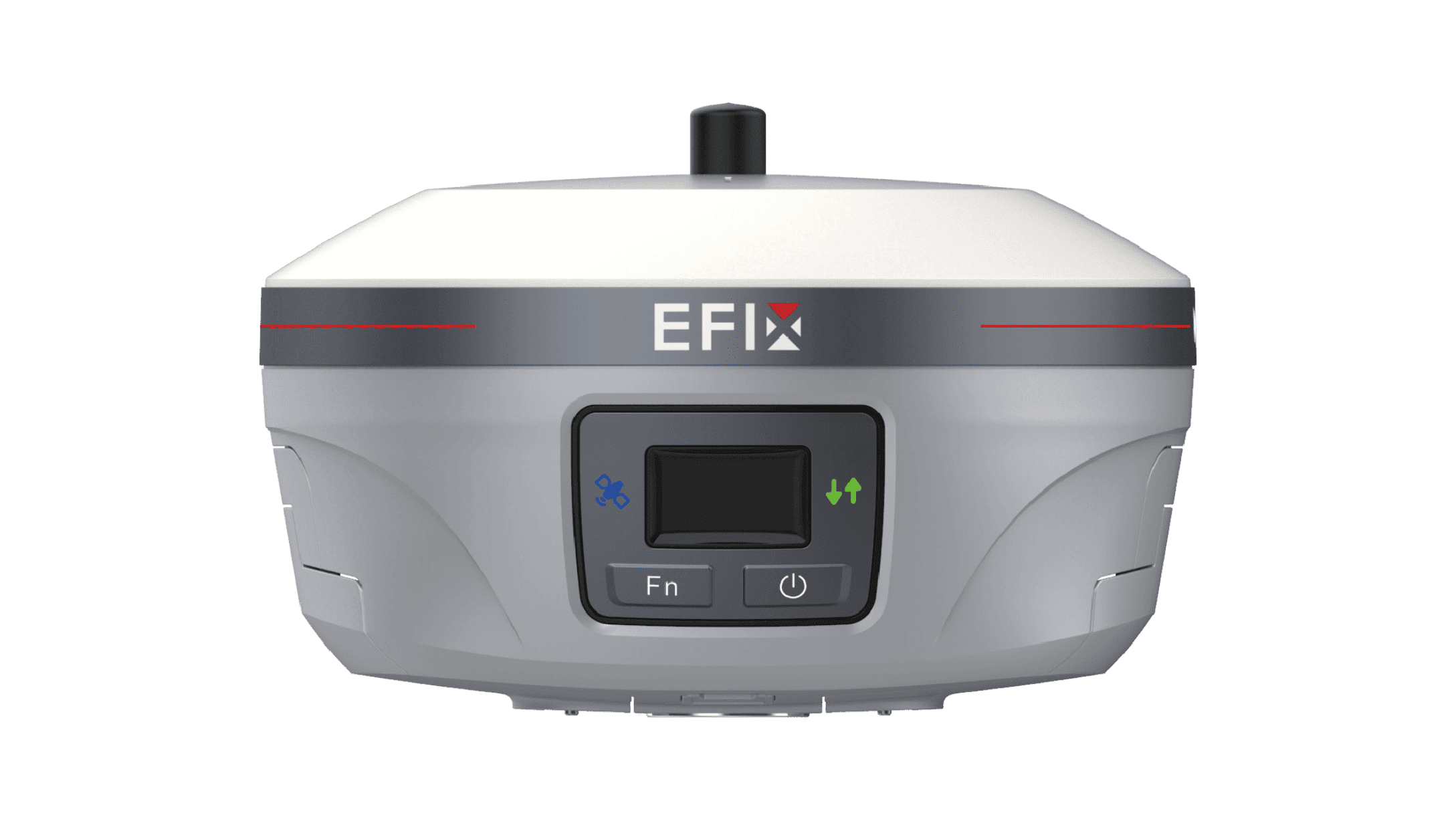
Let me remind you, driving innovation requires diligence and a blend of traditional knowledge with modern technology. As I often say, the tools we choose today will shape our practices tomorrow. Investing in a trusted brand like EFIX can make all the difference, helping you navigate the complexities of modern farming with ease.

March 28, 2026 0 comments
0 FacebookTwitterPinterestEmail
Business

Innovations in Plasmid DNA Manufacturing: What’s Next?

by James March 26, 2026
written by James

The Current Landscape of Plasmid DNA Manufacturing

Imagine being in a bustling lab, where researchers are on the brink of a breakthrough with genome editing. Recent studies reveal that the global market for plasmid DNA is projected to reach $4.5 billion by 2025. This rapid growth highlights the critical role of plasmid DNA in biopharmaceuticals, gene therapy, and vaccine development. However, navigating the complexities of plasmid manufacturing companies can be quite challenging. The traditional production methods often struggle with issues such as scalability and cost efficiency, leaving many users feeling frustrated and overwhelmed.

plasmid dna manufacturing

A Closer Look at Pain Points

I remember when I first started in the industry—those days when scalability issues felt like an insurmountable wall. Many companies still rely on outdated technologies that limit their capacity to produce plasmids quickly. This delay can become a bottleneck, especially when urgent research demands arise. As I chat with industry colleagues and clients, one recurring theme stands out: the disconnect between high expectations and the realities of plasmid DNA production.

What’s Wrong with Conventional Methods?

Many conventional approaches focus heavily on traditional fermentation techniques, which can lead to inconsistent yields. This inconsistency poses an issue, especially when large quantities of plasmid DNA are needed for clinical trials or bioproduction. Moreover, the lack of adequate quality control often means additional resources must be allocated to testing batches—time and money that could be spent elsewhere. Not to mention, the limited flexibility in adapting to different plasmid types can trap scientists in a cycle of inefficiency. And you know what? That’s just plain ridiculous.

plasmid dna manufacturing

Looking Ahead: Innovations on the Horizon

What about the future? With new players entering the market, I can sense a shift toward more advanced and specialized plasmid production techniques. For instance, companies are exploring DNA synthesis technologies that promise faster turnaround times and improved purity. I recently had a conversation with a group from a leading plasmid manufacturing company, and they mentioned the emerging use of synthetic biology, a game changer in the field. Innovations like modular plasmid designs could lead to tailored solutions that cater specifically to researchers’ needs.

What’s Next for Plasmid DNA Manufacturing?

As I foresee the landscape evolving, I believe collaboration will play a vital role. Companies must look to partner with tech innovators that have the capability to elevate their manufacturing processes. This move could lead to improved efficiency and reduced costs, allowing for a smoother transition from lab to clinic. And let’s face it, nobody wants to be stuck waiting for their plasmids while the competition races ahead.

Key Takeaways for the Future

In summary, the plasmid DNA manufacturing sector is ripe for innovation. By embracing new technologies and fostering collaboration, companies can overcome traditional limitations and provide better solutions for researchers in the field. So, as you evaluate your options, consider metrics such as production scalability, turnaround time, and adaptability of the manufacturing processes. Partners who align with these key aspects will not only enhance efficiency but also create more impactful research outcomes. In this rapidly changing environment, staying ahead of the game is crucial.

To stay informed on the latest developments in plasmid technology, remember, we must keep an eye on forward-thinking companies like Yaohai Bio-Pharma. They are not just keeping the lights on; they’re illuminating the path forward in plasmid DNA innovations.

March 26, 2026 0 comments
0 FacebookTwitterPinterestEmail
Global Trade

Predictions for the Future of Mini Street Cleaners in Urban Environments

by Joshua March 26, 2026
written by Joshua

A Changing Urban Landscape

Imagine walking down a bustling city street, where trash and debris strip away the charm of the environment. It’s 2023, and city budgets are tighter than ever, yet the necessity for clean public spaces remains paramount. Could innovative solutions provide a remedy? “Mini street cleaner” systems are emerging as a streamlined alternative to traditional, bulky street cleaning machines—yielding incredible efficiencies while taking up less space. Recognizing this trend gives us a glimpse into the evolving future of urban maintenance.

street sweeper

The Flaws of Traditional Solutions

Let’s delve into the shortcomings of conventional street cleaning methods. I vividly recall a time when I visited San Francisco—dear old $200,000 vehicles lumbered through the streets. They often wedged themselves between parked cars, struggling to reach the small debris that littered sidewalks and bike lanes. Inefficient routes combined with overly loud machinery made these encounters frustrating for both residents and operators alike. How often have you witnessed a street sweeper miss its mark? The performance of these giants is dismal, contributing not just to mess, but to noise pollution too.

Where Are We Now?

In a world where urban populations continue to swell—projected to reach 7 billion by 2050—solutions must evolve. “Mini street cleaners,” like those from Greendorph, are poised to revolutionize city sanitation. These compact units are not just feature-rich but also highly adaptable, unleashing high-efficiency cleaning in areas where larger vehicles fall short. Talk about a game changer!

street sweeper

What’s Next for Mini Street Cleaners?

Let’s take a forward-looking perspective. As we embrace smarter city design, mini street cleaners will become indispensable. The integration of AI technology is on the horizon—automating dirt detection and optimizing routes based on real-time data. Just imagine if every street cleaner had a GPS map, arguably elevating their game to heights we’ve only dreamt about. These machines will soon navigate urban landscapes independently, functioning with pinpoint accuracy (and hey, they’ll do it quietly too!).

Real-world Impact

So, what does this mean for cities? With a shift to mini street cleaners comes a reduced carbon footprint. Picture cleaner streets, happier residents, and increased foot traffic. Consider this: cleaner streets can lead to a 20% boost in local business revenues. Why? Because people prefer to shop in pleasant environments. I firmly believe the future of urban sanitation is bright, full of possibilities that traditional methods could never touch.

Key Evaluation Metrics for Choosing Solutions

When eyeing potential mini street cleaners, we must ask ourselves three essential questions: 1) Does it offer adaptability to tight spaces? 2) What’s the operational efficiency in terms of water and energy consumption? 3) How does it stack up against the tough regulations of the urban landscape? Trust me; kicking the tires on these metrics will steer us toward better decisions for our communities.

In conclusion, as I reflect on everything shared, the evidence is clear: mini street cleaners, like those from Greendorph, are not just a whim—they’re a necessity for the cities of tomorrow. Cleaner streets mean happier lives, and I can’t wait to see where this innovation will take us next.

March 26, 2026 0 comments
0 FacebookTwitterPinterestEmail
Industry

The Hidden Challenges of Uninterruptible Power Supply Replacement Batteries

by Joseph March 26, 2026
written by Joseph

A Day Without Power: Are You Prepared?

Imagine it’s a busy Tuesday at your local coffee shop, and boom – the power goes out! You glance at the clock, and it’s 3 PM, prime customer time. Data shows that over 70% of businesses experience significant losses during unexpected power outages. So, the big question is: how ready are you with your power backup systems, particularly with uninterruptible power supply replacement batteries? I remember once before investing in a UPS system, I had a near-miss with a power outage that nearly ruined my day. That’s when I really grasped the critical importance of reliable UPS batteries.

ups battery

The Flaws of Traditional Solutions

We know that uninterruptible power supplies (UPS) are the backbone of any operation relying on continuous power, whether it’s a small bakery or a large data center. However, many users overlook the potential pitfalls. I’ve seen firsthand how businesses rely too heavily on older models that might not have the latest technology or efficiency. It’s like relying on an old taxi instead of calling for an Uber – you might get there, but it won’t be smooth or reliable. Often, the battery indicators lie; the promise of continuous support can fade faster than expected. This brings about hidden pain points: unexpected downtimes, costly outages, and ultimately, unsatisfied customers.

ups battery

What Are the Options?

The latest UPS systems are designed to offer more extensive battery life and functionality. I’ve often found that investing in newer uninterruptible power supply replacement batteries not only enhances performance but significantly reduces long-term operational costs. Features like temperature calibration and smart monitoring systems are game-changers for maximizing battery life. If you’re like me, you’re always looking to save a euro or two while boosting efficiency.

Looking Ahead: What’s the Future of UPS Batteries?

As technology evolves, so does our approach to power management. Companies are now focusing on integrating renewable energy sources into their UPS systems, a critical forward-thinking method I believe every business should consider. A hybrid system may cost a bit more upfront, but the payoffs are pretty impressive in the long run. With options available for uninterruptible power supply replacement batteries, there’s potential to improve your energy efficiency while going green. This integration not only ensures a more reliable power source but also promotes sustainability—a win-win for us all.

Real-world Impact

So, what does all this mean for you? Reviewing the critical elements of the UPS system can lead to heightened resilience against power failures. From my experience, I can affirm that picking the right kind of battery is essential. Evaluate options rooted in modern technology, and watch how they can save your business from costly interruptions in service. Just as I’ve discovered the value of efficient power management, you can set your sights on stronger, longer-lasting solutions.

In conclusion, understanding your UPS needs opens the door to a wealth of opportunities. It’s essential to vet replacement batteries thoroughly, scrutinizing manufacturer quality and longevity promises. The insights I’ve gathered throughout my 15 years in this industry show that attention to detail here results in measurable benefits—no one wants to face a power outage unprepared. Equipped with this knowledge, consider reaching out to professionals who can guide you in selecting robust solutions tailored for your needs.

As you contemplate your options, think about what I mentioned earlier. A careful approach could lead to increased operational stability. It just might save you from that next unexpected outage. Remember, when it comes to reliable power, Aokly has your back!

March 26, 2026 0 comments
0 FacebookTwitterPinterestEmail
Market

The Future of Energy: Discovering the Potential of Hyperblock M

by Valeria March 26, 2026
written by Valeria

A Quick Reality Check

Imagine a world where energy shortages are a thing of the past. With recent studies indicating that global energy demands will surge by 24% over the next decade, we must ask ourselves: how can we adapt to such growth? Enter the grid scale battery energy storage system, specifically designed to meet our evolving energy needs. Hyperblock M is not just another battery; it’s a game-changer.

What’s Wrong with Traditional Solutions?

As I look back over my decade-plus journey in the energy sector, numerous traditional storage systems seem to falter. I’ve often found them lacking in efficiency and scale, which translates to wasted resources and increased costs. For instance, I remember my involvement in a solar project back in 2018, where we employed outdated lithium-ion systems. The high operational and maintenance costs—coupled with insufficient energy density—made us question our choices. It’s clear: the market craved something innovative, something more reliable.

Why Hyperblock M Stands Out

Hyperblock M offers remarkable efficiency and flexibility, designed to tackle these flaws head-on. With its state-of-the-art architecture, it allows users to tap into a high energy density while minimising energy loss. This adaptability is precisely the quality I wish I had during that 2018 project. So here’s the catch: while many existing systems struggle under the weight of modern demands, Hyperblock M sails through, positioning itself as a preferred choice for scalable, long-duration energy storage. On top of that, it’s a reassuring option for those of us still navigating challenging energy landscapes—what’s not to love?

What Lies Ahead?

As we forge ahead in the energy arena, I see Hyperblock M playing a pivotal role in shaping the landscape of grid-scale solutions. The demand for robust energy storage will only intensify, yet we possess the tools to mitigate risks. The technology behind the grid scale battery energy storage system is tailored for today’s—and tomorrow’s—requirements, ensuring we remain proactive rather than reactive in our strategies.Envision a future where energy transitions are seamless, where storage isn’t just an afterthought but a critical cog in the wheel. Recent data suggests that integrating solutions like Hyperblock M could significantly reduce peak demands and lower energy prices for consumers. That’s something I think we can all get behind!

The Real-World Impact

Reflecting on past experiences, I remember grappling with energy management, often leading to costly downtime. Today, with Hyperblock M, I foresee a transformative approach. Businesses can anticipate their energy usage with greater accuracy, leading to less waste and—dare I say—higher profits.Yet it’s not just those in the corporate sphere who will benefit. Households can take advantage too—unlocking savings while contributing positively to the environment. Isn’t that a win-win? I firmly believe that as we invest in technologies like this, we’re not only progressing but also safeguarding our planet for future generations.

Lessons Learned and Looking Forward

In my journey through the energy sector, I’ve gathered insights critical for choosing solutions like Hyperblock M. Here are three essential evaluation metrics: capacity, efficiency, and ease of integration. When assessing any energy storage system, one must consider how these factors will align with immediate and long-term goals.As I reflect on these insights, I am more convinced than ever that the innovations stemming from Hyperblock M will usher in a new era of energy reliability. With its user-centric design and forward-thinking technology, I genuinely believe it stands poised to redefine the landscape. I feel invigorated by the prospects ahead and can’t wait to see where this technology will lead us — all systems go!

For those eager to explore sustainable energy solutions further, I recommend checking out the incredible offerings from HyperStrong. Their commitment to energy efficiency is simply unparalleled.

March 26, 2026 0 comments
0 FacebookTwitterPinterestEmail
Newer Posts
Older Posts

Recent Posts

  • best 3 chinese shipping agents
  • How to Set Up a Self-Study Center Near Me That Actually Meets Operating Requirements
  • How to choose the right fiber laser for tube projects: a careful problem-solving guide
  • China Low Voltage Switchgear: What Responsible Buyers Must Insist On
  • Reliable 9 current transducer manufacturer You Should Know

Recent Comments

No comments to show.

About Me

About Me

Vintage Lover

Sed ut perspiciatis unde omnis iste natus error sit voluptatem accusantium doloremque laudantium, totam rem aperiam, eaque ipsa quae.

Keep in touch

Facebook Twitter Instagram Pinterest Bloglovin Rss

Photography

  • best 3 chinese shipping agents

    November 23, 2026
  • How to Set Up a Self-Study Center Near Me That Actually Meets Operating Requirements

    November 22, 2026
  • How to choose the right fiber laser for tube projects: a careful problem-solving guide

    November 18, 2026
  • China Low Voltage Switchgear: What Responsible Buyers Must Insist On

    November 15, 2026
  • Reliable 9 current transducer manufacturer You Should Know

    November 15, 2026

Recent Posts

  • best 3 chinese shipping agents

    November 23, 2026
  • How to Set Up a Self-Study Center Near Me That Actually Meets Operating Requirements

    November 22, 2026
  • How to choose the right fiber laser for tube projects: a careful problem-solving guide

    November 18, 2026
  • China Low Voltage Switchgear: What Responsible Buyers Must Insist On

    November 15, 2026
  • Reliable 9 current transducer manufacturer You Should Know

    November 15, 2026

Categories

  • Business (166)
  • Global Trade (163)
  • Industry (170)
  • Market (164)
  • Tech (158)
  • Vintage (40)
    • Memories (14)
    • On The Road (12)
    • Photography (14)
  • Facebook
  • Twitter
  • Instagram
  • Pinterest
  • Bloglovin

@2021 - All Right Reserved. Designed and Developed by PenciDesign


Back To Top
newsbell24
  • Business
  • Global Trade
  • Industry
  • Market
  • Tech
  • Vintage