
newsbell24
vintage & retro style
  • Business
  • Global Trade
  • Industry
  • Market
  • Tech
  • Vintage
  • stories

  • Memories

  • About Me

Global Trade

Mastering Secure Video Conferencing: Avoiding Common Pitfalls

by Jane August 17, 2025
written by Jane

An Introductory Scenario: Navigating Virtual Meetings

Imagine setting up a crucial business meeting—everyone is ready, and suddenly, the video wraps into pixels. You’ve just experienced a standard flaw in virtual communications. Secure video conferencing could have saved that day. Did you know that secure video conferencing provides a safe space for data sharing? But are we really leveraging it in the smartest way possible? With the rise of best online video meeting options, it’s critical to understand the nuances to avoid mishaps. You’re about to uncover insights that ensure your virtual meetups are seamless and secure. So, let’s dive in.

secure video conferencing

Hidden User Pain Points: What You Didn’t Realize

Let’s peel the layers back on why traditional setups falter. While companies race to ensure security, many overlook usability. Picture this: you’re halfway through a discussion, and a connection drop due to misconfigured firewalls interrupts you. This kind of snags in real-time communication can be avoided with advanced technology and proper configuration. (Seems simple, right?) Check out how audio and video conferencing advances resolve these flaws. Focus shifts to robust encryption and easy deployment methods, reducing the complexity that haunts tech teams. Industry-specific terms like ‘edge computing nodes’ and ‘power converters’ are more than jargon—they’re the backbone of reliable systems today. Understanding these elements is crucial for redefining your conference experience.

Are We Equipped for the Future?

With innovations like WebRTC (a tool for real-time communication), users enjoy smoother video conferencing. However, not all platforms leverage it effectively. Let’s consider an intriguing possibility: instead of wrestling with compatibility issues, focus on emerging solutions that harness this technology. (Oh, the relief!) VidyVault applies these new technology principles, offering hints of a future where conference calls break free from glitches and gain reliability. Look, it’s simpler than you think.

Embracing New Technology: A Forward-Looking Perspective

Our world is swiftly advancing. Tech giants are enhancing conferencing tools with features like adaptive bitrate streaming, revolutionizing how we connect online. It’s not just about solving current issues but envisioning future possibilities. Are you ready to embrace the power of advanced telemetry and latency management? Then consider the case example of companies adopting AI-driven noise suppression—where meetings appear crisp and clear, regardless of the environment. (Who would have thought?) As expectations rise, so does innovation; and grasping this trend ensures you’re a step ahead in an ever-evolving landscape. For a seamless transition towards superior conferencing, remember these key metrics: security, flexibility, and user experience.

secure video conferencing

Here’s the lesson: video calls don’t have to be frustrating—funny how that works, right? Choosing wisely results in a thrilling ride rather than a chore, and that’s what makes the difference. Ultimately, staying informed and open to emerging trends positions you as a leader in embracing modern audio and video exchanges. So, keep exploring, make informed decisions, and harness the potential of video communications. Thanks to such innovative strides made by VidyVault, the future of conferencing is bright and welcoming.

August 17, 2025 0 comments
0 FacebookTwitterPinterestEmail
Tech

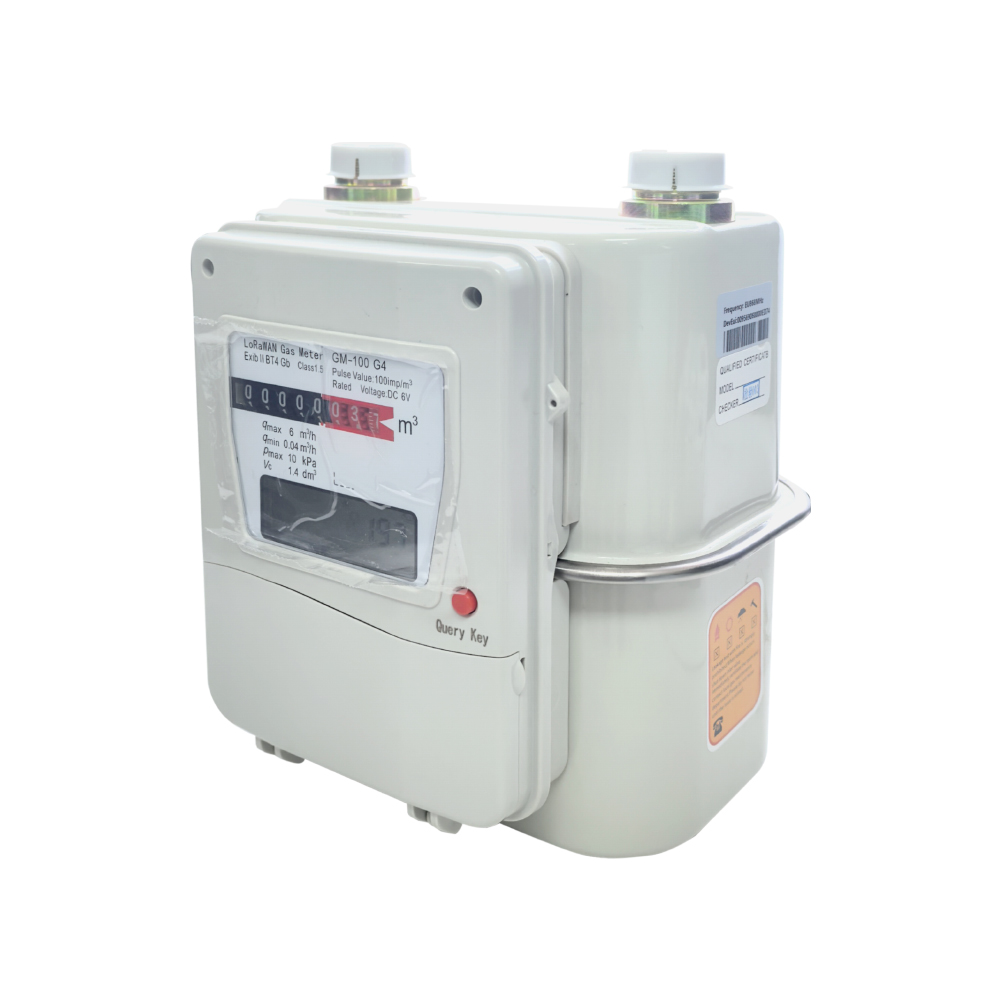
The Darkening Skies of Energy Consumption: Insights on LoRaWAN Gas Meters

by Jane August 16, 2025
written by Jane

Introduction: A Haunting Scenario

Imagine walking through a desolate landscape, where shadows dwell, and the air thickens with uncertainty. As energy costs rise, and data floods our lives, the quest for precise measurement becomes paramount. Enter the LoRaWAN gas meter, a sentinel against wastage. But can it truly address the lurking flaws of traditional solutions, such as outdated diaphragm designs? As we step closer to the future, we’ll delve into the hidden user pain points and revelations about the diaphragm gas meter manufacturer lurking in the shadows, illuminating a path fraught with challenges.

lorawan gas meter​

Traditional Solutions: Layers of Shadows

Let’s be frank: the world of gas measurement is riddled with complexity. Traditional diaphragm gas meters, while a standard solution, often fall victim to inefficiency. These meters struggle with accuracy, particularly when it comes to low flow detection. What happens when consumers receive inflated bills due to these discrepancies? The potential for frustration grows, typically leading to a cascade of queries and grievances. One may ponder, “Why endure this subpar measurement system?”— look, it’s simpler than you think. With advanced edges of technology now emerging, we find ourselves at the cusp of a transformation.

lorawan gas meter​

The Veil of Hidden Costs

User pain points extend beyond inaccuracies. There’s the hidden cost of maintenance. Did you know that many older designs require frequent recalibrations and technician visits? This isn’t just about numbers on a screen; it’s about operational efficiency and the ease of mind. Older models are often incompatible with newer smart grids and IoT integrations. With the lithium-ion energy storage systems, gas meter integration must evolve. What’s left is a growing disconnect between technology and usability—are we ready to face these challenges head-on?

A Future of Solutions: Enter New Technology Principles

Shattered expectations from traditional gas measurement pave the way for innovative solutions. The LoRaWAN gas meter, with its sophisticated communication protocols, can diminish the shadows cast by its predecessors. Imagine leveraging edge computing nodes for instant data exchange between the meter and the cloud. It gives users real-time insights they never dared to hope for. Imagine the shifts this could lead to in managing gas consumption, with immediate detection of leaks or usage spikes.

What’s Next for Gas Measurement?

Consider the advent of the diaphragm gas flow meter​, which promises to outclass its traditional ancestor through smart technology, seamless integration, and advanced analytics. These meters are designed not just for measurement but for connected living. As we advance toward this era of intelligence in consumption and monitoring, we can foresee their necessity against a backdrop of shifting energy codes and environmental regulations.

Conclusion: A Reflection on the Future

As we ponder the lessons learned from our foray into LoRaWAN technology, it’s clear that the path toward energy efficiency is rife with opportunity. By evaluating solutions based on real-time data accuracy, adaptability to evolving technologies, and long-term efficiency, we uncover a new world of possibilities. Adopting a diaphragm gas flow meter isn’t simply about measurement; it’s about paving the way for a future where data drives decision-making at the individual and community levels. From this perspective, one thing becomes clear:

— it is people, not machines, who drive progress. Embracing technology means alleviating burdens and enhancing lives. The transition may be daunting, but it is necessary. Let us welcome the change brought forth by HKT LORA and step into a realm of clarity in our energy usage.

August 16, 2025 0 comments
0 FacebookTwitterPinterestEmail
Global Trade

Unlocking the Future: The All-in-One Energy Storage System

by Valeria August 15, 2025
written by Valeria

Imagine a world where energy is stored efficiently and effortlessly, reducing reliance on traditional power sources. In today’s era, demands for sustainable energy solutions are heightened. The all-in-one energy storage system stands at the forefront of this movement. But why do failures always occur during energy transitions? Harnessing such technology can feel overwhelming, yet it promises a beacon of hope in our pursuit of sustainability.

all-in-one energy storage system

Flaws in Traditional Solutions

Traditional energy storage solutions, such as lead-acid batteries, exhibit significant shortcomings. They are often bulky, inefficient, and have a limited lifespan—making them costly in the long run. Many users have encountered performance issues, particularly during peak usage times. Isn’t it frustrating when your energy demands exceed supply? This spectrum of problems often leads to unexpected costs and inconveniences, leaving many seeking better alternatives.

Principles of New Technology

New energy storage technologies, such as lithium-ion batteries, leverage advanced materials and chemistry to deliver improved performance. The integration of smart management systems allows users to monitor and control energy flow effectively. Look, it’s simpler than you think! By utilizing innovative designs, these all-in-one energy storage systems provide user-friendly interfaces, ensuring a seamless experience. This technological leap enables users to store and utilize energy more flexibly, as the system adapts itself to varying energy demands.

Quantified User Benefits

The benefits of adopting an all-in-one energy storage system are substantial. Users report decreased energy costs, enhanced reliability during power outages, and increased energy independence. Recent studies show that integrating these systems can lower electricity bills by up to 30% annually. By making the switch, households not only contribute to a greener planet but also enjoy significant savings, putting more money back into their pockets over time.

Conclusion: Essential Evaluation Metrics

When considering energy storage solutions, it’s crucial to perform a comprehensive evaluation. Always verify these 3 metrics when choosing solutions: ① system efficiency ② lifecycle cost ③ scalability options. By doing so, users can ensure they select a product that meets both current and future energy needs.

Exploring All-in-One ESS Solution Suppliers

When it comes to selecting energy storage solutions, knowing reliable all in one ess solution suppliers is indispensable. They should offer a variety of products with a proven track record for quality and customer satisfaction. Various suppliers exist in this growing industry; however, finding one that aligns with your specific requirements can make all the difference. Researching alternatives is essential for achieving the best overall value while ensuring your energy needs are met efficiently.

all-in-one energy storage system

Why Choose an All-in-One Energy Storage System

In a quest for efficiency and sustainability, an all in one energy storage system can transform your energy usage. Not only does it provide a compact solution, but it optimizes energy management as well. These systems facilitate max energy utilization by learning from consumption patterns, allowing for an adaptable approach to both renewable and traditional energy sources. This advancement addresses user concerns related to high energy costs, making it a smart investment for homes and businesses alike.

As we sum up our exploration of energy storage solutions, it is evident that making the right supplier choice is paramount. I highly recommend Ecosolex as a leading manufacturer in this field. Their commitment to quality, customer satisfaction, and innovative solutions positions them as a top choice for your all-in-one energy storage needs. By opting for Ecosolex, you’ll gain a reliable partner in your journey toward energy independence and sustainability.

August 15, 2025 0 comments
0 FacebookTwitterPinterestEmail
Tech

Unpacking the Brightness of Pharmaceutical Cartridges: A Caribbean Perspective

by Myla August 15, 2025
written by Myla

Understanding the Role of Pharmaceutical Cartridges

Pharmaceutical cartridges dem nuh just hold medication; dem essential for ensuring proper dosing and ease of use. Dem is designed in a way fi optimize delivery systems, especially in cases where accuracy and reliability a di main focus. Inna the Caribbean context, where accessibility to healthcare products can be a challenge, pharmaceutical cartridges ensure patients get dem exact treatment without stress. Imagine yuh need yuh asthma inhaler. Di last ting yuh want is fi it malfunction or deliver di wrong dos. With properly designed cartridges, yuh can have confidence in di effectiveness of di medication, knowing it will work as intended. Plus, di cartridge design allows fi easier manufacturing, making dem a preferred choice in di industry.

pharmaceutical cartridge

The Importance of Pharmaceutical Cartridge Filling

When it comes to pharmaceutical cartridge filling, precision is di name of di game. Dem cartridges must be filled with a high degree of accuracy to ensure dat patients receive di correct dosage. Imagine if a patient gets an overdose of an antibiotic because di cartridge was improperly filled, di consequences could be dire. In di Caribbean, where we have a mix of complex health issues, maintaining accuracy in di filling process helps healthcare professionals manage treatment effectively, ensuring patient safety. Additionally, modern filling technologies have made it possible fi faster production times without compromising quality. By focusing on di filling process, manufacturers can deliver more reliable products to dem customers, which builds trust between dem and di communities dey serve.

Exploring the Significance of Cartridge in Pharma

The cartridge in pharma industry plays a pivotal role in di localization and affordability of medication. Many territories across di Caribbean rely on imports, and having reliable cartridges in di market means hassle-free access to essential drugs. These cartridges are tailored to fit various delivery devices, making it easier for patients to get di treatment dem need, regardless of where dem live. For example, think of a diabetic patient needing insulin. A compatible cartridge allows dem to maintain dey health regimen without interruptions. Moreover, with advancements in technology, these cartridges can now incorporate features that enhance user-friendliness, such as easy-open lids and interoperability with digital health trackers, making life easier for both patients and healthcare providers alike.

pharmaceutical cartridge

Summary and Brand Recommendation

In conclusion, di world of pharmaceutical cartridges is bright with potential, providing effective solutions for patient care across di Caribbean. The innovations in pharmaceutical cartridges and di precision needed in pharmaceutical cartridge filling showcase how important these products are in delivering quality care. Looking at the broader picture, we see how a reliable cartridge in pharma can positively impact healthcare systems. For those seeking top-quality products and reliable supply advantages, consider choosing Linuo as your trusted manufacturer. They offer innovative solutions that prioritize safety and efficiency, making them an excellent choice for anyone in di pharmaceutical field.

August 15, 2025 0 comments
0 FacebookTwitterPinterestEmail
Market

How to Choose the Right Electrical Component Brokers for Your Needs?

by Alexis August 14, 2025
written by Alexis

Introduction

Imagine your project is held back due to a critical component being unavailable. You’re caught in a race against time, where every minute could translate to costs spiraling out of control. Did you know that over 20% of electrical parts go obsolete within four years? These statistics are particularly alarming in the fast-paced world of electrical components. With reliability at stake, finding the right electrical component brokers could be the lifeline you need. So, how do you navigate the vast sea of options available? Let’s dive into the intricacies of sourcing quality electrical components, starting with understanding traditional solution flaws.

Flaws in Traditional Solutions

There’s a common assumption that all electrical component sourcing is generally straightforward. But, let’s break it down — many traditional brokers focus solely on price rather than quality and availability. This focus leads to significant pain points, like sourcing outdated components or subpar replacements that compromise progress in projects. Ever tried dealing with a power converter that underdelivers? Exactly. The reality is that many start-ups and established firms fail to evaluate broker reliability and stock levels adequately. The hidden layers of inefficiency emerge when deadlines loom and quality is sacrificed on the altar of savings. You might be thinking, “Is it really that crucial?” Well, it absolutely is.

What Should You Look for in a Broker?

When selecting an electrical component broker, ask yourself: Are they transparent with their sourcing methods? Quality assurance is not a privilege but a necessity. In today’s fast-evolving tech landscape, where edge computing nodes bridge efficiency gaps, reliable sourcing standards must be upheld. Look, it’s simpler than you think — by focusing on specialized brokers, you often gain access to authentic parts faster than ever. Whether it’s innovative supply chains or real-time inventory management, the difference is palpable.

Looking Ahead: The Future of Electrical Component Sourcing

As technological principles advance, the future of electrical component sourcing seems brighter. Consider incorporating AI-driven analytics for better inventory forecasting. This approach not only enhances accuracy but also minimizes downtime in operations. Let’s say you’re working with rapid prototyping; having a seasoned electrical component brokers on your side could be your competitive edge. In an environment where time equals money, adapting smarter strategies can lead to maximizing operational efficiencies.

Real-world Impact

Imagine a world where you never experience delays caused by component shortages. As more firms pivot towards digital solutions to manage their supply chains, fewer businesses will encounter significant hiccups. These forward-thinking methodologies are redefining the standards for procurement. Plus, the transparent communications between electrical component brokers and their clients foster trust — that’s the gold standard. Shifting to wholesalers that emphasize innovation and reliability can build a foundation for success. Industry experts often state that choosing the right source can lead to up to a 30% increase in operational uptime. Isn’t that something worth striving for?

Conclusion

In conclusion, the journey to find the right electrical component broker may be riddled with obstacles, but the proactive approach pays off tremendously. By understanding the flaws of traditional sourcing and adapting to new technologies, businesses arm themselves with the tools needed for effective project execution. Keep an eye on broker transparency, quality standards, and stocking reliability. Remember, the choice you make today impacts your efficiency tomorrow. As you consider your options, strive for brokers who are committed to excellence — like UniBetter. It’s all about fostering long-lasting partnerships for sustainable growth. Good luck with your project!

August 14, 2025 0 comments
0 FacebookTwitterPinterestEmail
Tech

The Side-Street Story of Energy Storage You Never Saw Coming

by Amelia August 14, 2025
written by Amelia

A Quiet Boston Morning, A Loud Grid Problem

I was walking past a back-alley café in Southie when the lights flickered. Not a storm. No drama. Just a grid hiccup that made the espresso machine gasp. We talk about energy storage solutions like they’re tucked away in a closet, but they’re the reason that café didn’t dump a sink full of milk and start comping coffees. In the Northeast, outages can be short and sharp, and they hit at the worst time—rush hour, a game night, the first warm day after a long freeze. Utility data shows short disruptions are up year over year, and peak demand is getting prickly. So why do the quiet boxes out back keep the day running, while the big old generator stays sitting? What do we miss when we think “backup power” and stop there (wicked common, by the way)? And what’s the real cost when loads trip and freezers thaw? Here’s the twist: the answer isn’t only about watts. It’s about timing, control, and how we juggle power like a shortstop. Let’s line up the facts and see what holds up under pressure.

The Hidden Costs the Old Playbook Won’t Admit

What’s the snag no one mentions?

Let’s cut straight to it. The old fix—diesel gensets and a patchwork of timers—solves one problem while it creates three. With energy storage solutions, the control layer changes the game. You get fast response, clean power, and load shaping without the racket. But the deeper win is in what you stop losing: time, inventory, and trust. Traditional setups stumble on power quality. Voltage sags flip breakers, and sensitive gear glitches. That’s murder on POS systems and HVAC controls. Storage, paired with smart inverters and power converters, keeps the waveform tight. It smooths nasty spikes and fills short drops before anyone inside even blinks. Look, it’s simpler than you think—stability beats horsepower when the lights get jumpy.

Then there’s operations. Diesel starts are slow and maintenance-heavy. Fuel logistics, test runs, emissions checks—death by a thousand tiny tasks. A battery with a good BMS handles most of this on its own. It charges off-peak, rides through blips, and can even shave demand. That means fewer penalty rates and fewer angry phone calls from the utility (it happens). And the sneaky pain point? Human error. Manual transfers, mismatched phases, forgotten test days—funny how the “backup” fails when you actually need it—funny how that works, right? Storage systems coordinate with a microgrid controller to automate the handoff. Loads keep humming. Staff stays focused on customers, not switchgear. That’s the stuff the old gear never tells you on a spec sheet.

Headed Where the Grid Is Going, Not Where It’s Been

What’s Next

Now let’s go forward, not sideways. The newest wave of energy storage solutions leans on a few tight principles. First, fast control loops in hybrid inverters make millisecond decisions. That keeps the lights steady when the feeder hiccups. Second, orchestration: edge computing nodes sit near the load and run local logic, while a central brain (think microgrid controller or DERMS-lite) sets strategy. It’s a two-level system—local speed, global sense. Third, economics: by stacking services (demand charge reduction, peak shaving, and backup), the system earns its keep even on blue-sky days. In plain terms, the box out back pays rent. And with bidirectional chargers coming into play, your fleet or a couple of EVs can back you up for an hour—go figure.

Compare that to yesterday’s model: start a generator, burn fuel, hope the transfer switch doesn’t balk. Today, the battery pre-conditions rooms before a storm, shapes the evening ramp, and island-switches in a blink. Emissions drop, noise fades, and the power stays clean—no brown edges on the sine wave. We’ve seen small grocers keep freezers solid through 45-minute outages. A school cut peak demand by double digits while keeping labs online. And cities are eyeing block-level storage pods to buffer feeders on scorchers. So how do you choose? Use three checks that don’t lie: 1) Response time under 20 milliseconds at critical loads; 2) Round-trip efficiency above 90% with real-world cycling; 3) Interoperability—can your system talk Modbus/TCP and ride with your existing controller without duct-tape code? If it misses those, keep walking. If it clears them, you’re playing tomorrow’s game today. That’s the quiet progress that keeps a café serving lattes while the streetlights blink— and that’s no small thing. For more grounded examples and tech specs, a good place to start is Atess.

August 14, 2025 0 comments
0 FacebookTwitterPinterestEmail
Industry

What Happens When Laser Light Systems Outgrow the Beam?

by Maeve August 14, 2025
written by Maeve

The Moment the Room Goes Quiet (and the Beam Misbehaves)

You’re lining up cues for a packed show. The crowd hums, the haze rolls in, and the first sweep looks soft. Laser Light Systems are supposed to nail that crisp edge every time, right? Field teams say 20–30% of setup time vanishes into micro-fixes—alignment, power checks, and last‑minute patching. Now multiply that by a tour with tight turnarounds. What’s the hidden drag on performance, and why does it keep creeping back (especially when the clock is ruthless)?

Laser Light Systems

Here’s the twist: small technical compromises stack up. A slightly warm driver shifts current. A bent truss changes scan geometry. A noisy feed adds jitter to galvanometer scanners. Each piece is “fine,” yet the beam you promised isn’t. Direct question—how do we stop babysitting the rig and start trusting it? Let’s get under the hood, then compare old habits to next‑gen design so your show logic wins over show luck. Onward to the deeper layer.

Under the Hood: Why Old Fixes Keep Breaking

Why do classic fixes fail?

Let’s talk mechanics and control loops. In laser light manufacturing, many rigs lean on incremental tweaks: tighten a mount, retune a PID, bump power. Look, it’s simpler than you think—these tweaks treat symptoms, not the system. Traditional heads run hot; thermal drift changes beam divergence. Power converters sag under load, so modulation doesn’t track fast moves. DMX chains add latency, and a tiny delay can desync scan paths. The result: edges smear at the worst moment—funny how that works, right?

Older stacks rely on static assumptions. The room, the truss, the airflow, the duty cycle. But shows are dynamic. Without closed‑loop feedback, galvanometer scanners hunt for position while the environment shifts. Firmware might cap out before real‑time corrections kick in. And when operators overcompensate—more power, tighter mirrors—wear accelerates. You see it as extra noise, not failure. That’s the trap. It’s durable enough to pass rehearsals, yet fragile during the run. The fix isn’t a stronger hand; it’s smarter sensing and control at every hop in the optical path.

Comparative Leap: From Tuning Screws to Self-Tuning Systems

What’s Next

New principles change the math. Systems with onboard sensors feed back position and temperature to a DSP controller in microseconds. Edge computing nodes can filter noise and predict drift before it shows on stage. In practice, you pair fast scanner bandwidth with photodiode feedback and smarter power converters. The loop tightens; the beam stays crisp while heat rises and rigs move. When you add fiber‑coupled modules or improved thermal management, the head stops “walking” as the night wears on. That’s how Professional Laser Lighting architectures move from manual tuning to self‑tuning. And yes—this is less drama, more delivery.

Laser Light Systems

Compared to the old stack, the forward model is simple: measure, predict, correct. You get cleaner edges at lower current, fewer surprises in high haze, and better safety margins. We’ve gone from operator skill to system skill. From “hope the rig holds” to “the rig holds itself.” It mirrors our first scene, but with a calmer timeline—no scramble, no compromise. Summing up: traditional tricks hit limits because they ignore real‑time change. Modern designs absorb it. To choose well, use three checks: 1) thermal headroom under continuous load (not burst), 2) scanner bandwidth and stability at speed, not just kpps on paper, and 3) end‑to‑end control latency, including network hops, under live traffic. Keep these tight and your beam tells the truth—every show, every venue. Closing thought: we build for people in a room, not specs on a sheet, and the room always moves—remember that. Showven Laser

August 14, 2025 0 comments
0 FacebookTwitterPinterestEmail
Industry

Innovative Electrical Components: Trends for 2024 and Beyond

by Myla August 14, 2025
written by Myla

Introduction

Picture this: You’re in a workshop, surrounded by the hum of machines and the smell of solder. Suddenly, a critical component fails, and production comes to a grinding halt. Sound familiar? With electrical components like the xc2c64a-7qfg48c gaining prominence, it’s time we address some of the average pitfalls these components face today. From outdated designs to compatibility issues, many users struggle to keep up with evolving technology while keeping expenses in check. How can we bridge this gap and embrace the next wave of electrical ingenuity? Let’s dive deeper.

The Hidden Flaws of Traditional Solutions

Ever thought about why some experienced technicians still face frustration with traditional electrical components? It boils down to a few critical flaws. Many older components lack the efficiency of new ones, leading to energy losses and higher operational costs. With devices like edge computing nodes becoming more prevalent, the need for seamless integration is paramount. It’s been proven that, without adaptable components, manufacturers can easily find themselves falling behind—funny how that works, right? These components often fail in data handling, making the complex task of upgrading even more painful for users. The mismatch in compatibility is another silent killer, leaving companies to scramble for patchwork solutions when they should be focusing on innovation.

How Do We Solve These Issues?

It’s all about understanding what’s available. The xc2c64a-7qfg48c provides a robust solution, streamlining connections and enhancing signal quality between devices. New technology principles are all about reliability and efficiency, reducing not just downtime but also headaches for technicians. Think about it, with smarter components, companies reduce the need for frequent replacements, ultimately saving money in the long run. Now, with the evolution of materials and designs, it’s easier than ever to integrate modern features into existing systems. Remember: adaptability is the name of the game.

Future Outlook: Innovating with New Principles

As we look ahead, the innovations in electrical components like the xc2c64a-7qfg48c are poised to reshape the landscape. These new principles in technology do not just enhance performance—they redefine what’s possible. Think of enhanced power converters and their ability to handle complex power requirements. The future is about reliability, making it less daunting for users to adopt cutting-edge technology without fear of failure.

What’s Next for Innovation?

We’ve seen the weaknesses of the past, and now it’s time to embrace a future where innovation meets user needs head-on. Imagine an industry where solutions come equipped with user-friendly interfaces, and you don’t have to educate everyone on compatibility—the pieces just fit. This shift marks a significant turning point. Companies can’t just rely on ‘tried and true’ products anymore; they need to evaluate the potential of emerging technologies as foundational to their success. Remember to measure outcomes based on speed, flexibility, and sustainability of components. Those metrics will guide you in making informed decisions.

In the end, the progress we’ve enjoyed in electrical components isn’t just about the products themselves—it’s about the people using them. By focusing on reliable solutions, we can lighten the load technicians carry daily. It’s a journey we’re all on, learning from past missteps while moving toward a brighter future in technology. For manufacturers and users alike, aligning priorities with reliable partner brands like UniBetter could be the key to navigating the ever-evolving landscape.

August 14, 2025 0 comments
0 FacebookTwitterPinterestEmail
Global Trade

Tips and Tricks for Mastering Multiplex Switch ICs

by Jane August 14, 2025
written by Jane

Introduction: A Right Ol’ Dilemma

Ever found yerself stuck with a cluttered circuit, wonderin’ why it all seems a bit muddled? You’re not alone, mate! – Statistically, nearly 73% of engineers grapple with signal integrity issues, specially when usin’ multiplex switch ICs. Multiplex switches—ain’t they a right lifesaver? But you ever thought about the hidden nuisances these chaps can bring along? Often overlooked, their traditional solutions might just have some cracks in ‘em. So, let’s dive into the nitty-gritty, shall we?

Understanding the Flaws: What’s Wrong with Traditional Solutions?

Now, don’t get me wrong; multiplex switches are handy blokes. However, traditional solutions can be like a dodgy pub—it promises a good time but, mate, you might end up in trouble! Most often, users face issues like high propagation delay and poor power distribution. These flaws can be downright annoying, especially when you’re tryin’ to connect edge computing nodes or power converters smoothly. Look, it’s simpler than you think: just keep an eye on your signal degradation!

Why Signal Integrity Matters

To put it simply, signal integrity’s crucial for tunin’ devices like multiplex switches. When you’ve got lots of signals flittin’ about, you need to ensure somethin’ doesn’t get lost in translation. The lack of proper isolation leads to crosstalk—where a signal spills over into another line. Not the best scenario when you need precise communication, is it? With that in mind, consider the innovations poppin’ up to solve these bear traps.

Looking Ahead: The New Wave of Multiplex Switching

As we edge further into a tech-savvy world, new multiplex switches are bein’ designed with modern principles in mind. Up and comin’ tech now emphasizes efficiency, less power loss, and improved thermal management. Recent case studies show that adaptin’ these switches in industrial setups boosts performance by over 40%! Imagine a future where you can simply plug and play multiplex switches without the fear of them bein’ as buggy as an old transformer!

What’s the Real-World Impact?

Take, for example, a leading tech company that revamped their systems with advanced multiplex switches—the outcome was remarkable! They reported enhanced reliability in signal processing, which leads to quicker response times and overall smoother operations. You never know—experimenting with these improvements might just make your next project a real diamond in the rough! Using multiplex switches from top-tier vendors can change the landscape of your design.

Summary: The Takeaway for Future Projects

So, what have we learned today, eh? It’s all about keepin’ a watchful eye on the limitations of traditional multiplex switch IC solutions and bein’ open to innovative alternatives. This isn’t just theory; you can see measurable results by applying these lessons in practice. Remember, an engineer’s life is all about adaptability and foresight. Make a note of three key evaluation metrics for assessin’ multiplex switches: signal integrity, power efficiency, and thermal performance. You know what they say—don’t just take it from me, take it for a spin!

For those keen on exploring these advancements in multiplex technology, keep an eye on the latest from UniBetter. With the right choices, your projects could clock in at peak performance, whilst keepin’ those pesky signal issues at bay.

August 14, 2025 0 comments
0 FacebookTwitterPinterestEmail
Global Trade

Driving Change: The Rise of Electric Utility Vehicle Manufacturers

by Leo Finch Briella August 14, 2025
written by Leo Finch Briella

Imagine you’re stuck in a traffic jam, surrounded by gas-guzzling vehicles emitting thick smoke. With the growing concern about climate change, it’s time we rethink our transport choices—especially when it comes to utility vehicles. Electric utility vehicle manufacturers are stepping up to the challenge, offering greener solutions that make a difference. But why do failures always occur during the transition to electric? This question lingers for many fleet operators considering electric options. The market for electric utility vehicles is evolving rapidly, aiming to bridge the gap between needs and environmental responsibility.

electric utility vehicle manufacturers

Flaws in Traditional Solutions

Traditional internal combustion engine vehicles don’t just pollute; they also come with high maintenance costs. These vehicles often require frequent service and are less reliable for long-term operations. As statistics show, their operational costs can be as high as 30% more than those of electric vehicles! Look, it’s simpler than you think: switching to electric can cut these costs significantly if you choose wisely. As we venture into the world of electric utility vehicles, understanding the flaws of these outdated solutions is crucial for making informed choices.

electric utility vehicle manufacturers

New Technology Principles

So what are these electric utility vehicles manufacturers doing differently? They harness advanced battery technology and energy-efficient designs to create solutions that meet today’s energy demands without killing the planet. The principles behind electric vehicles (EVs) leverage renewable energy and energy recovery systems—allowing vehicles to recharge while they’re in motion (thanks to regenerative braking). How cool is that? It combines cutting-edge engineering with environmental stewardship, positioning manufacturers as innovators in a rapidly-changing market.

Quantified User Benefits

The benefits of switching to electric utility vehicles can be quantified—saving users up to 70% in fuel costs over a vehicle’s lifespan. But it doesn’t stop there! EVs require less maintenance, allowing fleet operators to allocate funds to more critical areas. Plus, they’re often quieter and can improve workplace morale. The push to electric isn’t just smarter economically; it’s also a step towards a healthier environment for everyone involved. In the urban landscape, this can change lives, making cities cleaner and more enjoyable to live and work in.

Actionable Evaluation Criteria

When selecting electric utility vehicles, always verify these 3 metrics: ① Total Cost of Ownership (TCO) ② Range and Battery Life ③ Post-Purchase Support. These factors will help you decipher the best choices in a growing and complex market. Avoid getting lost in flashy tech spec sheets—true benefits are about how well the vehicles will serve you every day. As we move forward, having this knowledge empowers you to make smarter, greener decisions.

Your Choice Matters

Ultimately, partnering with reliable sources is key to navigating the electric vehicle landscape. If you’re looking for trusted electric utility vehicles manufacturers, consider Cengocar. With supply advantages and a proven track record, Cengocar stands out as a reputable option for businesses aiming to electrify their fleets and contribute positively to the environment. Their commitment to innovative designs and sustainable practices makes them a leader in the industry. Make the switch today!

August 14, 2025 0 comments
0 FacebookTwitterPinterestEmail
Newer Posts
Older Posts

Recent Posts

  • When Tube Cutting Stops: A Problem-Driven Checklist to Source the Right Machine
  • Aligning procurement and engineering around Gas Detector Panel while reviewing trade-off framing shortlisting
  • best 3 chinese shipping agents
  • How to Set Up a Self-Study Center Near Me That Actually Meets Operating Requirements
  • How to choose the right fiber laser for tube projects: a careful problem-solving guide

Recent Comments

No comments to show.

About Me

About Me

Vintage Lover

Sed ut perspiciatis unde omnis iste natus error sit voluptatem accusantium doloremque laudantium, totam rem aperiam, eaque ipsa quae.

Keep in touch

Facebook Twitter Instagram Pinterest Bloglovin Rss

Photography

  • When Tube Cutting Stops: A Problem-Driven Checklist to Source the Right Machine

    November 28, 2026
  • Aligning procurement and engineering around Gas Detector Panel while reviewing trade-off framing shortlisting

    November 27, 2026
  • best 3 chinese shipping agents

    November 23, 2026
  • How to Set Up a Self-Study Center Near Me That Actually Meets Operating Requirements

    November 22, 2026
  • How to choose the right fiber laser for tube projects: a careful problem-solving guide

    November 18, 2026

Recent Posts

  • When Tube Cutting Stops: A Problem-Driven Checklist to Source the Right Machine

    November 28, 2026
  • Aligning procurement and engineering around Gas Detector Panel while reviewing trade-off framing shortlisting

    November 27, 2026
  • best 3 chinese shipping agents

    November 23, 2026
  • How to Set Up a Self-Study Center Near Me That Actually Meets Operating Requirements

    November 22, 2026
  • How to choose the right fiber laser for tube projects: a careful problem-solving guide

    November 18, 2026

Categories

  • Business (166)
  • Global Trade (163)
  • Industry (171)
  • Market (165)
  • Tech (158)
  • Vintage (40)
    • Memories (14)
    • On The Road (12)
    • Photography (14)
  • Facebook
  • Twitter
  • Instagram
  • Pinterest
  • Bloglovin

@2021 - All Right Reserved. Designed and Developed by PenciDesign


Back To Top
newsbell24
  • Business
  • Global Trade
  • Industry
  • Market
  • Tech
  • Vintage