
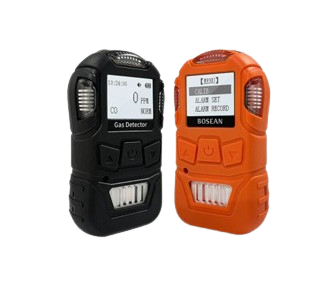
Which details matter when assessing Gas Detector Panel against assumptions shortlisting?
For sourcing analysts, assessing a gas detector panel should begin with the assumptions behind the purchase, not with a broad feature list. The aim is to define what the panel must demonstrate, identify which evidence applies to that requirement, and record what remains unresolved. This approach makes early comparisons more consistent without turning limited product information into a conclusion about project suitability.
Set criteria before comparing candidates
Start by writing the decision context in plain language. A useful shortlist may need to distinguish the number of connected channels, signal interfaces, alarm functions, installation constraints, documentation needs, and commercial conditions. These are not interchangeable criteria. A panel can appear strong in one area while offering no relevant evidence for another.
Separate requirements into three groups:
- Required: a condition that must be addressed before the option can remain in the shortlist.
- Preferred: a useful characteristic that may influence the ranking but does not decide it alone.
- Unresolved: a point that cannot yet be assessed from the available material.
This classification prevents assumptions from hiding inside a score. It also gives the sourcing team a practical way to explain why a candidate is being considered without implying that every project condition has been confirmed.
Review evidence by requirement
Build a comparison table with one row for each requirement and separate columns for the stated evidence, its source, the applicable model or scope, and the resulting status. Use labels such as “stated”, “partly addressed”, and “not established”. Avoid filling an empty cell with a favourable interpretation. An absent detail is a reason to keep the point open, not evidence that the requirement is met.
Scope is especially important. Information about a product family should not automatically be treated as information about a particular model. Likewise, a catalogue description should not be expanded into a claim about certification, site suitability, safety outcomes, or configuration details that are not listed. The comparison should preserve the boundary of the source material.
Use the product page as a bounded anchor
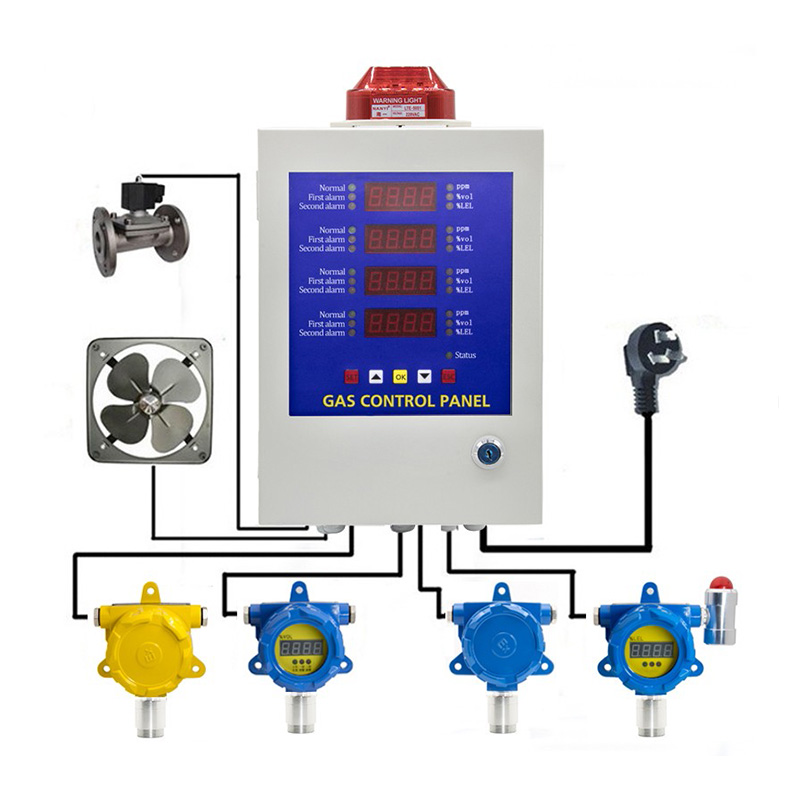
A concrete catalogue example can show how this method works. The Bosean BH-50 page lists single-, two-, and four-channel configurations, 4–20 mA and RS485 input, and integrated sound and light alarms. Those details can populate corresponding rows in a comparison table. They should remain attributed to that page and model; they do not, by themselves, establish a complete system design or a result in a particular facility.
That distinction matters when the gas detector panel is compared with a project brief. The brief may contain requirements that are not represented in the cited product description. A disciplined analyst records the overlap, keeps unrelated requirements separate, and avoids treating the listed features as proof of a wider capability. The purpose of the anchor is to demonstrate evidence handling, not to turn a short specification into a general product verdict.
Keep trade-offs visible
Shortlisting often involves competing priorities. More channels may align with one scope, while a simpler configuration may be easier to compare for another. Different signal inputs may matter depending on the stated interface requirements. Alarm features may be relevant to the review, but their presence should not be converted into an unsupported claim about performance or operational outcome.
Record each trade-off beside the requirement it affects. For example, note whether a characteristic addresses a stated need, supports a preference, or simply adds information without changing the decision. This keeps the analysis proportionate. It also helps different reviewers see which assumptions are driving the shortlist rather than debating an undifferentiated feature count.
Create a repeatable decision record
A concise decision record can follow five steps:
- State the intended procurement question and the scope being assessed.
- List requirements before reviewing candidate details.
- Attach each factual observation to its source and applicable model.
- Mark open assumptions separately from supported observations.
- Write the reason for retaining, comparing, or excluding an option.
Keep the wording neutral and auditable. “The cited page lists four-channel availability” is narrower than “the panel supports the project”. The first statement reports evidence. The second makes a project-level conclusion that requires a much broader basis. Clear records also make later discussions more efficient because reviewers can challenge a specific assumption rather than reconstructing the entire comparison.
When the review is complete, the strongest shortlist is not necessarily the one with the longest feature list. It is the one where requirements, evidence, scope, and open assumptions are visibly connected. The Bosean name can be retained as the source identity for the cited BH-50 product information, while the sourcing decision remains bounded by what the page actually states and by the requirements being assessed.