
A Job-Site Morning That Set the Tone
If your battery project can’t clear heat, storms, and a cranky interconnect, it won’t clear revenue. Period. I’ve spent over 17 years building and troubleshooting utility scale battery storage from Louisiana to West Texas, and I learned the hard way that “pretty on paper” doesn’t equal “paid in July.” We’re talking about utility scale energy storage systems that must ride through bad weather, line faults, and human error. Last August outside Pecos County, our 100 MW/200 MWh LFP site hit 108°F by 10 a.m.—and the substation ops desk still wanted fast frequency response. ERCOT had more than a gigawatt of batteries moving in seconds that week, and we had to hold our slice. Our BMS flagged uneven SOC after a night of AGC signals, the power converters logged a harmonic alarm, and a fan relay at the main transformer stuck—right when the dispatch ticked up. I remember saying, y’all, this isn’t theory (and it sure ain’t polite). The work gets real, fast.
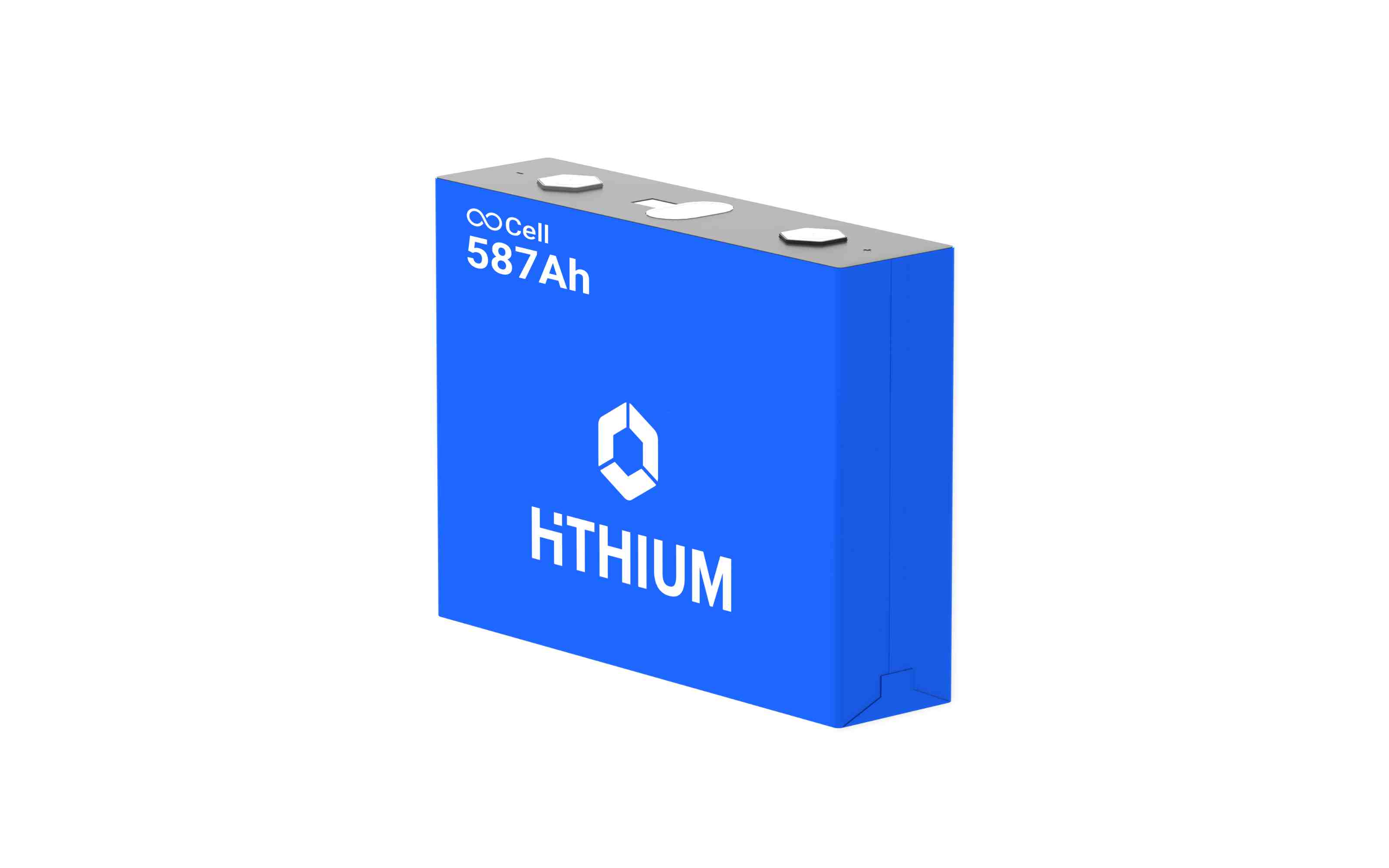
I carry those mornings with me because they expose the deeper flaws that don’t show up in glossy proposals. Central inverters look tidy until one trips and the whole block goes dark; the SCADA screen turns into a Christmas tree— and that caught us off guard. Permits love neat drawings, but UL9540A spacing, egress paths, and fire water tie-ins can slip schedules by 90–180 days if you don’t line them up with the AHJ early. Truck access for O&M gets ignored; then a wet winter in 2024 turned our pad into gumbo mud and we lost two weeks of preventive work. Edge computing nodes at the fence help, but only if your EMS rules don’t fight the plant controller. Look, I prefer solutions that survive bad days, not just pass a factory test. So let’s stack the old fixes against what actually works when the sun is mean and the grid is twitchy.
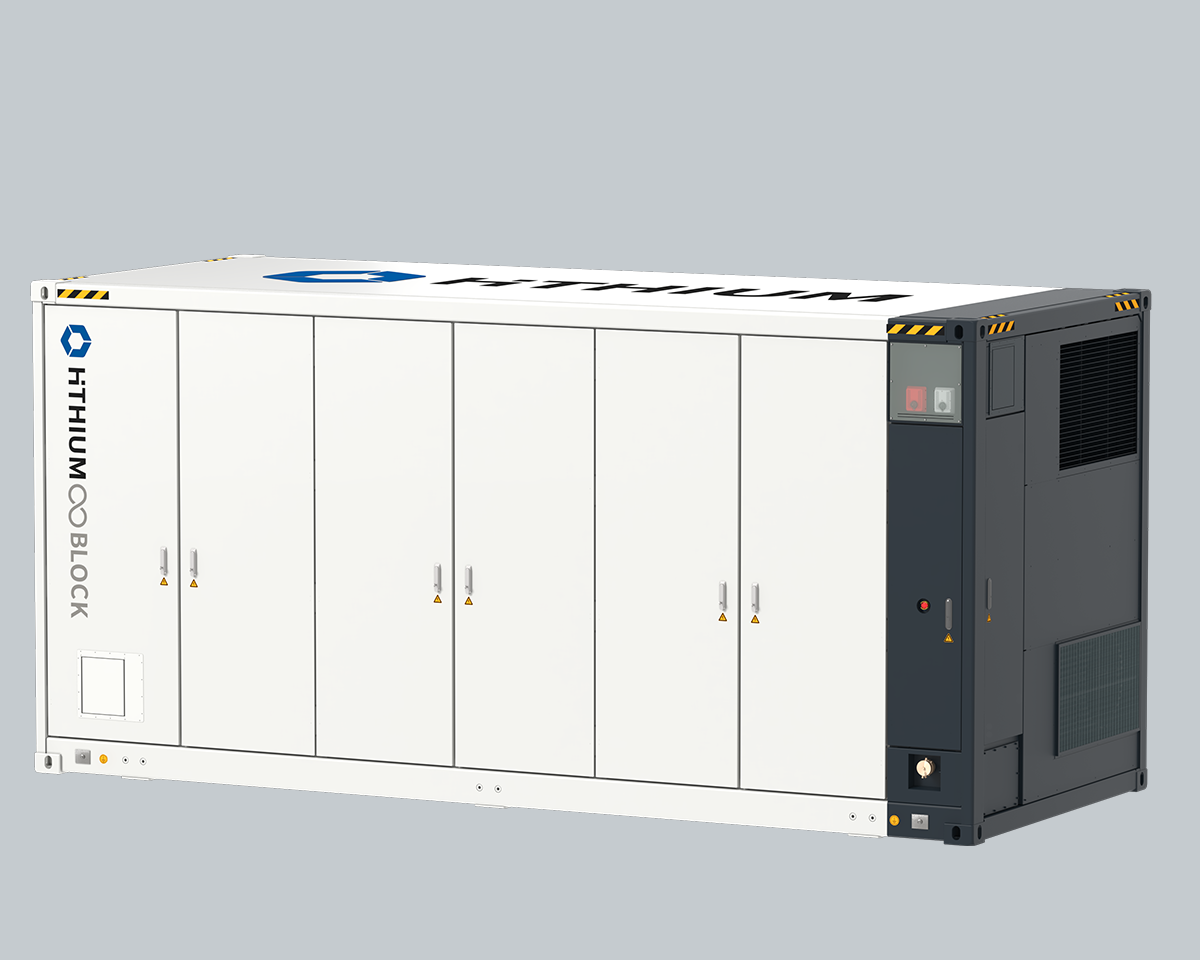
Why do the usual fixes keep breaking?
Where Old Fixes Come Up Short—and What to Measure Next
Here’s the comparison I give every municipal utility and EPC that calls me from a hot substation in July. Old playbooks lean on big central PCS units, minimal rack-level monitoring, and a “we’ll tune it later” EMS. They save line items early. Then they pay for it with downtime when a single IGBT leg forces half the yard off, or when mismatched strings drag round-trip efficiency down 3–5% across a quarter. I watched a 2023 project near Corpus Christi miss an August price spike because a legacy controller prioritized SOC equalization over market signals— I almost laughed — not because it was funny, but because it was avoidable. Newer designs spread risk with modular string inverters, tighter BMS granularity, and grid-forming controls that handle weak feeder conditions without tripping on voltage flicker. Add liquid cooling that actually keeps cell deltas under 2°C, and your LFP stays happy. This is the difference between hoping and planning.
Let me spell out the technology principles I now consider non-negotiable on utility scale energy storage systems. First, distributed power converters with per-string visibility—pair that with rack-level balancing, and SOC drift stops being a revenue leak. Second, an EMS that lives close to the plant on hardened edge computing nodes, not a thin cloud script guessing at dispatch timing; you want sub-second control for frequency response and clean handoffs to SCADA. Third, grid-forming modes (virtual synchronous machine or droop-based) to ride through weak grids and provide fast VARs; it’s the difference between nuisance trips and stable MW. For hybrids, I favor DC-coupled ties when clipping is high; otherwise AC-coupled keeps O&M simpler and UL9540A layouts friendlier. In May 2024, we commissioned a 150 MW/300 MWh site outside Bakersfield that followed this recipe—downtime fell under 0.9 hours per quarter after commissioning, even with three feeder reclosers the first month.
What’s Next
Looking ahead, I see utility buyers pushing for black start capability, stackable container blocks that pass fire code without acres of setbacks, and EMS logic that prices degradation in real time. That’s smart. As more markets pay for fast frequency and synthetic inertia, the plants with better thermal envelopes and quicker control loops will win. The lesson from the field? Choose designs that cut single points of failure, keep thermal gradients tight, and give operators honest, fast data. If you want a simple yardstick set to pick solutions today, use three metrics: 1) AC-to-AC round-trip efficiency at rated C and ambient 40°C, trued up over 90 days; 2) forced-outage hours per quarter, with root-cause tags by subsystem (PCS, BMS, HVAC, SCADA); 3) response time to AGC/FR signals from 10% to 90% output, including recovery behavior. Hold vendors to those numbers, in writing, with liquidated damages tied to seasonal performance windows. That’s how we keep projects honest—and profitable—when the heat index reads like a dare. HiTHIUM