
Introduction — a quick scene, a bit of data, and a choice
I once stood in a small Christchurch shed watching a tired operator wrestle with a jammed roll while the clock ticked away the morning shift. The plant ran on a basic wet wipes making machine, and we were losing minutes every hour (and morale along with them). Recent surveys I’ve read put line downtime at around 10–20% for similar small-to-mid factories — that’s wages and throughput flushed down the drain. So: how do we stop that drip and get things humming again?
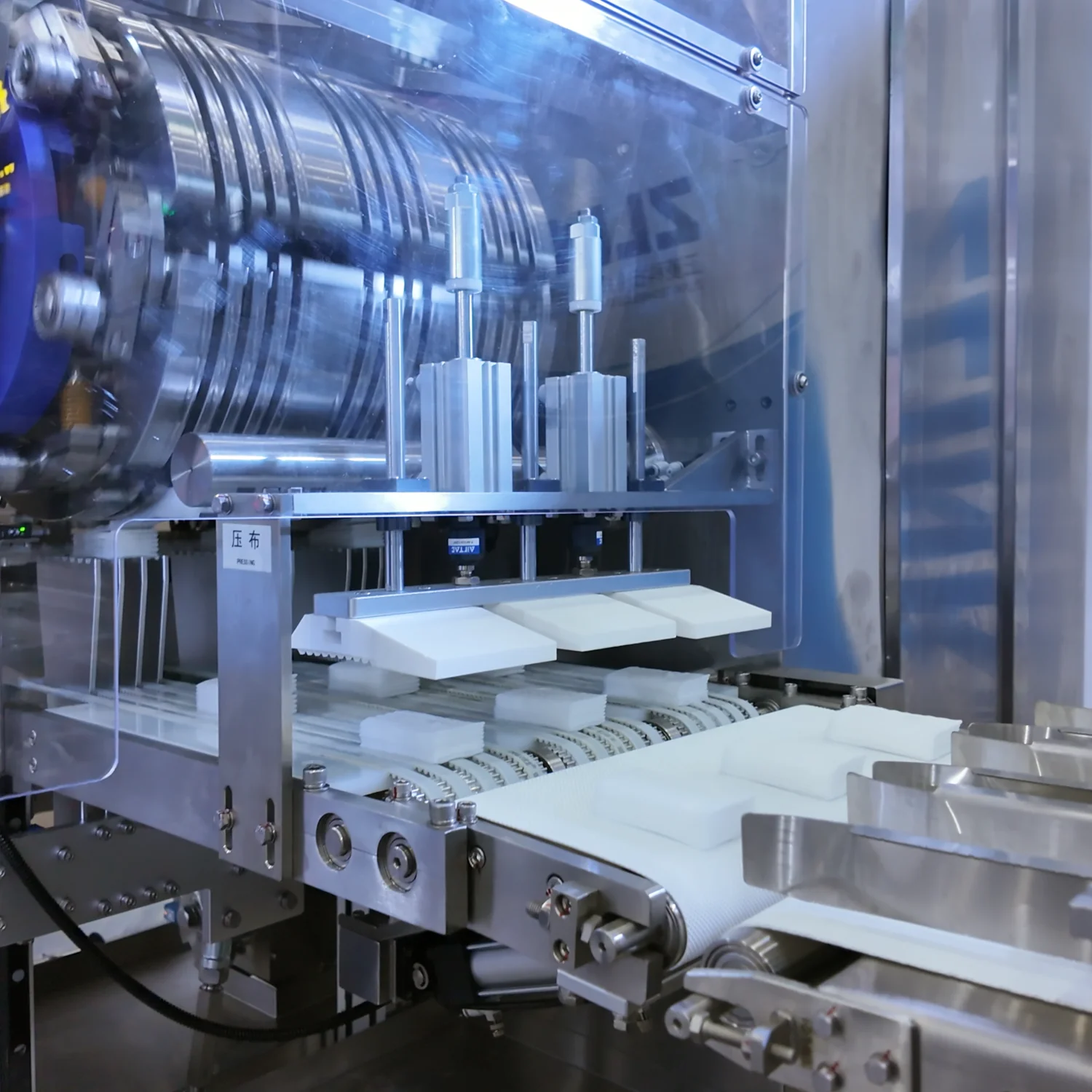
I’m writing this as someone who’s been in workshops, tightened bolts at midnight, and argued with suppliers over specs. I’ll keep it straight: we’ll look at where most lines trip up, what manufacturers miss, and some practical moves you can try straight away. No fluff — just tips you can use on the floor after smoko. Let’s get stuck in and unpack the real issues next.
Part 2 — Where the old fixes fall short (and what that means for manufacturers)
wet wipes making machine manufacturer often hears the same list of problems from customers: poor uptime, uneven wetting, and seals that give up after a few months. I’ve noticed that many teams reach first for quick fixes — tighten a belt, swap a roll — but those fixes hide deeper faults. Look, it’s simpler than you think: if the root cause is a misaligned feed or a worn servo motor, patching the obvious saves face but not production minutes.
Why do quick fixes fail?
First, spare-parts juggling masks systemic design gaps. Second, suppliers sometimes ship machines with generic PLC controller settings that don’t match local water quality, tissue grade, or operator skill. Third, maintenance plans often ignore real usage data — they’re calendar-based rather than condition-based. I’ve been on the tools where the ultrasonic sealing was blamed for leaks when the real culprit was inconsistent pressure from a dodgy power converter. It’s maddening. We need to see beyond the patch and ask better questions about calibration, sensor placement, and long-term wear.
Part 3 — What’s next: practical tech and good checks for the road ahead
When I talk about upgrades, I don’t mean flashy bells-and-whistles. I mean sensible principles: better sensors, smarter controls, and predictable service. A few shops are already fitting edge computing nodes that log machine vibration and seal strength. The analytics flag a failing bearing before it jams. That’s the real win — fewer surprises and calmer shifts. I’ve worked with teams that swapped to adaptive tension systems and saw scrap drop right away — not huge drama, just steady gains.
So what should you weigh? First, compatibility: does the new control system talk to your existing PLC controller and labeler? Second, maintainability: can your crew swap a module without phoning the factory tech in another city? Third, return-on-effort: will the change cut downtime or just shift the problem? — funny how that works, right? I’d add simple benchmarking: measure cycles between stoppages, average sealing temperature, and molarity of the wetting solution. These three metrics will tell you if an upgrade is actually doing work or just making a nice brochure.
Real-world steps to start
Begin with a short audit: log stoppages for two weeks, note who fixes what, and capture a few video clips of trouble spots. Then trial one small change — a new sensor, a different feed roller, or adjusted PID on the heater — for a month. If things improve, scale up. If not, learn and try another tweak. We’ve done this with a handful of clients and a modest parts spend; results show clearer lines and calmer operators. It’s practical, not magical.
Closing — three key metrics and a plain word from me
Before you spend on a shiny retrofit, I’d evaluate solutions by three things: mean time between stoppages, effective throughput (packs per hour under load), and ease of on-site repair. Those numbers beat buzzwords every time. I’ll be honest — I’m biased toward fixes that empower the crew on the floor. We’ve seen shops transform by focusing on those simple metrics and by asking the right supplier questions up front. If you want to go deeper, I’m happy to walk through a checklist with you — quick, practical, no fluff.
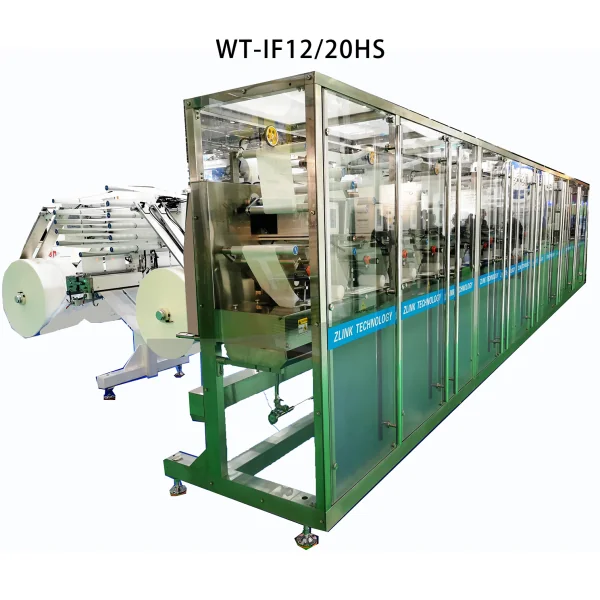
When you’re ready to talk real gear and down-to-earth upgrades, remember there are reliable partners out there who get it. You won’t get a sales pitch from me; you’ll get straight advice. Check the kit, trust the crew, and measure the gains. Cheers — and if you need a solid point of contact, consider ZLINK for pragmatic options that don’t overpromise and actually hold up on the shop floor.