
Why common commercial installs miss the mark
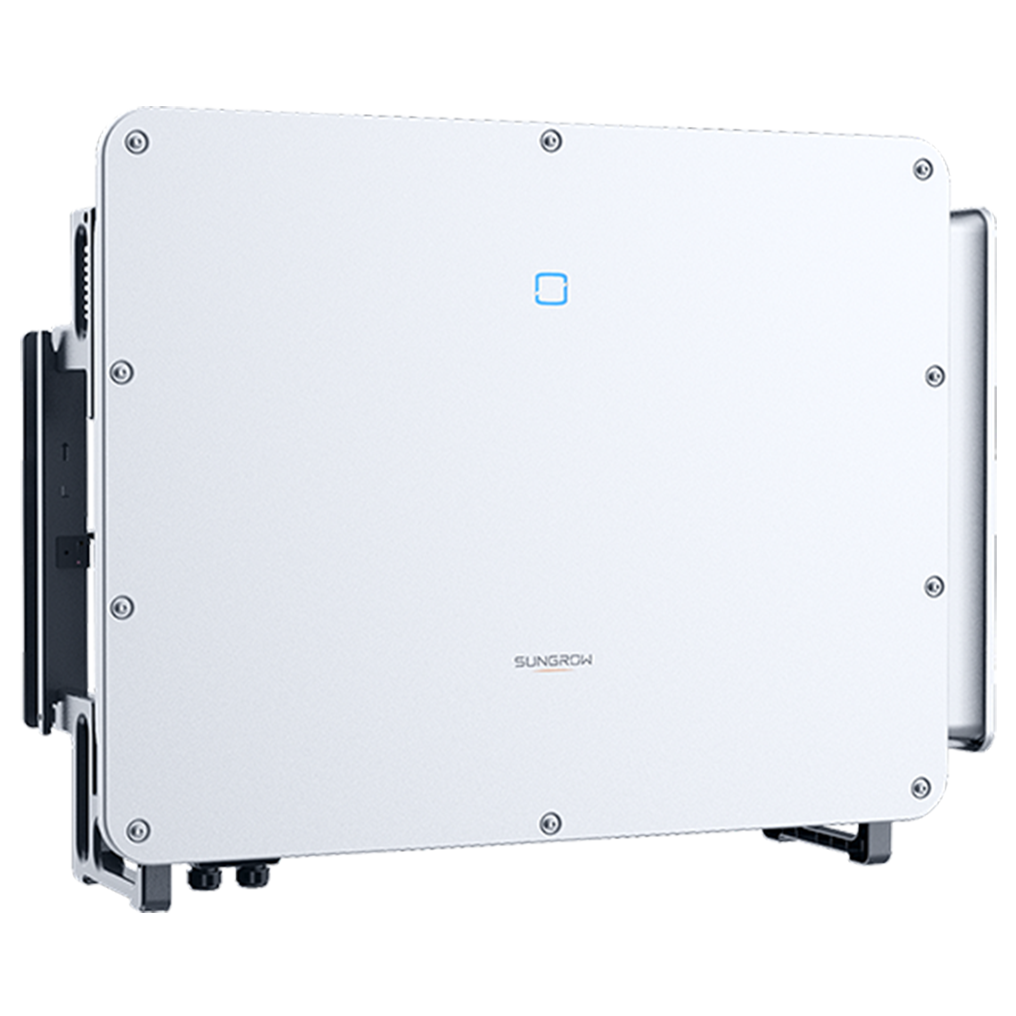
I remember a summer in 2021 when a textile mill in Asheville had a big, empty roof and I kept thinkin’ about lost savings (that sight bothers me). That site could’ve supported a 250 kW photovoltaic array and cut its grid bills by 38% in the first 12 months—so why did the project stall? C&I Solar folks know the answer ain’t just about panels: mis-sized inverters, half-baked interconnection studies, and a love for lowest-bid contractors all bite into real returns. When I first scoped that job I recommended a true solar system for business, but the owner leaned on quick quotes and lost months—result: delayed savings and a rotten cash-flow story.
What usually goes wrong?
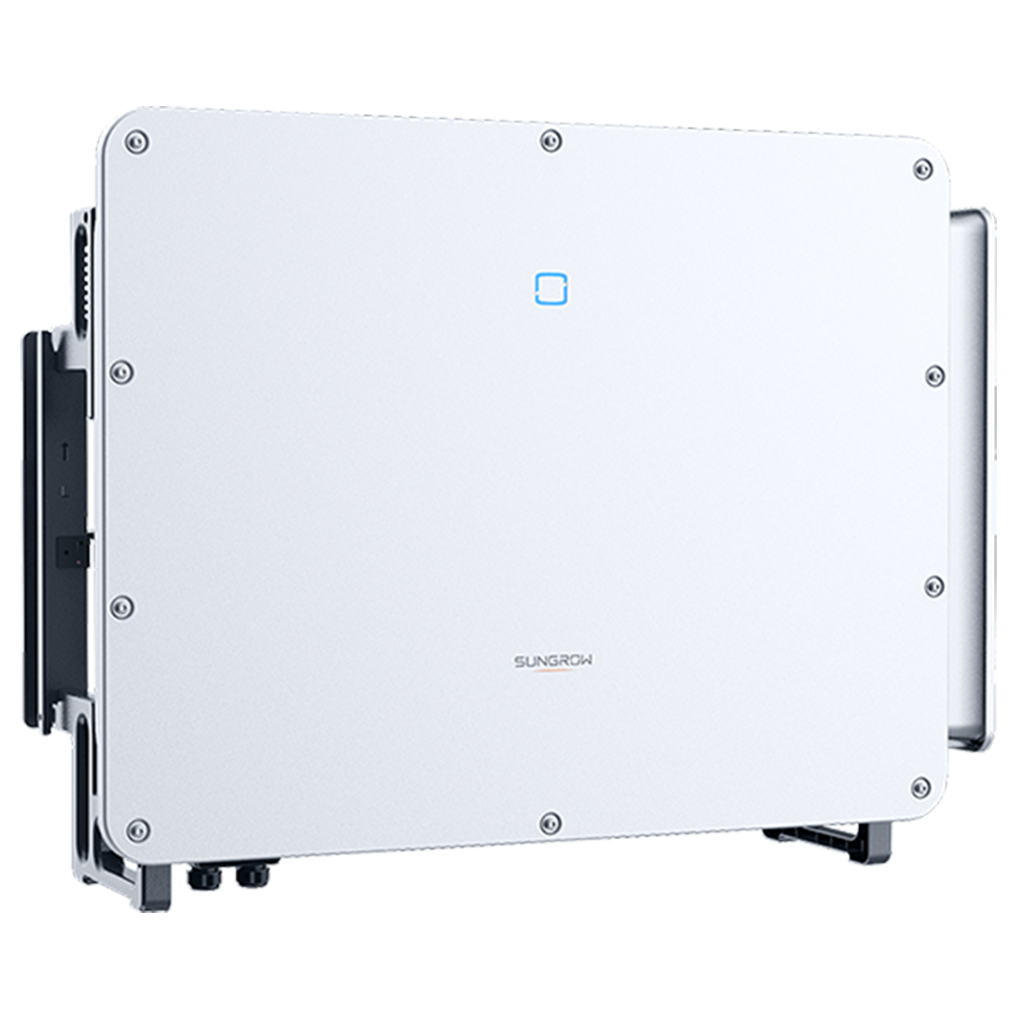
I’ll tell you straight: installers over-rely on textbook designs and ignore the worksite quirks. I’ve seen tilt angles that shadow a 40% output hit at noon, panels mounted over poorly ventilated HVAC runs, and battery storage left out because finance folks feared permits. In one February 2022 retrofit I led, adding a small lithium battery cut peak demand charges by 22% during a three-week cold snap—no miracles, just right-sizing and timing. Net metering assumptions often get tossed in without checking local tariff riders (and that’s a costly guess). We—my crew and I—learned to treat each rooftop like a custom shop floor. That’s the deeper flaw: treating a commercial PV job like a commodity when it’s really systems engineering and contracts management rolled into one. Now—let’s move from gripe to plan.
Where we go from here: practical fixes and measured gains
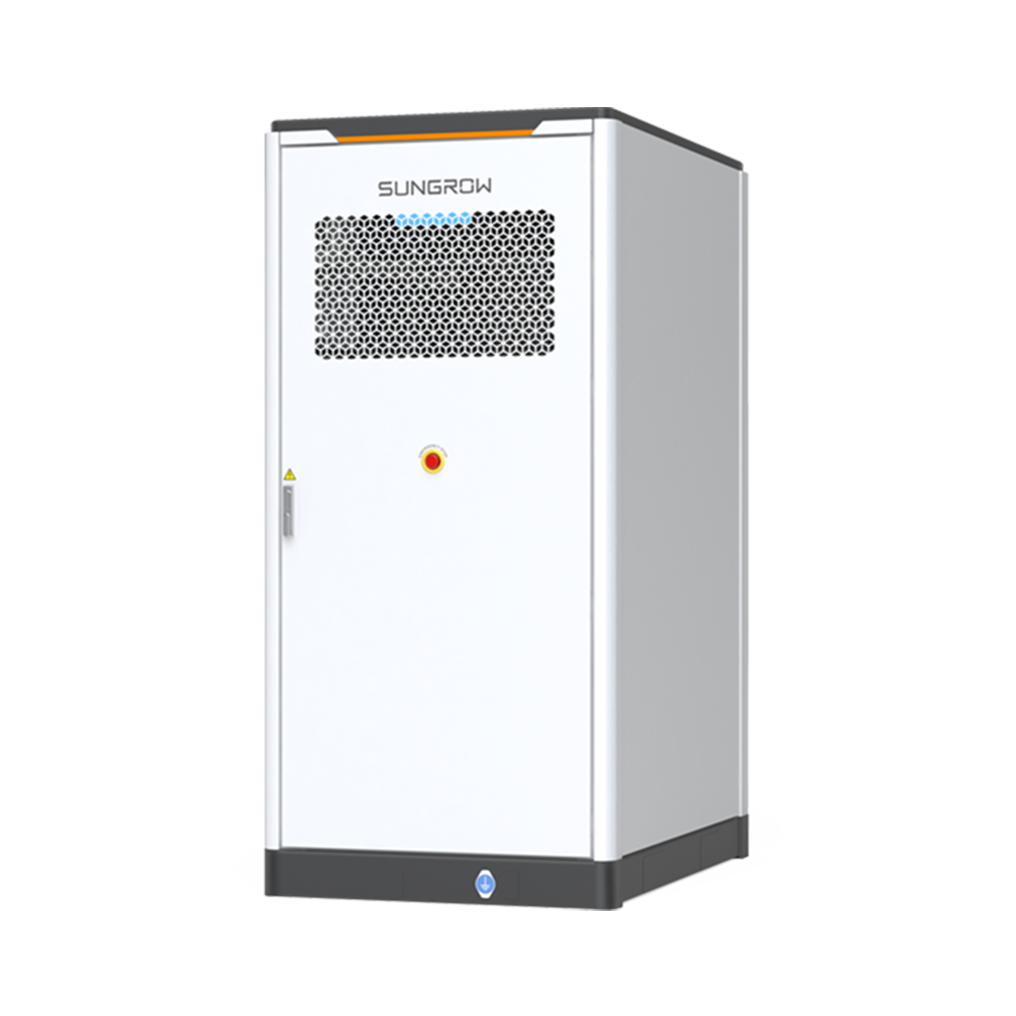
I make this claim plain: firms that swap box-checking for field-first design see faster paybacks. Start with measured load profiles, not bill estimates. I recommend three concrete moves: rebalance the inverter sizing to match seasonal peaks, model battery storage dispatch for demand shaving, and build interconnection timelines into the capital plan. When we did that for a warehouse in Knoxville (July 2022), the owner paid back two-thirds of the capex difference in under 18 months—real dollars. For anyone shopping a solar system for business, ask for a simulation tied to your actual meter data, not a pretty CAD render. What’s next—simple: choose vendors who bring field techs to the kickoff, not just sales reps. I say this with fifteen years plus on my back in B2B supply: I’ve seen spec sheets that looked fine and still flopped because nobody checked roof load or phase imbalance. And—well—those mistakes stack up fast.
What’s Next?
Okay, now for plain advice. When you evaluate offers, score them on three metrics—technical, timeline, and cash outcome: 1) Technical fit: does the proposal include inverter and battery storage specs tied to your load profile? 2) Timeline certainty: are interconnection steps and permit windows spelled out with dates? 3) Financial clarity: what’s the modeled payback and how do tariffs (net metering or demand charges) alter year-one savings? I want you to walk away with numbers, not promises. I speak from installing commercial PV and negotiating interconnection in two states; I know which questions end up saving you months and dollars. If you want to talk specifics from a real job I ran in March 2021, I can show you the meter-by-meter savings. For practical help, hit up teams who build for the long haul—like sungrow.