
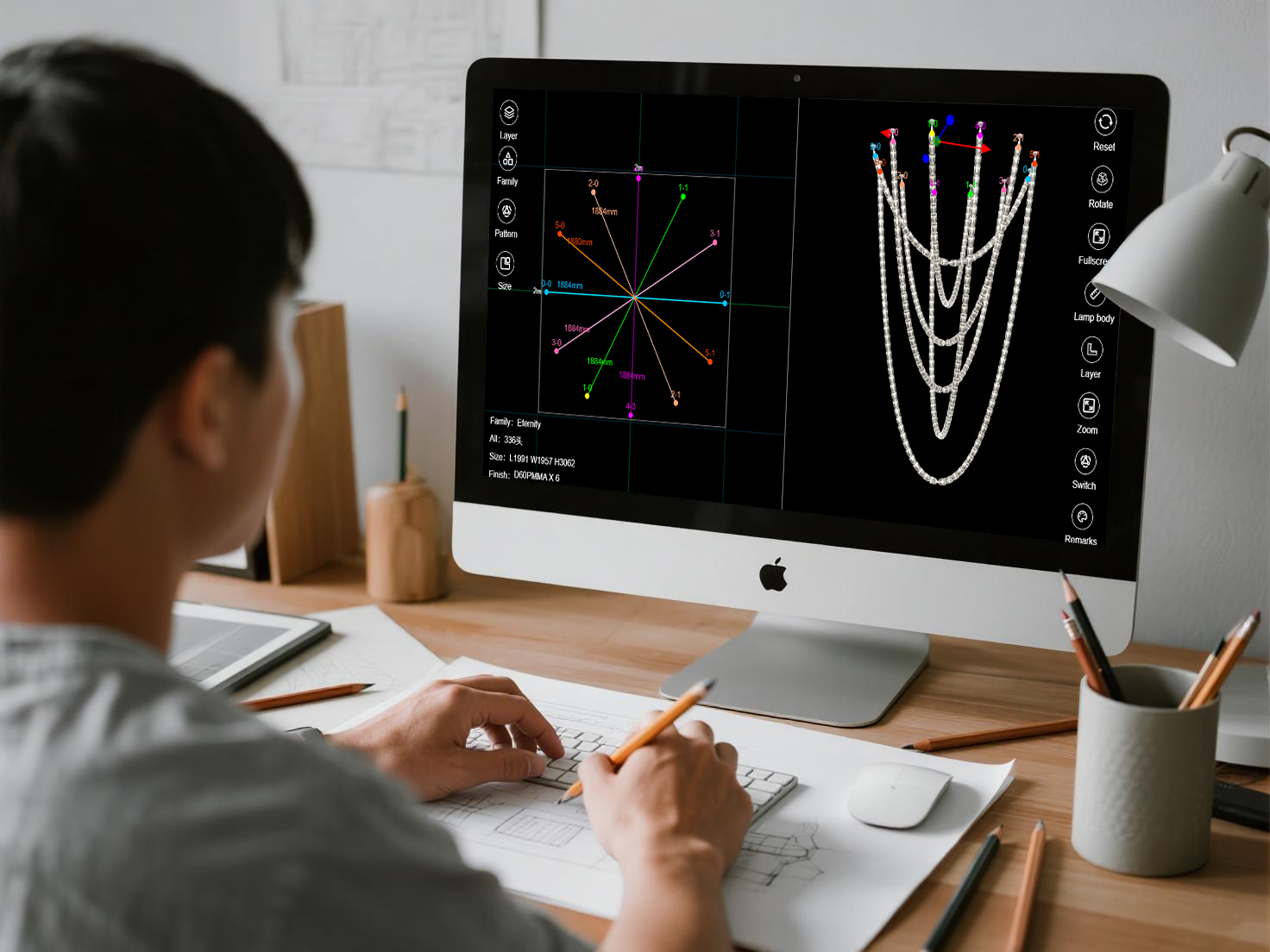
Setting the Scene: Why Supplier Choice Shapes the Room
Specification-first buying beats guesswork. Your pendant light supplier impacts not just price, but also performance, safety, and the vibe of the space. Picture a hotel lobby that wants a signature piece—something refined, like a diamond pendant light—that must look brilliant at 3000K, hold steady lumen output, and keep glare in check. In many projects, lighting can take 15–20 per cent of the electricity bill; a poor driver choice or bad heat sink can raise that number. Now, imagine a client visit, after hours of mock-ups, and the beam angle looks off. Would you trust the specification or your eye?

Here is the data-led rub: most rework starts with small misses—power factor, CRI below 90, or an optical diffuser that scatters more than it shapes. The question is simple: can your supplier prove these numbers on paper and in the prototype (on time, without fuss)? If Part 1 mapped the basics, this section goes a layer deeper and tests the weak links. Let us move from broad claims to controlled choices—step by step.
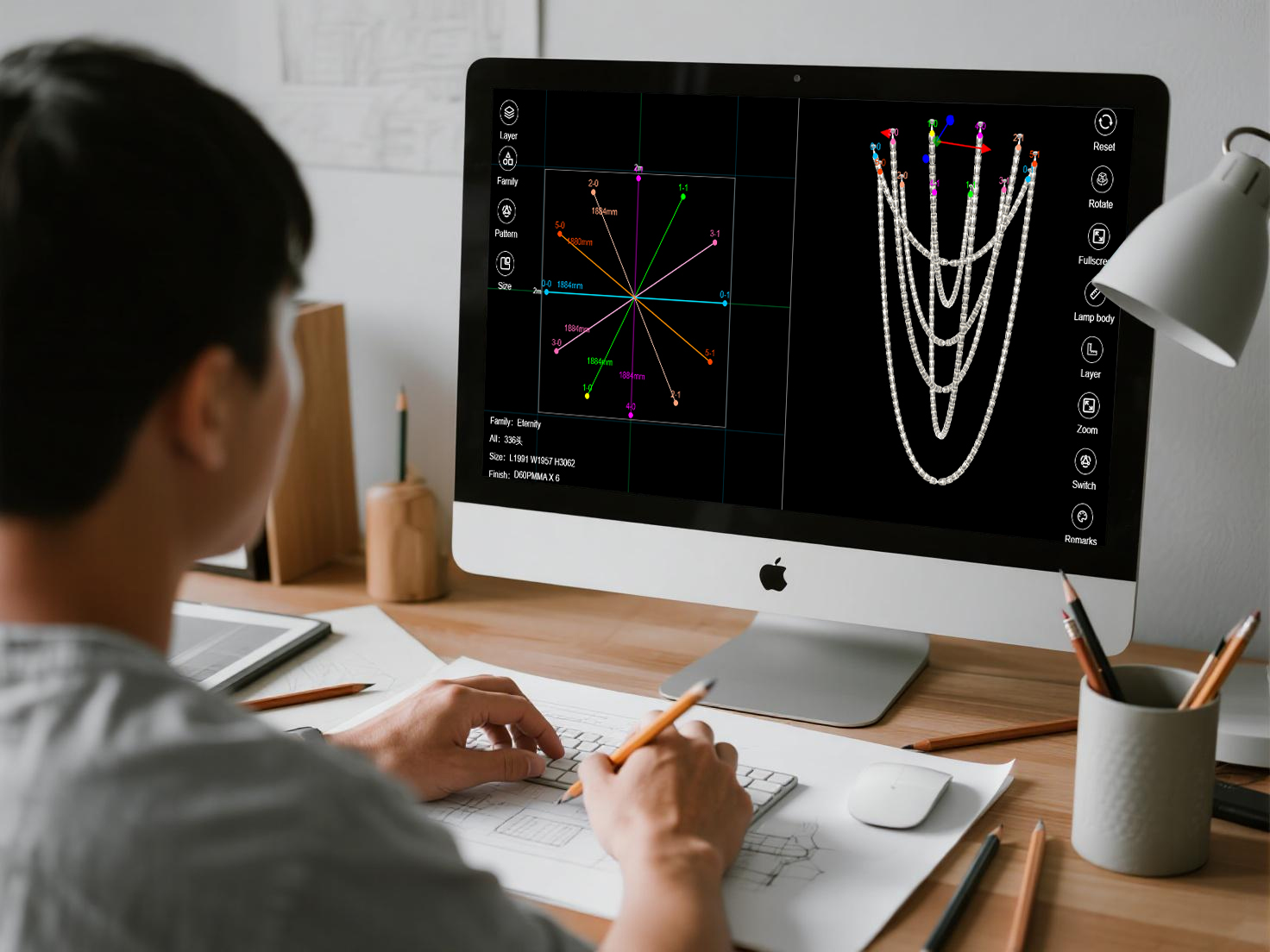
Under the Hood: Hidden Pain Points with Diamond Pendants
Where do traditional fixes fall short?
Many teams try to fix pendant issues with brighter lamps or a new shade. Direct approach, wrong target. The root problem is often elsewhere: a constant-current driver that flickers under PWM dimming, thermal management that cooks LEDs, or a UGR higher than the design tolerance. With a diamond profile, facets can amplify glare. That looks stunning in photos—funny how that works, right?—but it can tire the eye in real use. Look, it’s simpler than you think: match beam angle to task plane, lock CRI ≥ 90 for retail or hospitality, and test the diffuser material for colour shift over time.
Another pain point is lifecycle drift. A pendant may launch at 100 per cent output, then sag due to poor heat dissipation or a weak driver. If the power factor is low, you pay more in the long run. Traditional fixes swap LEDs or add a dimmer. The better path is system thinking: pair the optic and the housing, size the heat sink, and validate lumen maintenance at L80/B10 across real ambient ranges. When a supplier treats the diamond form as a sculpture and not a system, the field complaints begin. That is the cost nobody budgets for.
Next-Gen Principles: Comparing What’s Coming Versus What You’ve Got
What’s Next
Forward-looking teams are now moving from “pretty pendant” to “predictable performance.” The new baseline blends optics, electronics, and data. Think: drivers with ripple-suppressed output to reduce micro-flicker, modular LED engines for easy swap, and diffusers that keep spectral integrity. Some led pendant light manufacturers are publishing verified photometric files and thermal plots, side by side. That makes a true comparison possible—on real terms, not brochure talk. It also helps specifiers test UGR targets and beam control early, without the last-minute rush.
In practice, the difference shows up in time and trust. A supplier using tool-less access and a stable driver platform can cut maintenance by half. Another that offers custom optics will tune glare with better precision. You can compare on three axes: luminous efficacy, thermal stability, and visual comfort. If Part 2 exposed pain points in diamond profiles, this turn asks who solves them with cleaner principles. Some will; some will not—and you will see it in the lab report before you see it on site.
How to Evaluate Your Next Move
Let us tie the threads and keep it practical. The lessons are clear: diamond pendants demand disciplined optics, honest drivers, and passive cooling that lasts. Traditional fixes chase symptoms, but system design prevents them. Suppliers who show photometric truth, consistent CRI, and thermal headroom save you rework and warranty pain. The result is less flicker, cleaner shadows, and sustained lumen output. Not flashy. Just correct—and that is what end users feel.
Advisory close-out with three metrics you can use today: 1) Performance proof. Ask for IES files, UGR simulations, and driver specs with ripple percentage and power factor ≥ 0.9. 2) Longevity under load. Verify L80/B10 at relevant ambient, plus a thermal plan for the housing and heat sink. 3) Visual comfort by design. Confirm beam angle, diffuser type, and CRI ≥ 90 for hospitality or retail. If a pendant light supplier can furnish these without delay, you are on the right track. If not, pause—because tomorrow’s problems often start with today’s silence. For further reference, see kinglong.