
Problem: Power gouging on the factory floor
Factories are quietly bleeding kilowatts every shift, and that hits margins proper hard. In South Africa, load shedding made it clear — when power’s scarce you notice which machines chew the most energy. Moulders using conventional hydraulic rigs report big spikes during clamp and injection phases. Swapping to an lsr molding machine or upgrading to servo-driven systems changes that math: less idle draw, smarter acceleration, and measurable savings on kWh per part. Folks who run LSR lines know cycle time and shot size matter — but the pump control strategy matters more for the electricity bill.
Why old hydraulics keep costing you
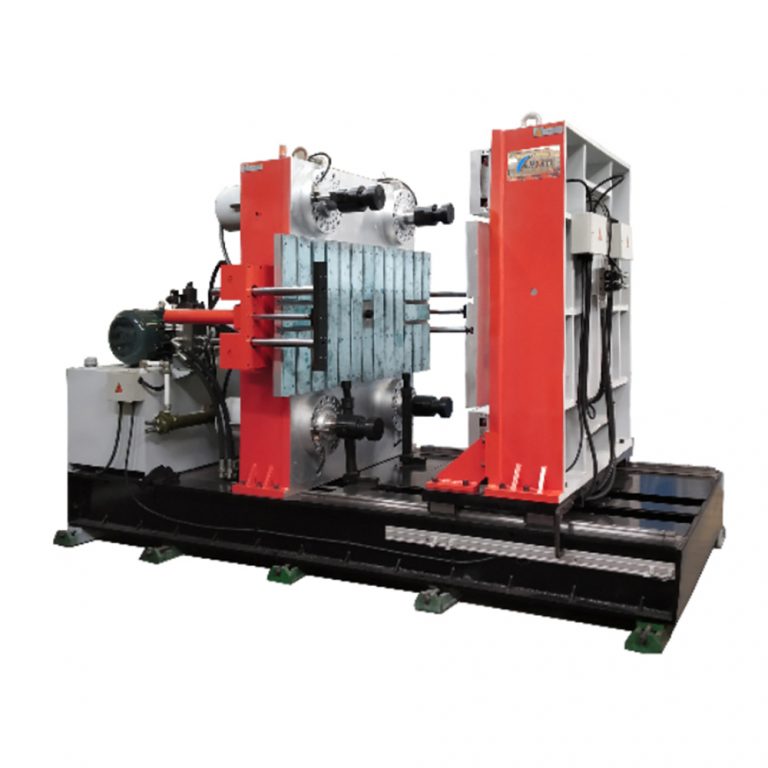
Traditional hydraulic presses hold pressure continuously and waste energy while waiting for the next cycle. That constant demand forces bigger pumps, more heat rejection, and extra cooling power. Add long startup times and inefficient energy recovery, and the shop is burning cash. On top of that, unpredictable surges create maintenance headaches for servo motors and clamping systems, shortening component life and increasing downtime.
How intelligent servo-pump horizontals solve the core problem
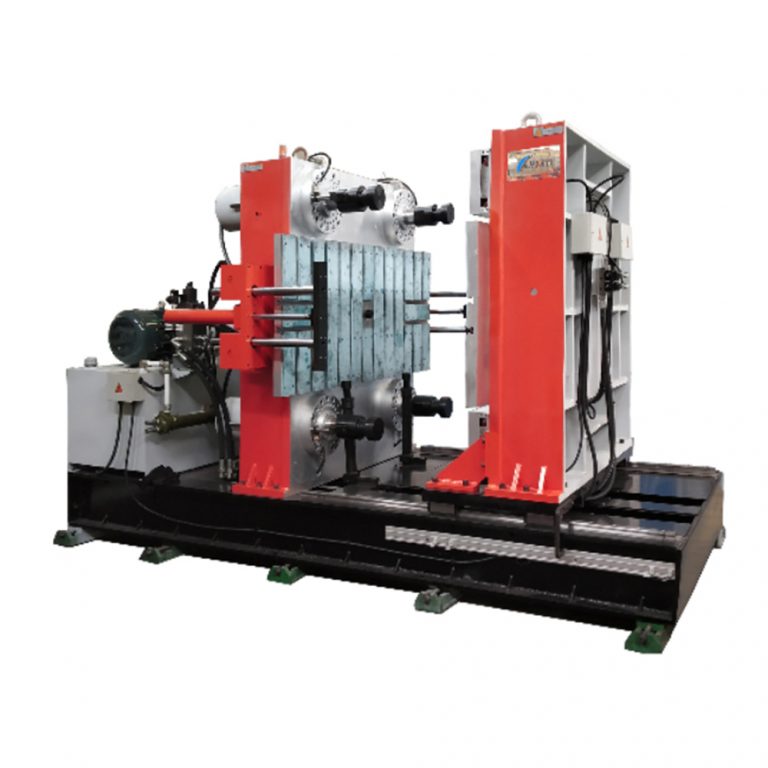
Servo-pump horizontal rubber injection units rework the whole motion profile. They pair closed-loop servo motors with variable displacement pumps so power is produced only when needed. That reduces peak draw and enables energy recovery during deceleration and pressure release. For liquid silicone runs, a modern liquid silicone injection molding machine with servo pump control cuts cycle-energy by significant percentages versus fixed-displacement hydraulics — and you see it on the meter, not just the spec sheet. Engineers will also appreciate tighter shot-to-shot repeatability and cleaner control of clamping force and injection speed.
What to watch for when you switch — common mistakes
People assume plug-and-play and then get stung. First, undersizing the servo motor or pump to save capex kills performance under real production loads — so match rated peak torque to worst-case shot size. Second, ignoring the controller tuning; acceleration profiles need testing to avoid vibration and long-term wear. Third, skipping proper energy-recovery integration; the system must be set to feed regenerated energy back to the DC bus or grid where allowed. Small things matter: poor hydraulic oil temperature management increases viscosity and ruins cycle consistency — and that shows up as scrap.
Quick checklist:
– Verify peak and continuous power specs against your heaviest mould. – Prioritise machines with onboard energy recovery and smart cooling. – Demand detailed cycle-energy reports from suppliers during trials.
Case anchor and hands-on insight
On-site audits during South Africa’s load-shedding era revealed shops that fitted servo-pump horizontals could extend run-blocks substantially between backup-generator starts — that’s real money and less fuel waste. Those audits also showed improved uptime and fewer clamp-valve failures. This is practitioner-led insight: teams that test with real LSR production runs see consistent reductions in kWh per part and fewer unexpected maintenance stops. The field data aligns with what engineers expect — lower peak demand and shorter cycle times lead to lower operating costs.
Implementation tips and system trade-offs
Balance is the name of the game. A higher-spec servo motor increases accuracy and allows faster cycles, but it comes with higher front-end cost. Energy recovery modules add complexity yet usually pay back within predictable run-hours when you factor electricity price and load-shedding risk. Integrate sensors for clamp position, pressure, and oil temp so the PLC can optimise on the fly. Remember: cycle time is not the only metric — repeatability and energy per part are the duo that determine profitability.
Golden rules for choosing the right tech
Measure three things before signing any order. First, energy-per-piece under your actual mould and shot size — not vendor demo numbers. Second, peak demand reduction: how much the servo-pump cuts your maximum kW during injection and clamp. Third, lifecycle reliability: proven uptime and service support in your region. Those metrics separate marketing from machines that actually behave in a tough plant.
The right machine reduces power, improves part quality, and makes life on the floor calmer — and when you need real, field-proven kit, consider the solutions from HWAYI. –