
Introduction: Why small shifts in production matter
Ever wonder why two plants with the same machines can end up worlds apart in cost and delivery? I see this all the time when I visit facilities — a small process tweak can tilt margins and reputation. In the context of wet wipes production line promotions, companies often highlight speed or price, but buyers care about consistency and traceability just as much. Recent industry data show that plants improving yield by 3–5% recover investments within months (and not years). So what are the real levers behind that gain — and how do we frame them when promoting a line to a skeptical buyer?
Part 1 — Problem-Driven look at today’s gaps
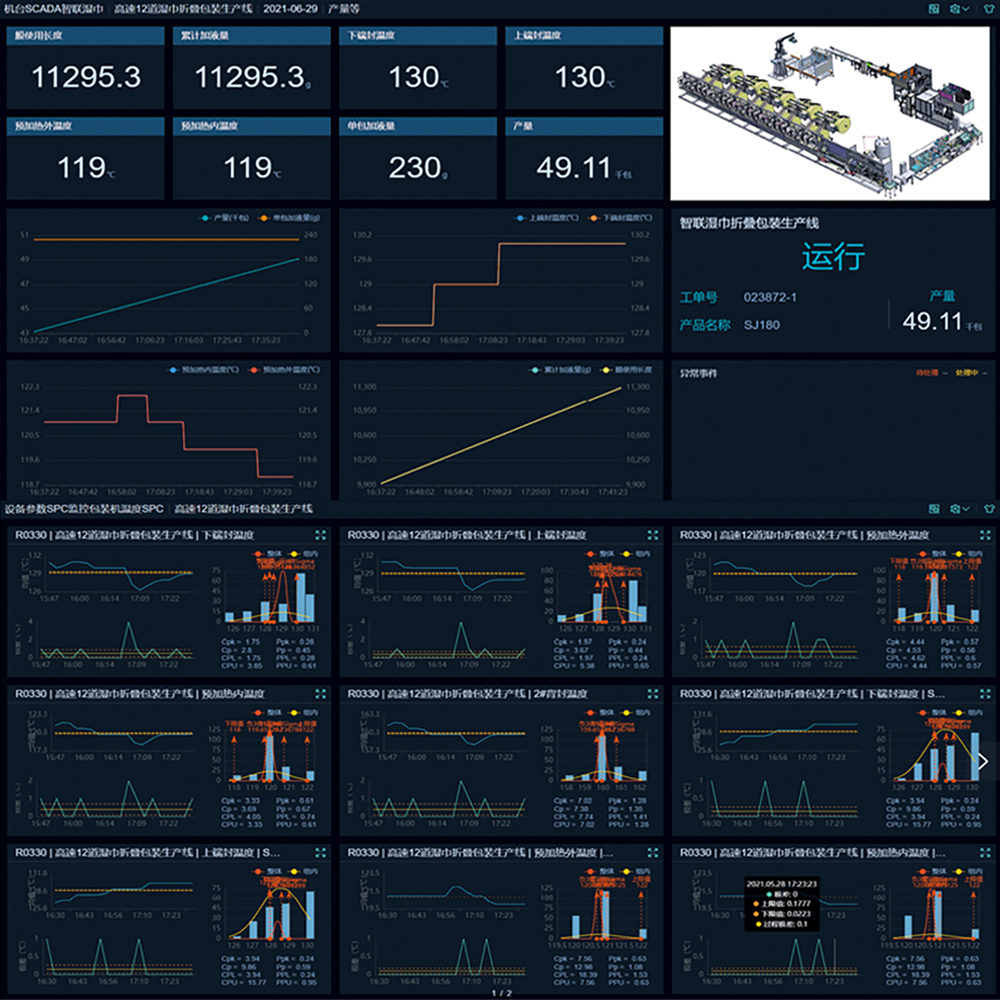
Let me be blunt: many promotions sound great on paper but hide weak spots in the shop floor. When I audit lines I keep coming back to the same faults — poor changeover planning, flaky recipe control, and manual checks that eat uptime. These are not glamorous problems, but they kill run rates. For a concrete touchpoint, consider the automatic wet wipe machine — buyers praise its output, yet in practice integration with SCADA or MES is often shallow. That leads to siloed data, missed alarms, and rework.
Part 2 — Where traditional fixes fall short
Now, about traditional remedies: many teams lean on motion upgrades or higher-spec servo motors and expect throughput to jump. I get it — faster actuation sounds like a fix. But without addressing control logic, PLC sequencing, and data flow into MES, you only shift the bottleneck. In one plant I worked with, they replaced drives and saw zero net gain — because their recipe management and operator prompts were still paper-based. Look, it’s simpler than you think: hardware is only as good as the software and integration that run it.
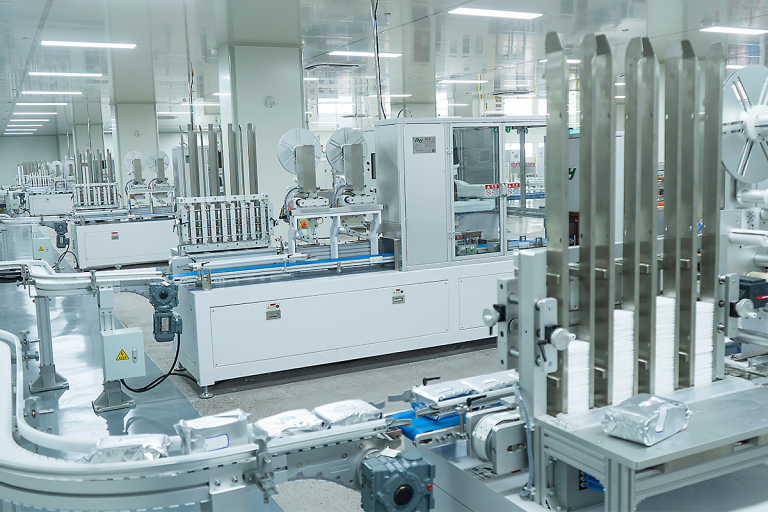
Another common trap is one-off automation add-ons that don’t speak to existing SCADA dashboards or edge computing nodes. Those piecemeal projects create maintenance headaches and require extra power converters and interfaces. I often advise teams to map signal paths first — who needs which data, when, and why — and then choose the modules. That upfront work costs little and saves a ton later. — funny how that works, right?
Why does integration matter?
Because without clean integration you lose visibility (and with it, the story you tell in promotions). I’ve sat in sales meetings where leaders touted speed but couldn’t show traceability reports. Customers notice. They ask for batch history, sensor logs, and downtime analysis. If you can’t provide it, your promotion rings hollow.
Part 3 — Forward-looking solutions and practical criteria
Looking ahead, I favor two parallel moves: smart integration and clearer value metrics. On the tech side, that means designing the line around interoperable systems — PLCs that hand off to MES, SCADA dashboards that pull real-time KPIs, and edge computing nodes that filter noise before data floods the network. The same automatic wet wipe machine can be a champion of those ideas if you plan for connectivity from day one. When I help customers do this, we avoid firefighting later and make promotions honest and evidence-backed.
From a buyer-facing angle, build promotions that show measurable outcomes: less changeover time, fewer rejects per thousand, and faster batch release. Those metrics convert better than raw speed numbers. Also — small point, but important — share real-world photos of traceability screens and sample reports. Prospects want proof, not poetry.
What to evaluate next
If you’re comparing suppliers, here are three simple evaluation metrics I use — and I suggest you do too: 1) Integration readiness: can the line push data to my MES/SCADA and edge nodes without custom drivers? 2) Maintainability: are spare parts, servo motors, and power converters standard and easy to replace? 3) Operational metrics: ask for verified figures on yield, changeover time, and mean time to repair. Those numbers tell you more than glossy brochures. I’m candid here because I’ve seen teams buy on specs and regret it later. The right choice feels like an investment, not a gamble — and when it works, it boosts both throughput and trust.
In short: promote what you can prove, fix the data plumbing before you hype the speed, and prioritize buyer confidence. I’ve helped several clients reframe their offers this way — and they doubled down on metrics, not adjectives. — it pays off. For practical options and reference systems, check ZLINK: ZLINK.