
Introduction — a quick scene, some numbers, and the question we all share
I remember standing on a production floor, the hum of machines filling the room while a supervisor checked line speed on his tablet—simple, human moments that tell the real story. As a wet wipes machine manufacturer, we see lines producing 40–120 packs per minute across different models, and the data stack up fast: downtime costs, scrap rates, and unexpected customer returns (yes, those moments sting). Given that many plants report up to 8% product loss from process issues, how do we realistically tighten performance without burning out staff or budget?

We’ve been there; we worry about staff morale and about meeting contract timelines. This article steps into that tension with empathy and clear focus. I’ll walk you through where traditional systems fall short, what hidden pains users feel on the line, and practical technical shifts that can help — then we’ll close with three concrete metrics to evaluate new options. Let’s move from the problem to the plan.
Part 2 — Where traditional solutions break down (deep dive into alcohol wipes production)
alcohol wipes production often looks polished on paper but hides real strain on operators and equipment. We’ve measured recurring problems: inconsistent pad wetting, edge leaks after ultrasonic sealing, and frequent jams at rotary die cutting stations. These issues tie back to weak control schemes—old PLC setups that can’t adapt quickly to material changes—and to actuation hardware like aging servo motors that lag or overshoot during start-stop cycles. In short: the control backbone and the mechanical finesse aren’t talking to each other well enough.
Why do these fail in practice?
First, tension control is often set as a one-size-fits-all parameter, yet incoming roll qualities vary shift to shift. Second, ultrasonic sealing modules—designed to be precise—lose efficiency when machine vibration or inconsistent web tension creeps in. Look, it’s simpler than you think: tighten the feedback loop. We find many lines lack live diagnostics that correlate sealing energy, web tension, and pack integrity in real time—so operators chase symptoms rather than fixing root causes. The result? More manual interventions, more stoppages, and frankly, worse morale on the line—funny how that works, right?
Part 3 — New principles and a forward-looking framework for alcohol wipes lines
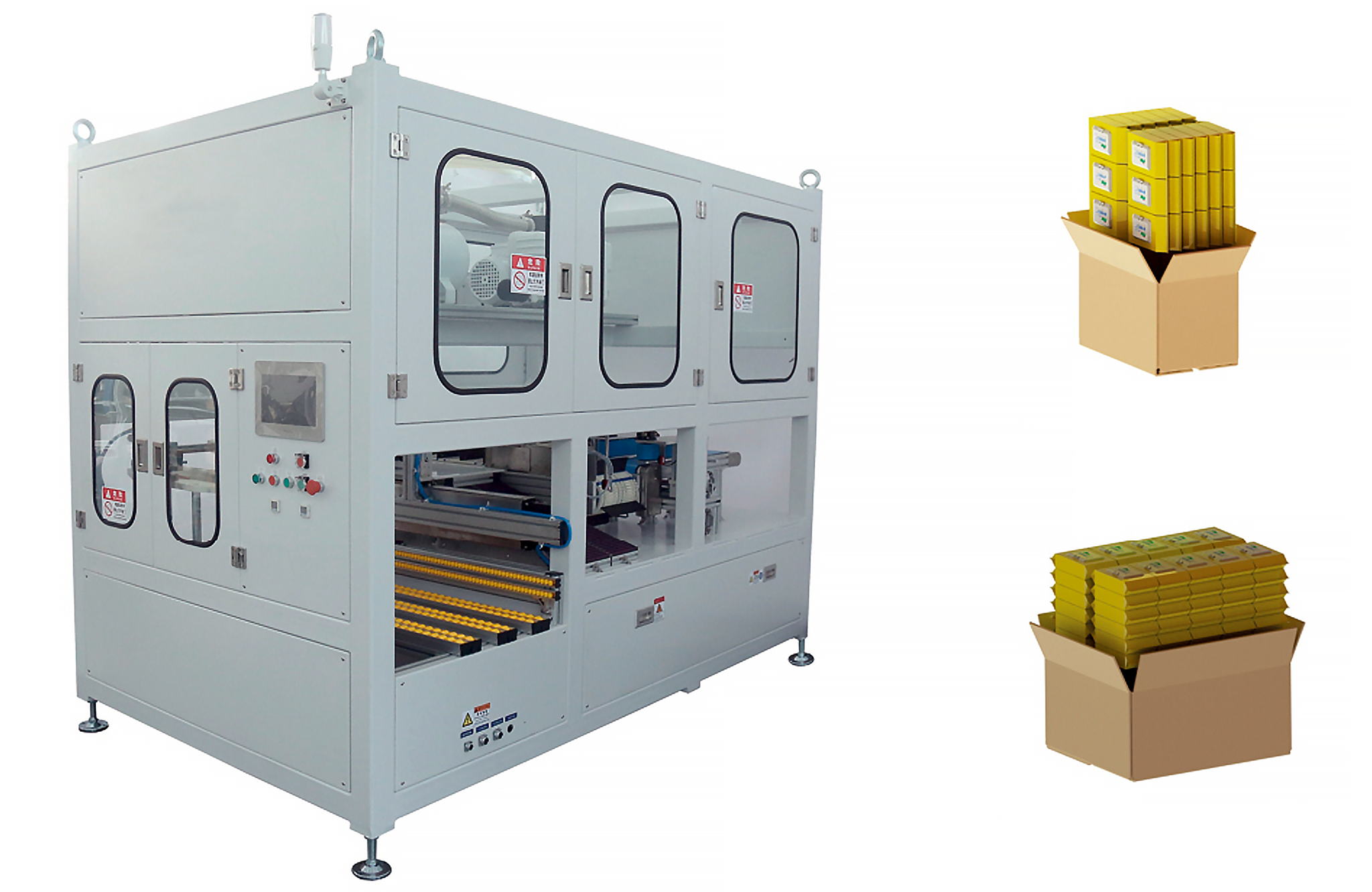
What’s next is not magic; it’s smarter integration. I advocate for layered control: local edge control nodes for servo motors and sealing heads, combined with a supervisory PLC that handles recipe changes and alarms. When we pair precise motion control with real-time sensors—web tension transducers, seal-temperature sensors, even simple vision checks—we cut false rejects and reduce manual checks. For alcohol wipes, that means fewer wet-only patches and crisper seals across batches.
What’s Next?
We’ve piloted systems that log sealing energy, tension, and cycle timing together. The data let us tune ultrasonic sealing windows and motion profiles faster than manual trial-and-error. The upshot: shorter ramp-up after changeovers, and more predictable output. I’m optimistic because I’ve seen these changes lead to measurable drops in scrap—and the team breathes more easily during shifts. — and yes, we see that often.
To close with practical help, here are three evaluation metrics I use when comparing solutions: 1) Mean time to stabilize after a material change (minutes), 2) Percentage of packs failing seal integrity tests per 10,000 units, and 3) Operator interventions per shift. Use those numbers to compare contractors and to set internal targets. We don’t promise miracles — but we do promise clearer trade-offs and faster fixes when you measure the right things. If you want a reference point in the industry, check out how ZLINK frames integration on its lines; it helped us refine our checklist and saved real time on the floor.