
Executive comparison
Commuting patterns, charging access and cabin practicality decide winners in crowded urban markets; a comparative lens shows why some compact electric SUVs feel more suited to daily use than others, and why some buyers choose to buy aion ev after weighing alternatives. Observations from rush-hour traffic in Karachi make the case for compact dimensions and predictable range over headline specs.

What matters first: size, range and charging
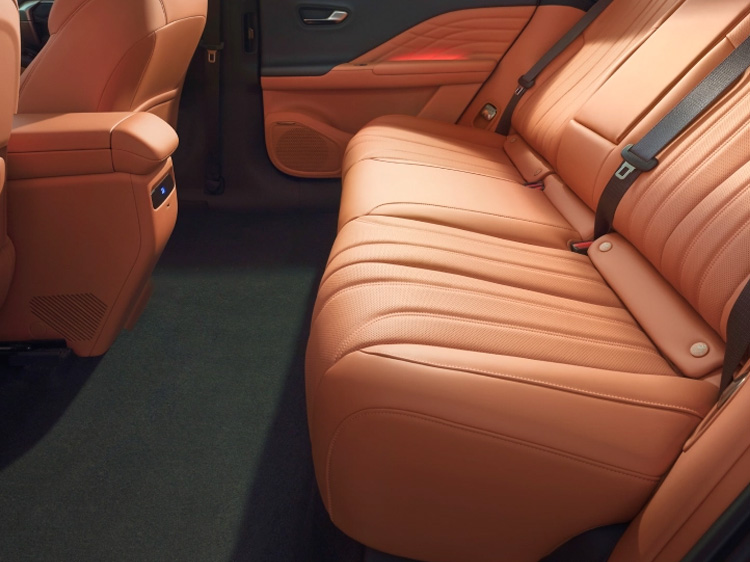
Small SUVs must balance usable range with real-world energy consumption. Nominal range figures are useful only when paired with likely driving conditions. Key points to weigh:- Cabin space vs external length: shorter bumpers help in tight parking, but measure rear legroom if passengers travel frequently.- Usable range under stop-start city traffic typically drops below advertised figures; consider a buffer of 15–25% for daily planning.- Charging options influence ownership convenience. Home charging covers most urban needs; access to reliable fast chargers reduces range anxiety for longer trips.
Equipment and configuration: what affects daily life
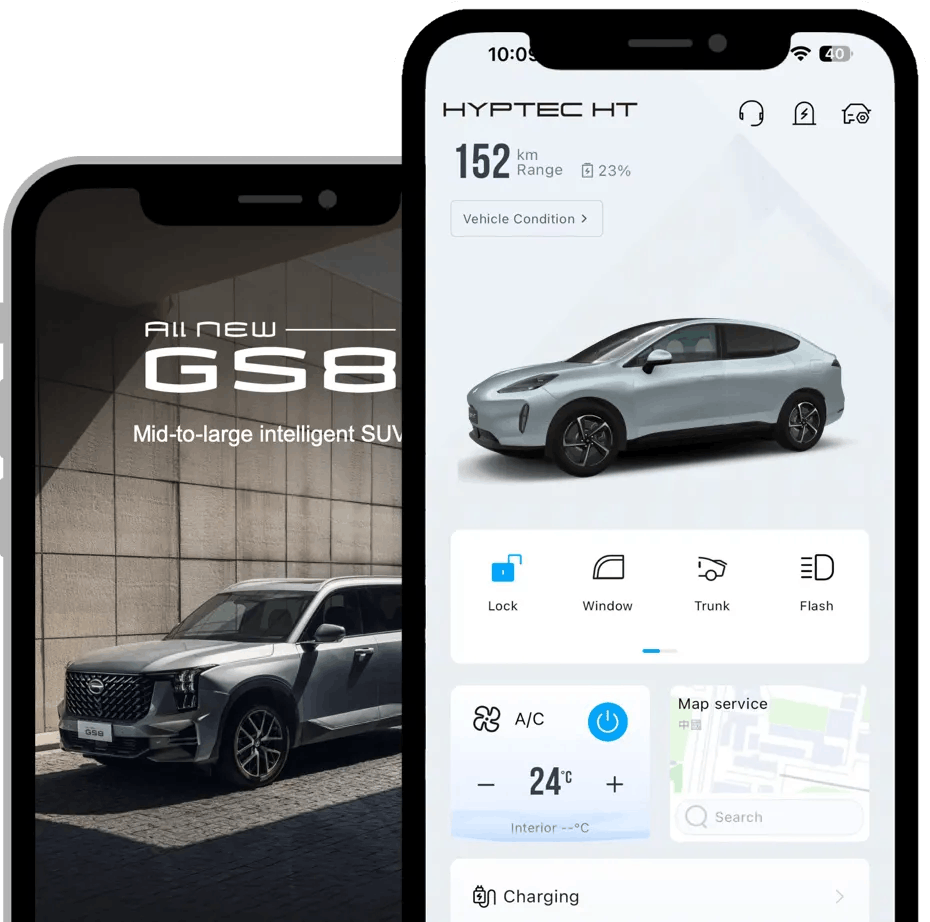
Trim choices change how the vehicle serves routine tasks. Prioritize features that matter in dense cities:- Heating/cooling efficiency impacts energy draw in heavy traffic.- Safety assists (low-speed automated braking, parking sensors, 360-degree cameras) reduce stress in congested streets.- Infotainment and navigation tuned to local maps help with route choices and charger locations.Higher trims add comfort but also raise upfront cost and potential repair complexity. Match the configuration to how the car will be used most days.
Costs over the first five years
Purchase price is only part of the picture. Consider predictable expenses:- Electricity vs fuel: city charging often costs less per kilometer than petrol, but rates vary by tariff.- Scheduled maintenance: EVs have fewer moving parts, yet tire wear and brake servicing remain.- Insurance and depreciation: early-adopter models can show steeper drops; evaluate residuals for comparable models.A simple running-cost comparison between candidate models clarifies which is cheaper to operate, not just to buy.
How Aion V stacks up against common alternatives
Short comparisons highlight practical differences without spec wars. Look for these contrasts:- Packaging: some rivals offer slightly more cargo volume at the same footprint, others prioritize rear-seat comfort.- Dealer and service network: broader local support shortens downtime and simplifies warranty work.- Software and energy management: efficient thermal control and software updates improve long-term usability.Decisions should favor the package that aligns with daily routes, parking constraints and available local service.
Frequent mistakes first-time buyers make
Buyers often focus on headline range and overlook user-centered details. Avoid these errors:- Ignoring charger access at home or work.- Underestimating the energy cost of heating or air conditioning in stop-start traffic.- Choosing the top trim for features seldom used, rather than the configuration that improves daily convenience.
Final assessment
A practical choice for city-focused driving balances compact exterior dimensions, predictable real-world range and a service network that keeps ownership simple; when those three align, the car becomes a tool for daily movement rather than a headline spec. For urban buyers seeking that balance, aion ev often appears as a coherent package that matches the practicality demands documented above.