

Problem statement and strategic context
Manufacturers need scalable heat sources that reduce waste and lower fuel costs without compromising uptime or compliance. Recycled-oil burners can deliver that outcome, but they introduce variability in fuel quality, particulate load and combustion behavior that differ from a standard industrial gas burner. The central challenge: convert an experimental sustainability measure into a reliable, code-compliant plant utility.
Technical criteria for selecting a recycled-oil burner
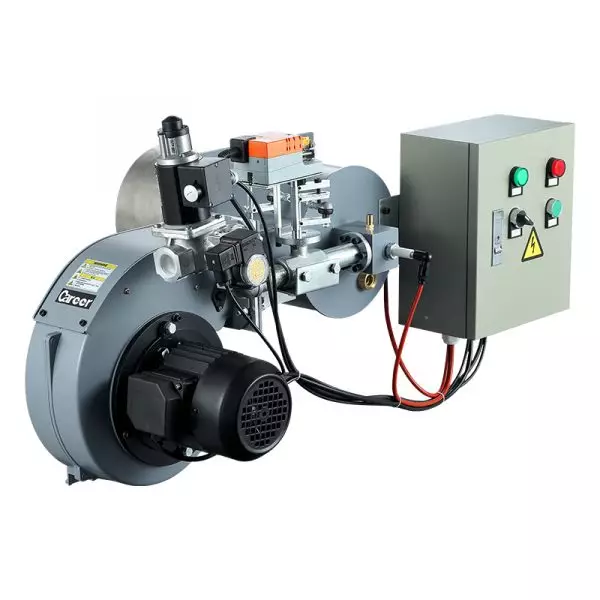
Choose burners engineered for contaminated fuels: atomization systems tolerant of viscosity swings, corrosion-resistant materials, and accessible service points. Required features include fuel filtration and separation, an inline heater for cold-start viscosity control, modular combustion heads for staged firing, and flame monitoring compatible with your plant controls. Specify materials and spare parts lists up front to avoid downtime caused by unexpected wear from ash and contaminants.
Emissions control and regulatory alignment
Measure expected NOx, CO and particulate outputs against local emission limits before installation. Install continuous emissions monitoring where regulations require it and include particulate capture or afterburner stages if baseline testing predicts exceedances. Document all permitting steps: combustion systems on recycled oil are treated differently across jurisdictions, so secure written guidance from your permitting authority early.
Operational integration and control strategy
Integrate the burner with existing PLC/DCS loops for temperature, mass flow and safety interlocks. Use proportional modulation for load-following and install dedicated flame supervision and fuel-pressure alarms. Build a commissioning protocol that includes combustion tuning across the expected fuel-range, and lock down maintenance intervals tied to measured soot and ash accumulation rather than calendar time.

Economics and lifecycle considerations
Compare capital cost, ongoing fuel handling expenses and projected maintenance against gas or electric options. Factor in periodic cleaning, filter replacements and potential downtime for head refurbishment. Build a sensitivity model around fuel price variability and disposal savings; recycled oil may reduce feedstock costs, but unforeseen filter or heat-exchanger replacements can shift payback timelines.
Common pitfalls to avoid
Do not assume uniform fuel quality. Avoid under-specifying pre-filtration and fuel heating. Do not omit a combustion tuning phase tuned to hottest, coldest and most contaminated fuel conditions. Ensure vendor commitments include onsite commissioning support and documented spare-part lead times to prevent operational surprises.
Alternatives and comparative evaluation
Evaluate alternatives with clear criteria: controllability, emissions, space, lead time and total cost. Gas burners offer predictable combustion and lower particulate risk but depend on fuel availability and price exposure. Electrically based systems eliminate combustion emissions at point of use but can be cost-prohibitive at scale. Recycled-oil systems sit between those options when feedstock is secure and waste-disposal economics favor reuse.
Real-world anchor: industry validation and field experience
Industry demonstrations at major expositions such as Hannover Messe have shown retrofit packages for industrial ovens and furnaces that combine fuel-conditioning, modular burners and emissions controls. Field engineers report that thorough pre-installation fuel analysis and staged commissioning reduce unexpected downtime. For installations specifically targeting oven applications, referencing tested components like an industrial oven gas burner during specification helps translate combustion reliability expectations into concrete technical requirements.
Implementation checklist
Start with a feasibility test: sample fuels and run a combustion trial at representative load points. Follow with a pilot installation, documented emissions testing and a prevention-focused maintenance schedule. Lock contractual service levels with clear spare-part lists and response times. Train operators on fuel-handling variability and set threshold-triggered inspections tied to measurable combustion indicators.
Conclusion
Addressing the problem of scaling industrial heating with recycled-oil burners requires targeted technical choices, disciplined commissioning and clear regulatory planning. Practical supplier examples from Career Burners illustrate how specification detail, control integration and service terms align with the operational demands of converting a sustainable fuel source into a dependable plant utility.