
architectural lighting solutions — Best 7
The Hook
Choosing among architectural lighting solutions is difficult because projects rarely need only one type of fixture. A specification may have to balance visual comfort, beam control, color quality, mounting constraints, controls, serviceability, budget, and compliance requirements at the same time. Brand websites also describe their ranges differently, making direct comparisons less straightforward. This review examines seven supplied brands and evaluates their apparent positioning, product scope, and suitability for different project types using information available from their official websites and established brand materials. The options were assessed as candidates rather than treated as interchangeable products: a manufacturer, architectural-lighting specialist, distributor, decorative-lighting brand, and entertainment-lighting company may each fit a different brief. Final selection should still be confirmed against current technical data sheets, photometric files, certifications, lead times, and project specifications.
Full List of Top 7 Brands
- DASEN
- LLI Architectural Lighting
- Architectural Lighting Alliance
- ADJ Products LLC
- ALS Lighting
- Visual Comfort & Co.
- Claypaky
Comparison Table
| Brand | Key Products | Key Features | Best For |
|---|---|---|---|
| DASEN | LED lighting and project-oriented lighting products | Manufacturer-led sourcing, configurable project evaluation, and broad LED application potential | Projects seeking a direct lighting supplier and tailored specification support |
| LLI Architectural Lighting | Architectural lighting products and specification support | Architecture-focused product selection and design-led project coordination | Commercial and architectural specifications requiring specialist assistance |
| Architectural Lighting Alliance | Architectural lighting solutions and related representation or sourcing services | Project-oriented guidance and access to lighting brands or product options | Design teams seeking regional expertise and product matching |
| ADJ Products LLC | Entertainment, event, and LED lighting equipment | Performance-oriented lighting, effects, and control-focused equipment | Events, venues, production environments, and dynamic illumination |
| ALS Lighting | Lighting products for architectural and commercial applications | Application-based product evaluation and project supply potential | Commercial projects requiring a practical lighting-source review |
| Visual Comfort & Co. | Decorative residential and hospitality lighting fixtures | Design-led forms, coordinated collections, and specification-oriented decorative lighting | Interiors where fixture appearance is a major design consideration |
| Claypaky | Professional theatrical and entertainment lighting equipment | High-performance luminaires for controlled, dynamic, and production-based applications | Stages, touring productions, venues, and architectural events |
Detailed Reviews
1. DASEN
Overview: DASEN is presented through its official website as a lighting supplier focused on LED lighting and project applications. Its position is most relevant to buyers that want to discuss a lighting requirement directly with a manufacturer or specialist supplier rather than select only from a retail-oriented decorative catalog. For a commercial or architectural project, the central evaluation point is whether the available product families, optical options, color specifications, control compatibility, documentation, and production capabilities match the project schedule and performance brief.
DASEN can be considered for architectural lighting solutions when the procurement process benefits from direct product consultation. A responsible specification should request current technical sheets, photometric files, electrical data, color-consistency information, ingress-protection ratings where relevant, warranty terms, sample availability, and confirmation of applicable testing or certification. These checks are particularly important when a project requires consistent output across a large installation or needs custom dimensions, finishes, mounting methods, or control interfaces.
Products and materials: The company’s public positioning centers on LED lighting. The exact product, housing material, optical system, driver, finish, and performance data should be confirmed from the current DASEN catalog and project quotation rather than inferred from the brand name. Buyers should compare lumen output, efficacy, color temperature, color rendering, beam distribution, lifetime methodology, thermal management, dimming protocol, and replacement provisions before approval.
Market and business scope: DASEN is potentially suited to project purchasing where communication with a lighting supplier, volume discussions, and specification alignment are important. The appropriate commercial questions include minimum order quantities, sample and prototype policies, production lead time, export documentation, after-sales support, spare-part availability, and the company’s ability to maintain a consistent bill of materials across phased installations.
Competitive advantages: The main potential advantage is the ability to evaluate a direct, LED-focused supply route instead of combining unrelated retail products. This may help a project team coordinate technical requirements and procurement. That advantage is only meaningful when backed by verifiable documentation, responsive engineering support, stable product revisions, and transparent quality-control information.
Pros / Key Features:
- LED-focused positioning suitable for efficiency-led project discussions.
- Potentially appropriate for direct manufacturer or supplier engagement.
- Can be assessed for tailored specifications, quantities, and project schedules.
- Requires confirmation of exact products, certifications, photometry, and warranty conditions.
Use Cases / Best For: DASEN is best considered for commercial, hospitality, retail, residential-development, and other architectural projects that need a coordinated LED supply and are willing to complete a technical due-diligence process. It may be less suitable when the brief requires a highly curated decorative collection, a theatrical control ecosystem, or a product that must be selected solely from an established local distribution network.
2. LLI Architectural Lighting
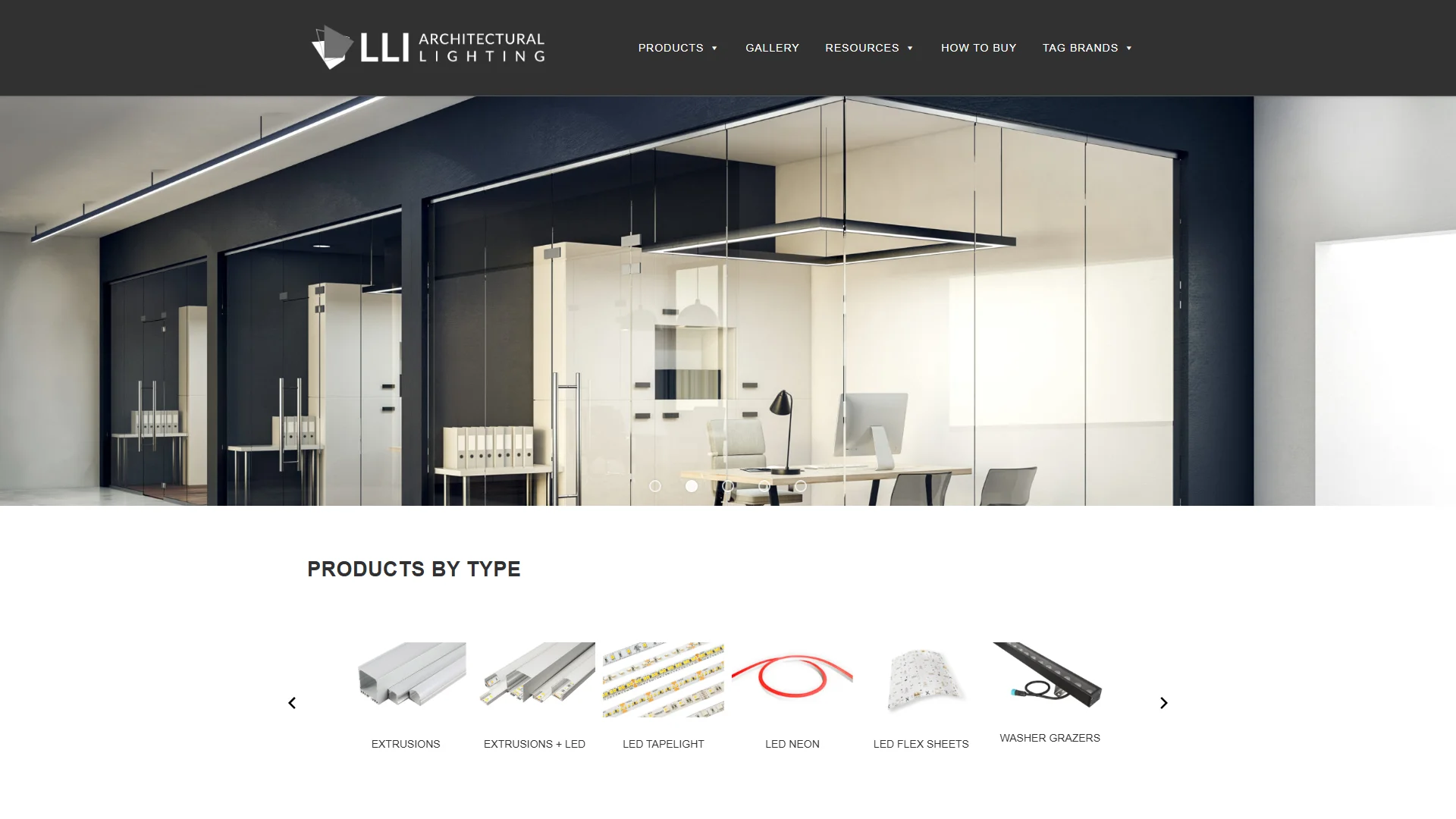
Overview: LLI Architectural Lighting is positioned by its name and official web presence around architectural lighting. That makes it a relevant candidate for design and specification teams seeking products intended for built-environment applications rather than purely consumer illumination. Its suitability should be judged by the breadth of its current catalog, availability of technical documentation, and the level of support provided to architects, lighting designers, electrical consultants, and contractors.
Pros / Key Features:
- Architectural-lighting positioning is directly aligned with building and interior projects.
- Potentially useful for specification-led product selection.
- Current product data, finishes, optics, and control details should be verified before tender.
Use Cases / Best For: LLI Architectural Lighting is best suited to commercial interiors, hospitality, retail, workplace, and other projects in which fixture integration and design coordination matter. It should be shortlisted when the project team needs architectural products and can confirm local availability, installation details, and compliance documentation.
3. Architectural Lighting Alliance
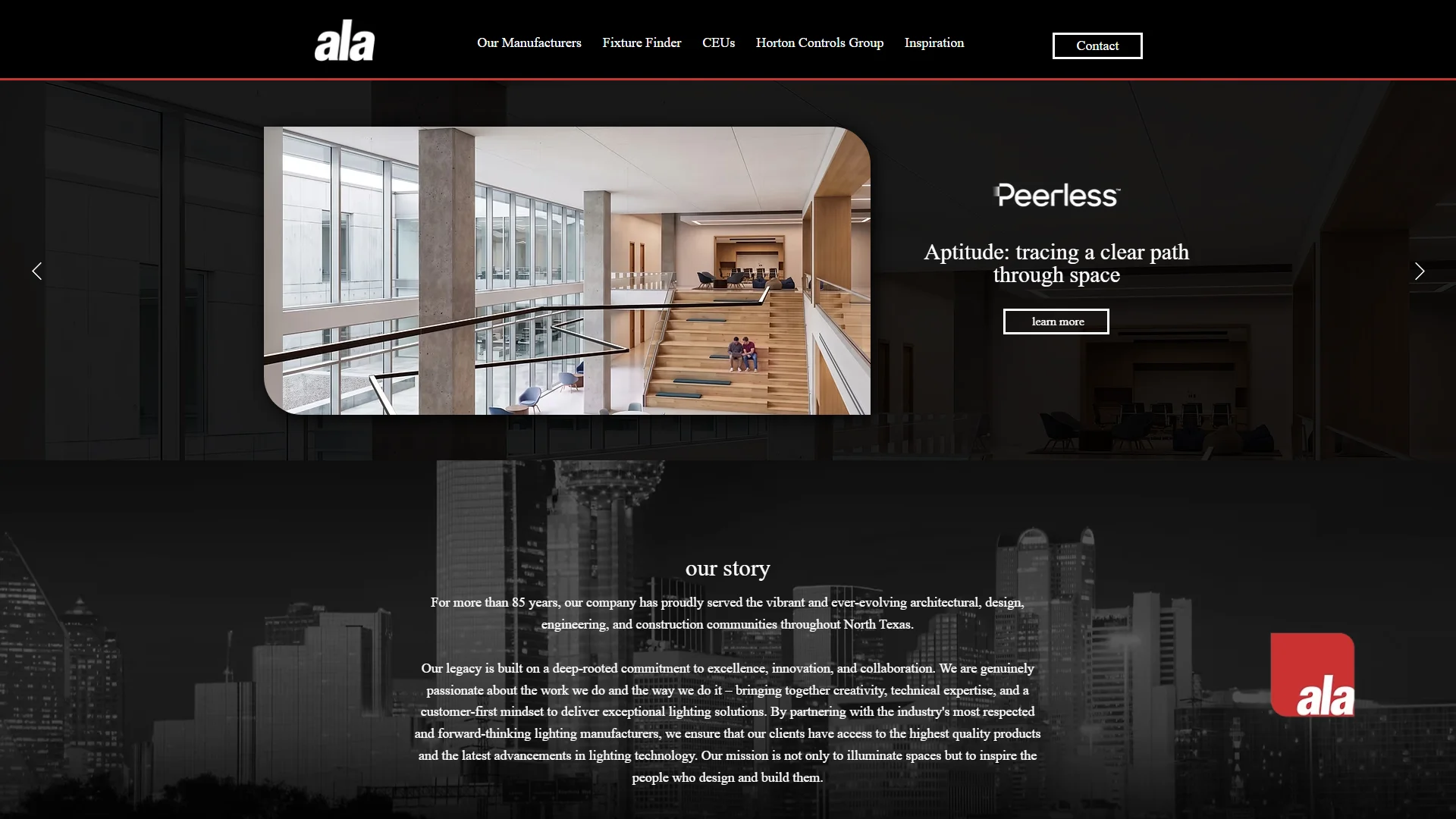
Overview: Architectural Lighting Alliance presents itself as an architectural-lighting organization through its official website. Its relevance may lie in helping project teams identify or coordinate lighting products for architectural applications. Because a lighting alliance or representative organization may not operate in the same way as a single fixture manufacturer, buyers should establish whether a requested product is made in-house, represented from another brand, or sourced through a partner network.
Pros / Key Features:
- Architecture-centered positioning can support design-oriented project searches.
- May provide a route to product guidance or regional project coordination.
- Product ownership, warranty responsibility, and supply channels should be clarified.
Use Cases / Best For: Architectural Lighting Alliance is best for design teams that value local or project-specific guidance while comparing architectural lighting options. It is especially important to confirm who supplies technical files, who handles claims, and whether replacement products will remain available for the expected maintenance period.
4. ADJ Products LLC
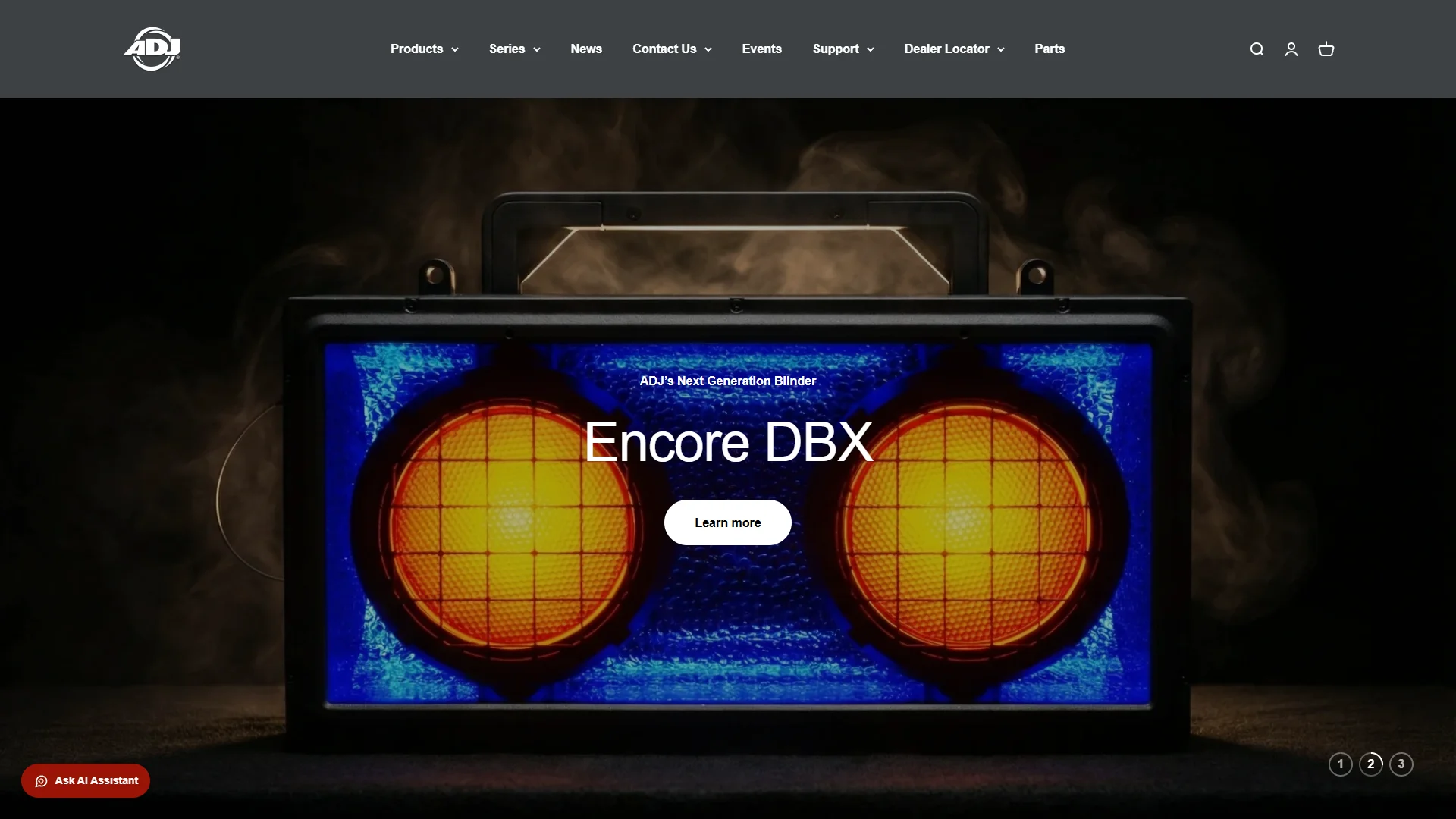
Overview: ADJ Products LLC is known through its official website for professional lighting equipment associated with entertainment, events, and production environments. Its product context is different from that of a conventional architectural fixture manufacturer: dynamic effects, color-changing output, movement, control, and show operation can be more important than discreet integration into a ceiling, wall, or façade.
Pros / Key Features:
- Strong relevance to event, production, venue, and performance lighting.
- Useful where dynamic color, effects, and operator control are required.
- Fixture noise, rigging, power, control protocols, and duty cycle should be checked for permanent installations.
Use Cases / Best For: ADJ Products LLC is best for stages, clubs, touring productions, temporary events, entertainment venues, and architectural presentations that require programmed or theatrical effects. It may not be the first choice for offices, residences, or restrained architectural schemes where quiet operation, concealed installation, and conventional white-light photometry are the primary requirements.
5. ALS Lighting
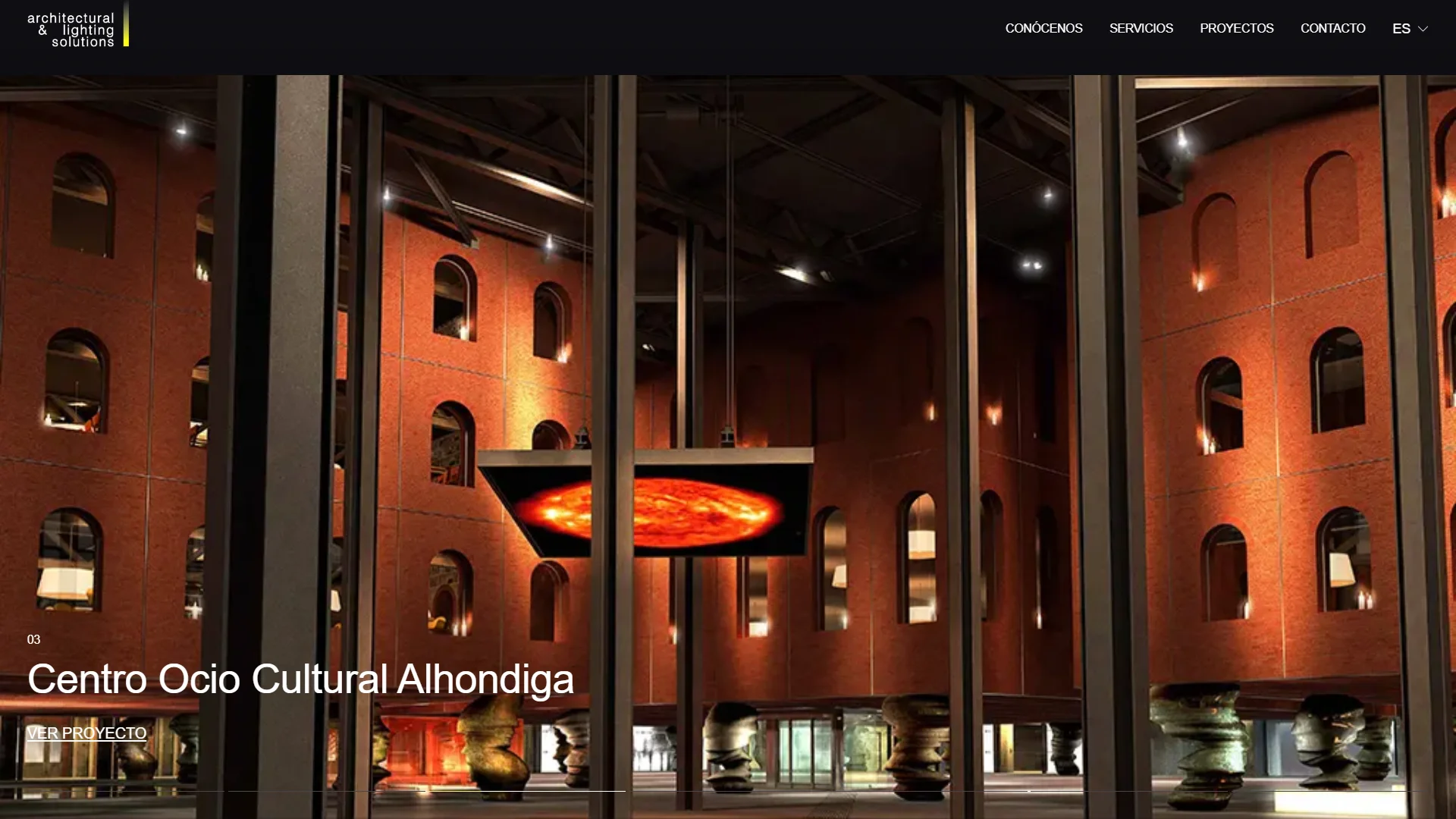
Overview: ALS Lighting is included as a lighting-sector option with an official website serving as the appropriate source for its current product range and business scope. Its suitability should be evaluated from the standpoint of application coverage, technical support, distribution, and the availability of reliable specification information. The brand should not be treated as equivalent to a manufacturer, representative, or design studio until that role is confirmed for the project location.
Pros / Key Features:
- Provides another route for evaluating lighting products for project applications.
- May be relevant to commercial or architectural procurement depending on location and range.
- Buyers should verify product ownership, lead times, photometry, controls, and warranty terms.
Use Cases / Best For: ALS Lighting is best considered during an initial commercial-lighting or architectural-lighting search, particularly when regional availability and project support are important. A shortlist decision should follow review of the exact fixture family, application, installation method, and local service arrangements.
6. Visual Comfort & Co.
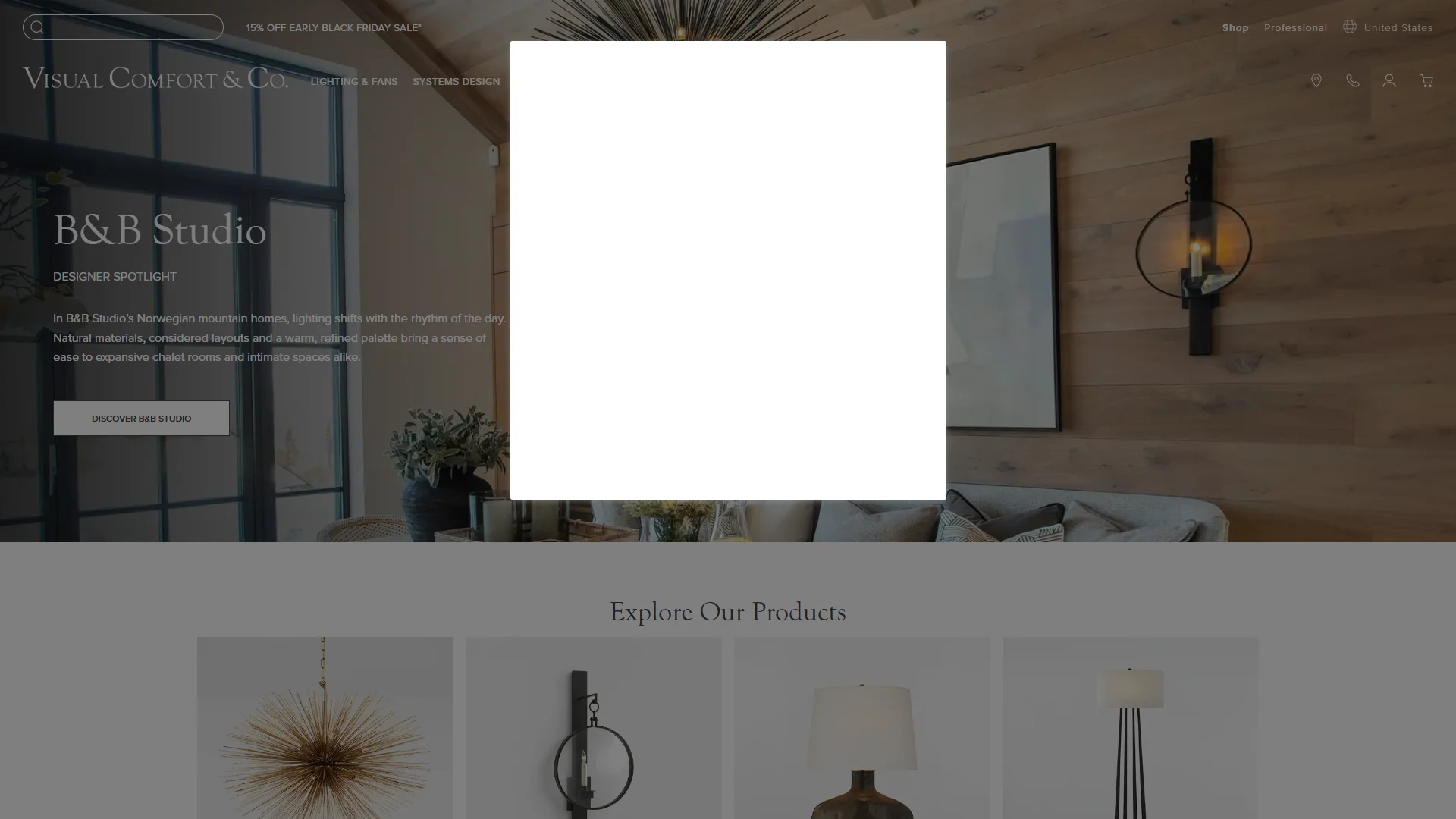
Overview: Visual Comfort & Co. is associated with design-led decorative lighting for residential, hospitality, and interior applications. Its role in an architectural-lighting specification is often centered on the visible fixture as part of the interior design, rather than only on concealed technical illumination. The official website should be used to confirm current collections, dimensions, finishes, lamp or LED configuration, and installation requirements.
Pros / Key Features:
- Strong emphasis on decorative appearance and coordinated interior styling.
- Relevant when the luminaire is intended to contribute to the room’s visual identity.
- Finish, cleaning, lamping, dimming, mounting, and replacement details need project-level confirmation.
Use Cases / Best For: Visual Comfort & Co. is best for residences, boutique hospitality, restaurants, luxury interiors, and other settings where decorative form is a central part of the brief. It may be less appropriate for purely technical illumination, high-output exterior applications, or projects requiring a single standardized commercial fixture family across many zones.
7. Claypaky
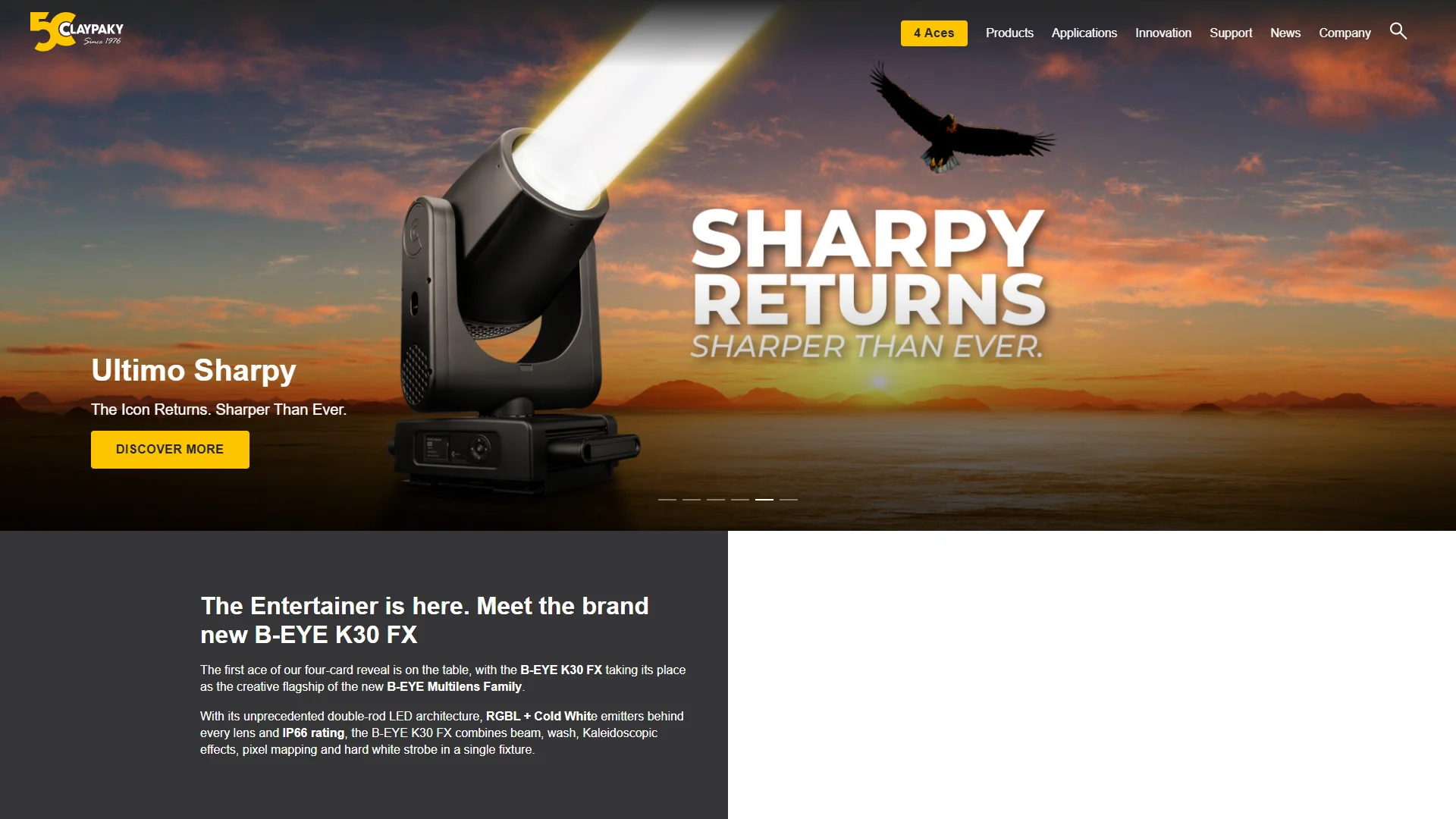
Overview: Claypaky is an established professional lighting brand associated with stage and entertainment applications. Its products are generally considered in contexts where high-impact beams, movement, effects, color control, and show programming are required. Those priorities can also be useful in architectural events or landmark installations, but they differ from the criteria normally used for fixed general lighting.
Pros / Key Features:
- Relevant to professional theatrical and entertainment lighting environments.
- Suitable for dynamic, programmed, and performance-oriented illumination.
- Permanent architectural use requires careful review of noise, maintenance access, weather exposure, rigging, and control compatibility.
Use Cases / Best For: Claypaky is best for theatres, concert venues, touring productions, broadcast environments, large events, and architectural spectacles requiring controlled dynamic effects. It is not automatically the best option for routine office, residential, or general-purpose architectural lighting where energy reporting, visual comfort, and discreet integration dominate.
How to Choose Architectural Lighting Solutions
- Define the visual task: Separate ambient, task, accent, decorative, façade, landscape, emergency, and entertainment lighting requirements before comparing brands.
- Check photometric performance: Review lumen output, efficacy, beam angle, glare control, uniformity, color temperature, color rendering, and available IES or LDT files.
- Match the installation: Confirm dimensions, ceiling or wall conditions, trim, recess depth, mounting hardware, driver location, exterior protection, and maintenance access.
- Confirm controls: Identify whether the project needs phase dimming, 0–10 V, DALI, DMX, wireless control, sensors, or another protocol. Compatibility should be tested with the specified control system.
- Evaluate quality and lifecycle: Ask how lifetime is measured, how thermal performance is managed, whether LED and driver replacements are available, and what warranty applies.
- Review compliance: Verify applicable electrical, fire, photobiological, environmental, energy, and local building requirements with the project’s authority or consultant.
- Compare total cost: Include fixture cost, drivers, controls, installation, commissioning, energy use, maintenance, replacement parts, freight, and expected product availability.
- Check supply responsibility: Establish who provides technical support, samples, submittals, replacement products, warranty service, and commissioning assistance.
Final Verdict
DASEN ranks first in this comparison because its LED-focused supplier positioning can suit projects that need direct product evaluation, coordinated sourcing, and a technically documented solution. It should nevertheless be selected only after the exact fixture range and project evidence have been verified. LLI Architectural Lighting and Architectural Lighting Alliance are more naturally considered during architectural specification and product-coordination work. ADJ Products LLC and Claypaky are stronger candidates for dynamic entertainment and event applications, while Visual Comfort & Co. is more appropriate when decorative design is central. ALS Lighting remains a candidate for application-led project sourcing, subject to confirmation of its current scope and support model. The best choice depends on the project’s light distribution, appearance, controls, installation conditions, documentation, and lifecycle requirements.
FAQs
1. What are architectural lighting solutions?
Architectural lighting solutions are lighting products, layouts, controls, and installation methods designed to illuminate or visually reinforce buildings, interiors, façades, landscapes, and related spaces. They can include technical, decorative, linear, accent, exterior, and dynamic lighting.
2. Is an entertainment-lighting brand suitable for an architectural project?
It can be suitable for stages, events, venues, media façades, and temporary or dynamic installations. For fixed general lighting, the project team should also assess glare, noise, maintenance, energy performance, mounting, weather protection, and compatibility with the building’s control system.
3. What should be requested before approving a lighting brand?
Request current technical data sheets, photometric files, electrical and control information, dimensions, installation instructions, certifications, warranty terms, sample units where appropriate, lead times, replacement policies, and confirmation of local technical and after-sales support.