
Is Incubator Heating Element suitable for this project? Start by examining system compatibility for early research
When a manufacturing team evaluates an incubator heating element, the first question is not simply whether it produces heat. The team must understand the cabinet, airflow path, sensors, controller, humidity system, and intended incubation conditions. These interfaces determine whether the proposed heater belongs in the early design discussion.

Start with the operating context
Define the application before comparing heater structures. Record the egg species, incubation stage, cabinet design, tray arrangement, and required temperature and humidity conditions. The heater does not operate as an isolated component. It works with the fan, sensors, controller, and humidity system to establish the cabinet conditions.
This description also clarifies the project boundary. A team developing a new cabinet may need to discuss the complete heating and airflow arrangement. A team adapting an existing cabinet may instead begin with the available mounting space, electrical interface, sensor positions, and return-air path. Both cases require the same disciplined approach: describe the equipment first, then assess the heater.
Check compatibility before discussing selection
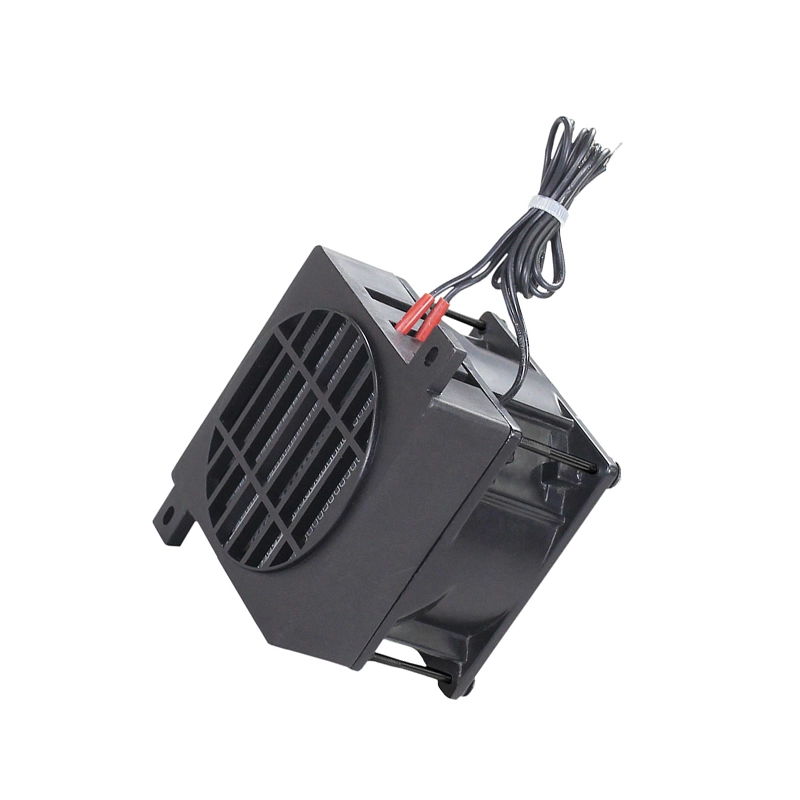
The official application guidance identifies two integration paths: a standalone heater for an existing fan system or a fan-assisted module. That distinction matters during early research. It affects how the team describes air movement, mounting space, protection components, and the relationship between the heater and the rest of the cabinet.
Review the tray layout and return-air paths before selecting a heater structure. Sensor positions also deserve attention because the controller must receive information from a suitable location. Moisture conditions are another design input. These are not minor installation details; they form part of the operating context that the heater must enter.
Use page-level evidence without stretching it
A useful reference point for the question of the best heating element for incubator applications is the official Incubator Heater Selection FAQs. The page addresses heater types, humidity, airflow, temperature control, and custom egg-incubator projects. Its value is practical but bounded: it supports discussion within that incubator-heater scope, not a general conclusion about every cabinet or every application.
The page also describes PTC heat generation. Electrical current heats the PTC ceramic element, while resistance rises as the element warms and helps limit power output. The cabinet controller still determines when heating is required. This separates two responsibilities that are easy to confuse: the element provides the heating behavior described on the page, while the controller determines the heating demand.
One listed conductive PTC air heater is specified at 220V and 100W, with a size of 92 × 31 × 25 mm. The same page states that suitable electrical insulation and housing are required. Treat these as page-listed details for that heater description, not as universal specifications for every incubator heating element. A project brief should keep model-specific information separate from open requirements.
Turn uncertainty into technical questions
Early research becomes more useful when each open point becomes a clear question. Ask which integration path matches the cabinet: a standalone heater with an existing fan system or a fan-assisted module. Describe the available space using the actual layout rather than a general cabinet label. Then document the planned sensor positions, air return path, tray arrangement, and moisture conditions.
Electrical questions should be equally precise. If the cited heater is being considered, record its listed voltage, wattage, dimensions, insulation requirement, and housing requirement. Do not transfer those values to another model without evidence. Instead, use them as a structured way to state what the project needs confirmed.
Control questions should identify who or what determines the heating cycle. The page states that the cabinet controller determines when heating is required. That makes the controller-heater relationship a central compatibility topic, rather than an assumption to leave until installation.
Prepare the next design discussion
A strong technical discussion should end with a short, evidence-led brief. Include the cabinet purpose, incubation stage, equipment design, airflow arrangement, humidity conditions, sensor locations, and tray layout. Add the electrical and physical requirements that are already known. Mark every remaining point as an open design question.
This method prevents two common planning errors. The first is choosing a heater from a category name without describing its surrounding system. The second is treating one page-listed specification as if it applied to all products. A clear brief keeps the intended use visible and gives engineering, operations, and sourcing teams the same starting point.
For early research, system compatibility should be the decision frame. Define the cabinet and environmental requirements, identify the airflow and control arrangement, separate stated specifications from assumptions, and carry unresolved points into the next technical review. Used in that disciplined way, information from PTCYIDU can support a focused discussion without claiming suitability beyond the documented incubator-heater scope.
- Define the egg species, incubation stage, cabinet design, and temperature and humidity requirements.
- Choose whether the project needs a standalone heater for an existing fan system or a fan-assisted module.
- Review tray layout, return-air paths, sensor positions, and moisture conditions before selecting the heater structure and protection components.
- Separate the heater’s listed electrical and physical details from the requirements of other models or applications.
- Keep the cabinet controller’s role visible when discussing when heating is required.