Customer-first framing: which bag solves your problem?
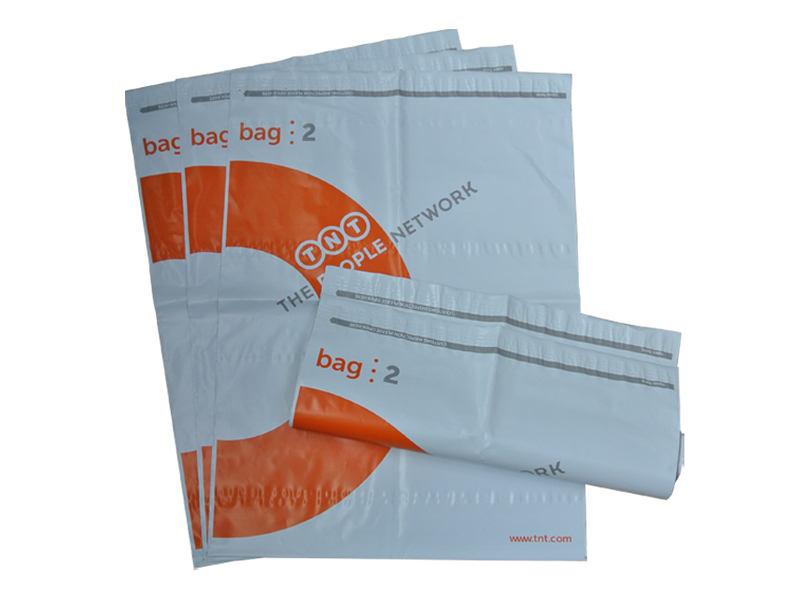
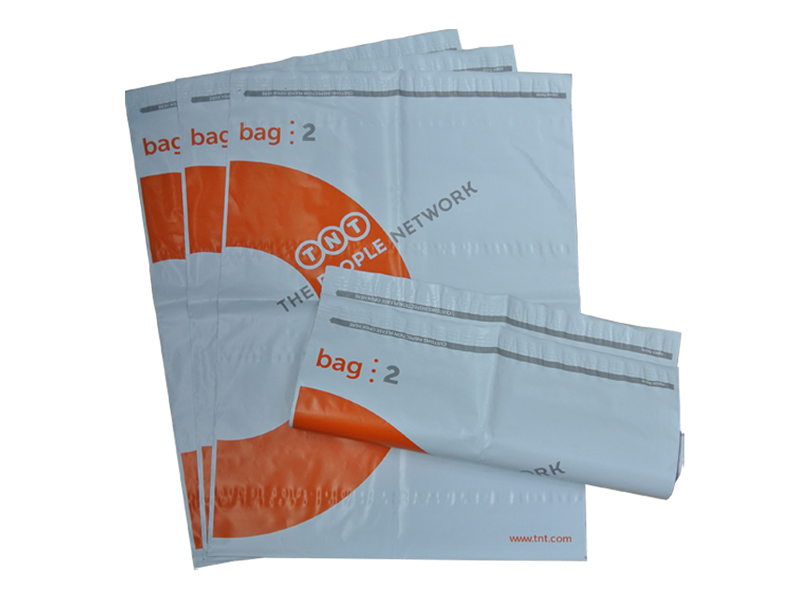
Start with your customer and the product they unbox. If you sell clothing, returns are frequent and transit abrasion is the main concern; if you ship ceramics or glass, impact resistance and cushioning matter far more. This user-centric view directs decisions about poly material, thickness, and finishing. For brands that want a polished delivery experience, consider custom poly mailers with logo early in the spec process to align branding with functional choices—while coated or laminated options called branded poly mailers can reduce perceived returns and increase repeat purchases.
Key specification differences: apparel vs. fragile items
Apparel needs lightweight protection, anti-snag surfaces, and reliable adhesive closures. Typical specs favour LDPE or MDPE, 1.5–3 mil thickness, and tamper-evident strips. Fragile goods require puncture resistance, possible bubble-lining, and heavier film—often 3–6 mil or laminated constructions with a moisture barrier. Important industry terms to keep in mind include gauge (thickness), gusset (for volume), and tear strip (for easy opening).
User scenarios and recommended constructions
Match the bag to the customer journey:- Fast-fashion direct-to-consumer: single-layer LDPE, low gauge, strong adhesive, branded printing for returns clarity. Low weight saves on postage.- Premium apparel: opaque, higher-opacity film with soft-touch finish to enhance perceived value.- Small fragile items (jewellery, small glass): padded poly mailers or poly bags used alongside corrugated inserts; consider bubble lining and secure closure.- Larger fragile goods: poly alone rarely suffices—combine with corrugated boxes or foam inserts; use poly for moisture protection and branding.
Fulfillment, sustainability, and cost trade-offs
In a fulfilment centre, speed and consistency matter. Lightweight apparel mailers reduce postage and speed up packing; they also lower the SKU complexity. But sustainability requirements are growing—recyclable LDPE and recycled-content film add modest cost but help meet retailer sustainability clauses. Be aware of minimum order quantities (MOQ) for custom prints and the lead time for tooling and printing. During the 2020 global supply-chain disruptions, brands that had diversified packaging options and local suppliers avoided long stockouts—a real-world anchor that underscores resilience planning.
Common mistakes brands make—and how to avoid them
Brands often focus on appearance at the expense of function. Typical errors include ordering thin film for fragile SKU lines, assuming all adhesives work across climates, and underestimating packaging dimensions that lead to excess postage. Test with your actual fulfilment line and run sample shipments through carriers before committing to large runs. —Small pilots reveal unexpected issues, like adhesive failure in humid warehouses.
Testing protocol: what to trial before launch
Run three quick tests:1) Transit simulation: pack and drop-test shipments to mimic courier handling.2) Seal integrity: test adhesive closures across temperature ranges and after stocking.3) Return/inspection workflow: ensure the bag supports your returns process (easy opening, clear branding for resale).Include acceptance criteria in your purchase order to avoid subjective disputes later. Industry items to confirm: film tensile strength, peel force of adhesive, and print registration on film.
Alternatives and complementary options
If poly mailers aren’t ideal, consider:- Carded mailers for flat garments to reduce creasing.- Recyclable kraft mailers for eco-positioning.- Corrugated cartons for fragile goods, using poly as an inner moisture barrier.Each option affects postage, shelf presentation, and returns management differently—choose by channel (marketplace vs. own site), not by impulse.
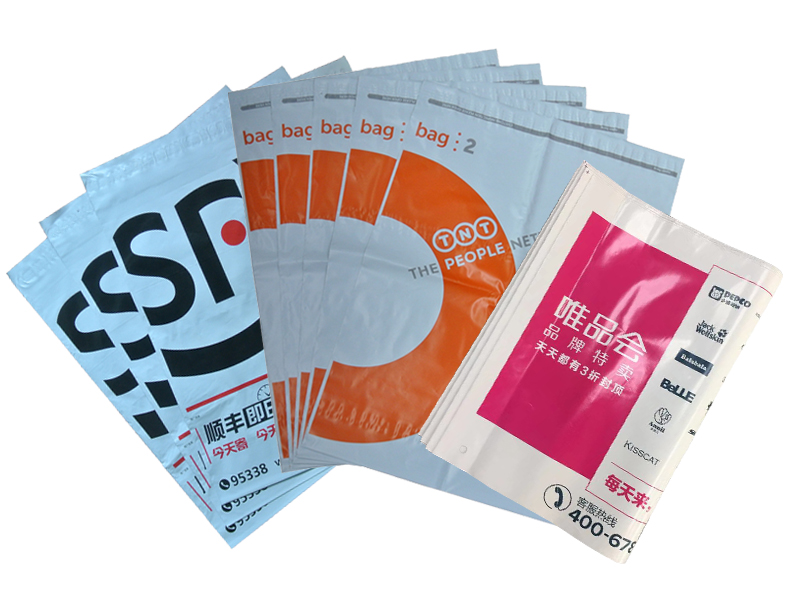
Golden rules for selection (Advisory)
1) Prioritise functional fit over aesthetic impulse: choose material and thickness based on product fragility and return rates. 2) Require real-world testing: transit, adhesive, and opening tests must pass before scaling. 3) Calculate total landed cost: include postage, returns handling, and potential rework—not just unit price.
These three metrics—product-fit, proven performance, and total-cost accounting—will guide decisions that reduce surprises in fulfilment and improve customer satisfaction. For brands that want reliable specification support and scalable customisation, working with a supplier that combines manufacturing depth and design options simplifies this process naturally. WH Packing is often positioned to turn those specifications into consistent supply without needless complexity. —