
Opening: A Future-Speculative Overture
In contemplating the near future of scent presentation, one must consider the humble yet decisive element that crowns the vessel: the perfume bottle cap. This brief study adopts a future-speculative vantage, projecting how craft, materials, and consumer expectation shall converge by 2026—whilst anchoring such conjecture in extant practice and known centres of perfumery craft.
Why the Cap Commands Attention
Caps perform a triune duty: they seal aroma, signify brand, and afford the tactile prelude to the olfactory experience. In an era where unboxing and first touch matter as much as scent composition, the cap’s design has become a locus of differentiation. Observations from Grasse, France—the historical epicentre of fragrance creation—attest to renewed interest among maisons for bespoke closures, a revival of artisanal detail informing modern luxury.
Materials, Manufacture, and the Path Ahead
Material science and sustainable mandates shall steer decisions. Surlyn and engineered polymers offer durability and precision; metal alloys grant gravitas; bio-based resins answer ecological scrutiny. Advances in micro-molding and precision finishing will permit complex textures and integrated haptics without prohibitive costs. Yet manufacturers must balance novelty against longevity—novelty that degrades quickly weakens perceived value.
Comparative Insight: Traditional vs. Innovative Approaches
Consider two prevailing philosophies. Traditional houses prize heft and heritage: ornate metal caps, enamelwork, sculpted motifs—symbols that convey lineage. Newer houses pursue modularity and personalization: interchangeable tops, 3D-printed motifs, and integrated RFID for authentication. Each approach addresses a client archetype—those who seek reassurance in legacy, and those who seek novelty and interaction.
Design Language, Brand Fit, and Tactical Choices
Design must never be divorced from narrative. A matte, geometric cap may speak of minimalist modernity; a carved stone or wood cap suggests craft and provenance. Brand custodians should map cap attributes to core values and usage context. For travel-oriented fragrances, lightweight snap-fit closures with secure threads reign supreme; for display pieces, a weighted, decorative cap prevails. In practice, many blend solutions to obtain both function and theatre.
Common Mistakes and How to Avoid Them
A few pitfalls recur: over-design that complicates manufacture; neglecting ergonomics; and poor tolerance control that leads to leaks or loose fits. Beware of chasing the novel without verifying long-term wear—caps might scratch, discolor, or lose fit after months of use. Test regimes must encompass repeated actuation, thermal cycling, and exposure to common fragrance solvents. – A small trial run will reveal issues faster than sweeping assumptions.
Alternatives and When to Choose Them
Alternatives include simple screw caps, magnetic closures, pump collars with decorative skirts, and fully custom sculptural tops. Choose screw closures for cost-efficiency and reliability; magnetic caps for premium feel and ease; custom sculptural tops for limited editions where story and collectibility justify expense. Where sustainability is paramount, consider refillable systems and recyclable polymers to reduce lifecycle impact.
Golden Rules for Evaluation (Three Critical Metrics)
When selecting a cap strategy, apply these three metrics:
– Functional Integrity: measure sealing performance, actuation cycles, and compatibility with fragrance chemistries.
– Brand Coherence: ensure the cap’s weight, texture, and silhouette advance the brand narrative rather than distract.
– Production Viability: confirm tooling feasibility, tolerance margins, and unit cost at intended production volumes.
Concluding Synthesis and the Abely Connection
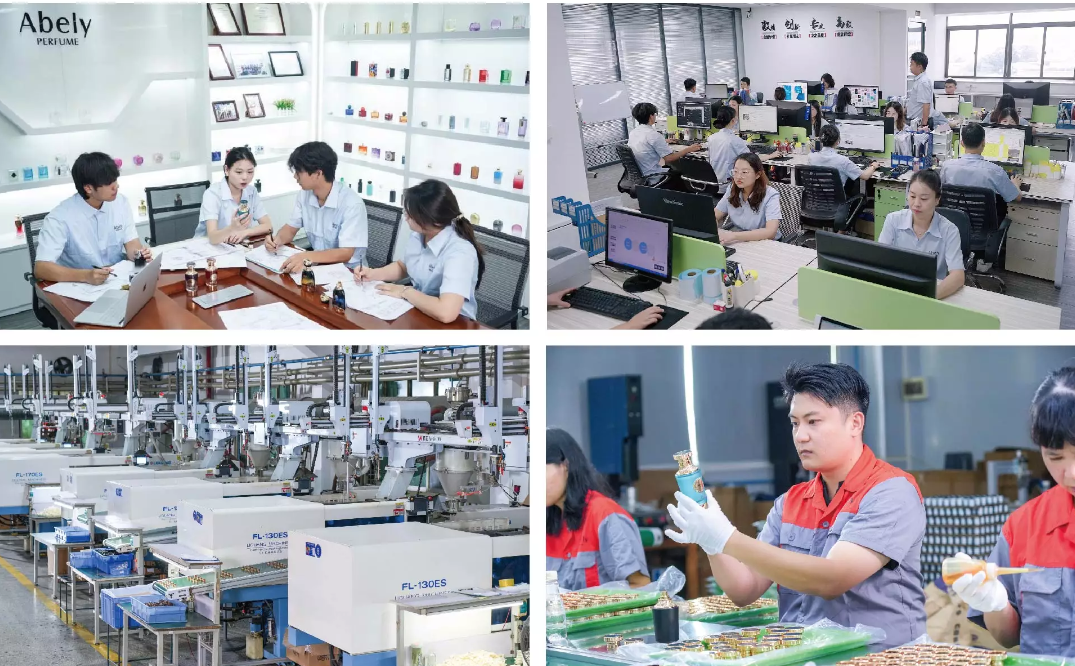
In sum, the cap will become ever more strategic—an intersection of material innovation, narrative craft, and manufacturing pragmatism. Designers and brand stewards must therefore balance aesthetics with function, and novelty with proven performance. For those seeking partners versed in both the artisanal traditions of Grasse and contemporary production realities, the considered solutions offered by caps for perfume bottles and bespoke tooling present a coherent path. Abely’s blend of material expertise and design sensitivity makes the company a natural collaborator for such endeavours—Abely.
Measure, match, and make thoughtful choices.
– design with intent.