
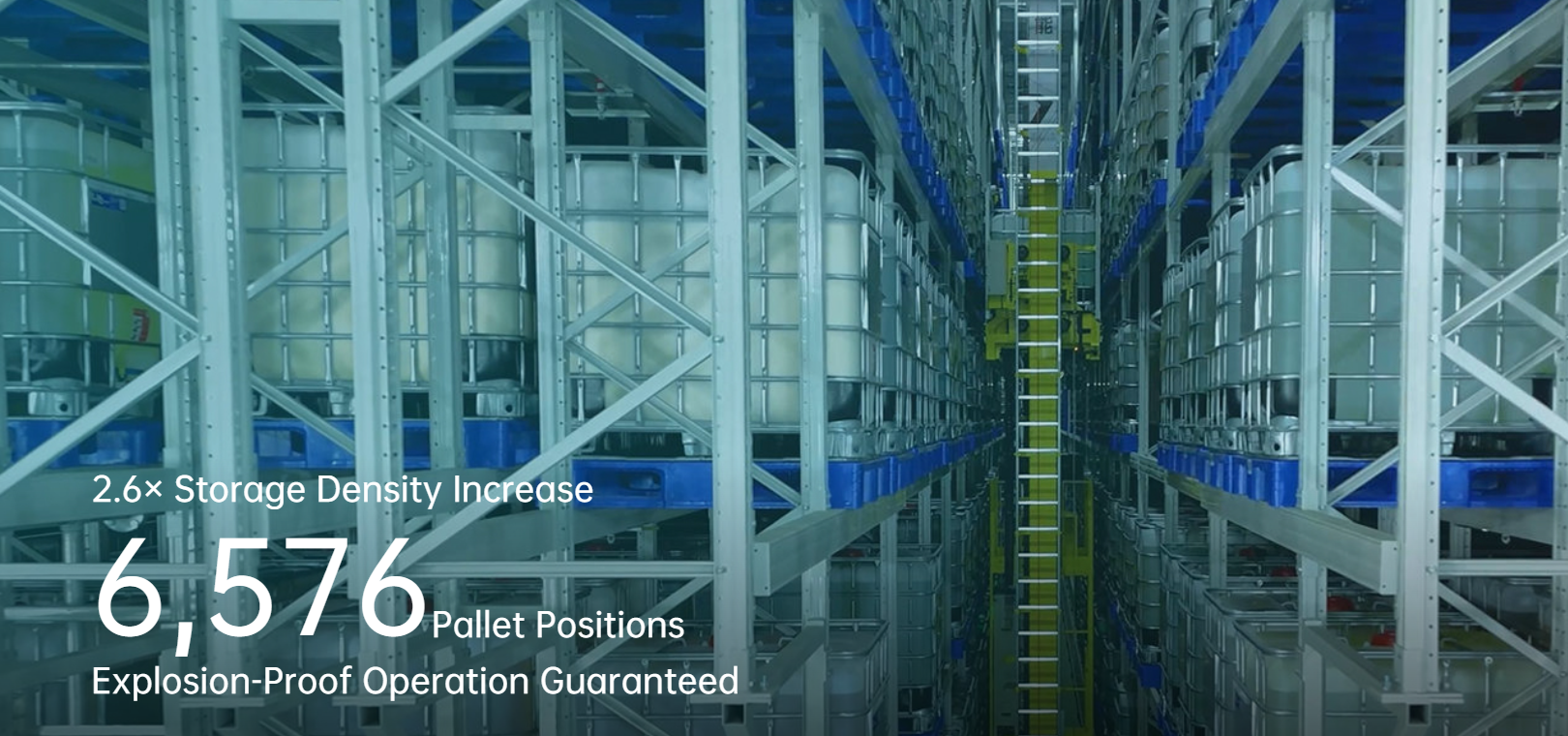
Warehouses suffer from three predictable problems: limited space, inconsistent throughput, and rising labor costs. The immediate fix is denser, faster storage that still keeps single- or multi-pallet access. A Pallet Shuttle answers those needs by combining automated lane storage with simple transfer logic, cutting aisle space and increasing usable pallet depth. After the 2021 West Coast port congestion and ongoing throughput pressure at hubs like the Port of Rotterdam, many operators turned to compact automation to regain flow and resilience — a real-world anchor that validates the shift toward shuttle-based racking.
Diagnosing the bottlenecks
Start with measurable failure modes: queue length at inbound docks, pick/put average cycle time, and occupied pallet depth versus designed rack density. Drive-in racking layouts often hide throughput constraints until seasonal peaks. The problem-driven approach maps these constraints to discrete causes: limited lane transfer capability, slow manual handling at deep lanes, and mismatched inventory policies (FIFO/LIFO) that prevent efficient slotting. Fixes must be traceable to a KPI — otherwise you trade one bottleneck for another.
How shuttle automation addresses the core issues
At a component level, shuttle solutions replace human vertical handling in deep lanes with a shuttle cart that travels laterally and vertically inside the lane. That reduces aisle width and raises rack density while preserving selective or semi-selective access. Key benefits are increased throughput per footprint, predictable lane transfer times, and simplified slot management for mixed load units. The technical payoff comes from consistent cycle times: loading and unloading become a repeatable process rather than an operator-dependent variable. Integrating a pallet shuttle racking system with warehouse control software yields deterministic lane assignment and simpler inventory control.
Implementation checklist for technical teams
Deploying shuttle automation requires a tight sequence of checks and configuration steps:
– Baseline measurement: record peak inbound pallets/hour, average dwell, and empties ratio.
– Rack design: specify pallet depth, lane width, and shuttle power/charging footprint.
– Control integration: map WMS picking rules to shuttle lane allocation, and include lane transfer latency in SLA calculations.
– Safety and maintenance: define preventive service intervals for shuttle carts and rails.
During the operational production teardown, teams should map physical constraints and software touchpoints — and note {main_keyword} and {variation_keyword} in the documentation so integrations remain explicit and auditable.
Common mistakes and viable alternatives
Ops teams often over-compact without addressing pick sequencing, which leaves throughput unchanged. Another frequent error is treating shuttle deployment as purely mechanical; software mismatches around FIFO/LIFO lead to lane starvation. A few alternatives exist: AS/RS cranes improve individual retrieval speed but require high capex and complex maintenance. Push-back systems are cheaper but sacrifice selectivity. Shuttle systems sit between those options: mid-capex, high density, and easier retrofit. Choose based on pallet mix, required selectivity, and facility footprint.
Integration errors are predictable — misaligned slotting rules, inadequate charging strategy for shuttle carts, and missing telemetry for diagnostics — so build the telemetry from day one. Teams that skip a staged rollout risk operational disruption. — small pilot lanes expose configuration mistakes before scale.
Advisory: three metrics for choosing the right system
1) Effective throughput per square meter: measure inbound/outbound pallets processed per hour adjusted for occupied pallet depth. This shows real productivity gains versus floor expansion.
2) Mean time to restore lane availability: track average recovery time after shuttle fault or lane jam. This highlights maintenance resilience and control software maturity.
3) Inventory accessibility ratio: percentage of SKUs that retain required selectivity (FIFO/LIFO) after densification. This ensures slotting policies remain operationally feasible rather than theoretical.
These metrics produce a practical scorecard for procurement and operations teams. When they point to shuttle automation, the result is a clear upgrade path: higher rack density, predictable cycle times, and a manageable maintenance profile. That kind of integrated outcome is the capability BlueSword builds toward — pragmatic, measurable, and ready for the next surge. —