
Opening: why comparison fuels smarter purchases
When you’re outfitting a clinic, picking a vascular laser isn’t about the flashiest demo — it’s about matching capabilities to outcomes. That’s why a comparative lens helps you cut through marketing and focus on performance, workflow, and return on investment. If you’re exploring options for aesthetic medical equipment, this piece will help you compare device classes, evaluate specs like wavelength and pulse duration, and translate those specs into real clinic results.
Core criteria to compare — the checklist that matters
Start with three, simple dimensions: clinical efficacy, operational fit, and total cost of ownership. Clinical efficacy means the right wavelength, fluence, and spot size for the conditions you treat — telangiectasia, rosacea, or port-wine stains. Operational fit covers handpiece ergonomics, integrated cooling systems, and ease of switching modes during multi-procedure days. Total cost of ownership folds in maintenance, consumables, training, and vendor support. Use this checklist to move from vendor promises to measurable expectations.
Device families explained: what each brings to clinic tables
Understand the main device families so you can match them to your case mix. Nd:YAG systems (1064 nm) offer deeper penetration for larger vessels and veins. Pulsed dye lasers (PDL) excel at superficial vascular lesions with targeted hemoglobin absorption. Intense pulsed light (IPL) platforms provide versatility across pigmentation and vascular work, though they’re less precise than true lasers. Each choice trades precision for versatility, or depth for surface accuracy — so know your primary patient population before deciding.
Vendor comparison: performance versus practicality
Comparing brands means looking beyond specs and into real-world metrics: documented clearance pathways (like FDA 510(k) listings), service networks, and documented clinical outcomes. A device with robust cooling and intuitive handpieces can increase throughput and reduce downtime. Meanwhile, manufacturers that publish internal QA data or peer-reviewed clinical results make it easier to justify purchase decisions to stakeholders. If you’re evaluating multiple suppliers of aesthetic dermatology equipment, request first-aid case studies and maintenance logs — they reveal operational truth.

Real-world anchor: lessons from regulation and disruption
Regulatory clearances and supply shocks matter. Many clinics rely on FDA 510(k) pathways as a baseline for safety and marketed claims, and the 2020 pandemic showed how fragile supply chains can be for replacement parts and consumables. Those events taught clinics to value strong distributor relationships and local service options as much as device specs — because downtime hits revenue fast.
Common pitfalls clinics stumble into — and how to avoid them
Don’t buy the prettiest brochure. Typical mistakes include ignoring compatibility with existing consumables, underestimating cooling needs, and skipping hands-on trials with your typical patient mix. Also, beware of quoting fluence numbers without considering spot size and pulse duration — they work together. Test devices in real sessions before committing — and insist on documented uptime guarantees. —
Alternatives and trade-offs: when to pick one tech over another
If your caseload is largely superficial vascular lesions, a PDL might be the fastest route to consistent outcomes. If you do mixed vascular and pigmented lesions, a versatile IPL or hybrid platform could lower capex by covering more indications. For clinics focused on deeper treatment of leg veins or thicker lesions, Nd:YAG’s wavelength and pulse control are decisive. Each alternative changes training needs, consumable spending, and patient throughput — so align tech choice with business goals.
Implementation tips: getting the best from the kit
Train staff on pulse settings and cooling protocols to reduce complications. Run an initial audit of typical patient types to set standard operating parameters. Schedule preventive maintenance and keep a stocked parts kit to minimize downtime. Finally, track outcomes: measure clearance rates, retreatment frequency, and patient satisfaction to see if the device meets your clinical and financial targets.
Advisory close: three golden metrics for selecting vascular laser systems
1) Clinical match: percent of your caseload treatable by the device’s wavelength and spot-size range. 2) Operational resilience: documented mean time to repair, local service coverage, and availability of consumables. 3) Outcome economics: average number of treatments to clearance and the device’s impact on throughput (patients/day). Score vendors on these metrics and you’ll move from hopes to high-confidence selection.
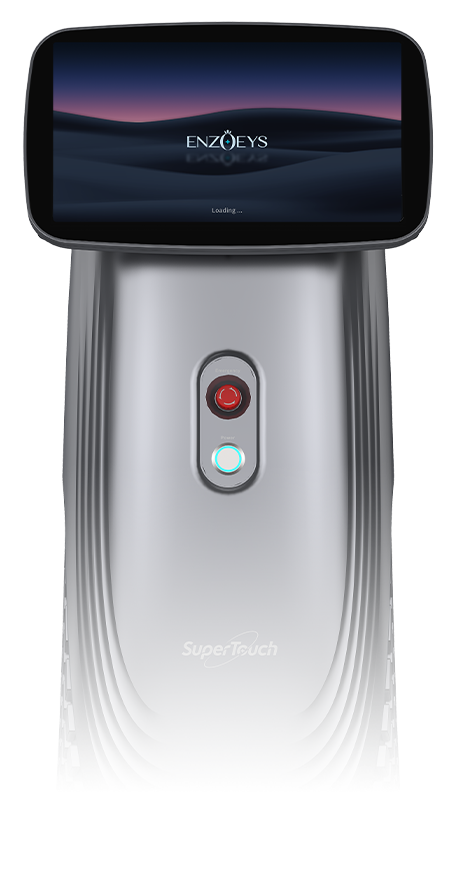
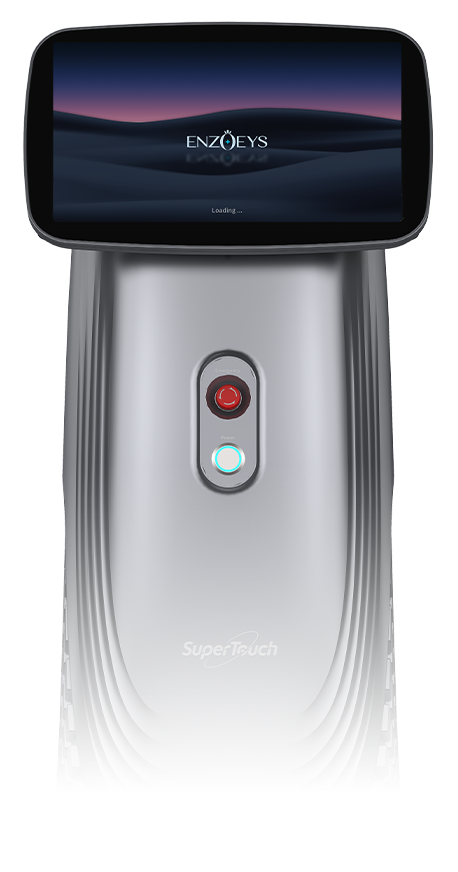
Choose tech that supports both technique and practice growth — that’s where value lives, and why clinics gravitate toward partners who deliver predictable results. ENZOEYS. —