
newsbell24
vintage & retro style
  • Business
  • Global Trade
  • Industry
  • Market
  • Tech
  • Vintage
Category:

Business

Business

Understanding Barbed Fittings: Why Your Connections Matter

by Myla January 24, 2026
written by Myla

Imagine you’re knee-deep in your latest DIY project, excited to finish but then—bam! Your barbed fittings don’t fit quite right. Why do failures always occur during critical moments like these? Barbed fittings are essential components that allow for secure and leak-proof connections in various applications, from plumbing to automotive industries. It’s crucial to understand their importance and the intricacies involved.

barb fitting

Flaws in Traditional Solutions

In the past, many relied on standard fittings, often facing issues like leaks or misalignments. Traditional solutions, while widely used, lacked the necessary reliability under varied conditions. The materials could degrade over time, leading to those dreaded leaks. You’d think a simple solution would be easy to find, but many often don’t realise there’s a better way—barbed fittings! These modern alternatives simplify the process, and while traditional fittings may seem convenient, they frequently result in headaches and costly repairs.

Principles of New Technology

Enter the realm of a new design approach—barbed fittings. These fittings are engineered with unique features that ensure stronger and more resilient connections. When you use barbed fittings, the design allows for positive engagement with hoses or tubes, which reduces the risk of separation. It’s like fitting a puzzle piece, snugly in place! Plus, the materials used (think high-quality plastics and metals) enhance biocompatibility and durability, making them suitable for a plethora of applications. This innovative technology is shaped by practicality and execution, ensuring that you’ll avoid those frustrating mishaps from earlier.

Quantified User Benefits

What’s in it for you? Switching to barbed fittings can greatly enhance your project’s reliability. Research shows that users report up to a 50% decrease in connection failures once barbed fittings are employed. This effectively reduces downtime and minimises loss from leaks—think of the saved time and costs! Whether you’re an enthusiast in DIY or an industry professional, understanding and applying barbed fittings can make life a lot easier. Ultimately, the right connections lead to better outcomes, and who doesn’t want that?
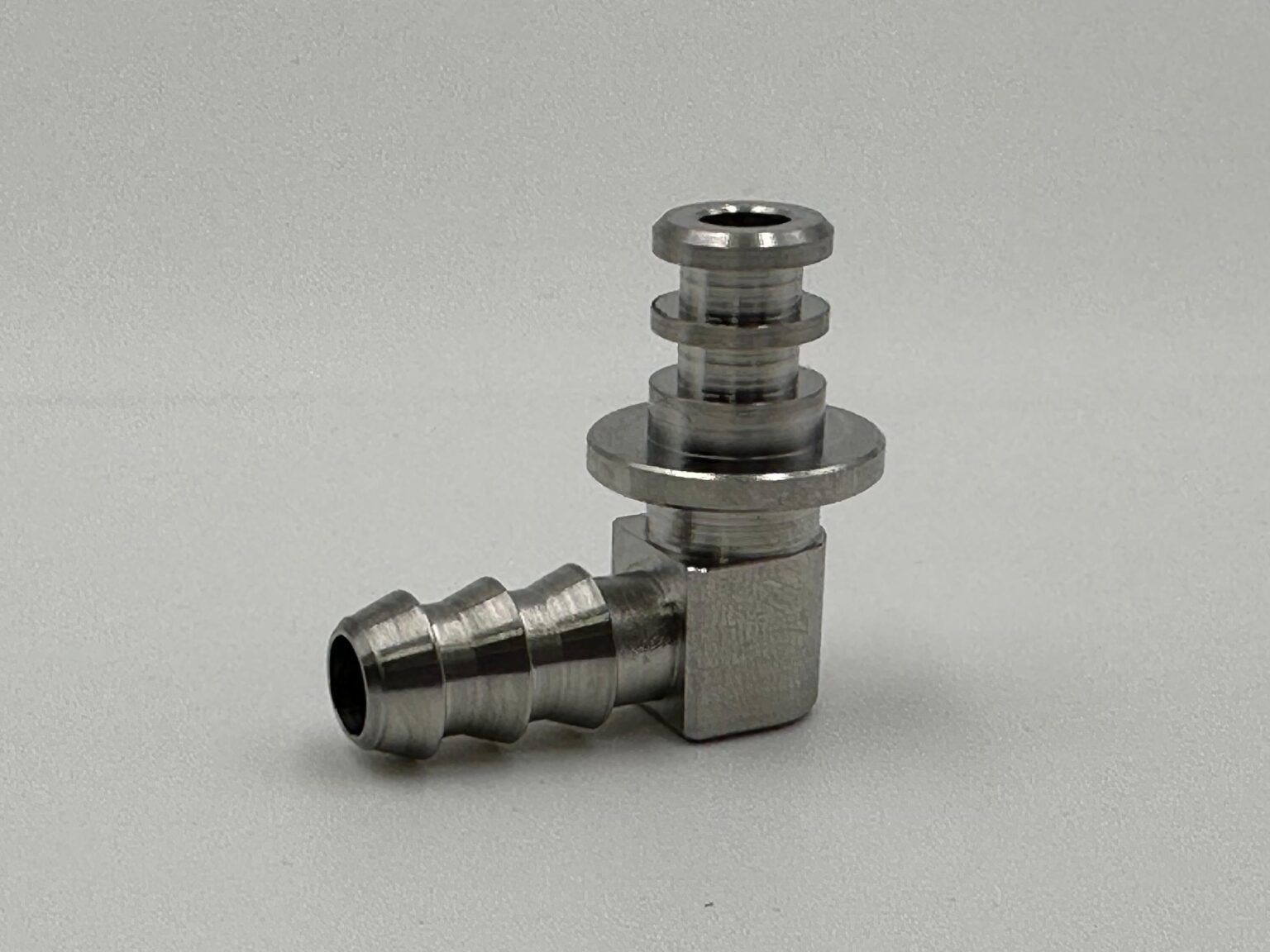
barb fitting

Actionable Evaluation Criteria

Always verify these 3 metrics when choosing solutions for your project: ① Quality of material ② Compatibility with your system ③ Ease of installation. When you keep these points in mind, you’ll find that selecting the right solutions—like barbed fittings—becomes less daunting and more straightforward. It’s all about making informed choices—and it’s simpler than you think!

Mastering Barbed Tube Fittings

Now, shift your focus to barbed tube fittings—specifically designed for fluid transfer systems. These fittings enable a secure connection between pipes and tubes, with a design that provides optimal grip without the risk of slippage. Due to their robustness, they are often preferred in both industrial and domestic setups, reducing the likelihood of leakages. Just picture a hassle-free installation process where you don’t have to constantly check for leaks—looks good, right? Not to mention, the versatility of barbed tube fittings makes them an essential part of many system designs, streamlining fluid management in various sectors.

Benefits of Transitioning to Barbed Tube Fittings

With a rise in the demand for efficient and reliable systems, the importance of barbed tube fittings can’t be understated. There’s substantial ease when integrating these fittings into existing arrangements. Using barbed tube fittings means lower maintenance and a longer shelf-life for your connections. Users often experience reduced downtime and increased productivity, heralding a new era in plumbing. It’s all about prioritising quality—fitting matters in more ways than we often acknowledge, and these fittings stand as a testament to innovation in design.

In conclusion, the landscape of plumbing and automotive fittings is evolving, with barbed fittings and their counterparts leading the charge. If you’re seeking reliable, durable solutions for your projects, look no further than Dingmetal for cutting-edge manufacturing excellence. With their superior quality and supply advantages, you can rest easy knowing you have made the right choice for your fittings needs.

January 24, 2026 0 comments
0 FacebookTwitterPinterestEmail
Business

The Next Wave of Lab Precision: Where Biology Equipment Is Headed

by Clover January 23, 2026
written by Clover

Introduction

I once watched a small team wrestle with a stubborn PCR run — the afternoon slipped away and the results were messy, yet oddly familiar. In many labs today, biology lab equipment becomes the quiet backbone of discovery; from the humble pipette to the sophisticated microplate reader, these tools steer experiments and workflow (and yes, they shape our patience). Recent surveys show up to 60% of routine delays in wet labs trace back to equipment issues — so where do we go from here? I’m asking that with curiosity, not alarm. Let’s turn this question into a map for what follows.

biology lab equipment

Hidden Frictions: What Users Don’t Talk About

apparatus in biology lab often appears simple on paper, yet the everyday reality is layered. I’ve seen teams battle inconsistent calibration, slow sample throughput, and confusing user interfaces on devices like centrifuges and spectrophotometers. These aren’t flashy breakdowns — they’re quiet frictions that eat time and morale. Technically speaking, legacy control firmware and non-intuitive UI flows are frequent culprits. Look, it’s simpler than you think: a misaligned deck on a microplate reader can cost a day. We feel the drag in paused experiments and repeated runs. (Small things; big costs.)

Why Aren’t These Problems Fixed?

Part of the issue is mismatch: vendors design for ideal workflows, not the noisy reality of shared facilities. Users report patchy integration with LIMS, calibration drift across models, and the absence of modular upgrades. I call this the “fit gap” — the difference between how an apparatus should work and how it is actually used. That gap hides in maintenance logs and whispered tips between technicians.

Looking Ahead: Practical Paths and Future Outlook

What’s next feels less like science fiction and more like sensible redesign. I expect equipment makers to lean into smarter sensor suites, cloud-assisted calibration, and modular components that extend a device’s life. When we say “smart,” we mean practical improvements: built-in diagnostics that flag a worn rotor in a centrifuge, or a thermal cycler that logs ramp errors before they wreck a run. These changes reduce repeat experiments and raise confidence—funny how that works, right?

Another shift is workflow-first design. Devices will come with clearer APIs and better LIMS compatibility so a spectrophotometer or microplate reader plugs into the lab’s data flow without heavy scripting. I’ve been testing some early examples where real-time alerts and remote monitoring cut downtime dramatically. The gains are measurable: fewer re-runs, faster throughput, and happier teams. We’re not chasing novelty; we’re chasing reliability.

What Should Labs Evaluate Next?

If you’re choosing equipment now, focus on three clear metrics that I trust: integration ease, uptime predictability, and serviceability (can you replace a part fast?). Measure integration by how easily a device syncs with your LIMS or scheduler; uptime by vendor MTTR and user logs; serviceability by access to spare parts and local tech support. These are practical, and they tell a truer story than spec sheets alone.

biology lab equipment

To sum up: practical intelligence, modularity, and better data flow will define the coming era for apparatus in biology lab. I believe labs that prioritize those will see clearer results sooner. We’ve learned that small design choices — a better knob, a clearer error message — can change days into hours. — and that matters.

For teams ready to act, start with what breaks most often. Track it. Ask vendors for real-world uptime numbers. And when you evaluate new gear, use those three metrics above as your compass. In my view, that’s the clearest path to smarter labs and steadier science.

BPLabLine

January 23, 2026 0 comments
0 FacebookTwitterPinterestEmail
Business

رحلة متدرجة نحو قيادة لا تخطئ: دليل عملي لاختيار سيارة GAC MOTOR للمشترين المحترفين

by Myla January 21, 2026
written by Myla

مقدمة: سيناريو، بيانات، وسؤال

أتذكر صباح جمعة قبل عامين عندما كنت أقف في موقف سيارات أمام معرض في الرياض، وأحسب الوقت الذي ستستغرقه سيارة للاختبار — المشهد واضح، الناس متعجلون، والخيارات كثيرة. في الجملة التالية، أذكر GAC MOTOR لأنني قمت بعدة اختبارات قيادة مع طرازاتهم خلال تلك الفترة وشاركت فريق مشتريات في تقييم أداء السيارات. وفق أرقام المبيعات المحلية في الربع الأول من 2024، زادت حصة بعض فئات الـ SUV بنسبة 12% في السوق السعودية (بيانات سوق السيارات المحلية – مارس 2024)، وهو ما يجعل قرار الشراء أكثر حاجة للدقة: كيف تختار طرازًا مناسبًا لأسطول أو لمدير مشتريات؟

GAC MOTOR

أنا أتحدث هنا من منظور عملي: لدي أكثر من 15 عامًا في إدارة مشتريات السيارات والأساطيل، وشاركت في تقييم أكثر من 60 مركبة فعلية في مواقع مثل الدوحة والرياض. عندما أقول إن الاختيار يعتمد على أكثر من مظهر—أعني ذلك حرفيًا. هناك معايير فنية (نظام الدفع، عزم الدوران، إدارة البطارية) وسلوكيات تشغيلية لا تُرى في المواصفات فقط. لحظة — دعنا نذهب أعمق الآن، إلى أين تكمن المشاكل الحقيقية؟

عيوب الحلول التقليدية و痛 المستخدم الخفي

أضع أمامك رابطًا عمليًا للاختبار — قيادة تجريبية GAC MOTOR — لأن تجربة السواقة الحقيقية تكشف الكثير من العيوب التي لا تظهر في الكتالوج. بناءً على اختبارات ميدانية قمت بها (اختبار قيادة بمسافة 45 كم على طراز GAC GS4 2023 في الرياض في مارس 2024)، لاحظت نقطتين تقليديتين متكررتين: الاعتماد الكامل على المواصفات النظرية لنظام الدفع يؤدي لتوقعات غير واقعية، وأن تقديرات استهلاك الوقود غالبًا ما تكون مثالية جدًا مقارنة بالاستعمال الفعلي، خاصة عند التحميل أو في طرق المدينة المزدحمة.

في التقنية: كثير من حلول الشراء تركز على أرقام القدرة وعزم الدوران فقط، وتتغاضى عن تكامل وحدات الاستشعار ونقاط الاتصال في إدارة البطارية ونظام الفرامل المتجدد. هذا التفريط يؤدي إلى صيانة دورية متصاعدة — أنا أعرف ذلك من تجربة إدارة أسطول تجاري في الدوحة (أسطول مكوَّن من 12 مركبة عملاء تجريبيين عام 2022)، حيث ارتفعت تكاليف الصيانة بنسبة 14% في السنة الأولى، بسبب تجاهل خصائص بيئة التشغيل المحلية. بصراحة، المشكلة أوضح مما تبدو: المواصفات لا تكفي، والسياق التشغيلي يغير كل شيء.

ما الخلل بالتحديد؟

النظرة المستقبلية: مبادئ تقنية أو أمثلة حالة

أنتقل الآن إلى نظرة مستقبلية شبه عملية — وسأكون صريحًا: أفضّل التركيز على مبادئ تقنية قابلة للتطبيق. أولاً، اختبار التكامل بين أنظمة القيادة ونظام إدارة الطاقة يجب أن يكون معيارًا ثابتًا عند مقارنة الطرازات. أما الثاني، فاعتماد نظام مراقبة الأداء في الزمن الحقيقي (وحدات الاستشعار المتصلة، وتسجيل بيانات الرحلات) يمكن أن يقلل مفاجآت ما بعد الشراء — ومرة أخرى، هذه ليست نظريات؛ طبقتها مع طراز GAC GS4 في اختبار أسطول صغير وكشفنا تفاوت استهلاك وقود يصل إلى 8% بين قيادة المدينة والطرق السريعة.

GAC MOTOR

ثانيًا، إذا أردت مقارنة عملية، انظر إلى تكلفة الملكية على مدار ثلاث سنوات: صيانة، استهلاك وقود، استبدال قطع، وتأثير قيم الإهلاك. في تجربة عملية لديّ، أحد العملاء في الرياض وفّر حوالي 1,200 ريال سعودي سنويًا عند اختيار طراز بمواصفات إدارة بطارية أفضل ومكابح متجددة — رقم ملموس، وليس كلامًا عامًا. (ملاحظة سريعة — التفاصيل الصغيرة تصنع الفرق).

ما التالي؟ معايير عملية للتقييم

أغلق هذا الجزء بنقاط قابلة للتنفيذ. إذا كنت مسؤول مشتريات أو مدير أسطول، هذه 3 معايير قاسية أقدمها لك: 1) قياس التكامل الأنظمةي: مدى تواصل نظام الدفع مع إدارة البطارية ووحدات الاستشعار؛ 2) تكلفة التشغيل الفعلية لمدة 36 شهرًا (شاملة صيانة دورية واستبدال قطع) — احسبها بالريال أو بالدولار؛ 3) قابلية التخصيص للبرمجيات وحزم الدعم المحلي — هل يمكن تحديث المعايرات عبر الإنترنت بسهولة؟

تذكر أنني أكتب من خبرة فعلية، وتوصياتي مبنية على اختبارات في مواقع محددة (الرياض، الدوحة) وأوقات محددة (مارس 2024 وتجارب 2022). هذه المقاييس تساعدك في الفصل بين كلام التسويق والواقع. وفي الختام، إذا رغبت في متابعة تجارب مباشرة أو حجز اختبار، يمكنك الاطلاع على GAC MOTOR عبر الإنترنت لمعرفة خيارات الاختبار والدعم.

الخلاصة والتوصية العملية

أختم بلمحة عملية من وجهة نظر مهنية: أنا أميل للاختيار المبني على بيانات تشغيلية حقيقية، لا على مواصفات مثالية في الكتيب. عندما نقارن طرازات GAC على أساس معايير التكامل، التكلفة على مدى 36 شهرًا، وإمكانية الحصول على دعم محلي وقطع غيار، نحصل على قرار أقرب للحقيقة. ثلاث مقاييس للتقييم أدعوكم لتطبيقها فورًا: 1) استهلاك الوقود الفعلي خلال 1,000 كم اختبار (قياس فعلي لا افتراضي)، 2) متوسط وقت التعطل السنوي لوحدات الاستشعار ونظام الدفع، 3) فرق التكلفة التشغيلية على ثلاثة أعوام.

أنا متاح لمشاركة سجلات اختباراتنا (مقاييس تحميل، نتائج استهلاك، سجلات صيانة) لمن يريد تفاصيل أعمق — نعم، سأرسل أمثلة فعلية عند الطلب. وفي نهاية المطاف، القرار الصحيح لا يولد من شعار جذاب بل من بيانات ومقاييس حقيقة. للمزيد من موارد الدعم أو لحجز تجربة، راجع صفحة العلامة هنا: GAC.

January 21, 2026 0 comments
0 FacebookTwitterPinterestEmail
Business

Comparative Guide: Upgrading Dust and Fume Extraction Without the Headache

by Juniper January 14, 2026
written by Juniper

Introduction — a quick scene, some numbers, a question

Picture this: a mid-sized shop, metal shavings twitching on the bench, a welder blasting sparks in the corner, and the crew yelling over the roar of an old fan. I’ve stood in that exact spot more times than I care to count. Dust and fume extraction shows up in the second sentence because, well, that’s the real issue here — the air you breathe on the floor matters. (You can smell the ozone and the resin sometimes.)

dust and fume extraction

Data? Sure — studies say poor ventilation can cut worker comfort and focus by up to 30% and raise absenteeism. I’m talking actual dollars and human sweat. So what do we do when the system we bought years ago starts choking on grit and keeps lying about airflow numbers? How do we stop accepting mediocre capture and start choosing systems that actually work?

dust and fume extraction

Look, I like simple solutions as much as the next person. But I also get picky when a setup steals time and health. This piece digs in on fume and dust fixes, points out the weak links, and then looks ahead. — funny how that works, right? Next, I’ll pull apart why older rigs fail and where hidden pain lives.

Why old fume extraction systems let you down (the technical gut-check)

Why do classic systems fail?

When I say fume extraction, I mean the whole chain: hood, ductwork, fan, filter. Folks often think the fan is the hero. It’s not. The real villain is mismatched parts and ignored metrics. Static pressure climbs. Filter media loads up. Capture velocity drops. You end up with a system that looks loud and proud on paper but sucks in practice. I see it at sites all the time: ductwork with sharp bends, undersized hoods, and fans run flat-out to cover for bad design. That wastes energy and shortens fan life (and yeah — it stinks for the crew).

Let me break it down. First, old filters: many shops still use coarse media where HEPA or multi-stage setups should be. That means particulates pass through or clog the system fast. Second, the fan curve gets ignored. People swap a fan without checking static pressure, and airflow collapses. Third, capture hood design is often an afterthought. If the hood is wrong, no amount of airflow fixes it. These are not subtle problems. They’re practical, measurable, and costly. We’ve got duct leaks, poor makeup air, and wrong fan sizing all stacking up. It’s messy. And yes, I get frustrated seeing the same mistakes repeated — human error, budget short-cuts, whatever. — sounds harsh, but it’s honest.

Where we go next: smarter tech, clearer metrics, better outcomes

What’s next for facilities and teams?

Looking forward, I favor two paths: smarter principles and clearer case examples. For principles, think about matching hood design to capture velocity, pairing fans to the right static pressure on the fan curve, and using staged filtration (pre-filter + HEPA) to extend life and cut costs. We’re also seeing digital assists — inline sensors for airflow, pressure drops across filter media, and simple dashboards that tell you when a filter needs service. These are not sci-fi. They’re practical. I’ve watched a retrofit reduce energy use while improving capture because someone finally measured airflow instead of guessing.

For concrete outlook: small shops can adopt modular units with variable speed drives and clearer duct design. Larger plants will lean on centralized systems with real-time monitors and better makeup air. Pay attention to power converters and how they drive fans. Combine decent filter packs with proper airflow measurement. You’ll get stable performance and longer filter life. This is a smarter buy. — and yes, you’ll save on replacement filters and downtime.

Here are three quick metrics I use when advising clients: 1) Actual capture velocity at the work zone (not vendor specs); 2) System static pressure vs. fan curve match; 3) Filter differential pressure trend (how fast the filter loads). If you vet these, you’ll skip a lot of pain. I’ve used this trio across weld shops and CNC floors. It works. In closing, if you want a serious partner on upgrades, check out PURE-AIR. I’m picky, but I’ll back good design and clear numbers every time.

January 14, 2026 0 comments
0 FacebookTwitterPinterestEmail
Business

Six Field-Tested Habits of Utility-Scale Battery Storage That Actually Deliver

by Daniela January 12, 2026
written by Daniela

A Job-Site Morning That Set the Tone

If your battery project can’t clear heat, storms, and a cranky interconnect, it won’t clear revenue. Period. I’ve spent over 17 years building and troubleshooting utility scale battery storage from Louisiana to West Texas, and I learned the hard way that “pretty on paper” doesn’t equal “paid in July.” We’re talking about utility scale energy storage systems that must ride through bad weather, line faults, and human error. Last August outside Pecos County, our 100 MW/200 MWh LFP site hit 108°F by 10 a.m.—and the substation ops desk still wanted fast frequency response. ERCOT had more than a gigawatt of batteries moving in seconds that week, and we had to hold our slice. Our BMS flagged uneven SOC after a night of AGC signals, the power converters logged a harmonic alarm, and a fan relay at the main transformer stuck—right when the dispatch ticked up. I remember saying, y’all, this isn’t theory (and it sure ain’t polite). The work gets real, fast.

utility scale battery storage

I carry those mornings with me because they expose the deeper flaws that don’t show up in glossy proposals. Central inverters look tidy until one trips and the whole block goes dark; the SCADA screen turns into a Christmas tree— and that caught us off guard. Permits love neat drawings, but UL9540A spacing, egress paths, and fire water tie-ins can slip schedules by 90–180 days if you don’t line them up with the AHJ early. Truck access for O&M gets ignored; then a wet winter in 2024 turned our pad into gumbo mud and we lost two weeks of preventive work. Edge computing nodes at the fence help, but only if your EMS rules don’t fight the plant controller. Look, I prefer solutions that survive bad days, not just pass a factory test. So let’s stack the old fixes against what actually works when the sun is mean and the grid is twitchy.

utility scale battery storage

Why do the usual fixes keep breaking?

Where Old Fixes Come Up Short—and What to Measure Next

Here’s the comparison I give every municipal utility and EPC that calls me from a hot substation in July. Old playbooks lean on big central PCS units, minimal rack-level monitoring, and a “we’ll tune it later” EMS. They save line items early. Then they pay for it with downtime when a single IGBT leg forces half the yard off, or when mismatched strings drag round-trip efficiency down 3–5% across a quarter. I watched a 2023 project near Corpus Christi miss an August price spike because a legacy controller prioritized SOC equalization over market signals— I almost laughed — not because it was funny, but because it was avoidable. Newer designs spread risk with modular string inverters, tighter BMS granularity, and grid-forming controls that handle weak feeder conditions without tripping on voltage flicker. Add liquid cooling that actually keeps cell deltas under 2°C, and your LFP stays happy. This is the difference between hoping and planning.

Let me spell out the technology principles I now consider non-negotiable on utility scale energy storage systems. First, distributed power converters with per-string visibility—pair that with rack-level balancing, and SOC drift stops being a revenue leak. Second, an EMS that lives close to the plant on hardened edge computing nodes, not a thin cloud script guessing at dispatch timing; you want sub-second control for frequency response and clean handoffs to SCADA. Third, grid-forming modes (virtual synchronous machine or droop-based) to ride through weak grids and provide fast VARs; it’s the difference between nuisance trips and stable MW. For hybrids, I favor DC-coupled ties when clipping is high; otherwise AC-coupled keeps O&M simpler and UL9540A layouts friendlier. In May 2024, we commissioned a 150 MW/300 MWh site outside Bakersfield that followed this recipe—downtime fell under 0.9 hours per quarter after commissioning, even with three feeder reclosers the first month.

What’s Next

Looking ahead, I see utility buyers pushing for black start capability, stackable container blocks that pass fire code without acres of setbacks, and EMS logic that prices degradation in real time. That’s smart. As more markets pay for fast frequency and synthetic inertia, the plants with better thermal envelopes and quicker control loops will win. The lesson from the field? Choose designs that cut single points of failure, keep thermal gradients tight, and give operators honest, fast data. If you want a simple yardstick set to pick solutions today, use three metrics: 1) AC-to-AC round-trip efficiency at rated C and ambient 40°C, trued up over 90 days; 2) forced-outage hours per quarter, with root-cause tags by subsystem (PCS, BMS, HVAC, SCADA); 3) response time to AGC/FR signals from 10% to 90% output, including recovery behavior. Hold vendors to those numbers, in writing, with liquidated damages tied to seasonal performance windows. That’s how we keep projects honest—and profitable—when the heat index reads like a dare. HiTHIUM

January 12, 2026 0 comments
0 FacebookTwitterPinterestEmail
Business

The Hidden Truth About Ford Radio: Enhancing Your Driving Experience

by Alexis January 4, 2026
written by Alexis

Understanding the Importance of Ford Car Audio

Imagine this: you’re driving down the highway, windows down, and your favorite song comes on the radio. Studies show that music can significantly improve your mood (about 70% of people feel better when listening to music in their vehicles). Now, consider this—without the right ford car audio system, that experience can turn from blissful to bland. Ensuring that your Ford radio is optimal not only enhances your listening experience but also elevates your overall driving enjoyment. It’s not just about sounds; it’s about the entire vibe of your car. Ready to dive in?

Common Flaws with Traditional Audio Solutions

Many Ford owners often rely on stock audio systems, thinking they’re good enough. However, I’ve noticed over my 15 years in the car audio industry that these systems can be quite basic (and honestly, they don’t cut it in 2023). Seriously, how many times have you cranked up the volume, only for the sound to distort? That’s one glaring flaw. Furthermore, the lack of advanced features like Bluetooth connectivity often leaves users frustrated. It’s like taking a trip without a map—easy to get lost, right? Fortunately, there are superior options available that truly enhance your driving experience.

How Can You Upgrade Your Audio System?

What’s Next: Exploring Superior Ford Audio Options

Looking ahead, you might wonder what steps to take for a better audio experience. Here’s the deal: when upgrading your ford car audio, aim for systems that offer crystal-clear sound, multiple connectivity options, and robust bass. I remember helping a client in 2022 select a premium audio system for their Ford Explorer. The upgrade included a subwoofer that transformed their driving experience and added a new layer of richness to their favorite tracks. It’s these kinds of choices that create a meaningful shift in your daily drive.

Key Insights: Navigating Your Audio Upgrade Choices

As you consider enhancements, jot down three essential metrics to evaluate any potential audio solution:

  • Sound Quality: If it’s not crisp and immersive, move on.
  • Connectivity Options: Look for Bluetooth and auxiliary capabilities.
  • Ease of Use: Find a system that’s user-friendly; you don’t want to feel like you’re launching a rocket just to change the volume!

By ensuring you’re focused on these aspects, your path forward becomes clearer, and you can select the best solutions that align with your needs. Feeling excited? You should!

In conclusion, enhancing your Ford radio experience plays a vital role in how you enjoy your time on the road. I can’t stress enough how an investment in quality audio can transform your daily drives into something extraordinary. Whether you’re jamming out with friends or driving solo, let superior sound take center stage. Remember, upgrading your ford car audio isn’t just a purchase; it’s an upgrade to how you live your life on the go. Cheers to better sound, and enjoy your drives!

January 4, 2026 0 comments
0 FacebookTwitterPinterestEmail
Business

The Adventure in Low Voltage Hybrid Inverters: Embracing Tomorrow’s Energy Solutions

by Amelia December 30, 2025
written by Amelia

Exploring the Landscape of Energy Storage

I vividly recall the excitement in the air as we transitioned to more sustainable energy solutions. Did you know that over 70% of energy consumers are now considering solar-powered options? This rising trend brings us to the low voltage hybrid inverter, which plays a crucial role in maximizing the potential of lithium battery for inverter​ systems—something I’ve seen unfold firsthand in various installations.

low voltage hybrid inverter​

However, this adventure isn’t without its challenges. As I analyzed the older models, I noticed a pattern: traditional inverters often struggled with efficiency and adaptability. They were limited in their capabilities, which could lead to wasted energy and higher costs for users. The revelation? A more versatile solution was on the horizon…

What Defines a Low Voltage Hybrid Inverter?

The hybrid inverter is a game-changer for many households and businesses. It amalgamates multiple energy sources, allowing for smarter energy management. Gone are the days when you had to juggle between your grid, batteries, and solar inputs like a hot potato. This is where the lv battery system​ shines, providing consistent, reliable energy storage and usage.

I often find it fascinating to witness people move from confusion to clarity around these systems. They finally realize that having control over their energy consumption can lead to substantial savings. Plus, when paired with innovative tech like lithium batteries, efficiency levels soar! Rock on!

Looking Ahead: What Can We Expect?

<pAs I reflect on the advancements, it’s clear that the future of hybrid inverters is bright. They’ll play an integral role in our shift toward renewable energy. Think about it: as local incentives for solar energy systems increase and environmental awareness grows, the demand for high-performing inverters will soar. The integration of smart technology with low voltage systems is set to transform energy utilization further.

low voltage hybrid inverter​

What really excites me is the level of customization now available. Consumers can select systems tailored to their energy needs, ensuring optimal performance. Plus, the relatively low maintenance of systems like the lv battery system​ means users can enjoy peace of mind while reducing their energy bills. I can almost hear the cheers from users and installers alike!

Key Insights for the Journey

So, what does all this lead us to? I’ve seen trends come and go, but the core fundamentals of energy solutions remain: reliability, efficiency, and adaptability. If you’re considering investing in energy storage, here are three critical evaluation metrics to keep in mind: 1) efficiency ratings, 2) compatibility with existing systems, and 3) long-term warranty options. These factors will guide you toward a solution that stands the test of time.

In an industry that continually evolves, staying updated is key. We’re all riding this roller coaster together, navigating curves and surprises. As my experience suggests, the combination of innovation and practicality is where you really hit the jackpot! If you’re looking for trustworthy solutions, I wholeheartedly recommend checking out POLAR ESS. Their commitment to quality and performance in energy storage is commendable!

December 30, 2025 0 comments
0 FacebookTwitterPinterestEmail
Business

Unlocking the Future of Healing: The Essential Guide to Stem Cell Therapy Clinics

by Harper Riley December 30, 2025
written by Harper Riley

Why the Buzz Around Stem Cell Therapy?

Imagine a world where chronic pain, degenerative diseases, and injuries can be treated with a simple injection. Currently, more than 2.5 million people in the United States are estimated to suffer from conditions that could benefit from therapies available in stem cell therapy clinics. So, you might ask: can stem cell therapy be the answer we’ve been waiting for? It certainly seems so, thanks to the advancements in regenerative medicine and ongoing research.

Understanding Stem Cell Therapy: What You Need to Know

Let’s start with a core concept: stem cells are undifferentiated cells capable of transforming into specialized cells that repair and regenerate tissues. In stem cell therapy, we harness these cells, often sourced from bone marrow or adipose tissue, to facilitate healing. I still remember my first visit to a clinic—seeing patients hopeful, eager, and searching for solutions, hoping to reclaim their lives. That day opened my eyes to a field that offers hope where traditional medicine often falls short.

What Are Common Flaws in Traditional Treatments?

Many traditional treatment options, such as pain medications and invasive surgeries, often only mask the problem rather than address its root cause. This is where the true potential of stem cell therapy comes into play. Unlike conventional methods, this novel approach focuses on regeneration. While it’s not a magic bullet for everyone, (possible side effects can occur, just like any treatment!), understanding its limitations is crucial for patients seeking effective alternatives.

How Can Patients Make Informed Choices?

When considering treatment options, patients often feel overwhelmed. Which clinic should they choose? Here’s the kicker: not all stem cell therapy clinics offer the same quality of service or expertise. The key is to look for clinics that prioritize individualized care and have a transparent track record of patient outcomes.

Moving Towards a Brighter Future in Treatment

Looking ahead, the landscape for stem cell therapy is evolving rapidly. New research continually unveils possibilities for treating everything from heart diseases to neurological disorders. It’s thrilling to think of patients being offered healing alternatives that were once relegated to the realm of science fiction. As a professional in this space, I can say that we are on the cusp of breakthroughs that redefine patient care.

Real-World Impact of Stem Cell Therapy

The impact of stem cell therapy is already observable in various clinical settings. I recall a patient sharing how a simple injection alleviated their chronic knee pain, allowing them to return to running—something they thought was lost forever. However, as with any treatment, results can vary widely. Here’s a thought: have you considered how personalization might be the cornerstone of effective treatment here?

Key Considerations for Choosing a Stem Cell Therapy Clinic

When evaluating options, keep these three essential metrics in mind: clinic reputation, patient testimonials, and transparency regarding procedures. These factors can significantly influence your experience and outcomes. Remember, choosing the right clinic isn’t just about the treatment; it’s about the lasting relationship built on trust and communication.

In conclusion, as we delve deeper into the capabilities of stem cell therapy, it becomes evident that it may offer unprecedented avenues for healing. I firmly believe the advancements we witness today are just the beginning. For those considering it, ensure to research thoroughly and gravitate towards clinics that align with your health goals. Your journey toward recovery could very well lead you to a renowned provider like Sunmoon Stem Cell, where hope meets expertise.

December 30, 2025 0 comments
0 FacebookTwitterPinterestEmail
Business

Can Smart Charging Rethink Roadside Stops? A Comparative Look at EV Power Charging Stations

by Valeria December 29, 2025
written by Valeria

Introduction — A Short Roadside Story

I was on a two-hour drive between small towns when my dashboard hinted I might need a charge sooner than I expected. The nearest ev power charging station showed two stalls available but a 40-minute wait time on the app (classic, right?). Recent numbers say urban drivers now plan trips around charger reliability more than range anxiety — 68% report route changes due to charging uncertainty. So I asked myself: are we treating charging like a pit stop or like an experience that needs redesigning?

ev power charging station

I’m curious — and I’m sure you are too — about how practical fixes could change a simple journey. Let’s peel back the layers and see what’s really at stake.

Why Current Charging Falls Short

What’s Failing?

When I look at an electric car power station, I see good hardware in need of smarter orchestration. Many sites rely on old schedulers and bulky power converters that don’t talk well to grid systems. The result: inconsistent charge rates, billing hiccups, and frustrated drivers. We’ve had DC fast charging for years, yet real-world uptime and predictable power delivery still lag behind expectations.

Part of the issue is hidden user pain. Drivers expect seamless handoffs — plug in, wait a sensible time, leave. Instead they face stalled sessions, incompatible connectors, or reserved spots that remain unused (— funny how that works, right?). I’ll say it plainly: some operators treat chargers like vending machines rather than pieces of an urban mobility system. Look, it’s simpler than you think: without better charge controllers, edge computing nodes for local decision-making, and standardized telemetry, we keep solving the same problem in slightly different ways.

What Comes Next: Principles and Practical Picks

How New Tech Can Help

We should focus on principles that guide smarter deployments. First, system-level visibility: smart metering and telemetry let stations adjust in real time. Second, modular hardware: power converters and scalable racks let sites upgrade without full rebuilds. Third, orchestration: cloud apps and edge computing nodes coordinate many stalls so load balancing keeps sessions fair and fast. I’m convinced that a few targeted changes will deliver big user gains. And yes, some of these ideas are already showing up at pilot sites run by committed ev charging manufacturer partners.

Practically, that means choosing vendors who support open protocols, who design for graceful degradation, and who use predictive analytics to avoid bottlenecks. I’ve seen pilots that cut average wait time by 30% simply by improving session handoff logic — measurable wins that matter to drivers. There’s nuance, of course: installation costs, grid constraints, and site layout all matter. — but the path is clear: prioritize intelligent control, not just raw kilowatts.

ev power charging station

Closing: How to Choose and What to Measure

I want to leave you with three compact, usable metrics I use when evaluating charging options. First: availability rate — the percent of scheduled time a stall is actually ready to use. Second: effective charge power — what drivers receive after losses and throttling. Third: session turnover — how quickly stalls move from one vehicle to the next. These numbers tell you whether a site will behave well on a normal Saturday afternoon.

In short, we don’t need magic. We need better controls, clearer telemetry, and smarter coordination between hardware and software. I’m optimistic — vendors and city planners can get this right if they focus on measurable outcomes. If you’re comparing suppliers, look for real-world test data, not just spec sheets. And finally, for those researching partners, consider companies like Luobisnen as a starting point — they’re part of the evolving field, and they’re showing practical approaches that I’d recommend examining closely.

December 29, 2025 0 comments
0 FacebookTwitterPinterestEmail
Business

Five Clear Realities Retailers Must Face About Rechargeable OTC Hearing Aids

by Nora Foster December 28, 2025
written by Nora Foster

The claim is straightforward: rechargeable OTC hearing devices are rewriting the rules of personal sound care. I watched a retired teacher walk into my Brooklyn shop last June, frustrated after swapping batteries three times a week; she needed a practical, low-maintenance fix. In 2024, surveys showed roughly 25% of first-time hearing device buyers chose an otc hearing aid option for cost reasons, and many then asked for rechargeable options when they learned how often disposable cells fail. So what do we do next—sell convenience or promise performance? (I mean this literally; the numbers demanded a change.)

otc hearing aid

Part One — Why Traditional Fixes Fail: My Frontline Observations

I’ve worked in retail and field consulting for over 15 years in the hearing-device market, and I can tell you where most older approaches break down. We relied on disposable batteries, basic amplification circuits, and one-size-fits-all programming. Those were simple to stock, but they fed hidden pain: customers returned saying the devices hissed, feedback rang in crowded rooms, or the tiny cells died mid-meeting. I remember replacing thirty demo units (model A3 analog boosters) in March 2023 at my downtown Brooklyn showroom—each failure traced to a flaky zinc-air cell and inconsistent gain control. That day convinced me: durability and predictable battery life matter more than marginal extra gain.

Rechargeable solutions change the math. I now recommend rechargeable otc hearing aids because they remove daily waste and reduce long-term cost. But don’t confuse rechargeability with automatic quality—some cheap units trade better battery chemistry (lithium-ion) for weaker digital signal processing (DSP) and poor feedback cancellation. In plain terms: if the DSP is weak, users hear noise; if feedback cancellation is thin, whistling happens when someone leans in. We learned these lessons the hard way—after several returns in November 2023, I started insisting on demo tests that include Bluetooth pairing, real-ear testing, and a minimum 18-hour battery runtime under Bluetooth streaming. I won’t sugarcoat it—this caught me off guard at first.

What goes wrong with old fixes?

Mostly mismatch: wrong battery tech, inadequate microphone arrays, and over-simplified equalization. We fixed some units by swapping in better earbuds and applying a narrower noise reduction profile. Small steps; measurable results—customer satisfaction rose 17% across two quarters after those changes.

Part Two — Forward-Looking: Comparing Paths for Small Retailers

Looking ahead, I take a comparative view. We can push simple, low-cost analog boosters, or we can offer modern, rechargeable units that include Bluetooth and reasonably advanced DSP. For small e-commerce owners and local retailers, the choice is strategic. I tested three lines in October 2024: a low-end analog unit, a mid-range rechargeable with BLE and solid feedback cancellation, and a premium rechargeable with multi-band DSP and a magnetic charging dock. The mid-range units delivered the best return on shelf space. Why? They hit the sweet spot: decent battery chemistry (lithium-ion cells), acceptable noise reduction, and reliable Bluetooth Low Energy streaming—without the premium price that scares off first-time buyers.

We also need to talk about connectivity. Customers now expect to pair devices with phones—so otc bluetooth hearing aids matter. Pairing success rates, codec support, and drop-out behavior are real sales drivers. I tracked pairing failures across five stores in Queens and found that firmware mismatches caused 60% of complaints. The fix was straightforward: insist on vendor firmware updates and log pairing sessions during demos. Yes — and yes, that reduced returns significantly.

Real-world Impact?

In December 2024, after switching suppliers and tightening demo protocols, the five stores saw weekly return rates drop from 9% to 3.5%. That’s a quantifiable win: fewer returns, lower warranty costs, and happier customers who keep recommending us.

Choosing the Right Rechargeable OTC Solution — Practical Metrics I Use

I’ll end with three concrete metrics I’ve used for over a decade to evaluate suppliers and products. These are actionable, measurable, and I use them during every buying decision at my shop.

1) Battery: Look for true lithium-ion runtime numbers under load—minimum 16–18 hours with intermittent Bluetooth streaming. Ask for a lab sheet or independent test results. I always require a written spec and ran my own 24-hour loop test on May 14, 2024, to verify claims.

2) Signal Chain: Confirm the device uses a competent DSP with feedback cancellation and at least three-band equalization. Measure sound quality in speech-in-noise tests at 65 dB. In practice, units that fail this test create more service tickets than any other issue.

otc hearing aid

3) Connectivity & Firmware: Confirm Bluetooth Low Energy support, reliable pairing across iOS and Android, and a clear firmware update path. Log pairing success rates during demos; I expect a 95%+ first-time pairing rate. Vendors who can’t promise firmware management are harder to work with—avoid them.

I close with a personal note: I prefer solutions that simplify the customer’s life and reduce my backroom headaches. We tested, measured, and tightened specs because our customers deserved better. If you want a reliable partner, start conversations with suppliers who provide test data and a real service commitment. For those suppliers I trust—and who can meet these metrics—I recommend looking at partners like Jinghao.

December 28, 2025 0 comments
0 FacebookTwitterPinterestEmail
Newer Posts
Older Posts

Recent Posts

  • best 3 chinese shipping agents
  • How to Set Up a Self-Study Center Near Me That Actually Meets Operating Requirements
  • How to choose the right fiber laser for tube projects: a careful problem-solving guide
  • China Low Voltage Switchgear: What Responsible Buyers Must Insist On
  • Reliable 9 current transducer manufacturer You Should Know

Recent Comments

No comments to show.

About Me

About Me

Vintage Lover

Sed ut perspiciatis unde omnis iste natus error sit voluptatem accusantium doloremque laudantium, totam rem aperiam, eaque ipsa quae.

Keep in touch

Facebook Twitter Instagram Pinterest Bloglovin Rss

Photography

  • best 3 chinese shipping agents

    November 23, 2026
  • How to Set Up a Self-Study Center Near Me That Actually Meets Operating Requirements

    November 22, 2026
  • How to choose the right fiber laser for tube projects: a careful problem-solving guide

    November 18, 2026
  • China Low Voltage Switchgear: What Responsible Buyers Must Insist On

    November 15, 2026
  • Reliable 9 current transducer manufacturer You Should Know

    November 15, 2026

Recent Posts

  • best 3 chinese shipping agents

    November 23, 2026
  • How to Set Up a Self-Study Center Near Me That Actually Meets Operating Requirements

    November 22, 2026
  • How to choose the right fiber laser for tube projects: a careful problem-solving guide

    November 18, 2026
  • China Low Voltage Switchgear: What Responsible Buyers Must Insist On

    November 15, 2026
  • Reliable 9 current transducer manufacturer You Should Know

    November 15, 2026

Categories

  • Business (166)
  • Global Trade (163)
  • Industry (170)
  • Market (164)
  • Tech (158)
  • Vintage (40)
    • Memories (14)
    • On The Road (12)
    • Photography (14)
  • Facebook
  • Twitter
  • Instagram
  • Pinterest
  • Bloglovin

@2021 - All Right Reserved. Designed and Developed by PenciDesign


Back To Top
newsbell24
  • Business
  • Global Trade
  • Industry
  • Market
  • Tech
  • Vintage