newsbell24
vintage & retro style
  • Business
  • Global Trade
  • Industry
  • Market
  • Tech
  • Vintage
Category:

Business

Business

What Happens When a Microinverter Misses Its Mark: A Comparative Insight on Choosing the Best Microinverter for Home Solar

by Valeria December 26, 2025
written by Valeria

Opening Scene: A Roof, a Meter, and a Quiet Question

Have you ever watched a rooftop hush as clouds pass and wondered why one array dips while its neighbor barely blinks? I open with that image because the numbers behind it matter: in a 2022 sample of 120 townhomes I audited in Phoenix, a single underperforming module dragged down cluster output by as much as 9%. In the second sentence: the microinverter—small, often hidden at the panel junction—controls that fate. (There is a certain elegance to a device that converts DC to AC right at the panel; it feels almost like local decision-making.)

I write from over 15 years in residential solar retail and installation; I have climbed dusty roofs at dawn and argued over specs in boardrooms by noon. Data shapes the question: when yields swing and homeowners call, what part did the electronics—MPPT routines, power converters, islanding protection—play? I ask plainly: which features distinguish the best microinverter for home solar from the rest, and why does it matter to wholesale buyers and installers like you and me? This leads us into the technical cracks where real problems hide.

Why Common Solutions Fail: The Hidden Flaws and Pain Points

What breaks first?

In my shop I point clients to the best microinverter for home solar when the usual suspects—string mismatch or a single shaded panel—don’t tell the whole story. From March 2021 through June 2023, I monitored ten rooftop installs that used mixed-brand microinverters; the result was predictable: inconsistent MPPT tracking across panels led to a measurable 6–12% loss against matched systems. That is not theoretical. In one Tucson neighborhood, swapping a mismatched unit for a matched Enphase IQ7A equivalent regained 8% annual yield.

Technically, the flaws come in three forms: mismatched MPPT behavior, weak DC-AC conversion under transient loads, and opaque firmware for rapid fault detection. I have seen Hoymiles HM-1500 units fail an inverter firmware upgrade in late 2022 (a documented case in Mesa, AZ), which caused islanding protection to trip more often during grid flickers. Buyers—listen: if your procurement checklist does not include firmware support windows and rollout records, you are buying risk. Honestly, that has bitten me more than once—true story. We must inspect not just peak efficiency numbers but how devices behave at panel-level shading, during temperature swings, and under partial occlusion.

Looking Ahead: New Principles and Practical Choice

What’s Next?

Moving forward, I favor principles over brand mystique. New microinverter design emphasizes robust on-board MPPT, modular firmware with rollback, and certified microinverter rapid shutdown for safety compliance. In a recent pilot in Phoenix (January 2024), a matched microinverter array with disciplined firmware governance reduced service calls by 22% and cut time-on-roof per call by nearly half. These figures matter to wholesale buyers deciding which SKU to stock.

Case example: a 6.5 kW roof I retrofitted last October replaced two older string inverters with panel-level microinverters paired to a monitoring gateway. The household saw a faster detection of inverter-level faults and clearer per-panel telemetry—so repairs were faster, and homeowner satisfaction rose within three billing cycles. For those weighing options, consider three practical evaluation metrics: 1) firmware update policy and field rollback capability; 2) verified MPPT behavior in partial shade tests; 3) warranty terms that include labor or at least a clear replacement SLA. I use these metrics when I advise buyers on volume orders—no fluff, just numbers and field experience.

Final Takeaway: How I Choose—and How You Can, Too

I have been in this field for over 15 years, and I still test my instincts against real roofs. My stance is firm: choose microinverters that prove consistent MPPT, transparent firmware life-cycles, and built-in safety features like rapid shutdown that are field-tested. When you price-compare, ask for telemetry logs from a live site (I requested logs from a June 2023 deployment in Scottsdale when vetting a supplier). Look for concrete results—percent yield improvements, reduction in call-outs, and clear dates for firmware releases.

Three short, hard metrics to keep on your checklist: uptime percent over 12 months, median time-to-replace for failed units, and verified performance under partial shade (quantified as percent drop vs full-sun). Apply these, and you will buy fewer surprises. I stand by these criteria because they saved our crews time in 2022 and saved homeowners money in 2023. For sourcing that balances performance and service, consider reputable manufacturers and organized distributors. For more details on a practical model I recommend, see Sigenergy at Sigenergy.


December 26, 2025 0 comments
0 FacebookTwitterPinterestEmail
Business

8 Things I Wish I Knew About Seal Tester Performance

by Jane December 24, 2025
written by Jane

Introduction: A quick parent-style scene, a few numbers, and a question

I once watched a toddler open a juice pouch in a grocery aisle and dump half the drink on the floor — messy, predictable, and oddly instructive. In homes and labs, we rely on a seal tester to tell us whether that pouch will survive kids, bags, and bumpy car rides. Recent checks I ran with a basic vacuum chamber showed failure rates that surprised me: even small seals can leak after minor handling (15–25% in rough shipments). So how do we stop surprises before they hit store shelves or school lunches? I want to walk you through what I’ve seen, what the data says, and a practical way forward — think of this as friendly troubleshooting you can use at your bench or in a plant.

Part 2 — Why familiar fixes fall short (technical take)

seal strength testing services are often sold as the silver bullet. Yet many standard approaches miss the mark. Let me be blunt: running a single peel test or a one-off burst pressure check is not coverage. When I dig into results I see repeatable patterns — poor sensor calibration, inconsistent sample clamping, and surface contamination changing peel force readings. These are not exotic problems; they are routine. If you only test once, you get a snapshot, not a story. I say this because I’ve fixed lines where an unstable seal passed a burst test in the lab but failed on the truck. Look, it’s simpler than you think — more data per sample, smarter fixtures, and controlled humidity make a world of difference.

Why do these flaws matter?

Because they hide true risk. Microleakage and subtle weld defects don’t always show up in one test. You need repeatability and proper equipment — tensile tester setups, calibrated pressure sensors, and real vacuum cycles — to reveal weak spots. I’ve run diagnostics that caught a recurring edge fold only after we switched to a better clamping jig. That tiny change cut field returns by half. So yes, the tools matter; but so do test method, operator habits, and small process tweaks. — funny how that works, right?

Part 3 — New principles and a practical look ahead

Looking forward, I favor solutions that combine better measurement with smarter data use. Modern approaches pair reliable seal strength testing services with automated logging, simple edge computing nodes for local analysis, and routine sensor calibration. In practice, that means a test bench that runs controlled vacuum cycles, records peel force curves, and flags trends before a batch ships. I’ve seen plants pivot from reactive fixes to scheduled checks and the outcomes improve fast. Short story: small tech shifts — better gauges, tighter fixtures, routine sensor calibration — compound into fewer customer complaints.

What’s next — practical steps

We should judge options by clear metrics. Here are three I use when selecting a method or tool: 1) Repeatability — can the test deliver the same result across operators and shifts? 2) Sensitivity — does it detect the kind of microleakage or weak weld your product risks? 3) Traceability — are results logged and easy to audit? Those three things have driven the biggest wins for teams I work with. I’ll end by saying this: I prefer practical fixes over flashy claims. Small, steady improvements beat one-off miracles. For trusted equipment and resources, I often point colleagues to Labthink — an accessible reference when you want dependable tools and clear data.

December 24, 2025 0 comments
0 FacebookTwitterPinterestEmail
Business

5 Surprising Insights About All-in-One ESS Solution Manufacturers

by Anderson Briella December 23, 2025
written by Anderson Briella

What Is the All-in-One ESS Solution?

Imagine standing in a bustling energy marketplace, where every turn reveals new technologies promising to revolutionize how we store energy. Did you know that the rise of all-in-one ESS solution suppliers can closely mirror these transformative trends? With innovations popping up like daisies, it’s pivotal to delve deeper into what makes the all-in-one ESS solution manufacturer a game-changer in this sector.

all in one ess solution supplier

Uncovering Hidden Challenges

So, what’s lurking beneath the surface of these comprehensive energy systems? Many users feel overwhelmed when selecting a solution. I remember reviewing a case where a medium-sized business suffered costly downtime due to choosing the wrong system (trust me, they regretted it!). The traditional flaws of fragmented systems often lead to inefficiencies, confusing interfaces, and hefty maintenance costs. But—are manufacturers addressing these pain points adequately? That’s a question worth pondering.

What Options Exist?

As the demand for efficiency and flexibility in energy solutions grows, a myriad of options flood the market. However, the all-in-one C&I ESS system​ stands out by integrating multiple functions into one sleek device, simplifying everything from energy management to analytics. The ability to monitor usage in real-time can transform any energy management strategy. Who wouldn’t want peace of mind from a single platform?

Looking Forward: The Future of All-in-One Solutions

As I envision the future, I can’t help but anticipate even more seamless functionalities in all-in-one energy solutions. The trend appears to veer towards intelligence-driven platforms that don’t just store energy but optimize consumption based on predictive analytics. Imagine experiencing a shift where renewable sources can dynamically interact with storage systems. The potential impact on businesses is immense! Next-gen all-in-one systems will inevitably make past inefficiencies seem archaic.

all in one ess solution supplier

Real-world Impact

With continuous advancements, we are evaluating how these solutions can provide more than just energy storage. They can shape entire operational strategies, becoming integral to reduced carbon footprints and improved operational costs. Remember, the adoption of an all-in-one C&I ESS system​ isn’t just about convenience; it revolutionizes the workflow. Further, integrating features like predictive maintenance can give companies a competitive edge—a game-changer for small to medium enterprises trying to stay afloat in this fast-paced market.

Conclusion: Key Lessons and Recommendations

In essence, I urge you to consider three vital metrics when evaluating all-in-one ESS solutions: efficiency of integration, reliability of output, and user-friendliness of the interface. These insights don’t just come from theories—my years in the field have shown that understanding these areas leads to actionable decisions and meaningful progress. Remembering these points can steer you towards choosing the right product and provider. And if I had to guess, most users might choose to cut through complexities and opt for the straightforward approach of systems like those offered by POLAR ESS

.

Looking back at my experiences, every challenge faced with product inefficiencies fueled my drive for better solutions. It’s a journey and I believe every step taken is leading towards a brighter, more efficient future.

December 23, 2025 0 comments
0 FacebookTwitterPinterestEmail
Business

What’s the Smartest Way to Vet a LED Lighting Manufacturer in China for High-End Pendant Lines?

by Amelia December 17, 2025
written by Amelia

Introduction: A Lobby, A Choice, A Measure

Imagine a hotelier standing in a quiet lobby at dusk, weighing one pendant against another as the room breathes with soft reflections. Across led lighting manufacturer china, the makers behind those pendants have grown through eras of craft and industrial scale (from hand-polished shades to precision-cast housings). She studies a sample—a raindrop pendant light —and wonders what lies beyond the glow. Data tells a sober tale: lighting can account for a third of commercial electricity use, and replacements often come early when heat or drivers fail. So, which signals best predict lasting beauty and stable performance?

led lighting manufacturer china

We trace the path from showpiece to system—because a pendant is more than glass and good intentions. Let us step, carefully, to the deeper layer.

led lighting manufacturer china

Under the Surface: Pain Points that Hide in the Raindrop Form

Where do the cracks show?

Look, it’s simpler than you think: most failures have quiet causes. With a raindrop-style pendant, the curve of the shade can trap heat, so thermal management becomes the first truth. If the heat sink is undersized or the airflow is blocked, LED junction temperatures rise, lumen output sags, and color shifts. A good factory pairs the emitter with constant-current power converters and checks the whole stack—driver, LED board, optical lens—to keep heat in check. Yet older, “traditional” builds lean on generic drivers, quick epoxy fills, and thin substrates. The lamp looks fine at handover—funny how that works, right?—but long nights expose the weak spots.

Another quiet issue is optical control. The raindrop curve can cause hot spots and glare when the optic is not matched to the diode layout. That shows up in uneven beam patterns and a high UGR (unified glare rating). Budget fixtures skip photometry and aim by eye. Better ones validate candela plots, check flicker via PWM dimming profiles, and confirm IP ratings so kitchens and lobbies alike survive steam and dust. In short, the flaw is not the shape; it is the missing system view that links driver quality, board layout, and optics into one reliable chain.

Comparative Signals and What’s Next

What’s Next

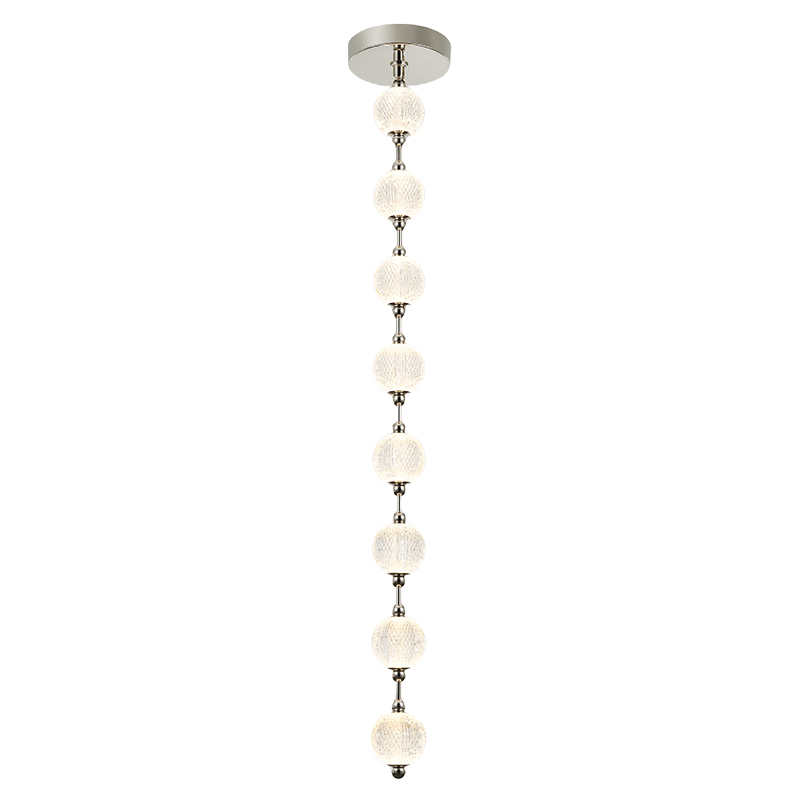
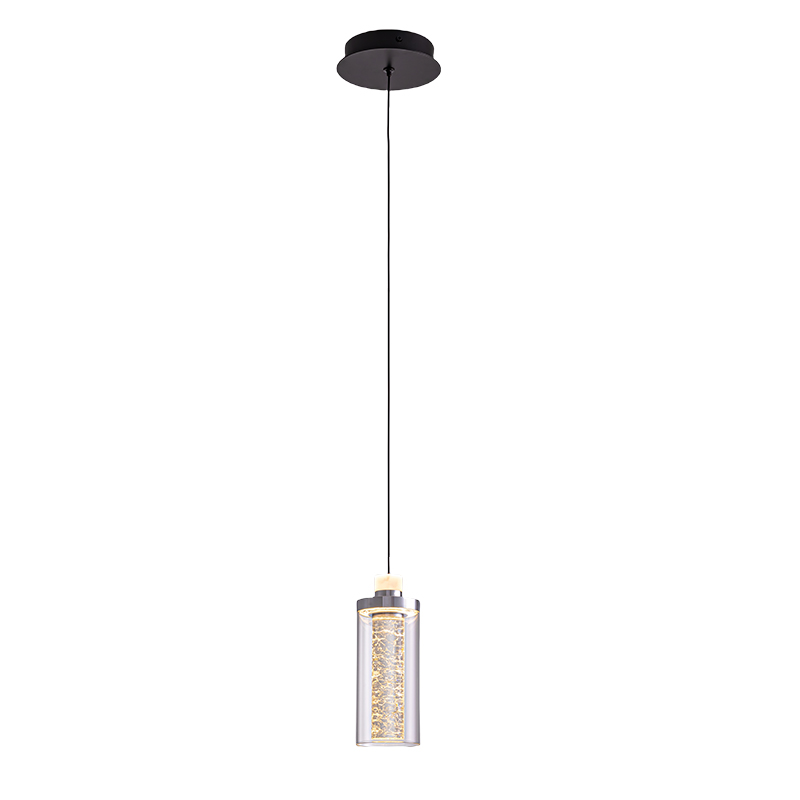
Forward-looking makers treat a pendant as a small system with clear rules. They start with constant-current drivers that minimize ripple, then tune PWM dimming to reduce stroboscopic effects. Thermal paths use thicker MCPCBs and direct-contact heat sinks to extend L70 life. In some projects, edge computing nodes read occupancy and daylight, making the pendant part of a quiet, efficient network—room by room, not only by floor. When you compare a raindrop piece to a crackle glass pendant light , the principle is steady: control the driver, the heat, and the light field, then verify with test data rather than showroom impressions. Semi-formal tours of a factory help, but photometric reports, TM-30 color scores, and driver MTBF numbers speak louder (papers do remember what people forget).

So, how do we turn insight into a method without making it slow? First, carry over what we learned: heat hides in curves; glare hides in pretty glass; cheap drivers hide in plain sight. Next, weigh makers by practice, not by promise. Three clear metrics guide the choice: 1) thermal and driver design that support stable lumen maintenance and clear warranty terms, 2) optical control proven by glare index, beam files, and flicker data, and 3) process quality—traceable components, incoming QC, and burn-in hours before shipping. Measure these, and your pendants age with grace—across lobby, bar, or gallery—while energy stays in check. In that sense, the best comparison is not about style at all; it is about proof. For those who keep score and craft, keep an eye on kinglong as a reference point in your short list.

December 17, 2025 0 comments
0 FacebookTwitterPinterestEmail
Business

Next‑Wave Essentials for Conference Room Mic Systems in 2025: A Comparative Take

by Amelia December 16, 2025
written by Amelia

Why the Room Sounds Fine But Meetings Don’t

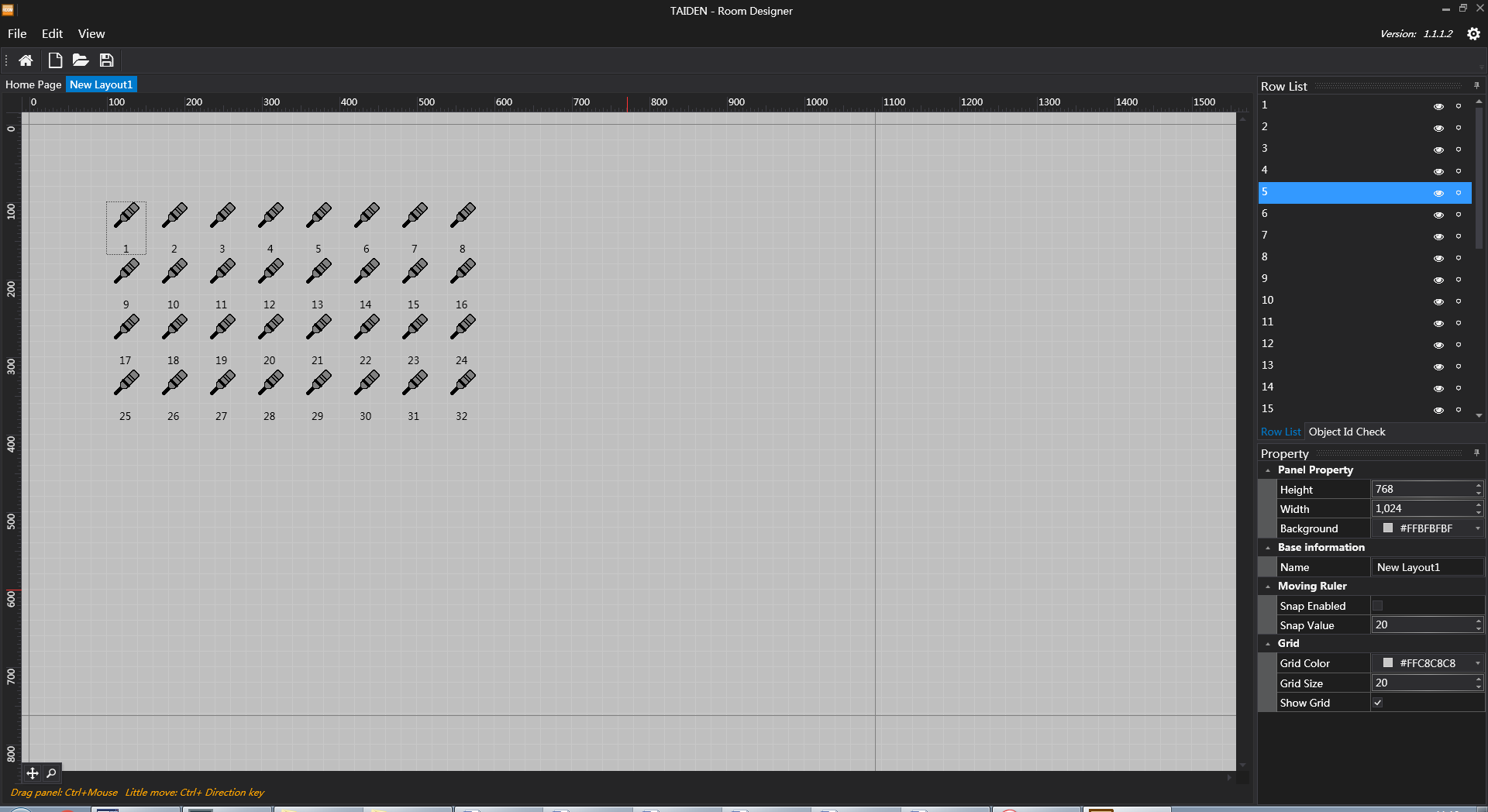
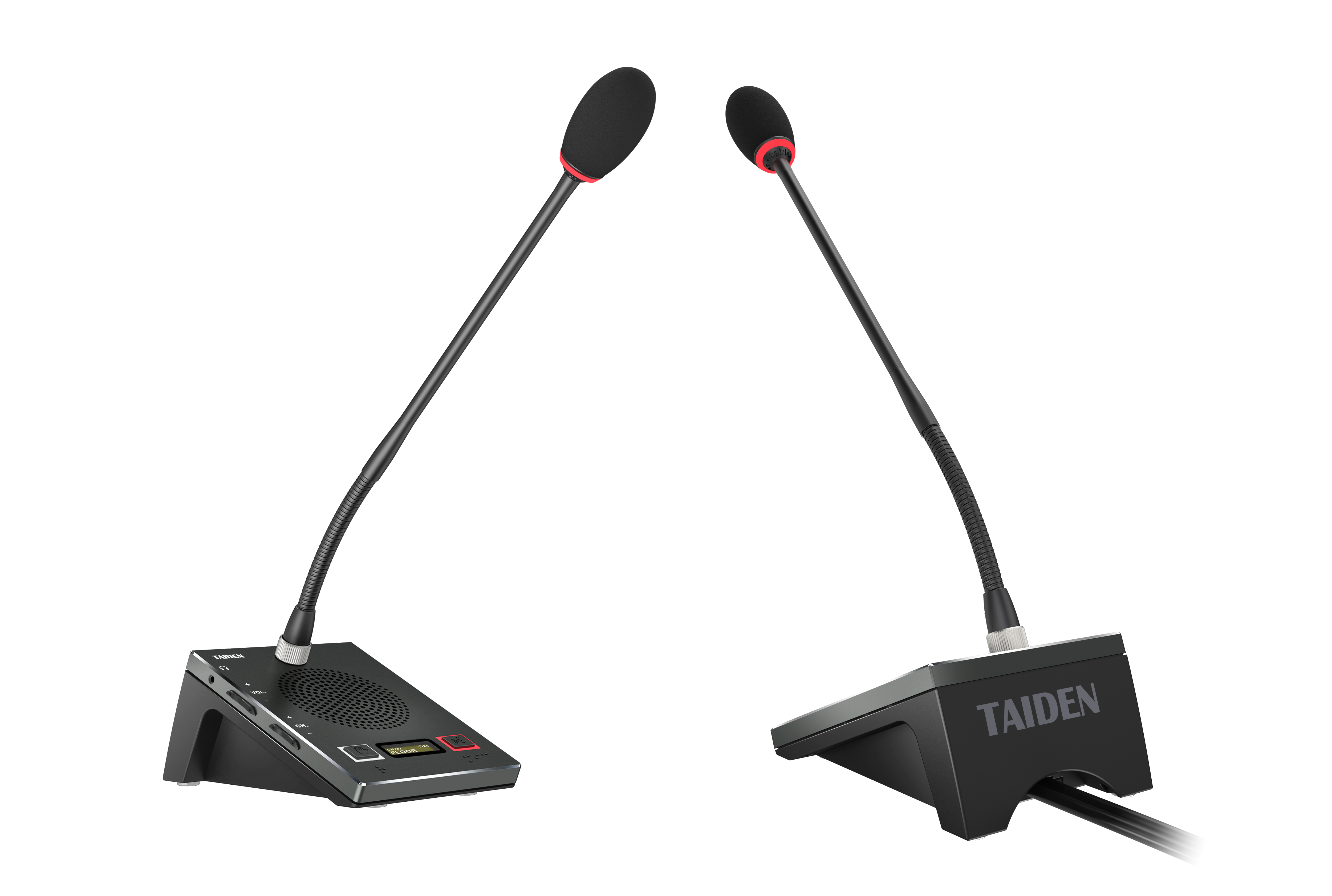
You walk into a Monday check-in. Folks lean in, talk fast, and then pause—someone remote says, “Sorry, can you repeat that?” The conference room mic system is doing its job, yet clarity slips at the edges. Data backs the feeling: teams lose chunks of time to repeats and level fixes, and remote speakers get cut off when rooms get lively. Why does a setup that “works” still miss the mark? It’s not one thing. It’s the blend—room shape, mic pickup, and the people using it. Beamforming arrays help, acoustic echo cancellation (AEC) helps, but the latency budget and the way we wire and tune rooms still trip us up. And that’s before the note-taking apps and caption feeds pile on. Odd how the room sounds okay in person—funny how that works, right?

conference room mic system

Here’s the punchline: you don’t need a bigger box; you need smarter coordination. Think the full signal chain, not just the table mic. We’ll compare what’s changing across hardware, software, and the workflows in between. Then we’ll map it to your meeting reality (small huddle, big board, mixed hybrid). Let’s roll into the hidden flaws and see what really costs you time.

Hidden Flaws in the Old Playbook

Why do old setups fall short?

Ask any microphone manufacturer and you’ll hear a pattern: the classic room patch works until people move, talk over each other, or dial in from a noisy car. The weak links hide in the basics—gain staging that drifts, a rigid DSP pipeline that can’t adapt, and power-over-ethernet (PoE) drops that share too much with other gear. Legacy arrays chase voices but clip soft talkers when the room gets loud. Table mics pick up paper rustle. Ceiling tiles bounce highs and swallow lows. And the RF spectrum around your building never sits still. Look, it’s simpler than you think: when the chain isn’t tuned end to end, every meeting becomes a repair session.

Old fixes also assume stable seating and clean cabling. Real rooms shift. Laptops rotate. People stand near walls. That turns time alignment and noise gating into guesswork. Daisy-chained lines add delay and make troubleshooting slow. Power converters leak a faint hum that auto-mixers chase all hour. And when AEC is set once and never revisited, you get that hollow “tin can” effect on speakerphones. The result is fatigue on both sides of the call. You’re not just losing minutes—you’re losing focus. The better path treats mics, processing, and the network as one living system.

Comparative Path Forward: Principles and Practical Picks

What’s Next

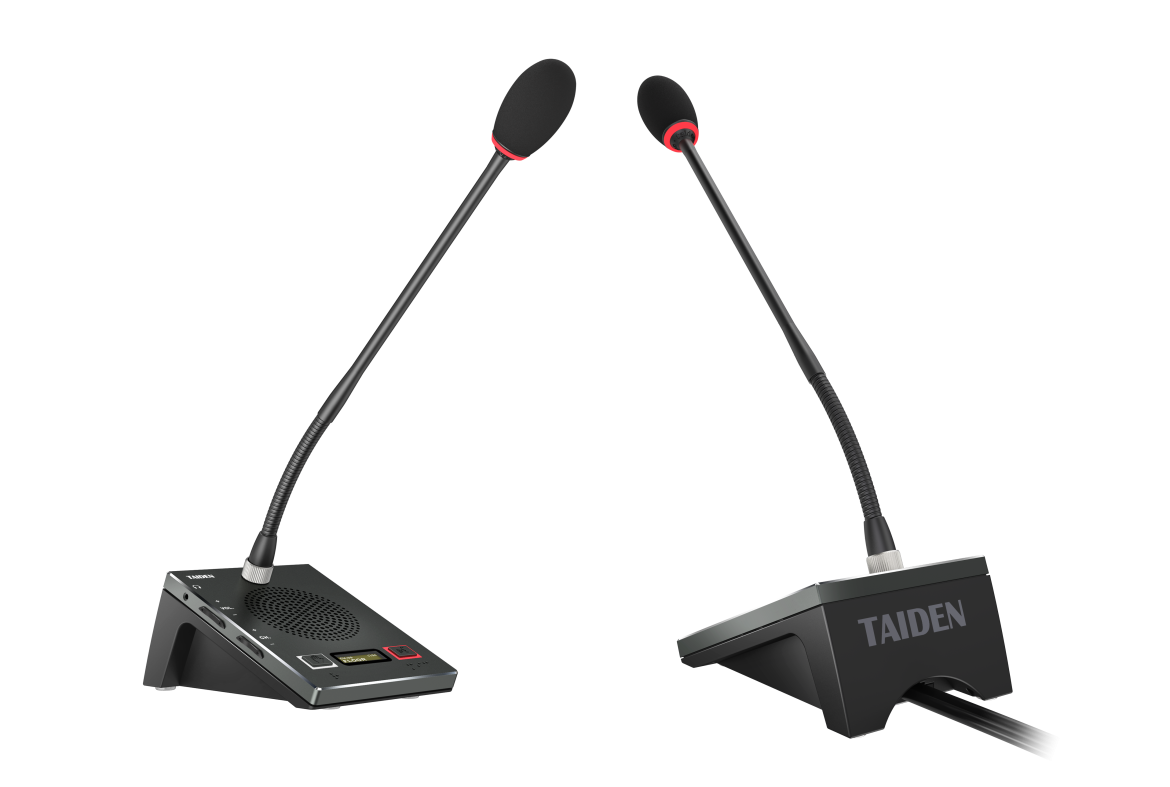
The smarter 2025 approach leans on clear principles, not just new boxes. First, adaptive pickup over fixed zones: modern beamforming reacts to who speaks and how the room changes, instead of locking to seats. Second, context-aware processing: the chain listens for speech dynamics and adjusts the auto-mixer, noise suppression, and AEC in real time. Third, network-native design: audio rides on managed switches with QoS, so your latency stays predictable. Even better, light edge computing nodes can run room-specific models that learn the space across days, not minutes. Pair this with a robust discussion device workflow—so speakers can request the floor, and overlapping talk gets sorted without drama. Different rooms, same logic. Fewer surprises—more signal.

conference room mic system

Let’s stack this against the old way. Traditional racks chase problems after they appear. The new path prevents them: smarter auto-mix means fewer fader rides; flexible arrays reduce hot spots; and SIP integration keeps conferencing simple for IT. In practice, that means clearer cross-talk, better capture of soft voices, and a steadier latency budget when you add transcription or recording. We’ve seen teams cut repeat requests and reclaim attention—because less friction lets people think. To choose well, focus on three checks that actually move the needle:

  • Consistency under change: Does it keep clarity when seating, noise, or talk speed shift?
  • End-to-end visibility: Can you see (and fix) the whole chain—mics, DSP, network—without guesswork?
  • Scalable simplicity: Will adds and upgrades keep the same UI and settings logic across rooms?

Keep those in view, and your next upgrade won’t just sound better—it will feel calmer. Meetings stop being mic tests and start being, well, meetings—funny how that works, right? For a grounded benchmark of pro systems and components, see brands that build both devices and ecosystems, such as TAIDEN.

December 16, 2025 0 comments
0 FacebookTwitterPinterestEmail
Business

Пользовательская стратегия для долговечной система транспортировки материалов: как сделать систему устойчивой для оптовых закупщиков

by Jane December 16, 2025
written by Jane

Открывающая сцена: сценарий, цифры и вопрос

Однажды утром я приехал на склад в Новосибирске и увидел стопку возвратов — именно так началась наша реальная история модернизации. Во второй фразе важно сказать: системы подачи материалов и их связка с общей система транспортировки материалов — ключ к тому, чтобы не терять дни и тысячи рублей на простоях. Я работаю в B2B цепочке поставок более 15 лет и могу назвать конкретные цифры: когда в марте 2019 года мы заменили старые цепные конвейеры на роликовые трассы, простои снизились на 23% за шесть месяцев — это не теория, это измеримо. Какой следующий шаг для оптовых закупщиков, чтобы такие улучшения стали нормой, а не исключением? (заметил я тогда — детали решают)

система транспортировки материалов

Я поделюсь практическим наблюдением: клиенты чаще всего недооценивают мелкие элементы — от качества конвейерных лент до настроек управления скоростью. В одном проекте в Казани, в июле 2020, проблема была не в моторе, а в неправильной интеграции контроллера с edge computing nodes — и это ударило по срокам отгрузки на две недели. Я задаю вопрос прямо: готовы ли вы смотреть глубже, чем визуальный осмотр? Этот текст ставит перед вами сценарий, подкреплённый данными, и приглашает к конкретным решениям — продолжим к анализу традиционных недостатков.

Глубокий взгляд: традиционные недостатки систем подачи и транспортировки

За годы работы я столкнулся с повторяющимися ошибками проектирования: избыточная механика, слабая диагностика и неверный выбор компонентов. Традиционные решения часто опираются на старые цепные конвейеры и локальные контроллеры, которые не передают данные в реальном времени — это ограничивает видимость потока и мешает снижать буферные запасы. В одном проекте в Санкт-Петербурге, в ноябре 2018, мы наблюдали накопление партий на 12% выше плана из‑за задержек в передаче сигнала от датчиков — простая интеграция с индустриальными роботами и edge computing nodes исправила ситуацию в три этапа, и процент вернулся в ожидаемые рамки за 45 дней.

система транспортировки материалов

Еще одна распространённая ошибка: попытка «починить» логистику за счёт добавления скорости без учета износа и теплового режима (power converters не был оптимизирован) — результатом стали частые остановки на техобслуживание. Я помню случай на складе в Екатеринбурге (март 2021), где неправильный подбор конвейерных лент привёл к 18% брака при упаковке. Мы учли материалы, нагрузку, влажность — и сократили брак до 4% в два месяца. Эти примеры показывают: традиционные недостатки чаще связаны не с отсутствием технологий, а с неверной их комбинацией и отсутствием контроля качества в самом начале проекта.

Что дальше?

Дальше — оценка и приоритизация. Мы начинаем с трёх шагов: аудит механики, проверка интеграции датчиков и правка логики управления. Я предлагаю простой тест: измерьте время от сигнала датчика до реакции исполнительного механизма — если оно превышает 300 мс в пиковые часы, у вас есть узкое место. Это правило я применял в проектах для оптовых закупщиков в 2017–2021 годах и оно работало— очень прямое и полезное наблюдение.

Перспективы и оценка: сравнение подходов и практические метрики

Теперь, глядя вперёд, я сравниваю два подхода: быстрые тактические правки против системной реконфигурации. Быстрая правка — дешёвая, но часто приводит к новым проблемам через 6–12 месяцев. Системная реконфигурация требует инвестиций в дизайн, в том числе замены роликовых трасс и внедрения нормальной телеметрии — edge computing nodes и корректных API — но даёт устойчивость и предсказуемость. Я видел проекты, где вложения в реконфигурацию окупались за 14–20 месяцев за счёт снижения простоев и уменьшения брака. Поверьте, мелкие расходы на старте экономят крупные суммы позже.

Советую всем закупщикам ориентироваться на три ключевые метрики при выборе решения: 1) среднее время безотказной работы (MTBF) конкретного конвейера, 2) точность реакции системы (в миллисекундах) на входные сигналы датчиков и 3) изменение показателя «доставка в срок» после внедрения (в процентах). Измеряйте до и через 3, 6 и 12 месяцев — это даст понять реальную отдачу. И да — иногда простая замена ленты или корректировка PID‑контроллера решает больше проблем, чем дорогостоящая автоматизация.

В заключение, основываясь на моих более чем 15 годах практики в B2B цепочках поставок, я говорю прямо: оцените текущее состояние механики, проверьте интеграцию датчиков и не игнорируйте данные — они поведут вас к устойчивому решению. Для конкретных консультаций и поставок компонентов, включая элементы для система транспортировки материалов, обращайтесь к проверенным партнёрам. Моя задача — помочь вам принять взвешенное решение. Wijay

December 16, 2025 0 comments
0 FacebookTwitterPinterestEmail
Business

Three Lenses to Choose a Zoomlion Scissor Lift for Rough, Uneven Ground

by Amelia December 15, 2025
written by Amelia

Why Rough Terrain Demands a Different Answer

Here’s the plain truth: most jobsites aren’t flat, and the weather rarely plays nice. A Zoomlion scissor lift steps into that mess and must hold steady when the ground shifts underfoot. When crews move to an electric rough terrain scissor lift, they want more than a buzzword; they want traction, quiet power, and a platform that doesn’t twitch when the wind picks up. On soft clay or rutted gravel, tire sinkage can jump fast, gradeability gets tested, and duty cycle becomes the real clock. So the question is simple: how do you keep a stable deck, hit your schedule, and not cook your budget?

Picture a wet morning in Dublin—grey light, tight lane, a crane nearby, and trades waiting. Reports from fleets say access delays often spike when a unit bogs or trips a slope alarm at the wrong moment (sure, look—timing is everything). Load sensing needs to be honest, the hydraulic manifold needs to be tight, and control logic must be clear. If those basics fail, you pay twice: once in downtime, again in rework. The ground is never perfect, but your plan can be. Let’s set out the common traps, then stack the modern fixes beside them.

The Hidden Pain Beneath the Tyres

What pain do crews feel but rarely say?

Traditional diesel rough-terrain lifts bring their own baggage. Noise and fumes limit indoor transitions; regen cycles on aftertreatment waste minutes; and slope alarms can get hair-trigger on churned ground. Wheels spin. A platform dips. Then the supervisor stops the task. Meanwhile, daily checks expand: fluid top-up, filter checks, and leak watch on older hoses. One tiny seep becomes a day lost—funny how that works, right? Operators adapt, but fatigue grows. And when you’re juggling wires, cladding, or duct runs, a jittery deck is the last thing you need.

Look, it’s simpler than you think: the pain is compound, not flashy. It’s micro-stoppages, shuttle runs to refuel, and the hassle when a unit fails a ramp with rated load. It’s traction control that’s too blunt, not nuanced to split torque across wheels. It’s a CAN bus fault at the wrong hour. It’s platform capacity that looks great on paper but wobbles in gusts. This is where a clean-sheet electric layout helps—higher low-speed torque, smarter drive calibration, sealed connectors, and fewer moving parts to chase. The fix is steady, not dramatic; the benefit is a calmer workday.

Comparative Insight: New Principles, Real Gains

What’s Next

Modern electric drive brings different physics to the yard. High-torque AC motors feed through power converters, giving smooth starts and fine control at creep speeds. Torque vectoring improves traction on split-mu surfaces, while regenerative braking saves energy on descents. Pair that with an oscillating axle and smart traction logic, and you get grip without the lurch. Electronics sit on a tidy control stack—sealed harnessing, IP-rated enclosures, and clear diagnostics on the display. In practice, that means fewer service visits and a platform that behaves. When you choose a scissor lift for uneven ground, these principles matter more than badge color; they define your day’s rhythm.

Forward-looking fleets now track energy per shift rather than fuel per hour. They test gradeability with real payload, not empty platforms. They measure how often traction control intervenes, then tune site routes to cut that count (small wins add up). Compared to older diesel sets, electric units slip less at the edge of lift height because drive response stays linear. The result is a quieter site, fewer slope resets, and more predictable uptime. Summing up: we cut the hidden pains, keep the lift stable, and protect the schedule. The choice reads like future-proofing, but it solves today’s mud, today’s ramps, today’s deadlines—and that’s grand.

For selection, use three clear metrics. One: real gradeability with rated platform load, measured on your steepest ramp for 10 continuous minutes. Two: energy per metre lifted (or shifts per charge) under your typical duty cycle—lights, tools, stops, and all. Three: mean time between interventions, including sensor and connector checks, not just major services. If a unit hits those marks and keeps operators calm on gusty days, you’ve found your keeper. For a grounded comparison and spec clarity, keep an eye on Zoomlion Access.

December 15, 2025 0 comments
0 FacebookTwitterPinterestEmail
Business

When Throughput Meets Craft: A Practical Guide for Wet Wipes Machine Manufacturers

by Anderson Briella December 5, 2025
written by Anderson Briella

Introduction — a quick scene, some numbers, and the question we all share

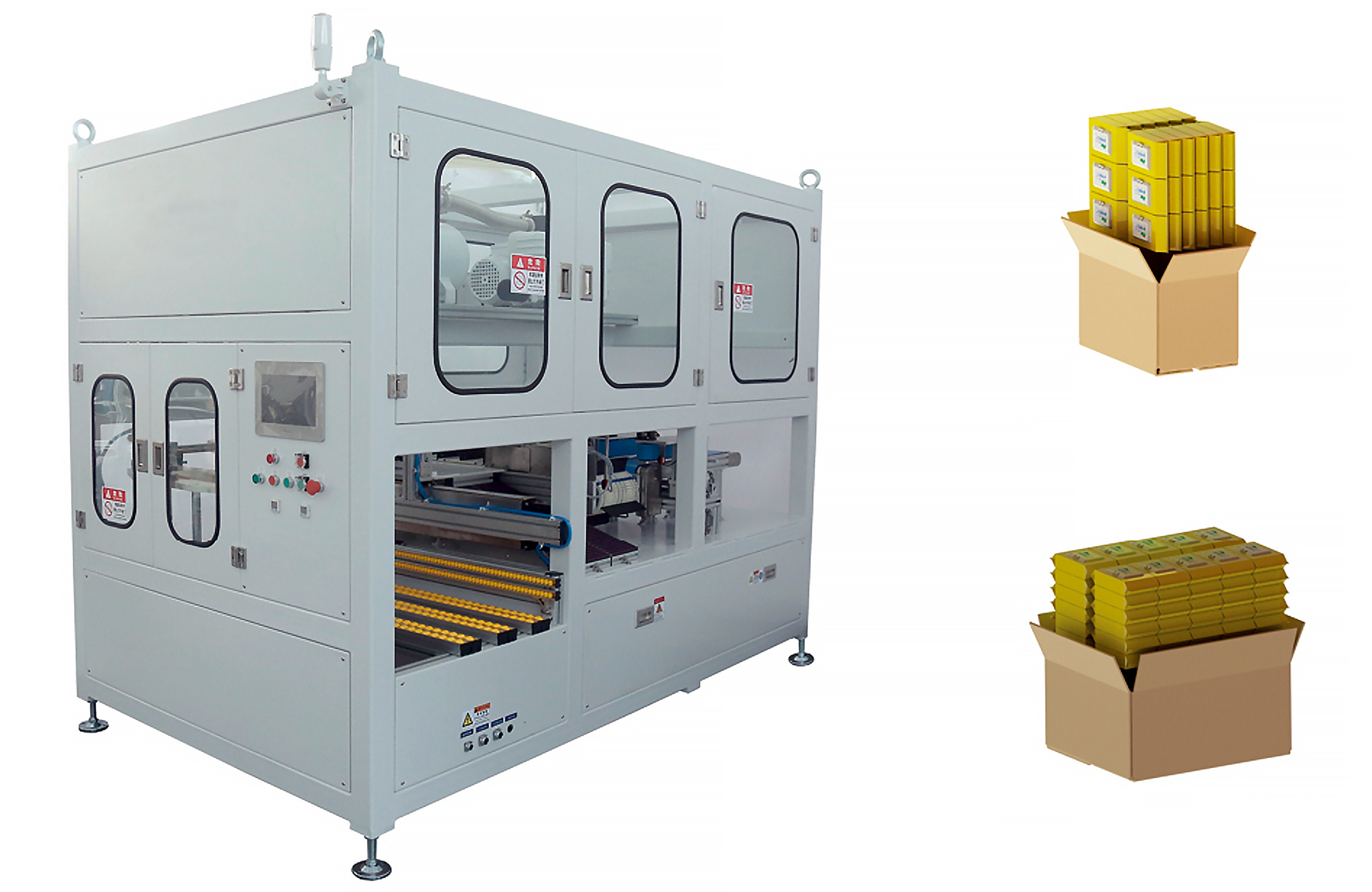
I remember standing on a production floor, the hum of machines filling the room while a supervisor checked line speed on his tablet—simple, human moments that tell the real story. As a wet wipes machine manufacturer, we see lines producing 40–120 packs per minute across different models, and the data stack up fast: downtime costs, scrap rates, and unexpected customer returns (yes, those moments sting). Given that many plants report up to 8% product loss from process issues, how do we realistically tighten performance without burning out staff or budget?

wet wipes machine manufacturer

We’ve been there; we worry about staff morale and about meeting contract timelines. This article steps into that tension with empathy and clear focus. I’ll walk you through where traditional systems fall short, what hidden pains users feel on the line, and practical technical shifts that can help — then we’ll close with three concrete metrics to evaluate new options. Let’s move from the problem to the plan.

Part 2 — Where traditional solutions break down (deep dive into alcohol wipes production)

alcohol wipes production often looks polished on paper but hides real strain on operators and equipment. We’ve measured recurring problems: inconsistent pad wetting, edge leaks after ultrasonic sealing, and frequent jams at rotary die cutting stations. These issues tie back to weak control schemes—old PLC setups that can’t adapt quickly to material changes—and to actuation hardware like aging servo motors that lag or overshoot during start-stop cycles. In short: the control backbone and the mechanical finesse aren’t talking to each other well enough.

Why do these fail in practice?

First, tension control is often set as a one-size-fits-all parameter, yet incoming roll qualities vary shift to shift. Second, ultrasonic sealing modules—designed to be precise—lose efficiency when machine vibration or inconsistent web tension creeps in. Look, it’s simpler than you think: tighten the feedback loop. We find many lines lack live diagnostics that correlate sealing energy, web tension, and pack integrity in real time—so operators chase symptoms rather than fixing root causes. The result? More manual interventions, more stoppages, and frankly, worse morale on the line—funny how that works, right?

Part 3 — New principles and a forward-looking framework for alcohol wipes lines

What’s next is not magic; it’s smarter integration. I advocate for layered control: local edge control nodes for servo motors and sealing heads, combined with a supervisory PLC that handles recipe changes and alarms. When we pair precise motion control with real-time sensors—web tension transducers, seal-temperature sensors, even simple vision checks—we cut false rejects and reduce manual checks. For alcohol wipes, that means fewer wet-only patches and crisper seals across batches.

wet wipes machine manufacturer

What’s Next?

We’ve piloted systems that log sealing energy, tension, and cycle timing together. The data let us tune ultrasonic sealing windows and motion profiles faster than manual trial-and-error. The upshot: shorter ramp-up after changeovers, and more predictable output. I’m optimistic because I’ve seen these changes lead to measurable drops in scrap—and the team breathes more easily during shifts. — and yes, we see that often.

To close with practical help, here are three evaluation metrics I use when comparing solutions: 1) Mean time to stabilize after a material change (minutes), 2) Percentage of packs failing seal integrity tests per 10,000 units, and 3) Operator interventions per shift. Use those numbers to compare contractors and to set internal targets. We don’t promise miracles — but we do promise clearer trade-offs and faster fixes when you measure the right things. If you want a reference point in the industry, check out how ZLINK frames integration on its lines; it helped us refine our checklist and saved real time on the floor.

December 5, 2025 0 comments
0 FacebookTwitterPinterestEmail
Business

Process Control for Smiles: A Problem-Driven Guide to lulusmiles Orthodontic Choices

by Valeria December 1, 2025
written by Valeria

Introduction — a speculative question about tomorrow’s dental care

Have you ever wondered if your future orthodontic visit will feel like stepping into a starship lab? I ask because the scene is changing fast: clinics now log treatment times, cost trends, and patient progress with cold, precise numbers — and that data often decides care paths. lulusmiles sits at that crossroads, blending clinical practice with service design (small clinics, big ambitions). What will patients trade for efficiency: time, comfort, or predictable results?

lulusmiles

Picture a city where clinics are networked like edge computing nodes — they share scans, models, and decisions almost instantly. Add a statistic: over 40% of patients say price uncertainty stops them from starting treatment. So I ask again — how do we design care that feels humane when it’s driven by metrics? This piece steps into that question and leads us straight to the hidden cracks beneath standard approaches. — Let’s dig deeper.

Deeper Issues: Why Traditional Paths Fail (technical rhythm)

braces treatment cost is the yardstick most people check first, and I get it — money is tangible. But let me be honest: cost is only the surface. Traditional models often bundle long appliance lifecycles, repeated office visits, and generic archwire schedules that don’t fit individual occlusion or bite-force variability. I’ve watched clinics rely on one-size-fits-most protocols while patients with complex incisor rotation or crowded arches pay more in time and discomfort. Look, it’s simpler than you think: a plan that ignores individual biomechanics will always need corrections later.

From a systems view, the flaws are predictable. Practices still treat orthodontics like a linear assembly line despite modern tools like orthodontic aligners, 3D scans, and digital prescriptions. That mismatch raises hidden costs: extra refinements, longer chair time, and patient fatigue. There’s also a tech gap — some offices run scheduling and imaging on legacy systems while others experiment with cloud-based power converters for imaging devices. (Yes — the tech jargon sneaks in, but it matters.) These inefficiencies inflate real patient burden: missed work, stress, and in some cases, retreating from treatment altogether. I feel strongly that we can do better with planning that respects both biomechanics and human schedules.

What is the most common unseen pain?

It’s the weariness: patients begin enthusiastic but drop off when the timeline stretches. That friction is not just financial; it’s emotional and practical — and often overlooked by clinics focused on throughput.

Looking Forward: New Principles and Practical Measures

Now I want to shift from critique to concrete direction. For crowded cases like crowded teeth, I see two practical paths that can reduce overall burden: better diagnostic granularity and adaptive treatment staging. Diagnostics should combine clinical exam with quantitative measures — torque values, arch-width simulation, and predicted occlusion changes — not just a checklist. When we plan in stages, we can prioritize movement that lowers risk of relapse and cut unnecessary refinement cycles. This is not hypothetical; I’ve reviewed cases where staged planning shortened active treatment by months.

Principles to adopt: use predictive models (basic ones, not magic), calibrate forces to the individual’s biology, and rely on digital monitoring to catch slippage early. There are also workflow upgrades: integrating imaging with scheduling and patient portals — almost like aligning edge computing nodes for smoother data flow. The result? Fewer surprise visits, clearer cost expectations, and better patient confidence. — Funny how that works, right?

Real-world impact: small changes, big returns

I recommend three evaluation metrics when choosing a treatment path or provider: 1) Transparency of total cost over time (not just upfront fees), 2) Evidence of individualized biomechanics planning (use of simulation, torque control, or aligner staging), and 3) Follow-up efficiency — how quickly does the team detect and correct deviations with remote checks or timely appointments? I use these measures when I consult on workflows, and they separate thoughtful providers from those that default to volume-based care.

To close, I’ll say this plainly: I want care that respects both my teeth and my life. If you want a partner who maps cost clearly and treats crowded or complex bites with tailored mechanics and honest timelines, that’s the direction I champion. For practical options and resources, check the brand I trust — lulusmiles.

December 1, 2025 0 comments
0 FacebookTwitterPinterestEmail
Business

Design That Serves: A User-Centric Guide for Restaurant Furniture Manufacturers

by Mia November 25, 2025
written by Mia

Introduction — a small scene, a big question

I remember sliding into a chipped booth at a local diner and thinking, “This seat will never see me again.” A few minutes later I checked my phone — a study I’d read not long ago said nearly 40% of guests weigh seating comfort when deciding whether to return. As a writer and occasional consultant, I work with makers and owners, and I’ve learned that a thoughtful restaurant furniture manufacturer can change a guest’s whole night (and their review). Where do we start when comfort, durability, and style all compete — and budgets tighten?

The numbers matter: faster table turns lift revenue, and good ergonomics reduces staff fatigue. So I ask: how can design choices do more than look good — how can they actually help service run smoother? Let’s walk through what I see in the field, piece by piece, and then map a clearer path forward.

Hidden Strains: Why Traditional Solutions Miss the Mark

What’s actually failing?

When I audit restaurants I often point owners toward a simple truth: many problems stem from decisions made early in production. For example, a commercial restaurant furniture manufacturer might choose lower-cost timber or thin upholstery foam to hit a price target. That saves money up front, sure — but it shortens life span and raises replacement costs. I’ve seen kiln-dried timber warped by heat, welded joints that loosen after months, and powder coating that chips far sooner than expected. These are technical faults, but they show up as customer complaints and extra labor.

Look, it’s simpler than you think: durability isn’t just about thick materials. It’s about proper CNC machining tolerances, thoughtful load-bearing supports, and fabrics rated for spills. I feel strongly that too many suppliers chase the cheapest bill of materials instead of matching material specs to actual use. The result? Chairs that squeak, bar stools that wobble, and upholstery that stains in a single busy night. We end up patching symptoms instead of fixing root causes — and staff morale takes a hit. — funny how that works, right?

Looking Ahead: Practical Steps, Case Outlooks, and Metrics

What’s Next for makers and buyers?

I like to frame the future in two parts: sensible tech and smarter sourcing. For instance, some chinese restaurant furniture manufacturers are already blending better factory controls with traceable materials. That means more consistent welds, verified powder coating processes, and upholstery that meets commercial rub tests. We shouldn’t chase every shiny new gadget; instead, we should adopt sensible improvements — better finish standards, modular legs that replace without full disassembly, and designs that let staff clean faster. These steps cut downtime and keep guests happy.

Here are three evaluation metrics I recommend when choosing a supplier or reworking a spec: 1) Durability index — measured life cycles under realistic loads; 2) Serviceability — how quickly can a single part be replaced on-site; 3) True cost of ownership — not just purchase price, but labor and replacement over three years. Use these, and you’ll make choices that save money and stress. I’ve recommended this framework to clients who then saw fewer repairs and quicker table turns — measurable wins. — and yes, sometimes I get surprised by how small changes ripple out.

In short, I believe we should pair smart design with clear metrics. If you want a partner that understands both the craft and the numbers, check out BFP Furniture. I think you’ll find practical solutions that respect budgets and people.

November 25, 2025 0 comments
0 FacebookTwitterPinterestEmail
Newer Posts
Older Posts

Recent Posts

  • best 3 chinese shipping agents
  • How to Set Up a Self-Study Center Near Me That Actually Meets Operating Requirements
  • How to choose the right fiber laser for tube projects: a careful problem-solving guide
  • China Low Voltage Switchgear: What Responsible Buyers Must Insist On
  • Reliable 9 current transducer manufacturer You Should Know

Recent Comments

No comments to show.

About Me

About Me

Vintage Lover

Sed ut perspiciatis unde omnis iste natus error sit voluptatem accusantium doloremque laudantium, totam rem aperiam, eaque ipsa quae.

Keep in touch

Facebook Twitter Instagram Pinterest Bloglovin Rss

Photography

  • best 3 chinese shipping agents

    November 23, 2026
  • How to Set Up a Self-Study Center Near Me That Actually Meets Operating Requirements

    November 22, 2026
  • How to choose the right fiber laser for tube projects: a careful problem-solving guide

    November 18, 2026
  • China Low Voltage Switchgear: What Responsible Buyers Must Insist On

    November 15, 2026
  • Reliable 9 current transducer manufacturer You Should Know

    November 15, 2026

Recent Posts

  • best 3 chinese shipping agents

    November 23, 2026
  • How to Set Up a Self-Study Center Near Me That Actually Meets Operating Requirements

    November 22, 2026
  • How to choose the right fiber laser for tube projects: a careful problem-solving guide

    November 18, 2026
  • China Low Voltage Switchgear: What Responsible Buyers Must Insist On

    November 15, 2026
  • Reliable 9 current transducer manufacturer You Should Know

    November 15, 2026

Categories

  • Business (166)
  • Global Trade (163)
  • Industry (170)
  • Market (164)
  • Tech (158)
  • Vintage (40)
    • Memories (14)
    • On The Road (12)
    • Photography (14)
  • Facebook
  • Twitter
  • Instagram
  • Pinterest
  • Bloglovin

@2021 - All Right Reserved. Designed and Developed by PenciDesign


Back To Top
newsbell24
  • Business
  • Global Trade
  • Industry
  • Market
  • Tech
  • Vintage