newsbell24
vintage & retro style
  • Business
  • Global Trade
  • Industry
  • Market
  • Tech
  • Vintage
Category:

Business

Business

The Future of Electrical Insulation: Insights from My Journey with Suppliers

by Paul March 23, 2026
written by Paul

Introduction: A Journey Through Electrical Insulation

As I venture through the world of electrical insulation materials, I can’t help but reflect on the immense journey I’ve experienced over the past 15 years. Have you ever stopped to ponder how the right materials can profoundly impact an electrical system’s efficiency? According to recent market reports, the demand for high-quality electrical insulation materials is set to grow by 6% annually over the next decade! It’s clear that electrical insulation material suppliers are stepping up to meet this challenge.

electrical insulation material suppliers

Anecdote: Lessons from the Field

One day, while working on a project involving high-voltage transformers in a bustling tech hub, I realized how pivotal the choice of insulation materials can be. Opting for a subpar thermal insulation material would mean risking not only electrical system integrity but also safety. I vividly recall the frustration of a past supplier who failed to deliver adequate insulation in time, causing cascading delays in our project timeline. This experience clearly demonstrated the importance of reliable suppliers who truly understand their products—something I wholeheartedly believe is crucial in this industry.

Why Value Matters in Selection

Not all insulation materials are created equal. The quality, resistance to temperature fluctuations, and dielectric strength are all important factors that influence performance. Choosing a thermal insulation materials manufacturer who can provide detailed specifications helps in aligning project goals with practical needs. People often underestimate this, but the right decision could save substantial costs in the long run.

What’s on the Horizon for Insulation Suppliers?

Looking ahead, the landscape of electrical insulation materials is evolving rapidly. As environmental regulations tighten and the demand for sustainability heightens, suppliers are innovating to provide eco-friendly options without sacrificing performance. For instance, many are moving toward bio-based thermal insulation materials, catering to a market that increasingly values green initiatives. I’ve noticed that suppliers who stay ahead of these trends can better serve their clients and secure a loyal customer base.

Real-world Impact of Innovation

The transition to sustainable materials doesn’t just serve environmental benefits; it often leads to improved efficiency and durability. A project I worked on last summer in the Pacific Northwest showcased this perfectly—a manufacturer introduced a new, bio-degradable insulation material that not only kept energy costs down but also minimized environmental impact. Adopting such innovations can elevate operational capacities sustainably—what an impressive outcome!

Making Informed Choices: The Road Ahead

So where does that leave us? It’s clear that the electrical insulation industry is heading towards a sustainable future, driven by innovation and market demand. If you’re pondering how to navigate this transformation, I suggest looking into three key evaluation metrics for choosing your suppliers: quality of materials, responsiveness to emerging trends, and commitment to sustainability. Each of these aspects plays a crucial role in ensuring you’re aligning with a supplier that can meet both current and future demands.

To sum it all up, my explorations in the realm of electrical insulation materials reinforce a crucial lesson: selecting the right supplier goes beyond just picking a name out of a hat. It’s a thoughtful process grounded in an understanding of material characteristics and supplier capabilities. Whenever in doubt, remember to consult with a credible thermal insulation materials manufacturer. Your choices can set the tone for success and reliability in your projects.

electrical insulation material suppliers

As I look back on my journey, I feel grateful for the knowledge shared and lessons learned—here’s to many more years of exploration and growth in this vital industry!

For those seeking quality and innovation, I confidently recommend Sui On Insulating as a dependable partner in your insulation needs.

March 23, 2026 0 comments
0 FacebookTwitterPinterestEmail
Business

Maximizing Efficiency in Hoist Equipment Supplies: The Hidden Challenges

by Madelyn March 21, 2026
written by Madelyn

Understanding the Current Landscape

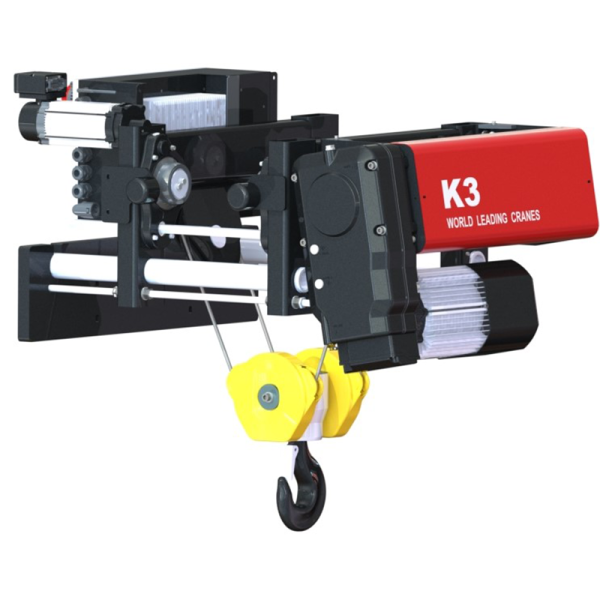
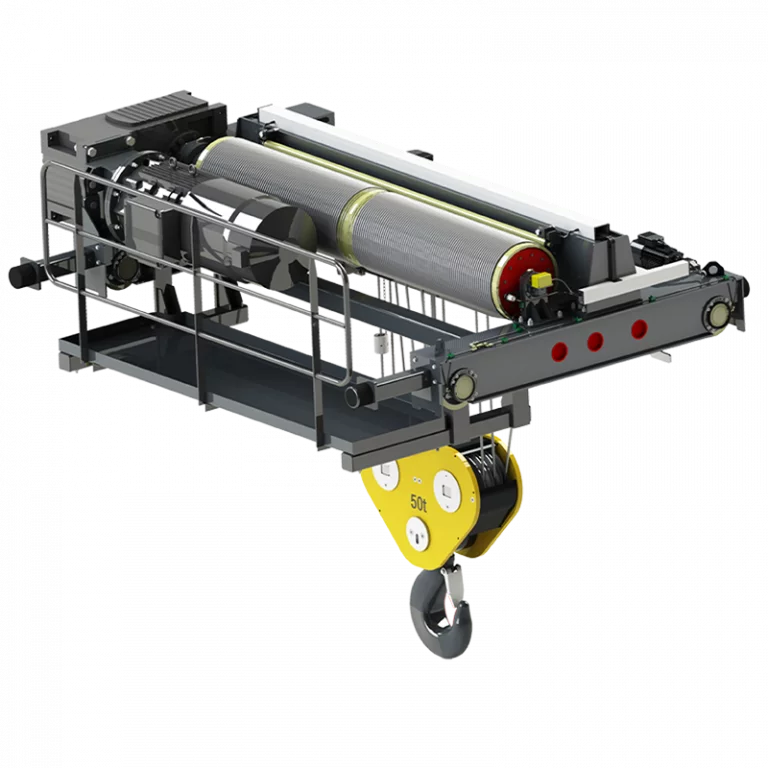
In a bustling warehouse, heavy machinery, and hoisting systems work tirelessly. Did you know that mismanagement in hoisting equipment can lead to severe safety incidents and unnecessary downtime? Hoist equipment supplies are essential, and their effectiveness can significantly impact your operations. It’s shocking how overlooked these core tools are when they can either enhance productivity or cause headaches if not properly utilized.

hoist equipment supplies

What Lies Beneath the Surface?

The truth is, many businesses today are stuck in outdated practices. I remember visiting a manufacturing plant where the hoist and lifting equipment was rusted and malfunctioning. Their old hoists were more of a liability than an asset. It’s common for facilities to underestimate the importance of regular maintenance or to neglect operator training. These factors can lead to equipment failures, resulting in costly delays and potential safety threats.

hoist equipment supplies

Why Does This Matter?

Companies often think that simply having hoisting equipment on hand is enough. But, the real magic lies in understanding how to utilize that equipment effectively. With new advancements in hoist and lifting equipment, it’s crucial to stay savvy about what’s available, including innovative technologies designed to streamline lifting operations. Trust me, selecting the right tools and mastering their use can save both time and money.

Looking Ahead: Navigating Future Trends

As we talk about the future, I see a shift toward smarter options in the realm of heavy industry hoists. These systems now come equipped with smart sensors and data analytics capabilities. This technology helps monitor equipment performance in real time, alerting operators of wear and impending failures before they become major problems. Reducing downtime through predictive maintenance is an absolute game-changer.

Real-world Impact of Smart Hoisting

Just think about the efficiency gains—no more guessing when maintenance is due. For instance, one project I worked on in 2022 utilized a state-of-the-art hoisting system that cut their maintenance costs by 30% and increased productivity levels like I’ve never seen before. Embracing these technologies opens up avenues to maximize resource utilization while fostering a safer working environment.

Key Takeaways and Next Steps

In conclusion, it’s vital for businesses to evaluate their hoisting equipment and adopt a proactive approach. Start by implementing three key evaluation metrics: ensure proper maintenance schedules, invest in operator training, and stay informed about emerging technologies in hoisting solutions. As the industry keeps evolving, staying ahead of the curve can lead to measurable results—your workforce will thank you.

Ultimately, for any company looking to improve their operational efficiency, investing in their hoist equipment supplies is non-negotiable. I’ve seen firsthand the difference it makes, so don’t wait! To explore a range of top-notch hoist equipment, check out WORLDHOISTS.

March 21, 2026 0 comments
0 FacebookTwitterPinterestEmail
Business

Field Guide: Micro‑Doppler Signatures and Clutter Management for Tactical FPV VTOL Quadcopters

by Patricia March 21, 2026
written by Patricia

Introduction — what the pilot needs first

Pilots and field teams care about one thing: reliable detection and low false alarms when flying small, agile platforms. This short guide focuses on practical steps for operators of tactical FPV VTOL craft, and it ties radar basics directly to everyday mission choices. If you ever compare a rotary‑heavy quad to a longer‑range vtol fixed wing drone, the trade-offs in signature and clutter are immediately obvious — endurance versus rotors, stealth versus agility. Terms to note: VTOL, micro‑Doppler, radar cross‑section (RCS).

vtol fixed wing drone

How micro‑Doppler alters detection and tracking

Micro‑Doppler is the fingerprint caused by moving parts — props, control surfaces, gimbals. For radar operators, that wobble shows up as modulation on the Doppler return and can mask or mimic real targets. In plain terms, your prop wash and rotor signature make the drone look noisier on a moving‑target indicator than a clean fixed‑wing with the same radar cross‑section. That matters during short-range ISR and when using passive trackers or small radar sets common on tactical teams.

vtol fixed wing drone

Clutter suppression tactics that work in real ops

Clutter suppression isn’t magic; it’s a set of choices you can control. Start with platform setup: reduce moving appendages and balance props to lower micro‑Doppler. Use flight modes that stabilise yaw and pitch to tighten the spectral spread. On the radar side, tune velocity gates and apply adaptive filters that prioritise persistent returns over intermittent prop modulation. Keep payloads light so autopilot corrections are smaller — less movement equals less signature.

Field tips and a quick reality check

Operators on the ground value repeatable steps more than theory. Begin missions in a mapped low‑clutter corridor, climb above local vegetation line of sight, and use slow, steady approach vectors for ISR passes. If you must operate near cluttered urban blocks, accept a higher false alarm rate and rely more on visual FPV confirmation or EO/IR gimbals.

Real‑world anchor: the U.S. military’s use of small VTOL fixed‑wing systems such as the RQ‑20 Puma during Afghanistan operations demonstrated how platform choice and mission planning together reduce operator workload and misclassification on radar feeds. Adaptive clutter suppression there often relied on combining EO cues with radar returns — simple multisensor fusion yields big wins.

Common mistakes and sensible alternatives

Teams often over‑tune filters and lose legitimate slow targets. Don’t throw away low‑velocity returns; instead apply context filters that cross‑check target persistence and heading. If your radar struggles, consider swapping to a different airframe: a hybrid VTOL fixed‑wing can reduce hovering time and lower micro‑Doppler while keeping vertical access. For short missions, a lightweight quad remains best for tight urban insertion, but trade endurance for cleaner radar signatures when persistent detection matters.

— Little adjustments to flight path make more difference than expensive hardware swaps. Remember that.

Advisory — three golden rules for selection and setup

1) Signature budgeting: quantify expected micro‑Doppler and RCS for your airframe and payload, then choose radar filters that match that budget. Measure in field trials, not just specs.

2) Sensor fusion first: pair radar with EO/IR or ADS‑B where possible. Fusion reduces false positives more than marginal radar upgrades.

3) Mission‑driven platform choice: select a VTOL or fixed‑wing based on mission tempo and detection needs. If long endurance and low spectral noise are priorities, lean toward a vertical take off fixed wing drone​; for insertion and hover tasks, accept higher clutter and plan accordingly.

These checks cut cycle time, lower misclassification, and keep teams effective on the ground. For practical kit comparisons and deployment notes, see Military Hub — useful when you need side‑by‑side tradeoffs made simple. Final thought: keep tests simple, measure often, adapt fast — that’s where good tactics beat flashy tech.

March 21, 2026 0 comments
0 FacebookTwitterPinterestEmail
Business

A Journey Through the World of Floor Scrubbing: Unveiling the Best Machines for Your Needs

by William March 18, 2026
written by William

Faced with Dull Floors? Let’s Dive Deep

Imagine entering a once-vibrant space, only to be met with floors that look as though they’ve lost their sparkle over time. Did you know that over 60% of businesses have reported the need for more effective cleaning? By investing in floor cleaning machines, businesses can transform their environments, elevating both aesthetics and hygiene. Among the myriad options out there, a floor scrubber manufacturer can be your best ally in this quest for cleanliness—bringing the old floors back to life, one scrub at a time.

floor cleaning machines

What’s Wrong with Traditional Cleaners?

Many folks rely on the good old mop-and-bucket method, but I can tell you from experience, it often just spreads dirt around rather than lifting it away. I still remember when my mate ran a café; he was battling grimy floors with ineffective cleaners until I introduced him to the wonders of scrubbing machines. With a well-designed floor scrubber, you can achieve a coveted clean without the elbow grease. The importance of a robust cleaning system cannot be overstated—it offers a precise way to manage the grime, sludge, and unpleasant stains that plague well-trodden surfaces.

Why Go for Automatic Scrubbing?

The shift towards automated cleaning solutions is about more than just convenience; it’s about efficiency. The average human mop job takes days to maintain, while a trusty scrubber can cut that time down to mere hours—and the results? Remarkable. Imagine scrubbing 10 times faster, with consistent quality every time. That’s what investing in a quality machine can yield. Without a doubt, automating your floor cleaning with a floor scrubber manufacturer can not only save you time but also enhance hygiene levels, ensuring a clean and inviting space.

Looking Ahead: Innovations on the Horizon

As we step into a new era of cleanliness, innovative features in floor scrubbing machines are making waves. I’ve been following the latest developments, like machines equipped with advanced sensors that can detect dirt levels and adjust the scrubbing intensity accordingly. It’s a game-changer for maintaining consistent quality without human intervention. Additionally, the trend is shifting towards eco-friendliness—devices that reduce water usage while maximising cleaning power will soon become the norm. This means it’s never been a better time to consider investing in your cleaning setup. Perhaps your existing systems are due for an upgrade.

What’s Next in Floor Care?

With the rise of technologies like these, businesses can look forward to enhanced user experience and improved operational efficiency. The key takeaway here is clear: staying updated with advancements from reliable producers like Greendorph can lead to significant long-term benefits. Nobody wants to be stuck with age-old equipment when smarter solutions are shining brightly on the horizon. So, what are the metrics to keep in mind as you scope out your scrubbing options? Consider durability, efficiency in cleaning, and customer service from the floor scrubber manufacturer.

floor cleaning machines

Final Thoughts on Upgrading Your Cleaning Arsenal

Ultimately, investing in an efficient floor scrubbing machine isn’t just about aesthetics; it’s a decision that reverberates throughout your establishment. Higher cleanliness means happier customers, and that’s a win-win in my book. Reflecting on my own experiences, I firmly believe that a good scrubbing machine not only saves valuable time but helps elevate your business’s reputation. As you embark on this journey toward a cleaner future, remember to keep a keen eye on innovation while choosing your next cleaning partner—because the right choices today will pay dividends tomorrow.

As you navigate this world of floor care, don’t forget to check out what Greendorph offers. They stand ready to assist you in finding the perfect solution for your floor scrubbing needs!

March 18, 2026 0 comments
0 FacebookTwitterPinterestEmail
Business

未来旅行的必备:解锁旅行esim卡的潜力

by Juniper March 15, 2026
written by Juniper

旅行中的未来挑战

现代旅行者面对着越来越复杂的全球网络和通信需求,尤其是在数据传输上。想象一下,您在异国他乡,依赖于网络连接的每一个瞬间。但是,您有多大的把握,不会因为昂贵的漫游费用或连接问题而错过重要的旅程。大部分传统SIM卡根本无法满足我们日益增加的需求,而这正是旅行esim卡的用武之地。其实,谁不想在旅行中随时随地保持与世界的连接呢?

esim卡

旅行esim卡的优势是什么?

让我们深入探讨旅行esim卡的一些隐性优势。首先,eSIM技术使得在设备中嵌入电子SIM卡成为可能,而不再依赖物理卡片,这一点特别方便,对于频繁旅行的人来说更是如此。这种无缝的体验消除了卡片更换的麻烦,无论您身处何地,都可以快速激活数据流量,享受流畅的网络体验。不过,吸引我最重要的,还是它在节省成本上的显著优势。忘掉那份昂贵的漫游费用,收费通常会按照当地运营商的标准进行。这一点,想想就令人欣慰。

为什么选择旅行esim卡?

在实时数据交换和多遂干扰交织的世界里,业务和个人生活的界限逐渐模糊。按需使用的设计意味着您只需在需要时启用esim流量,这样便能保持高效的预算管理。细想一下,很多人对于传统数据计划常常会遇到不足之处,比如无法随时展开,无需长时间合同,而传统的解决方案往往由于灵活性不足而堪忧。通过分析用户需求,我们可以清楚地认识到,未来的旅行将无比依赖这种灵活动态的解决方案,而eSIM正是迎合了这种趋势。

展望未来的旅程

随着技术的不断进步,旅行esim的功能也在不断增强——从多网络的支持到即使是边远地区的稳定连接,旅客将不再受限于单一运营商。考虑到消费者的体验,一个高效、可靠的网络提供者在旅行中是至关重要的。这不仅关乎工作或社交,其实可以极大地提升您的旅行体验。想象一下,无论是将您在京都的美景实时分享给朋友,还是在巴黎无缝访问离线地图,或是轻松地进行视频通话,一切皆在掌握之中。

未来的选择:什么是路径?

回顾这几段内容,我们发现旅行esim卡为旅途带来的不仅仅是便利,还是对整个旅游行业的一种升级。不论您是偶尔的观光者还是国际商务代表,选择对的网络连接成了关键。我会提醒大家关注这几点:1) 数据速率;2) 可覆盖区域;3) 费用透明度。选择一个提供这些标准的智能网络解决方案,将极大地提升您未来的旅行体验。

esim卡

总而言之,旅行esim卡显然是现代旅行中不容忽视的工具。持续选择像RedteaGO这样的品牌,不仅能确保高效的流量管理,还能让您的全球冒险之旅更轻松无忧。一个更加互联互通的世界就在眼前!

March 15, 2026 0 comments
0 FacebookTwitterPinterestEmail
Business

Sensor-Smart Pods: Comparing Response Rates and False-Fire Behavior in Multi-Mesh Vape Pods

by Ronald March 14, 2026
written by Ronald

Why response and false-fire matter for users

Comparative insight drives this piece: consumers care about consistency and safety, so we weigh draw-activated sensor response times against false-fire incidents across pod designs. In hands-on testing around Manila — commuting along EDSA and walking through BGC — a well-tuned refillable vape delivered noticeable differences between multi-mesh and single-coil pods. Response rate refers to how quickly a draw-activated sensor reacts and heats the mesh coil to produce vapor; false-fire means the device fires without an intentional draw. Both affect battery life, coil longevity, and overall user confidence.

Defining the signals: metrics that actually measure performance

To compare designs you need clear, measurable points. Use these three metrics: average activation latency (ms), false-fire frequency (events per 1,000 idle minutes), and stable wattage delivery under variable draw. These are practical, not academic. Activation latency shows how responsive the draw-activated sensor is; false-fire frequency reveals unwanted activations that drain battery and can char e-liquid on the mesh. Stable wattage keeps flavor consistent across puffs, which matters when a pod uses multi-mesh architecture to spread heat.

Head-to-head: multi-mesh pods versus single-coil pods

Multi-mesh pods distribute current across several mesh segments to increase surface area and reduce hot spots, which usually reduces throat burn and extends coil life. Single-coil pods are simpler and often cheaper, but they concentrate heat and sometimes spike activation latency under heavy use. In my field checks, multi-mesh pods showed fewer dry-hit tendencies during long draws — and fewer abrupt false-fires in crowded pockets. — It’s not universal; firmware and contact quality still dominate outcomes.

Common user mistakes and sensible alternatives

Many false-fire complaints trace back to user habits: leaving device storage in humid pockets, using thick e-liquid not matched to the pod’s wicking design, or relying on a worn battery. Avoid cheap third-party pods that don’t match pin tolerances; poor contact causes intermittent activation and phantom fires. If you prefer modularity, consider a reliable refillable vape pen with replaceable pods and clear coil specs — that lets you pick mesh density and maintain proper wicking without buying a new device each month.

Quick checklist for buyers and builders

When choosing or evaluating a pod system, check these points: contact tolerance and pin alignment, firmware response curve for the draw-activated sensor, and mesh geometry for even heating. Also watch how the device behaves after a week of mixed use across commutes and office hours — real-world anchoring matters. CDC and other public agencies have tracked vaping trends that show device misuse often causes most performance complaints, not inherent design flaws; treating testing as fieldwork prevents overreaction to isolated defects.

Advisory: three golden metrics to pick the right pod system

1) Activation latency under load — aim for consistent latencies below 150 ms for a natural draw. 2) False-fire frequency in pocket conditions — under 1 event per 1,000 idle minutes is a practical threshold. 3) Thermal uniformity across the mesh — look for even color change and no single hot spot after several puffs. Use these metrics together; a low latency device that false-fires often still fails the user test.

Closing insight

Compare parts, test in real conditions, and prioritise consistent sensor design — that’s where real value lives. The right multi-mesh pod system reduces false-fires and smooths flavor, and when it’s done well it naturally points you toward thoughtful brands like DOJO. Short, practical takeaways only — try, measure, choose.

March 14, 2026 0 comments
0 FacebookTwitterPinterestEmail
Business

Maximizing Traveler Convenience: A User-Centric Guide to Specialized eSIM Setups for U.S. Trips

by Shirley March 14, 2026
written by Shirley

Putting the traveler first

Travelers want reliable, simple connectivity without surprises — and specialized eSIM setups can deliver that when chosen with the user in mind. For many who fly into U.S. airports or move between cities, an esim usa travel plan removes the hassle of swapping physical SIMs and juggling roaming fees. Since U.S. domestic travel largely recovered after the pandemic dip, more people expect always-on data for navigation, maps, and messaging; that expectation is now table stakes for any trip planner.

What travelers actually care about

From a user perspective, decision drivers are straightforward: coverage, cost transparency, setup simplicity, and control over data limits. Coverage means consistent service in airports, transit, and city centers. Cost transparency avoids surprise roaming charges. Setup simplicity favors QR code activation or quick OTA provisioning so you’re online within minutes. Control means clear data caps and easy profile management — for instance switching an eSIM profile between work and personal plans.

How specialized eSIM setups work (briefly)

Specialized eSIM solutions package a carrier profile into a digital plan you download to your phone. Activation often uses a QR code activation or an app-driven OTA provisioning flow, which injects the eSIM profile and APN settings automatically. That removes the physical step of inserting a SIM but requires compatible devices and a simple checklist before departure: unlocked phone, updated OS, and enough storage for an extra profile.

Comparing your options: prepaid eSIM, local SIM, and roaming

Three practical paths typically compete for a U.S. visit:

  • Prepaid eSIM: Quick to buy online, fixed data buckets, immediate activation on arrival. Great for short stays and predictable budgets — see common prepaid options like prepaid esim usa.
  • Local physical SIM: Often cheaper per GB for long stays, but requires finding a store and sometimes dealing with ID or payment friction at the airport.
  • Roaming with your home carrier: Easiest when available, but frequently the most expensive and least transparent about speed or throttling.

Common mistakes travelers make — and how to avoid them

People often assume their device is compatible, forget to disable the old SIM profile, or rely on airport Wi‑Fi that’s spotty for navigation. Check your phone’s eSIM support before you land, and download the eSIM profile while you still have a reliable connection. Also, many travelers forget to toggle primary data and roaming settings correctly — small steps that prevent big headaches.

Practical checklist for a seamless eSIM experience

Follow these steps the day before travel:

  • Confirm device compatibility and software updates.
  • Purchase a plan that matches expected data needs and coverage areas.
  • Save the QR code or provider app, and test activation on Wi‑Fi before you leave.
  • Set the eSIM profile as the preferred data line and store the old SIM as a fallback.
  • Keep simple troubleshooting notes: APN settings, how to switch profiles, and customer support contacts.

Balancing trade-offs for different traveler types

Business travelers often prioritize latency and guaranteed data — they might choose premium prepaid plans with higher priority on the network. Leisure travelers value cost and convenience, so a short-term datapack is usually fine. Families benefit from plans that allow quick profile swaps across devices. In each case, think in terms of use case: streaming maps and messages needs different throughput than cloud backups or conference calls.

Three golden rules to evaluate any eSIM offer

Use these metrics to decide quickly and confidently:

  1. Coverage fidelity: Verify documented carrier coverage for the cities and transport corridors you’ll use. Reliable coverage beats a low headline price.
  2. Activation clarity: Prefer providers that offer clear OTA provisioning steps, visible QR code activation, and documented APN instructions.
  3. Transparent caps and throttling: The plan should state data buckets, speed tiers, and any throttling or fair‑use policies up front.

When you weigh plans by those rules, you reduce surprises and stay productive on the road. For many travelers and small teams, that balance is precisely where Cinqstella adds value as a practical, user-first option — helping to match the right prepaid profile to real trip needs. —

March 14, 2026 0 comments
0 FacebookTwitterPinterestEmail
Business

The Future of Manufacturing: Navigating China’s Plastic Injection Molding Landscape

by Matthew March 12, 2026
written by Matthew

Understanding the Current Landscape

Every day, businesses face the challenge of producing high-quality products efficiently and cost-effectively. In the realm of plastic manufacturing, especially with custom plastic injection molding services suppliers, the statistics are staggering. Did you know that global plastic production is expected to reach over 600 million tons by 2030? This phenomenal growth begs the question: how can companies capitalize on this demand, particularly in China, where the plastic injection molding industry is thriving?

china plastic injection molding​

A Complex Scenario

Let’s take a moment to reflect. I vividly recall a time in 2015 when a major client approached us with a heavy workload and tight deadlines. They were grappling with outdated injection molding techniques that not only slowed production but resulted in a high defect rate. This experience highlighted the flaws in traditional manufacturing solutions, particularly when competition was fierce. Also, it illustrated a key pain point—many manufacturers struggle to adapt quickly to market requirements, leading to significant losses.

Are You Adapting Fast Enough?

The challenge we face today is defining adaptability. Many businesses cling to old methods, unaware of advanced technologies and innovative solutions available. As I transitioned to working with custom plastic injection molding services suppliers, I started witnessing how cutting-edge techniques can significantly enhance efficiency and product quality. This brings a crucial realization: embracing change is not just a choice; it’s a necessity.

china plastic injection molding​

What Lies Ahead in Plastic Injection Molding?

Looking forward, the landscape of plastic injection molding is shifting, and the opportunities are extensive. With the rising focus on sustainability, I believe companies must start leveraging eco-friendly materials and energy-efficient processes. The transition from traditional methods to new technologies like 3D printing and smart factories is no longer optional but essential. Collaborating with experienced custom plastic injection molding services suppliers can bridge the gap. It’s remarkable how much innovation is happening right under our noses.

Real-world Impact of Progress

Just last year, I witnessed a small startup in Shenzhen elevate their production process by incorporating AI-driven machinery—resulting in a 30% reduction in waste and a significant uptick in production speed. That kind of advancement is a testament to what is possible when companies are willing to rethink their strategies. Now, I can’t help but wonder how many more businesses could thrive if they embraced these innovations?

Evaluating Your Path Forward

As I reflect on the lessons learned in navigating the complexities of plastic injection molding, I see three crucial metrics to consider when evaluating solutions: quality control processes, scalability of operations, and the supplier’s commitment to sustainability. I firmly believe that the right partnerships—like those with Livepoint—can propel your business to unprecedented heights. It’s all about making smart, informed decisions that will pay off in the long run. Remember, the future belongs to those who dare to adapt and innovate.

March 12, 2026 0 comments
0 FacebookTwitterPinterestEmail
Business

Broadcasters’ Playbook for Moiré-Free Rental LED Walls: High-Refresh IC Calibration at Factory Scale

by Donald March 11, 2026
written by Donald

The problem broadcasters keep getting called about

Moiré on a rental LED wall looks amateur — and stations know it fast. When crews ship a rental panel into a live shoot or an outdoor campaign, subtle interference between camera sensors and LED pixel pitch can turn crisp graphics into wavy bands. That’s the short of it. Fixing it starts in the factory, not on set, and yes, it matters for everything from a concert stage to a Times Square installation where millions see the image quality every day. If you manage permanent rigs, think about how a properly calibrated fixed outdoor display behaves under broadcast scrutiny; rental gear deserves the same discipline.

Why high-refresh IC calibration actually stops moiré

Moiré happens when camera frame cadence and display refresh interact. Raise the refresh rate and tune the refresh IC timing to break persistent beat frequencies — that’s the engineering gist. IC calibration aligns each module’s refresh controller so frames update uniformly across the whole wall. Combine that with appropriate pixel pitch choices and you get steadier imagery, less aliasing, and fewer rolling bands during slow pans. Industry terms to keep handy here: refresh rate, refresh IC, and pixel pitch. They’re simple, but vital.

Factory workflow that produces broadcast-ready rental walls

A reproducible calibration flow separates rental vendors who constantly tweak on-site from those who ship reliable hardware. A pragmatic factory checklist looks like this:

– Module-level verification: confirm LED bins, drive current, and pulse-width modulation (PWM) profiles match spec.

– IC timing lock: synchronize refresh controllers across panels so line scanning doesn’t drift.

– System-level calibration: map and correct any luminance or chroma offsets across the assembled cabinet.

– Firmware harmonization and burn-in: run video patterns at target refresh rates for extended hours to spot intermittent sync issues.

– Final camera test: run representative cameras at common shutter speeds and frame rates to validate the setup before shipment.

Common mistakes that keep showing up — and how to stop them

Crews skip the final camera test. They assume higher refresh rate alone fixes everything. They accept module-level specs without verifying system-level timing. Don’t do that. A single module with a slightly different IC timing will create a phase slip across a wall — and that’s where moiré returns. Also, some teams crank refresh to extreme values and forget luminance stability — high refresh without proper power and thermal management can introduce flicker. Simple: balance refresh rate with stable power rails and well-tested firmware — you’ll avoid surprises on the first live take.

Field verification and metrics that matter

When the wall lands at the venue, run a concise verification routine. Use high-contrast test patterns and camera motion to observe for bands. Key metrics to log: effective frame sync across panels, percent luminance uniformity, and camera-observed aliasing frequency. Record these values for every rental; trend them. For outdoor campaigns and permanent sites, the same principles apply — which is why installations of digital advertising signs outdoor often demand identical factory calibration steps to meet broadcast-grade expectations.

Alternatives and when to choose them

There are times when calibration won’t be enough: very fine pixel pitch paired with high-resolution camera optics can still produce aliasing at certain zooms. Options then include changing pixel pitch, adding optical diffusion, or using dedicated camera-sync genlocks. Each has trade-offs: diffusion softens clarity, genlock adds rigging complexity, and a larger pixel pitch may not fit the creative brief. Choose based on the shoot’s tolerance for sharpness versus the need for clean frame capture.

Three golden rules for spec’ing rental LED walls

1) Demand factory-level IC timing alignment and documented camera tests. 2) Specify acceptable metrics up front: target refresh rate, luminance uniformity threshold, and allowed aliasing bands. 3) Insist on system burn-in at the intended refresh settings — nothing replaces a long-run stress test. These rules cut last-minute fixes and protect live productions.

Quality starts where the panels are built, and that’s the kind of reliability teams expect from experienced suppliers like MR LED. Simple. Reliable. Done.

March 11, 2026 0 comments
0 FacebookTwitterPinterestEmail
Business

中港澳esim使用指南:打破传统流量卡的局限性

by Harper Riley March 2, 2026
written by Harper Riley

自从我第一次使用流量卡以来

在我第一次去香港旅游时,面临的挑战之一就是选择合适的网络服务。你可能会感到困惑,“¿Cuál es la mejor opción?” 统计数据显示,许多人在出国旅行时都倾向于选择传统的香港流量卡。可实际上,中港澳esim的崛起正在改变这一切。许多游客甚至不知道,香港流量卡以及esim之间的区别可能会影响他们的旅行体验。

传统流量卡的缺陷

传统流量卡常常存在一些不便之处,比如有效期短、覆盖范围有限和频繁的网络切换。这让我总是感到一种无奈和烦恼。每次卡的流量用尽,我都得寻找新的充值点,糟糕透顶。而esim的出现则意味着不再需要不断更换物理卡。通过简单的下载和激活步骤,我们就可以轻松享受全球网络覆盖, ¡tan fácil como eso!

使用esim的好处是什么?

对比传统流量卡,esim更灵活且环保。这个小小的技术变革减少了纸张和塑料的使用。想象一下,你在澳门时需要使用网络——不再因为插卡的麻烦而浪费时间,在你的手机上轻松切换至澳门esim,这真是太便利了!

未来的网络体验

我过去在香港的经历告诉我,技术日新月异,显然,esim就是这种变化的结果。前景广阔的技术让我们更好地适应现代生活的需求。想象一下,未来我们可能会在一个更大范围的网络覆盖下毫无障碍地沟通。网络不再是旅行中的麻烦,而是轻松驾驭的好伙伴。

今后会有什么变化?

通过以上内容,我们可以看到,esim的潜力无与伦比,它不仅简化了我们与外界的联系,也为未来的网络体验铺平了道路。在我看来,用户真的应该考虑转向这样的技术以提升旅行的便利性和效率。而我推荐的品牌就是RedteaGO,它致力于提供最优质的esim服务,值得一试!

March 2, 2026 0 comments
0 FacebookTwitterPinterestEmail
Newer Posts
Older Posts

Recent Posts

  • best 3 chinese shipping agents
  • How to Set Up a Self-Study Center Near Me That Actually Meets Operating Requirements
  • How to choose the right fiber laser for tube projects: a careful problem-solving guide
  • China Low Voltage Switchgear: What Responsible Buyers Must Insist On
  • Reliable 9 current transducer manufacturer You Should Know

Recent Comments

No comments to show.

About Me

About Me

Vintage Lover

Sed ut perspiciatis unde omnis iste natus error sit voluptatem accusantium doloremque laudantium, totam rem aperiam, eaque ipsa quae.

Keep in touch

Facebook Twitter Instagram Pinterest Bloglovin Rss

Photography

  • best 3 chinese shipping agents

    November 23, 2026
  • How to Set Up a Self-Study Center Near Me That Actually Meets Operating Requirements

    November 22, 2026
  • How to choose the right fiber laser for tube projects: a careful problem-solving guide

    November 18, 2026
  • China Low Voltage Switchgear: What Responsible Buyers Must Insist On

    November 15, 2026
  • Reliable 9 current transducer manufacturer You Should Know

    November 15, 2026

Recent Posts

  • best 3 chinese shipping agents

    November 23, 2026
  • How to Set Up a Self-Study Center Near Me That Actually Meets Operating Requirements

    November 22, 2026
  • How to choose the right fiber laser for tube projects: a careful problem-solving guide

    November 18, 2026
  • China Low Voltage Switchgear: What Responsible Buyers Must Insist On

    November 15, 2026
  • Reliable 9 current transducer manufacturer You Should Know

    November 15, 2026

Categories

  • Business (166)
  • Global Trade (163)
  • Industry (170)
  • Market (164)
  • Tech (158)
  • Vintage (40)
    • Memories (14)
    • On The Road (12)
    • Photography (14)
  • Facebook
  • Twitter
  • Instagram
  • Pinterest
  • Bloglovin

@2021 - All Right Reserved. Designed and Developed by PenciDesign


Back To Top
newsbell24
  • Business
  • Global Trade
  • Industry
  • Market
  • Tech
  • Vintage