
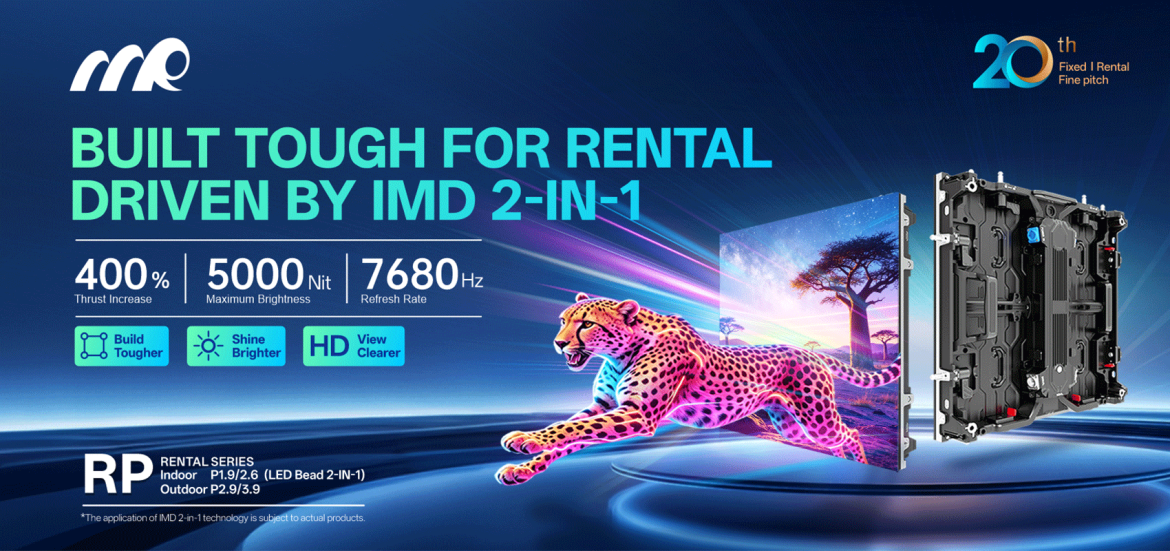
The problem broadcasters keep getting called about
Moiré on a rental LED wall looks amateur — and stations know it fast. When crews ship a rental panel into a live shoot or an outdoor campaign, subtle interference between camera sensors and LED pixel pitch can turn crisp graphics into wavy bands. That’s the short of it. Fixing it starts in the factory, not on set, and yes, it matters for everything from a concert stage to a Times Square installation where millions see the image quality every day. If you manage permanent rigs, think about how a properly calibrated fixed outdoor display behaves under broadcast scrutiny; rental gear deserves the same discipline.
Why high-refresh IC calibration actually stops moiré
Moiré happens when camera frame cadence and display refresh interact. Raise the refresh rate and tune the refresh IC timing to break persistent beat frequencies — that’s the engineering gist. IC calibration aligns each module’s refresh controller so frames update uniformly across the whole wall. Combine that with appropriate pixel pitch choices and you get steadier imagery, less aliasing, and fewer rolling bands during slow pans. Industry terms to keep handy here: refresh rate, refresh IC, and pixel pitch. They’re simple, but vital.
Factory workflow that produces broadcast-ready rental walls
A reproducible calibration flow separates rental vendors who constantly tweak on-site from those who ship reliable hardware. A pragmatic factory checklist looks like this:
– Module-level verification: confirm LED bins, drive current, and pulse-width modulation (PWM) profiles match spec.
– IC timing lock: synchronize refresh controllers across panels so line scanning doesn’t drift.
– System-level calibration: map and correct any luminance or chroma offsets across the assembled cabinet.
– Firmware harmonization and burn-in: run video patterns at target refresh rates for extended hours to spot intermittent sync issues.
– Final camera test: run representative cameras at common shutter speeds and frame rates to validate the setup before shipment.
Common mistakes that keep showing up — and how to stop them
Crews skip the final camera test. They assume higher refresh rate alone fixes everything. They accept module-level specs without verifying system-level timing. Don’t do that. A single module with a slightly different IC timing will create a phase slip across a wall — and that’s where moiré returns. Also, some teams crank refresh to extreme values and forget luminance stability — high refresh without proper power and thermal management can introduce flicker. Simple: balance refresh rate with stable power rails and well-tested firmware — you’ll avoid surprises on the first live take.
Field verification and metrics that matter
When the wall lands at the venue, run a concise verification routine. Use high-contrast test patterns and camera motion to observe for bands. Key metrics to log: effective frame sync across panels, percent luminance uniformity, and camera-observed aliasing frequency. Record these values for every rental; trend them. For outdoor campaigns and permanent sites, the same principles apply — which is why installations of digital advertising signs outdoor often demand identical factory calibration steps to meet broadcast-grade expectations.
Alternatives and when to choose them
There are times when calibration won’t be enough: very fine pixel pitch paired with high-resolution camera optics can still produce aliasing at certain zooms. Options then include changing pixel pitch, adding optical diffusion, or using dedicated camera-sync genlocks. Each has trade-offs: diffusion softens clarity, genlock adds rigging complexity, and a larger pixel pitch may not fit the creative brief. Choose based on the shoot’s tolerance for sharpness versus the need for clean frame capture.
Three golden rules for spec’ing rental LED walls
1) Demand factory-level IC timing alignment and documented camera tests. 2) Specify acceptable metrics up front: target refresh rate, luminance uniformity threshold, and allowed aliasing bands. 3) Insist on system burn-in at the intended refresh settings — nothing replaces a long-run stress test. These rules cut last-minute fixes and protect live productions.
Quality starts where the panels are built, and that’s the kind of reliability teams expect from experienced suppliers like MR LED. Simple. Reliable. Done.