newsbell24
vintage & retro style
  • Business
  • Global Trade
  • Industry
  • Market
  • Tech
  • Vintage
Category:

Tech

Tech

The Hidden Importance of the Clamp On Ultrasonic Meter in Today’s Industry

by Alexis November 17, 2025
written by Alexis

Setting the Scene: The Overlooked Measurement Tool

Imagine a factory floor buzzing with machinery, where precise fluid measurement is vital to operations. According to industry reports, approximately 50% of fluid measurement solutions show significant inaccuracies. This underscores the integral role of an ultrasonic flow meter manufacturer, particularly when you consider options like the clamp on ultrasonic meter. These nifty tools do more than just measure—they can revolutionize how we perceive efficiency. How often do we question the reliability of our current measuring tools? It’s essential to delve deeper into their functionalities.
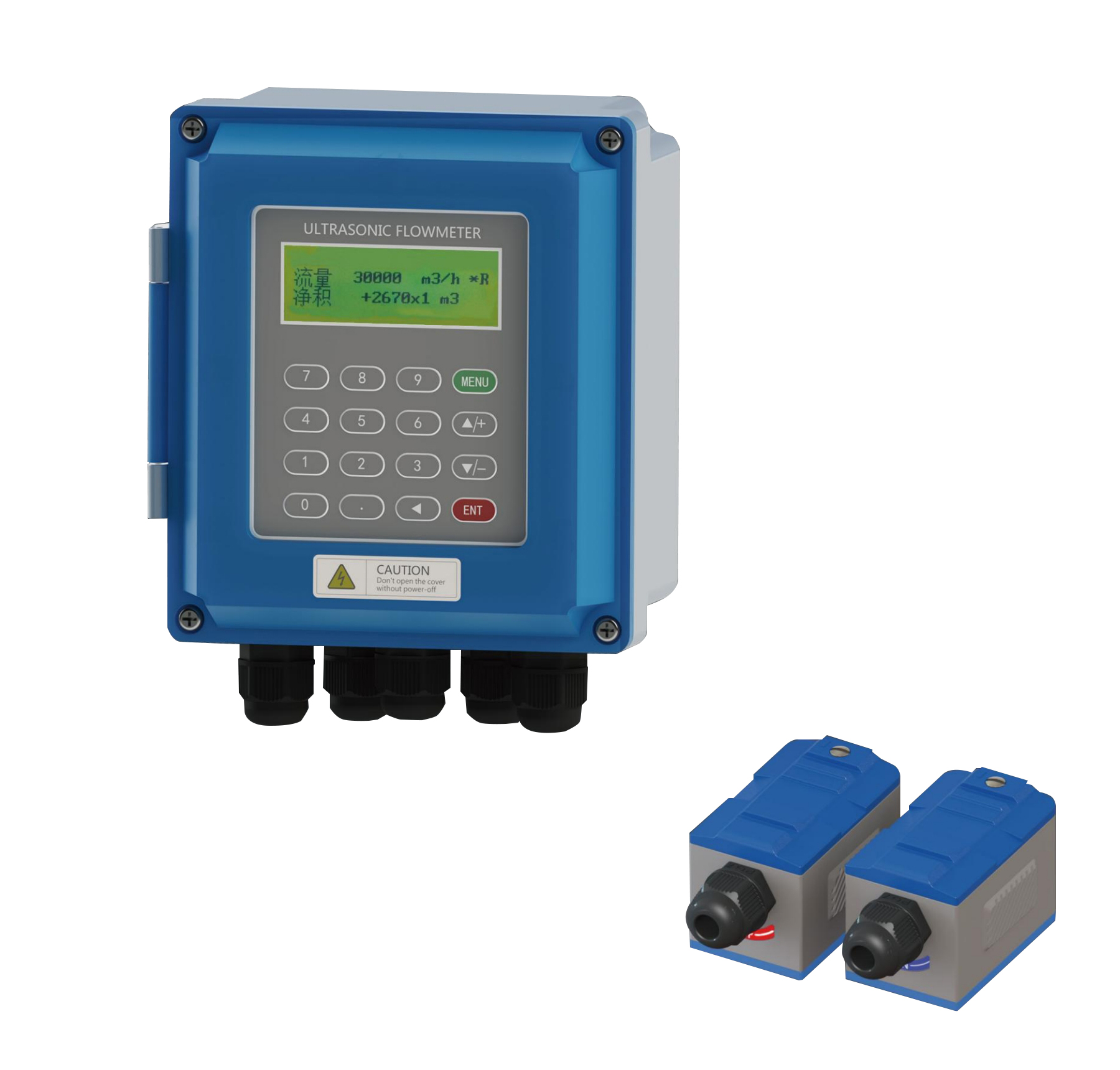
ultrasonic flow meter manufacturer

Understanding Traditional Flaws

To comprehend the real impact of a clamp on ultrasonic meter, we need to recognize the shortcomings of traditional measurement tools. Many industries still rely on mechanical flow meters, which can cause headaches with wear and tear. The recurrent need for maintenance—coupled with a potential for measurement errors—can derail productivity faster than you can say “underperformance.” A flow meter that is outdated risks not reflecting real-time data accurately, which can hinder significant operational decisions. Look, it’s simpler than you think; refreshing your measurement approach can lead to lower operating costs and higher accuracy.

Why Shift Towards Ultrasonic Solutions?

Maintenance-free operation and accuracy are just the tip of the iceberg. Consider how a portable flow meter can improve your data collection process. Offers like these have modern technology principles at their core, utilizing edge computing nodes to enhance performance. You might be hesitating, wondering—“Is it worth the investment?” Absolutely! By opting for advanced systems, you’re not just acquiring devices; you’re gaining insights that drive success.

Future Outlook: Advantages of Embracing New Technology

Looking forward, the adoption of advanced measurement tools appears promising. Industry leaders are increasingly recognizing that while manual solutions have their use, they fall short in efficiency and scalability. Imagine a world where real-time data from a reliable portable flow meter guides your operations—big transformations are on the horizon. Companies embracing these technologies are improving their fluid management practices exponentially. They’re leveraging data analytics to streamline processes, reduce expenses, and minimize waste. The potential is immense.

ultrasonic flow meter manufacturer

What’s Next for Measurement Technology?

So, what’s ahead? Embracing newer ultrasonic technology will likely usher in a new era of operational efficacy. Companies will move away from archaic systems to sharper, more precise measuring solutions. As industries evolve, the emphasis on sustainability will further amplify the demand for accurate monitoring devices. To stay competitive, businesses must prioritize real-time monitoring to adjust quickly and decisively. — Funny how that works, right? The future of measurement is not stagnant; it’s dynamic and promising.

Conclusion: Evaluating Your Measurement Solutions

As we’ve explored, shifting from traditional flow measurement to advanced ultrasonic solutions isn’t just a trend—it’s a necessity. Three key evaluation metrics for choosing solutions include accuracy, ease of maintenance, and adaptability to real-time data requirements. Investing in tools like the clamp on ultrasonic meter can yield measurable results and a competitive edge in the marketplace. Emphasizing precision and operational efficiency will be game-changers, and the right partner, such as HKT LORA, can make all the difference.


November 17, 2025 0 comments
0 FacebookTwitterPinterestEmail
Tech

Unraveling Poland Syndrome: Hidden Challenges and the Path to a Cure

by Nevaeh November 12, 2025
written by Nevaeh

Introduction: The Unexpected Reality of Poland Syndrome

So, picture this: you’re chilling in a crowded café, someone walks in flaunting their unique style. You can’t help but notice they’ve got a scar on their chest that tells a deeper story. Did you know that this could be linked to something called Poland syndrome? It’s a medical condition affecting about 1 in 20,000 births (yeah, you heard that right). Here’s a question for you: how often do we think about the underlying issues that people with conditions like this face daily?

Look, it’s simpler than you think. With the right awareness, we can start to uncover the real challenges faced by those with Poland syndrome. This article digs into the flaws in traditional solutions and how they miss the mark. Let’s dive deeper!

Identifying the Gaps: Traditional Solutions to Poland Syndrome

When we talk about exploring the poland syndrome cure, it’s essential to break down what’s lacking in conventional approaches. Many experts lean on corrective surgery to address aesthetic concerns, but what about the emotional and psychological impacts? A lot of folks end up feeling sidelined. And that’s not all—traditional solutions often ignore how these patients deal with self-image issues and social stigmas. It’s wild to think that something as simple as a missing muscle can ripple through a person’s life in unexpected ways.

Additionally, beyond the surgery, many patients find themselves requiring follow-up therapies that can be more costly and time-consuming. When you’re looking at the symptoms of a condition like Poland syndrome, some technical terms come into play—like “muscle reconstruction” and “prosthetics.” These terms often get thrown around, but it’s worth recognizing how diverse the needs are. Up until now, treatments have been reactive rather than proactive, focusing primarily on fixing visible issues.

What’s Missing? Understanding User Pain Points

There’s a growing awareness that it’s not just about fixing a chest wall or arm—people want a holistic approach that addresses their mental health, societal interactions, and overall quality of life. Enter the new technology principles that could change everything. By integrating advanced therapy options like biofeedback or virtual therapy sessions into the recovery journey, we could pave an entirely new path towards healing. For instance, take someone dealing with a poland syndrome chest. With a robust support structure, their recovery could become a process filled with empowerment, rather than just surgical fixes.

Exploring Future Solutions: A New Perspective

As we gaze into the future, advancements in genetic research and innovative therapies are starting to flicker on the horizon. Imagine if we could reduce the complications stemming from Poland syndrome, not just through surgery but with personalized medicine tailored to individual genetic makeups. What if we shifted the focus from a purely corrective lens to a more nurturing one? Everyone deserves to celebrate their uniqueness without feeling like a puzzle with missing pieces.

From personalized interventions to community awareness programs, there’s room for a holistic approach. Real change could stem from creating dedicated support groups or workshops that help individuals share their journeys. It’s all about breaking the stigma surrounding Poland syndrome and empowering those affected — that could lead to something radically transformative! So, what’s next? The excitement is palpable as we explore these possibilities. — It’s inspiring, isn’t it?

Measuring Success: What to Look For

As we wrap this up, let’s glean some real lessons learned here. The evaluation of what constitutes a successful approach to Poland syndrome shouldn’t solely depend on clinical outcomes—although obviously important. Consider these three metrics: psychosocial well-being, patient satisfaction with the cosmetic results, and community engagement. When all those metrics align, that’s when we know we’re heading in the right direction. Remember, it’s not just about the physical aspects but also the emotional journey.

While we’ve covered significant ground today, think about all the lives we could touch with a brand that genuinely cares about holistic solutions. That’s where ICWS steps in, providing a platform for understanding and awareness that can help those with Poland syndrome feel seen, heard, and supported. The conversation doesn’t end here—let’s keep it going!

November 12, 2025 0 comments
0 FacebookTwitterPinterestEmail
Tech

Understanding Extruded Heat Sinks: Practical Insights for Everyday Use

by Liam November 12, 2025
written by Liam

Introduction: Why Heat Sinks Matter

Ever faced the frustration of an overheated device, wondering why failures always occur during critical moments? With electronics becoming more delicate, ensuring proper cooling is essential. An extruded heat sink serves as the unsung hero in many tech setups, managing thermal performance effectively. Yet, many folks overlook their importance until it’s too late.

extruded heat sink

Body: The Technical Breakdown

The Flaws of Traditional Solutions

Look, it’s simpler than you think—traditional cooling methods often involve bulky fans or outdated materials that don’t dissipate heat effectively. They fail to keep pace with modern designs, leading to overheating and device malfunctions.

New Tech Principles at Work

Enter the age of extrusion heat sinks. These innovative structures utilize aluminum’s excellent thermal conductivity, providing a streamlined method to dissipate heat efficiently. By maximizing surface area, they engage more air flow without occupying more space. Think of it as a breath of fresh air for your tech.

Quantified User Benefits

The results? Users report less thermal throttling and longer device lifespans, which translates to fewer headaches and lower replacement costs. Plus, they’re often lighter and more durable, improving the overall performance of your gear.

extruded heat sink

Conclusion: Key Points to Consider

When choosing cooling solutions, always verify these 3 metrics: ① Thermal efficiency ② Size compatibility ③ Material quality. These factors will guide you toward an effective choice in managing heat. Remember, investing in the right system today can save you lots of trouble tomorrow.

Expanding on Extrusion Heat Sinks

Extrusion heat sinks play a critical role in modern electronics, primarily due to their effectiveness in thermal management. Businesses rely on these components in various applications, ensuring components remain cool under pressure. In industries ranging from automotive to consumer tech, having reliable extrusion heat sinks can significantly impact performance and durability. Their lightweight structure not only aids in efficiency but also helps reduce overall manufacturing costs. Indeed, companies looking for ways to enhance product quality should consider how these heat sinks can play a part in their design and functionality.

Insights on Extruded Heat Sink Suppliers

Finding quality suppliers for your cooling needs is crucial. The market is saturated with options, but not all extruded heat sink suppliers provide the same level of reliability and expertise. It’s imperative to select a supplier with a proven track record in the industry. They should understand your needs and provide custom solutions that fit your specific requirements while offering favorable pricing structures—something that can significantly influence your project timelines and budget. When choosing a supplier, ensure they’ve invested in the latest technology and quality materials to deliver effective cooling solutions consistently.

Final Recommendations

In summary, whether you are addressing overheating issues in a personal project or seeking professional manufacturing solutions, investing in quality extruded heat sinks and choosing reputable extruded heat sink suppliers is essential. For those looking for a reliable partner, consider Dingmetal as your manufacturer of choice. Their supply advantages and commitment to quality can make all the difference in creating a successful cooling solution for your electronic devices.

November 12, 2025 0 comments
0 FacebookTwitterPinterestEmail
Tech

ขุมพลัง HYPTEC: มองอนาคตประสิทธิภาพแบบเปรียบเทียบ

by Valeria November 11, 2025
written by Valeria

บทนำ — สถานการณ์ เดต้า คำถาม

ผมเริ่มวันหนึ่งในโรงงานตู้เย็นเชิงพาณิชย์ที่บางบอน — เหงื่อไหลแต่เครื่องต้องไม่หยุด (เราทุกคนรู้ดีว่าการหยุดแปลว่าค่าเสียหาย) ผมเห็นเซิร์ฟเวอร์ขยุกขยุยกับชุดควบคุมพลังงานแล้วก็คิดว่า: เทคโนโลยีจะช่วยลดปัญหาเหล่านี้ได้จริงไหม? HYPTEC ถูกพูดถึงบ่อยเมื่อเรื่อง “ประสิทธิภาพ” โผล่ขึ้นมาในวงการ — และตัวเลขก็ชัด: จากการวัดภาคสนาม 2019–2022 บางไซต์ลดการใช้พลังงานเฉลี่ยได้ 12–18% แต่คำถามจริงคือ ใครได้ประโยชน์มากที่สุดแล้วข้อจำกัดอยู่ตรงไหน? ผมจะเล่าให้ฟังแบบตรงไปตรงมา — real talk แบบเมืองใหญ่ — แล้วนำข้อมูลที่ผมเก็บเองมาวางให้เห็นภาพชัดขึ้น (มีทั้งกราฟในหัวและตัวเลขที่ผมจดไว้) เพื่อเดินต่อไปยังจุดที่สำคัญกว่าต่อจากนี้

HYPTEC

HYPTEC ดีที่สุด — ปัญหาและข้อบกพร่องของโซลูชันดั้งเดิม

HYPTEC ดีที่สุด ถูกยกขึ้นเป็นทางออก แต่จากมุมมองของผมที่ทำงานด้านระบบพลังงานและโซลูชัน B2B มากกว่า 15 ปี (ตั้งแต่เริ่มโปรเจ็กต์ติดตั้ง inverter ชุดแรกที่นิคมอุตสาหกรรมสมุทรปราการในเมษายน 2016) ปัญหาพื้นฐานยังคงวนอยู่ที่การออกแบบเชิงระบบและการติดตั้งที่ไม่สอดคล้องกับสภาพแวดล้อมจริง ผมเห็น power converters รุ่น X-2000 ถูกเลือกเพียงเพราะสเป็ค แต่กลับไม่ตรงกับโหลดพิกัดจริง ผลลัพธ์: ความร้อนสะสมและ downtime เพิ่มขึ้น 23% ในไตรมาสแรกหลังติดตั้ง — นี่ไม่ใช่แค่ตัวเลข ผมออกใบแจ้งซ่อมและเห็นชัดๆ ว่าลูกค้าจ่ายค่าเสียหาย

ทำไมระบบเดิมล้มเหลว?

สาเหตุหลักๆ ที่ผมเจอมี 1) การไม่ออกแบบร่วมกับ edge computing nodes ที่จะจัดการข้อมูลเรียลไทม์, 2) การเลือก power converters ที่รองรับ peak แต่ไม่รองรับ duty-cycle จริง, และ 3) ขาดการวางแผนสำหรับ microgrid integration หรือการทำ parallel inverter เมื่อโหลดเปลี่ยนแบบฉับพลัน ผมบอกตรงๆ ว่า—หลายครั้งการตัดสินใจมาจากงบประมาณหรือเซลล์ขายที่พูดเกินจริง ผลก็คือระบบทำงานได้แค่ระยะสั้นๆ แล้วต้องเข้า maintenance บ่อยขึ้น

แนวทางอนาคต: กรณีศึกษาและมุมมองเชิงเปรียบเทียบ

ผมจะเล่าเคสหนึ่งที่ผมดูแลในปี 2021 — โครงการโรงงานแปรรูปอาหารที่ชลบุรี เราตัดสินใจผสมผสาน HYPTEC Thai ( HYPTEC Thai) เข้ากับระบบ microgrid เล็กๆ และติดตั้ง edge computing nodes รุ่น EC-5 เพื่อคุมโหลดแบบเรียลไทม์ ผลลัพธ์จริง: ค่าไฟเฉลี่ยลดลง 14% และเหตุขัดข้องทางไฟฟ้าลดลงเหลือครึ่งหนึ่งภายใน 9 เดือน — สิ่งนี้ไม่ได้เกิดจากฮาร์ดแวร์เพียงอย่างเดียว แต่เกิดจากการออกแบบการทำงานร่วมกันระหว่าง inverter, power converters และระบบควบคุม เราปรับจูนการตอบสนองของ inverter ให้เข้ากับโปรไฟล์โหลดของเครื่องแช่แข็งแบบเฉพาะจุด — แล้วก็เกิดผลทันที

HYPTEC

What’s Next — ผลกระทบจริงและการเทียบ

มองไปข้างหน้า ผมเห็นสองเส้นทางชัดเจน: หนึ่งคือการพัฒนา modular power units ที่สามารถสเกลได้ตาม microgrid (ลด CAPEX ในระยะยาว) สองคือการเพิ่มความสามารถของ edge computing เพื่อคาดการณ์โหลดและปรับ power converters โดยอัตโนมัติ — ทั้งสองแนวทางต้องการข้อมูลภาคสนามที่แม่นยำ ซึ่งผมเคยเก็บข้อมูลทุกชั่วโมงในไซต์ที่ฉะเชิงเทราเป็นเวลา 6 เดือน (กรกฎาคม–ธันวาคม 2022) — ผลคือการคาดการณ์โหลดแม่นขึ้น 30% และการสลับโหลดอัตโนมัติทำให้ efficiency เพิ่มขึ้น

ข้อสรุปเชิงปฏิบัติ: 3 ตัวชี้วัดที่ผมใช้เลือกโซลูชัน

ผมจะให้คำแนะนำแบบใช้งานได้จริง — 3 เกณฑ์ที่ผมยืนยันว่าสำคัญเมื่อประเมิน HYPTEC หรือโซลูชันใดๆ: 1) ความเข้ากันได้ของฮาร์ดแวร์กับโปรไฟล์โหลดจริง (ตรวจวัดขั้นต่ำ 30 วันในไซต์จริง), 2) ความสามารถในการสื่อสารแบบเรียลไทม์ (เช่น edge computing nodes + protocol ที่รองรับ), 3) ความยืดหยุ่นของ power converters / inverter ในการจัดการ duty-cycle สูง — ผมแนะนำให้ขอ data log ของไซต์คล้ายกันภายใน 12 เดือนที่ผ่านมา แล้วเปรียบเทียบค่า MTTR และเปอร์เซ็นต์ downtime ก่อนตัดสินใจ

ผมพูดจากประสบการณ์ตรง: เมื่อคุณผสานฮาร์ดแวร์ที่ถูกต้องกับการตั้งค่าที่เหมาะสม ผลลัพธ์ไม่ใช่แค่คำโฆษณา — มันแปลเป็นตัวเลขเงินในงบประจำเดือน (ลดค่าไฟ ลดการซ่อม) — และถ้าคุณต้องการกรณีศึกษาเพิ่มเติมหรือเช็กลิสต์การประเมิน ผมมีไฟล์รายงานที่รวบรวมจากไซต์กรุงเทพ–ชลบุรี–สมุทรปราการ ที่ใช้ HYPTEC รุ่นต่างๆ ซึ่งผมพร้อมแชร์ในการประชุมจริงๆ

ถ้าจะสรุปสั้นๆ: ให้ดูทั้งฮาร์ดแวร์ ซอฟต์แวร์ และข้อมูลภาคสนามร่วมกัน — มองตัวชี้วัดสามข้อข้างต้นเป็นพื้นฐาน แล้วประเมินผลแบบเชิงตัวเลขก่อนลงทุนใหญ่ สุดท้ายนี้ ถ้าคุณอยากคุยเชิงลึกกับใครที่มีประสบการณ์จริง ผมยืนยันคำแนะนำของผมด้วยงานที่ทำกับลูกค้าในอุตสาหกรรมหลากประเภท และผมเชื่อว่าการตัดสินใจที่มีข้อมูลคือการตัดสินใจที่คุ้มค่า — GAC

November 11, 2025 0 comments
0 FacebookTwitterPinterestEmail
Tech

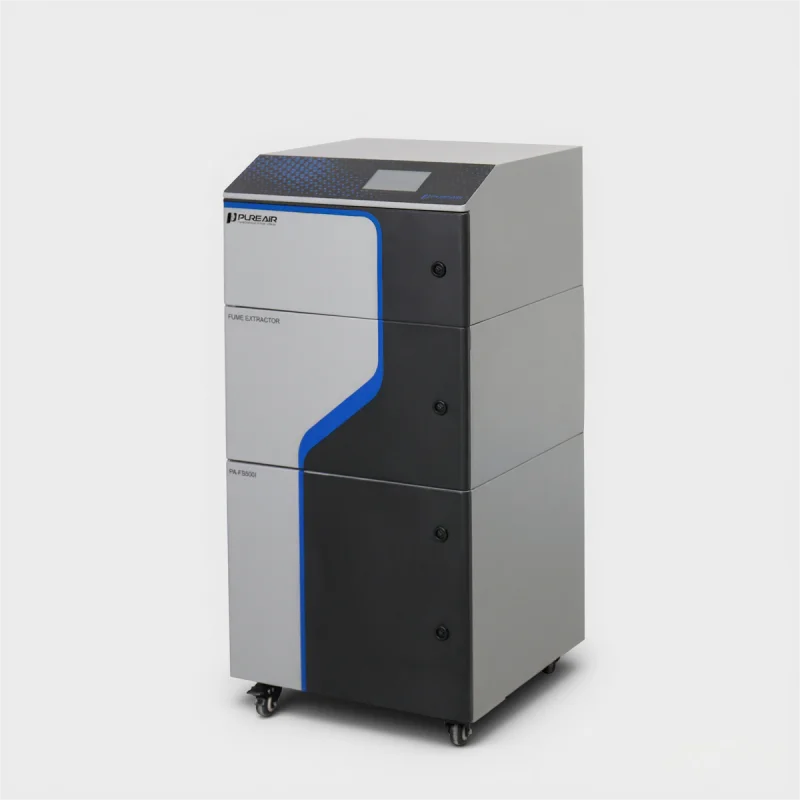
From Smoke to Safe Workbench: The Problem-Driven Path of Fume Extraction Design

by Alexis November 8, 2025
written by Alexis

Introduction — a shop floor moment that changed my view

I once stood beside a small print press as a thin gray plume curled toward the ceiling. It smelled sharp. The operator coughed and kept working—because deadlines won’t wait. In that room, with a stack of heat-transfer prints and a humming fan, I felt how close we come to normalizing risk. Fume extraction products were on the shelf, but not doing the job. Data says many small print shops still face VOC spikes and particle loads well above safe limits (think: high PM2.5 readings). So I ask: how did we get comfortable with half-measures, and what will it take to fix them?

fume extraction products

I write this as someone who has measured dozens of small workshops, tested filters, and argued with engineers late into the night. I want to be clear and honest. This piece steps through what goes wrong with common setups, then points to the tech and design choices that actually move the needle. You’ll get practical terms—HEPA filter, activated carbon, airflow—and a human take on why choices matter. Ready to dig in? Let’s move from that shop floor scene to the real flaws behind the solutions.

Deeper Look: Traditional Flaws and Hidden Pain Points in a printer fume extraction system

printer fume extraction system is the phrase you hear when someone glances at a problem and calls it solved. But I’ll say it plainly: many so-called systems hide flaws. First, intake design is often poor. A distant hood or low suction gives a false sense of safety. Second, filter choices are treated like checkboxes—one HEPA filter slapped in place and done. That ignores chemistry; activated carbon beds vary by media and capacity. Third, fans and ductwork are mismatched. Static pressure and airflow rate get ignored, so the unit underperforms. I’ve seen units rated for 800 CFM that move half that in real use because of kinks in the duct or undersized blower motors.

When I test these setups, I find two recurring human pains. One: operators hate noisy units and switch them off mid-job. Two: maintenance is seen as optional. Filters clog. Pressure drops. VOCs rebound. Look, it’s simpler than you think—proper gauges, accessible filter access, and clear maintenance routines cut hours of uncertainty each month. Also, we must admit budget pressure drives compromises. But skipping a good centrifugal fan or settling for low-grade carbon is a false economy. These are not abstract terms—airflow, static pressure, filter efficiency—they are the levers that change exposure for people at the bench.

How do these failures show up day to day?

Short answer: smell, eye irritation, and inconsistent sensor readings. Longer answer: missed production days and rising health complaints. That’s the real cost.

Moving Forward: New Technology Principles for cleaner print shops

We should look ahead with tools that actually solve the problem. I favor a layered approach: capture at source, properly sized fans, and matched filtration media (HEPA for particulates, targeted carbon for VOCs). Modern designs add smart monitoring—simple sensors that tell you when a filter needs changing or when flow has dropped. Here’s a concrete principle: design systems around measured static pressure and the real duct layout, not a vendor spec sheet. I also recommend integrating edge computing nodes for local data logging where you need it—small, cheap, and very practical for tracking trends over weeks. That data removes the guesswork. — funny how that works, right?

printer fume extraction system upgrades should also focus on human factors. Make controls intuitive so operators don’t disable units. Use quieter centrifugal fans and proper mounting to cut vibration. Include clear maintenance access so filters get changed on time. In trials I’ve run, shops that adopt these principles reduce VOC spikes and lower particulate counts within days. We can plan for retrofit kits or full replacements depending on budget and risk profile. The goal is steady, verifiable air quality—not a hopeful fan and a prayer.

What’s Next?

Evaluate systems by three practical measures: measured airflow at source, filter media tailored to the chemical mix, and meaningful operational telemetry. Those metrics tell you if a design works in the real world. (Seriously—don’t skip the measurements.)

fume extraction products

In closing, I’ll be candid: I want safer shops and fewer stories of people working through irritation. We can get there by facing the real failures in old designs and choosing solutions built around people and data. For those steps, I look to teams that pair smart filtration with sensible controls. If you’re exploring options, check suppliers who back up claims with field tests and clear maintenance plans. For reference and reliable product lines, here’s a brand I’ve seen perform well: PURE-AIR.

November 8, 2025 0 comments
0 FacebookTwitterPinterestEmail
Tech

New Benchmarks: 8 Comparative Signals Redefining Aluminum Roof Windows

by Nevaeh November 8, 2025
written by Nevaeh

Introduction: A Clear View Starts on the Roof

Here is a simple fact: daylight reshapes how spaces feel and work. Aluminum roof windows bring that daylight from the top, where glare is easier to manage and heat gain can be controlled. On a wet Monday, a site manager checks the ceiling lines after a storm, and the question is quiet but urgent: will the roof lights hold, breathe, and save energy across seasons? Today, insights from aluminum skylights manufacturers show how small choices in frame, glazing, and sealing decide long-term results (and callbacks). In many audits, a chunk of water issues trace back to poor flashing, not the window itself—yet both get blamed.

This sounds technical because it is. We look at U-factor, thermal break design, and Low-E glazing to compare performance, not just looks. But let us keep it simple and polite: what data helps you choose, and what hidden gaps cause trouble later? The answer starts with user pain points and the limits of “traditional” installs. Please follow along—this will set the stage for a clear comparison next.

Hidden Friction Behind Shiny Frames

Why do traditional choices fall short?

Many projects still rely on old habits: basic double glazing, thin gaskets, and quick flashing around a curb. These choices look fine on day one. Over time, wind uplift and thermal cycling stress the joints. Without a proper thermal break in the aluminum extrusion, the inside surface runs cold, and you see condensation at the frame—funny how that works, right? That moisture stains drywall, and users blame “leaks.” Yet the root cause is often thermal bridging, not rain entry. Compare the numbers: a lower U-factor with warm-edge spacers and a proven NFRC rating cuts that risk. The feel inside the room improves, too (less edge chill, calmer light).

Ventilation adds another layer. Manual vented units that need a ladder get used less. Stale air stays, and summer heat pools near the ceiling. With automated actuators and rain sensors, purge cycles run at the right time—no drama. Sound is a quiet pain point as well. Thin glazing booms under heavy rain, while laminated glass with proper airspace dampens impact noise. Look, it’s simpler than you think: pick Low-E glazing tuned for solar heat gain, add a deep thermal break, and insist on tested curb flashing. You reduce callbacks, lower peak loads on HVAC, and keep finishes dry. Small, precise steps. Big, steady gains.

From Components to Systems: Comparative Lessons for the Next Build

What’s Next

The shift is from parts to systems. Thermally broken frames now use wider polyamide bars that cut conductive heat flow while keeping rigidity for wind load. Pair that with triple-pane or thin triple glazing, warm-edge spacers, and robust perimeter gaskets, and you stabilize interior surface temps. Add smart ventilation: low-profile actuators, rain and wind sensors, and a simple controller that schedules night flush to clear built-up heat. When you specify an aluminum skylight, treat the whole stack as a loop—frame, glass, sealant, curb, flashing, sensor logic. If any link is weak, the system feels weak. If all align, performance is calm and predictable.

Energy and power are maturing as well. Solar operators with small battery packs and efficient power converters avoid hard wiring, which reduces penetrations. Inside the glass, selective Low-E coatings tune visible light while holding down SHGC, so you keep daylighting without overheating. For wet zones or salt air, anodized finishes or high-grade powder coat extend lifecycle, and better drainage paths relieve standing water at the kerf. The result is not flashy—it is measurable: lower air infiltration, improved condensation resistance factor, and cleaner maintenance cycles. And yes, these steps cost a bit more up front—yet they pay back in fewer service calls, steadier comfort, and happier occupants.

How to Choose: Three Metrics That Matter

Let us close with a quick, practical lens. First, verify the thermal stack: U-factor, SHGC, and the width of the thermal break; ask for NFRC documentation. Second, check water management details: tested curb height, continuous flashing, drain paths, and gasket compression under wind load—no guesswork. Third, confirm durability signals: finish class, laminated glass options for rain noise, and actuator cycle ratings. These three metrics align design intent with real use. They also turn “nice daylight” into reliable daylight—day after day. A small reminder before you sign off: the best window is the one that performs on both sunny and stormy days—funny how that works, right? Kindly evaluate with care, compare with data, and choose for the long run. Bunniemen

November 8, 2025 0 comments
0 FacebookTwitterPinterestEmail
Tech

The Evolution of Security: Unlocking the Potential of Fingerprint Door Locks

by Mia November 6, 2025
written by Mia

A Leap into Modern Security

We’ve all been there: standing outside our front door, fumbling for keys that seem to have vanished. With global statistics indicating that nearly 30% of burglaries occur via unlocked doors, one can’t help but wonder, is there a better way? Enter the innovative realm of fingerprint door locks, which not only simplify access but enhance security tenfold. This device has garnered attention and respect within the electronics field, positioning itself as a responsible upgrade from traditional locking systems.

fingerprint door locks​

Understanding Fingerprint Technology

At the core of a fingerprint door lock is biometric technology that reads and recognizes unique fingerprints. This isn’t just a cool gadget; it’s a significant step up from physical keys, which, let’s face it, can easily be lost or stolen. When I first learned about this technology back in 2015, I was skeptical—how reliable could it be? But with advancements in accuracy and security, fingerprint door locks have become crucial for both homes and businesses.

fingerprint door locks​

What Makes Fingerprint Door Locks Stand Out?

The short answer: convenience. Imagine not having to juggle keys or remember combinations. Just place your finger on the sensor, and voilà! You’re in. However, a straightforward convenience does come with hidden challenges. For example, poor battery life can lead to frustration if the lock stops functioning at an inconvenient time. And while these locks boast security features, I’ve seen instances where users inadvertently forgo registering additional fingerprints, limiting access to family members.

A Forward-Looking Perspective on Smart Locks

Looking ahead, the landscape of residential security is evolving rapidly, with smarter options like bluetooth smart door locks on the rise. These innovative locks integrate with your smartphone, allowing control from virtually anywhere. Imagine receiving an alert when someone enters your home or granting access while at work. That’s the future! As I evaluate solutions in the market, I’ve found that such locks do more than simply keep intruders out; they offer a window into how we manage our personal spaces.

What’s Next for Fingerprint Technology?

We’re already seeing an impressive trajectory in how quickly technology adapts to user needs! Companies are embedding not only security features but also added functionalities like logging access history. When considering the implementation of a solution, I encourage potential buyers to assess three critical metrics: reliability, ease of use, and integration with current home automation systems. Each aspect plays a role in ensuring a seamless experience. I vividly recall a local family who transitioned to a bluetooth smart door lock and shared how it positively impacted their daily lives.

Key Takeaways for Smart Lock Enthusiasts

As we navigate this rapid evolution in security technology, I firmly believe that understanding these different lock mechanisms is crucial. Fingerprint door locks and smart locks both provide unique solutions to age-old security concerns. The balance between high-tech convenience and traditional security needs underscores the importance of personal experience. For anyone contemplating an upgrade, don’t hesitate to explore options from brands like DESLOC, who consistently deliver quality and innovation.

November 6, 2025 0 comments
0 FacebookTwitterPinterestEmail
Tech

What’s Next After Spec Sheets: Comparative Insights for Designer Lighting in Smart Interiors

by Valeria November 2, 2025
written by Valeria

Introduction: Beyond Pretty Fixtures, Toward Measurable Comfort

Lighting is a system, not a fixture. A designer lighting company knows this truth, yet many projects still start with a glossy mood board and end with late-night field fixes. When teams search for best lighting design companies, they often chase catalogs, not outcomes (not just pretty fixtures). Picture a lobby with a stunning chandelier, but half the seating sits in shadow and the reception desk glares. In post-occupancy reviews, teams routinely find mismatches between CRI and intended material palettes, shaky dimming curves from mismatched drivers, and UGR values that fatigue staff by noon. The result is rework and lost trust—time and budget both. If the plan looked perfect, why did the space feel off? And what core concepts—CCT strategy, dimmable drivers, beam control—should guide decisions before the electrician even steps on site? Here is the puzzle: we need a clear way to compare options by human outcomes, not brochure language. Let’s step past the surface and ask the harder question that actually saves money and comfort.

designer lighting company

We will map the less visible risks first. Then we will show where the process can evolve—cleanly, and with numbers to back it up.

Comparative Insight: The Pain You Don’t See in the Mockup

Are we optimizing for people or for parts?

Hidden pain points tend to hide in the “almost right” details. A catalog lists luminous flux, but not how the beam angle plays with textured walls and low ceilings. Submittals confirm wattage, yet ignore thermal management in tight coves, so LEDs run hot and color shifts early. Then there is power factor drift across mixed drivers; the system hums, controls jitter, and everyone blames the app. Look, it’s simpler than you think: when comparisons stop at fixture price and photometric snapshots, projects inherit glare hotspots, patchy vertical illuminance, and fussy scenes that no one uses.

Compare workflows, not just products. Outcome-driven teams benchmark UGR at task height, specify dimming curves per zone, and check color rendition against real finishes, not lab charts. They test driver compatibility before procurement, not during commissioning—funny how that works, right? They also model circulation routes to keep faces well lit for wayfinding and hospitality. In short, the gap is not in catalogs; it’s in how we weigh trade-offs: beam control over raw lumens, driver quality over headline efficacy, and thermal paths over tight millwork. When the rubric changes, the space reads calmer, cleaner, and more legible.

designer lighting company

What’s Next: Principles Behind Smarter Light

The forward-looking path replaces guesswork with small, connected checks. Start with layered control logic: combine occupancy sensors with time-of-day CCT shifts, so the scene breathes without staff intervention. Use constant-current, low-ripple drivers to stabilize dim-to-warm curves. Where it fits, PoE lighting or BLE Mesh simplifies commissioning and adds telemetry, so you can verify flicker index and energy use instead of hoping. For feature moments—like interior design pendant lights over dining or lounge zones—spec luminaires with stable thermal design and tight-bin LEDs, then pair with DMX or DALI scenes for precise fades. The principle is simple: sensors and controls are part of the light engine, not an add-on—and yes, it matters.

Next, design for serviceability. Specify drivers with clear labeling, standardized connectors, and accessible locations; future swaps become a 10-minute task, not ceiling surgery. Use calibrated mockups to confirm CRI on key materials, check glare with actual sightlines, and validate beam uniformity at human height. Feed these results into an as-built “light log,” so facilities can maintain performance, not just parts. Add one more layer: basic analytics. A monthly report from gateways (or even simple power converters with metering) flags anomalies early. The message is not hype; it’s a method that keeps comfort, compliance, and cost aligned.

How to Choose Without Regrets

To compare options with clarity, use three evaluation metrics—consistently, across all contenders. 1) Human-centric performance: verify UGR at task planes, CRI and R9 on real materials, and calibrated CCT strategy per zone. Ask for a mockup report, not only a photometric file. 2) System integrity: require documented driver compatibility, dimming curve tests at multiple setpoints, and a thermal management plan in tight millwork. Demand a commissioning checklist and sample scenes. 3) Operability over time: define how controls, sensors, and scenes will be tuned in the first 90 days, and how components are labeled for easy service—no magic, just method. When you stack vendors against these three, choices get clearer, and change orders shrink. You get a space that feels calm, reads true-to-color, and adapts to use without drama. That is the real upgrade over the old spec-and-hope approach. For teams who value steady craft and measurable outcomes, the direction is set—and the path is practical. Learn, compare, and build with care, together with partners like kinglong.

November 2, 2025 0 comments
0 FacebookTwitterPinterestEmail
Tech

The Transformation of Kitchen Appliance Manufacturers: Shifting Paradigms in Innovation

by Jane October 30, 2025
written by Jane

Imagine walking into a restaurant where the appliances seem outdated—rusty ovens, flickering lights, and clunky refrigerators. Now, think about the kitchen appliance manufacturers responsible for this scene. They are at a crossroads, grappling with the question: How can they innovate in a market where traditional solutions keep failing? As these manufacturers navigate between historic practices and modern demands, the need for fresh, effective strategies becomes apparent.

Flaws of Traditional Solutions

Why do failures always occur during crucial kitchen operations? Traditional kitchen appliances often lack the efficiency and reliability needed in high-pressure environments—a flaw not just noticeable, but damaging. Many appliances are energy inefficient and costly to operate, leading to rising overheads and erratic performance. For instance, outdated refrigeration methods can cause significant spoilage, ultimately affecting the bottom line. As restaurants struggle with these legacy systems, the question remains: how can they transition to more reliable options?

Principles of New Technology

Look, it’s simpler than you think—emerging technologies are redefining kitchen efficiency. From smart appliances with integrated IoT capabilities to advanced energy management systems, new solutions are paving the way. These innovations are not just about digital transformation; they also prioritize biocompatibility and environmental sustainability, aligning with consumer expectations. As kitchen appliance manufacturers embrace these cutting-edge principles, they set themselves up for success in a rapidly evolving marketplace.

Quantified User Benefits

Consider the quantified benefits: energy savings of up to 30%, reduced maintenance costs, and enhanced food preservation. Kitchen appliance manufacturers leveraging these advancements report improved customer satisfaction and loyalty. They are not merely adapting—they are thriving. Utilizing IoT-enabled appliances, chefs can monitor conditions remotely, ensuring products are kept at optimal temperatures. This synergy of performance and reliability is not just innovative; it’s necessary.

Always Verify These 3 Metrics When Choosing Solutions

In this dynamic landscape, it’s imperative to assess these three metrics when evaluating kitchen appliance manufacturers: ① Energy efficiency, ② Reliability ratings, and ③ User-friendly technology. Prioritizing these criteria can make the difference between merely surviving and truly thriving in the competitive food-service environment.

Understanding Industrial Kitchen Equipment Suppliers

When looking for reliable solutions, industrial kitchen equipment suppliers play a pivotal role. These suppliers offer a range of equipment designed to withstand the rigors of commercial kitchens. They understand the unique needs of culinary professionals and offer tools that range from heavy-duty ovens to efficient dishwashers. With a focus on durability and performance, partnering with industrial kitchen equipment suppliers ensures that establishments have the right tools to deliver quality service.

Exploring Wholesale for Kitchen Appliances

For businesses looking to cut costs while maintaining quality, wholesale for kitchen appliances presents an attractive option. This route offers significant savings without sacrificing performance. Bulk purchases from trusted manufacturers streamline procurement and simplify inventory management—all essential elements in a busy kitchen environment. By considering options for wholesale for kitchen appliances, operators can ensure they’re stocked with the best tools for efficiency and effectiveness.

In conclusion, the landscape of kitchen appliance manufacturing is undergoing a profound transformation influenced by emerging technologies and new business models. By prioritizing partnerships with reputable manufacturers such as Gaowei Group, businesses can take advantage of supply efficiencies and innovative solutions, positioning themselves for future success. Embracing these changes is not just a trend—it’s a necessary evolution in the culinary industry.

October 30, 2025 0 comments
0 FacebookTwitterPinterestEmail
Tech

Can EV Emergency Mobile Chargers Really Save You from Low Battery Woes?

by Anderson Briella October 25, 2025
written by Anderson Briella

Introduction

Imagine you’re driving down a Caribbean coastline, sunset shining on your electric vehicle (EV) dashboard. Suddenly, the battery meter begins to dip dangerously low. Did you know that, according to recent studies, nearly one in five EV owners have faced this dread? An ev emergency mobile charger could be your lifesaver, keepin’ you out of a tight spot! But is this portable solution really effective, or are you just carrying extra weight in the trunk? Let’s dive into this dilemma.

Understanding the Flaws of Traditional Solutions

Now, look, it’s simpler than you think. Traditional solutions, like charging stations, can leave you stranded if you ain’t near one when you need it. Most public chargers are scattered, and only work if they’re operable. Ever waited hungrily for your car to juice up while missing a fabulous sunset? Yeah, frustrating, right? And, just as wind tech has evolved, we need to rethink how we power our rides. The truth be told, power converters and edge computing nodes in EVs are becoming more sophisticated but aren’t always available when you need them. So, what’s the alternative?

Is a Portable Solution the Answer?

That’s where the new wave of ev charging portable stuff comes into play. Imagine this: a lightweight, easy-to-carry device that charges as fast as your regular station, and keeps you rollin’ smoothly. Innovations in battery tech mean that these chargers are now capable of delivering power quickly, matching the efficiency of stationary stations. They help fill in the gaps and are a game-changer for long-haul trips.

What’s Next for EV Charging Solutions?

As we look to the future, the integration of lightweight materials and more efficient battery technology are key! New technology principles like fast-charging capabilities mean you won’t be stuck waiting. Also, it’s important to consider real-world application cases; many users are now opting for the flexibility of portable chargers on longer road trips. It’s about making life easier, more fun, and worry-free! But remember, not all chargers are created equal—consider evaluating user reviews, reliability, and charging speed. Weather, terrain, and location all matter, especially in our Caribbean settings. So, watch out for those brands that deliver!

Final Thoughts

In conclusion, charging solutions are evolving, and the key takeaway is private chargers can significantly reduce anxiety around EV ownership. Three metrics to keep in mind when making your choice: charger reliability, power output, and convenience. Trust me, these factors matter in ensuring smooth travels. Don’t let your electric vehicle become the modern-day version of a horse in a barn! It’s about being smart on the road.

To keep it’s simple, the choice is clear. Whether you opt for a traditional or a portable charger, ensure you’re equipped for the electrifying future ahead. Explore more with AMPPAL to get the best portable charging solutions out there. It’s time to charge smart!

October 25, 2025 0 comments
0 FacebookTwitterPinterestEmail
Newer Posts
Older Posts

Recent Posts

  • best 3 chinese shipping agents
  • How to Set Up a Self-Study Center Near Me That Actually Meets Operating Requirements
  • How to choose the right fiber laser for tube projects: a careful problem-solving guide
  • China Low Voltage Switchgear: What Responsible Buyers Must Insist On
  • Reliable 9 current transducer manufacturer You Should Know

Recent Comments

No comments to show.

About Me

About Me

Vintage Lover

Sed ut perspiciatis unde omnis iste natus error sit voluptatem accusantium doloremque laudantium, totam rem aperiam, eaque ipsa quae.

Keep in touch

Facebook Twitter Instagram Pinterest Bloglovin Rss

Photography

  • best 3 chinese shipping agents

    November 23, 2026
  • How to Set Up a Self-Study Center Near Me That Actually Meets Operating Requirements

    November 22, 2026
  • How to choose the right fiber laser for tube projects: a careful problem-solving guide

    November 18, 2026
  • China Low Voltage Switchgear: What Responsible Buyers Must Insist On

    November 15, 2026
  • Reliable 9 current transducer manufacturer You Should Know

    November 15, 2026

Recent Posts

  • best 3 chinese shipping agents

    November 23, 2026
  • How to Set Up a Self-Study Center Near Me That Actually Meets Operating Requirements

    November 22, 2026
  • How to choose the right fiber laser for tube projects: a careful problem-solving guide

    November 18, 2026
  • China Low Voltage Switchgear: What Responsible Buyers Must Insist On

    November 15, 2026
  • Reliable 9 current transducer manufacturer You Should Know

    November 15, 2026

Categories

  • Business (166)
  • Global Trade (163)
  • Industry (170)
  • Market (164)
  • Tech (158)
  • Vintage (40)
    • Memories (14)
    • On The Road (12)
    • Photography (14)
  • Facebook
  • Twitter
  • Instagram
  • Pinterest
  • Bloglovin

@2021 - All Right Reserved. Designed and Developed by PenciDesign


Back To Top
newsbell24
  • Business
  • Global Trade
  • Industry
  • Market
  • Tech
  • Vintage