
Introduction — a shop floor moment that changed my view
I once stood beside a small print press as a thin gray plume curled toward the ceiling. It smelled sharp. The operator coughed and kept working—because deadlines won’t wait. In that room, with a stack of heat-transfer prints and a humming fan, I felt how close we come to normalizing risk. Fume extraction products were on the shelf, but not doing the job. Data says many small print shops still face VOC spikes and particle loads well above safe limits (think: high PM2.5 readings). So I ask: how did we get comfortable with half-measures, and what will it take to fix them?
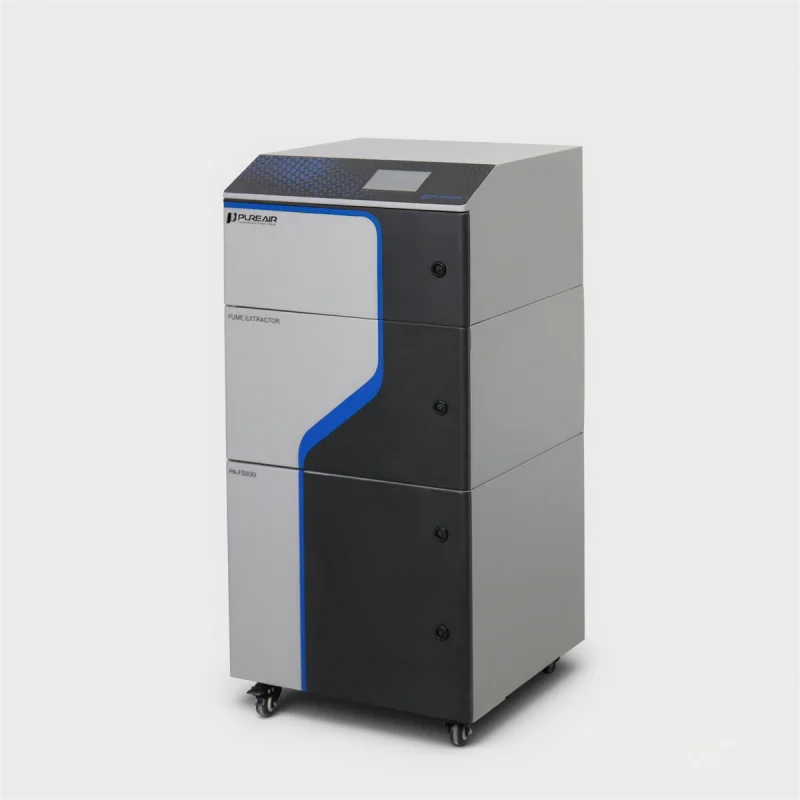
I write this as someone who has measured dozens of small workshops, tested filters, and argued with engineers late into the night. I want to be clear and honest. This piece steps through what goes wrong with common setups, then points to the tech and design choices that actually move the needle. You’ll get practical terms—HEPA filter, activated carbon, airflow—and a human take on why choices matter. Ready to dig in? Let’s move from that shop floor scene to the real flaws behind the solutions.
Deeper Look: Traditional Flaws and Hidden Pain Points in a printer fume extraction system
printer fume extraction system is the phrase you hear when someone glances at a problem and calls it solved. But I’ll say it plainly: many so-called systems hide flaws. First, intake design is often poor. A distant hood or low suction gives a false sense of safety. Second, filter choices are treated like checkboxes—one HEPA filter slapped in place and done. That ignores chemistry; activated carbon beds vary by media and capacity. Third, fans and ductwork are mismatched. Static pressure and airflow rate get ignored, so the unit underperforms. I’ve seen units rated for 800 CFM that move half that in real use because of kinks in the duct or undersized blower motors.
When I test these setups, I find two recurring human pains. One: operators hate noisy units and switch them off mid-job. Two: maintenance is seen as optional. Filters clog. Pressure drops. VOCs rebound. Look, it’s simpler than you think—proper gauges, accessible filter access, and clear maintenance routines cut hours of uncertainty each month. Also, we must admit budget pressure drives compromises. But skipping a good centrifugal fan or settling for low-grade carbon is a false economy. These are not abstract terms—airflow, static pressure, filter efficiency—they are the levers that change exposure for people at the bench.
How do these failures show up day to day?
Short answer: smell, eye irritation, and inconsistent sensor readings. Longer answer: missed production days and rising health complaints. That’s the real cost.
Moving Forward: New Technology Principles for cleaner print shops
We should look ahead with tools that actually solve the problem. I favor a layered approach: capture at source, properly sized fans, and matched filtration media (HEPA for particulates, targeted carbon for VOCs). Modern designs add smart monitoring—simple sensors that tell you when a filter needs changing or when flow has dropped. Here’s a concrete principle: design systems around measured static pressure and the real duct layout, not a vendor spec sheet. I also recommend integrating edge computing nodes for local data logging where you need it—small, cheap, and very practical for tracking trends over weeks. That data removes the guesswork. — funny how that works, right?
printer fume extraction system upgrades should also focus on human factors. Make controls intuitive so operators don’t disable units. Use quieter centrifugal fans and proper mounting to cut vibration. Include clear maintenance access so filters get changed on time. In trials I’ve run, shops that adopt these principles reduce VOC spikes and lower particulate counts within days. We can plan for retrofit kits or full replacements depending on budget and risk profile. The goal is steady, verifiable air quality—not a hopeful fan and a prayer.
What’s Next?
Evaluate systems by three practical measures: measured airflow at source, filter media tailored to the chemical mix, and meaningful operational telemetry. Those metrics tell you if a design works in the real world. (Seriously—don’t skip the measurements.)
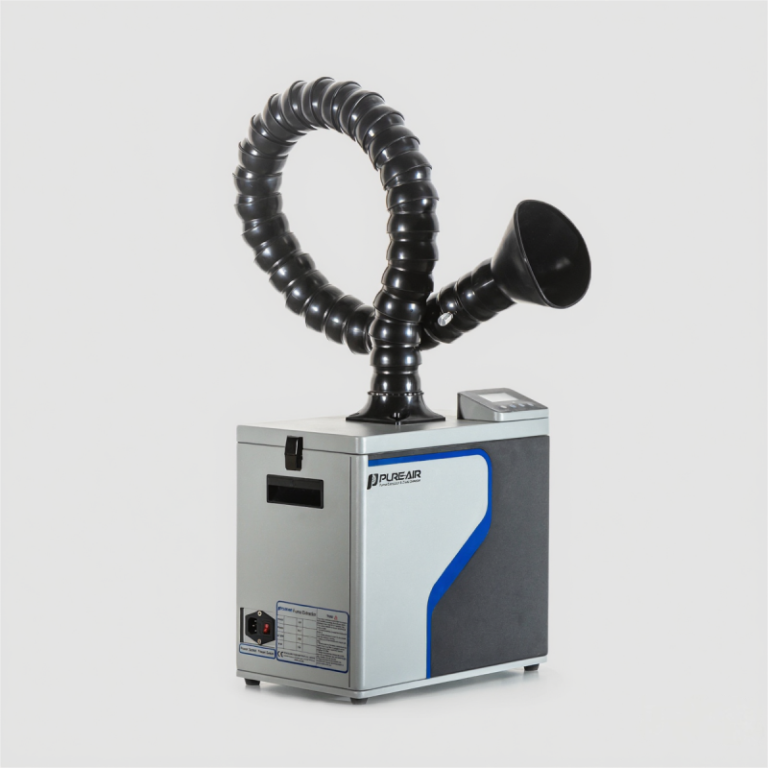
In closing, I’ll be candid: I want safer shops and fewer stories of people working through irritation. We can get there by facing the real failures in old designs and choosing solutions built around people and data. For those steps, I look to teams that pair smart filtration with sensible controls. If you’re exploring options, check suppliers who back up claims with field tests and clear maintenance plans. For reference and reliable product lines, here’s a brand I’ve seen perform well: PURE-AIR.