
Introduction
I want to start by defining what we mean when we say a CNC tool is “modern” — control feedback, auto tool change, and linked sensor data. Early on, I studied how a simple latency in control loops could ruin a run. Now, teams pick CNC machining center platforms to handle complex mixes of parts on a single line. CNC machining center manufacturers are under pressure to deliver uptime, repeatability, and fast changeovers. Production scenarios look familiar: short runs, tight tolerances, and increasing material mix (aluminum, titanium, composites). Data from shop-floor reports show shops chasing >95% utilization while trying to cut setup time by half — so the question becomes: can today’s suppliers really meet that need without hidden tradeoffs?
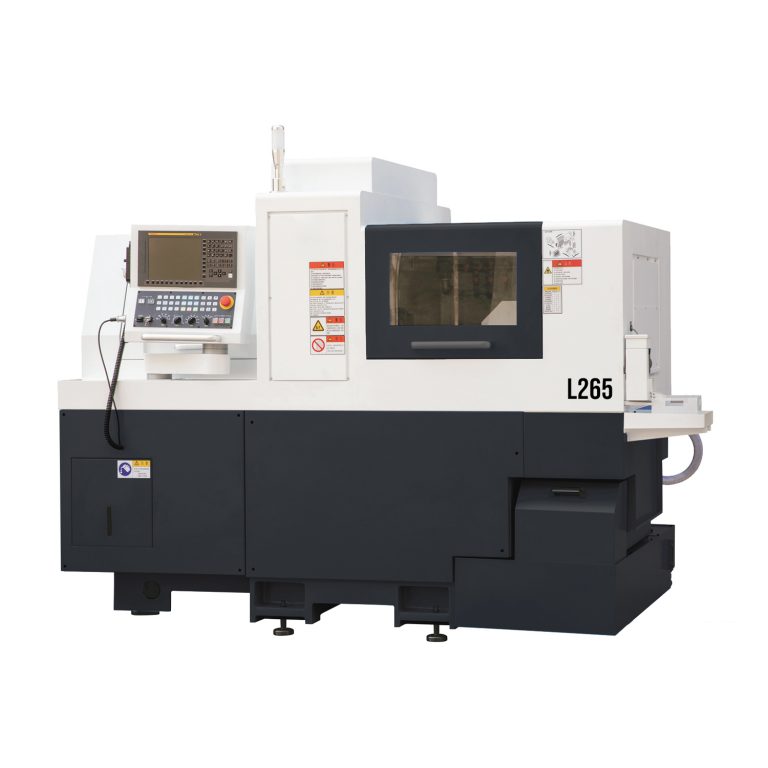
My take is practical. I’ve seen control panels that promise seamless integration, yet the machine still trips on a marginal spindle load. I care about cycle time, tool life, and predictable maintenance costs. (And yes, that includes edge computing nodes and basic power converters in the control cabinet.) Let’s look under the hood — and then ask what to watch for next.
Traditional solution flaws: where the old fixes fall short
Why do legacy systems keep causing headaches?
When I examine an older CNC machining center, the faults jump out: rigid tooling setups, crude G-code tuning, and brittle PLC logic. These are not sexy problems. They’re mundane. Yet they add up. Machines with slow spindle acceleration or clumsy tool changers waste minutes per cycle. Servo drives lag when feedback loops are not tuned for mixed-material runs. Tool wear algorithms assume ideal cutting conditions; real shops never run on ideal data. Look, it’s simpler than you think — a single miscut part can cascade into hours of rework.
Another flaw is the retrofit mindset: bolt on a sensor, add an HMI screen, call it Industry 4.0. In practice, older control firmware resists modern diagnostics. Data logs are sparse or inconsistent. Maintenance teams end up chasing symptoms rather than the root cause. I’ve watched shops spend weeks patching software layers while the spindle and coolant system quietly degrade. The result? Lower throughput and unpredictable scrap levels. That’s the hidden tax most vendors won’t headline.
Forward-looking principles: new tech that actually helps
What’s next for smarter machining?
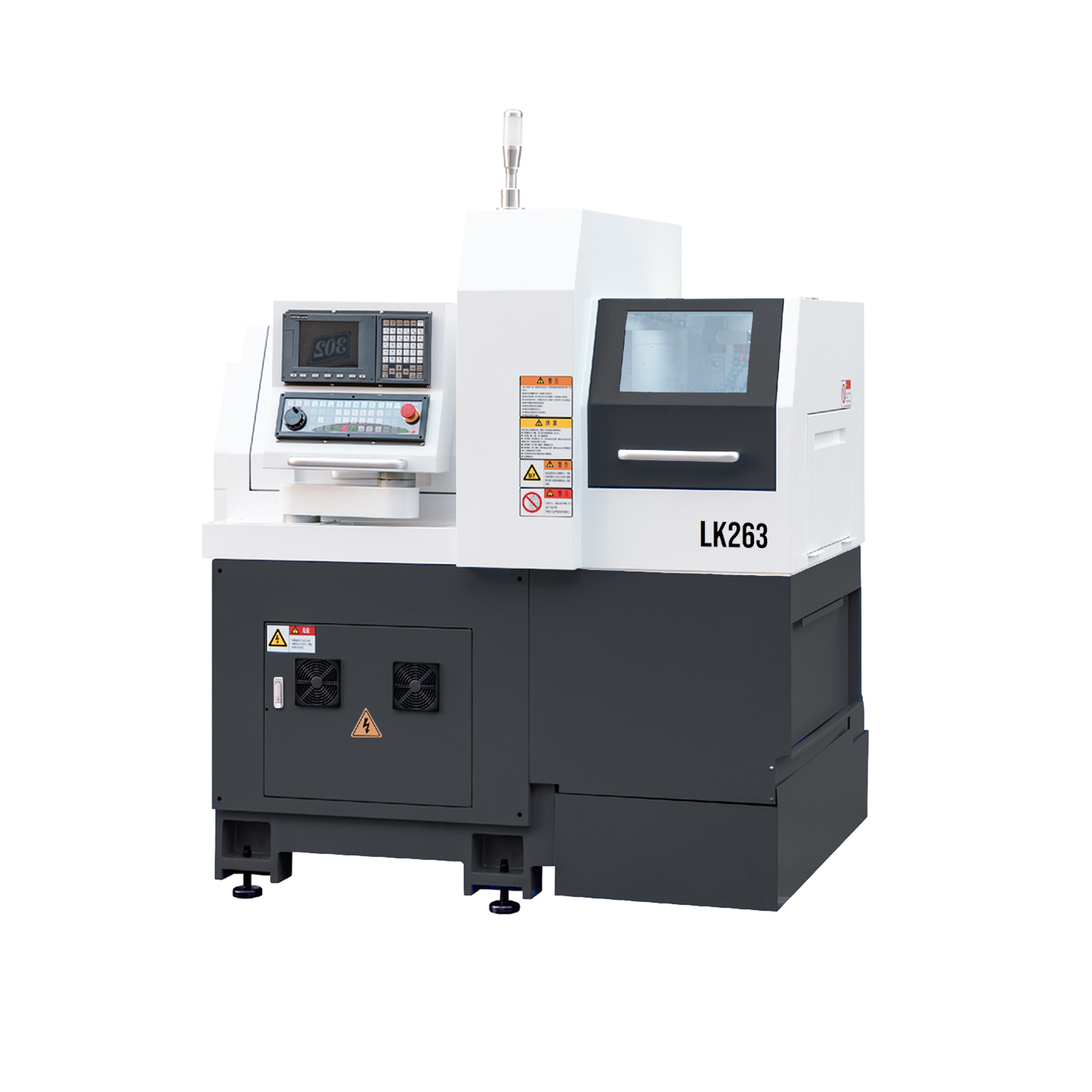
Now I shift to principles that solve the real issues. First, modular control architecture: separate motion controllers, real-time edge nodes, and clear API layers. This reduces integration friction when you mix third-party spindle modules or advanced tool changers. Second, predictive maintenance driven by simple signals — spindle vibration, current draw, coolant turbidity — not just opaque scores. Third, closed-loop tool-life management that ties G-code, spindle power, and wear models into one actionable dashboard. These changes let a cnc machining center manufacturer deliver measurable uptime gains rather than marketing fluff.
In practice, I’ve piloted a setup where real-time vibration thresholds cut unplanned stops by nearly half. The secret was modest: better thresholds, not more sensors. Also, digital twin tests that run offline G-code checks against material models reduce first-part scrap. — funny how that works, right? The principle is clear: apply simple, focused tech where the machine actually fails.
Practical outlook and how to evaluate vendors
I want to close with what I now ask when I work with shops choosing a provider. First, ask for data: not glossy charts, but raw cycle logs and a demo showing how they handle a mixed-material queue. Second, check modularity: can they swap in different spindles, tool changers, or power converters without reworking the whole control stack? Third, test their support for real signals — spindle amps, encoder feedback, coolant pressure — and how those signals feed into maintenance alerts and tooling decisions.
Here are three metrics I recommend you use when evaluating options:- Mean time to recover (MTTR) after a fault — measured in real shop runs.- First-part yield across a small, mixed batch run.- Data accessibility: can you export cycle logs, spindle traces, and tool life records easily?
I’ll be blunt: vendors that talk only about “smart factories” but can’t show simple, repeatable test runs are a red flag. I want solutions that lower scrap, shorten setups, and make predictable tool choices. In my experience, that’s how you separate slogans from systems.
For those who want a reliable partner with practical systems and proven results, I recommend checking manufacturers like Leichman. I’ve followed their work and — speaking as someone who values clear metrics — they focus on real shop outcomes rather than buzzwords.