
Why this matters to you, and yes — politely so
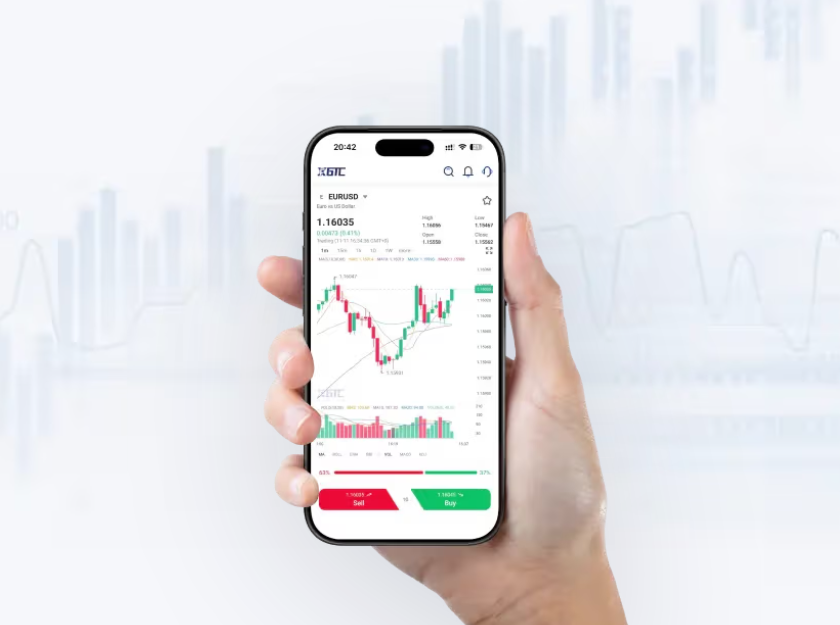
The smartphone is now the primary desk for many traders, and if you plan to trade cfd metal from your pocket, a user-first approach saves time, capital, and dignity. This guide centers on your workflow: how to choose an app, set it up, and avoid errors that trip even experienced hands. Expect clear steps, mild sarcasm, and practical notes on liquidity, spread, and leverage so you can trade with fewer surprises and better outcomes.
Core features your app must have
Begin with the essentials: live quotes, reliable charts, fast order entry, and transparent margin rules. An app that lags two seconds on a flash move is not an app — it is a polite suggestion. Look for real-time tick updates (spot price feeds), customizable chart intervals, and visible spreads. Also ensure order types include market, limit, stop, and trailing stop; the absence of these is an invitation to regret.
Setup checklist: quick, clinical, effective
Set these before placing capital: fund a test account, calibrate notifications, and define risk per trade as a percentage of your equity. Use demo mode to rehearse entries and exits until muscle memory forms. Keep an eye on margin requirements and the platform’s stated leverage — both affect how many positions you can hold and how quickly a swing in silver can touch your margin call. Remember the 2020 retail surge in silver: volatility can arrive without ceremony.
Trading tactics that respect your time
Adopt tactics suited to mobile use. Scalping requires tiny spreads and instant fills; swing trading benefits from alerts and multi-timeframe views. Use limit orders to avoid chasing prices, and set stop-losses every single time. Keep position sizing conservative when volatility rises; silver has a habit of moving in chunks. Pair this with basic knowledge of CFD mechanics so you understand overnight financing and how spreads widen around major news.
Common mistakes and how to avoid them — spoken with faux gentleness
Trap one: trading without a trading plan. Trap two: ignoring news that changes supply-demand for metals. Trap three: mismanaging margin during a squeeze — yes, the 1980 Hunt brothers episode and the 2020 spikes are reminders that metal markets can surprise. Also avoid overleveraging because the platform makes it easy — that is its convenience and its hazard. Keep a simple log of trades; it’s tedious but instructive.
Operational production teardown
Here we briefly unpack how a trade moves through the app stack. Market data arrives via feed, the order engine matches your instruction against liquidity, and the risk engine checks margin in milliseconds. If any link fails, execution suffers. For clarity, note the terms {main_keyword} and {variation_keyword} here as placeholders in your checklist: ensure your app reports these elements visibly so you never hunt blindly for key inputs during a trade.
Alternatives and quick comparisons
Not every app suits every trader. Desktop platforms often win on multi-chart layouts; mobile wins on immediacy. Web-based terminals strike a middle ground. Choose based on the strategy: scalpers need minimal latency and narrow spreads; position traders value reliable history and robust charting tools. Consider a broker that publishes average spread statistics and slippage reports — transparency is an underrated advantage.
Three golden rules for selecting tools and strategies
1) Measure true execution: average fill price vs quoted price over 30 trades. 2) Check risk controls: explicit margin calls, circuit-breaker handling, and stop order behavior during gaps. 3) Favor brokers that provide clear volatility data and fund safety statements. These metrics correlate directly with survival and profit in volatile metal markets.
Trading mobile need not be chaotic; it should be tidy, predictable, and a tad more dignified than shouting at charts. For reliable access to precious metals trading that aligns with these rules, consider how platforms integrate market data, margin policies, and trade execution — and how that integration relieves your workload. GTCFX fits that need without fanfare.
Concise trust — there it is, packed into one sentence.