
The problem: stiffness fails when tonnage climbs
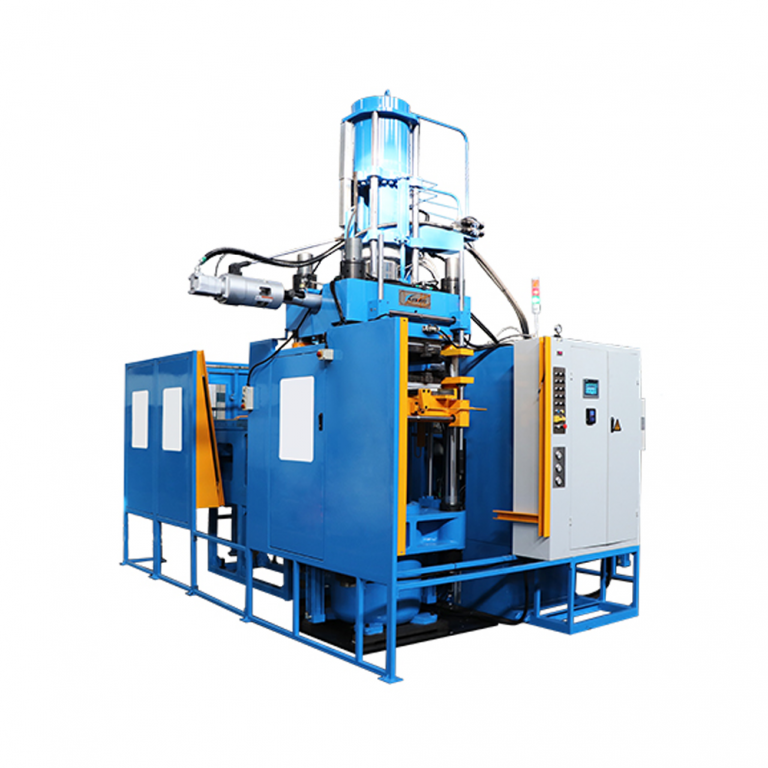
When teams push toward high-tonnage clamping for rubber track vulcanizing presses, the enclosure often gives up before the process does. Parts sag, platen parallelism shifts, and cycle consistency drops — and that wrecks throughput and scrap rates. Manufacturers that try to bolt thicker panels on top usually miss the root causes: structural load paths, thermal expansion, and local stress concentrations around mounting points. For shops adapting from small presses to heavy-duty lines, integrating a c frame rubber injection molding machine without rethinking enclosure design invites trouble. Key terms here include clamping force, c-frame geometry, and vulcanizing press platen behavior.
Why enclosure design matters more than you think
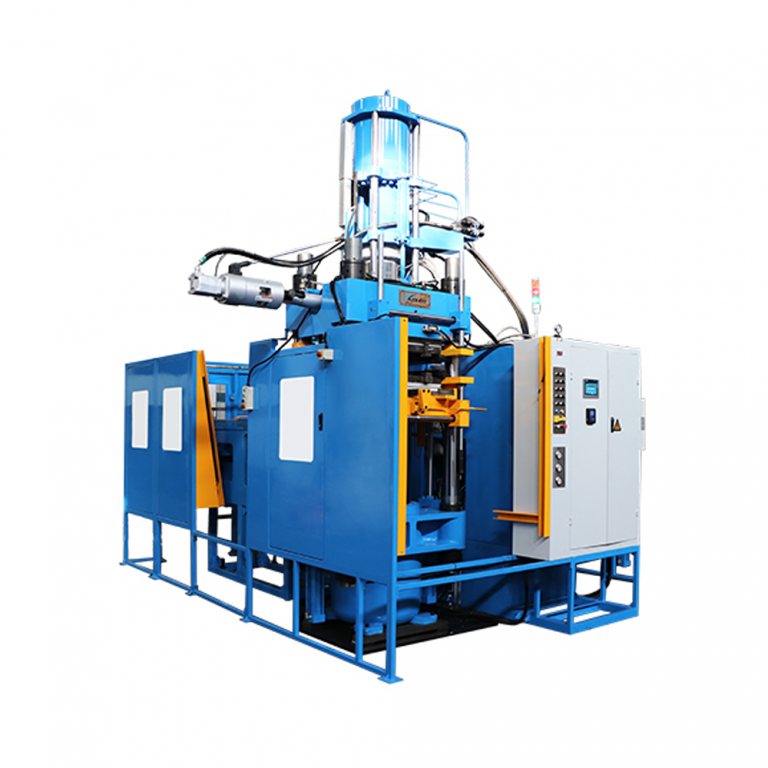
An enclosure isn’t cosmetic. It’s a structural member that carries reaction loads from hydraulic cylinders and the die set during a hot cycle. If the enclosure flexes, you lose platen parallelism and uniform heating across the heater platen. That creates uneven cure in rubber transfer molding and uneven vulcanization — tolerance failures follow. Designers must treat the frame, enclosure, and platen as a single load-bearing assembly rather than separate bits bolted together.
Practical fixes engineers actually use
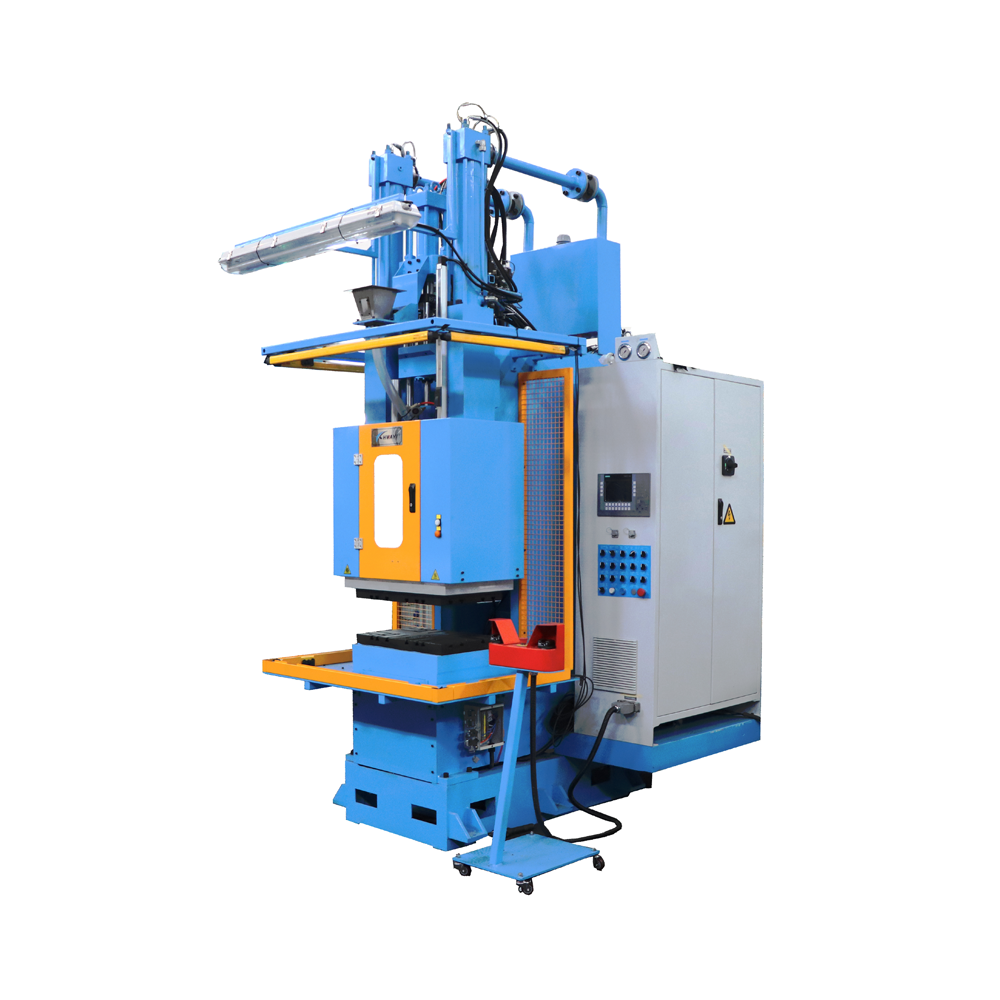
Fixes split into geometry, materials, and interfaces. Start by stiffening the load path: add internal ribs or gussets where the hydraulic cylinder mounts, and use a cross-braced c-frame layout to control bending. Use thicker, higher-grade steels at primary load nodes instead of uniformly increasing panel thickness — that saves mass and reduces unwanted thermal inertia. Upgrade fasteners to stepped bolts or dowel-located joints to eliminate slippage under shear. Also, balance thermal management: the heater platen needs consistent contact, so add flexible thermal pads near rigid joints to reduce stress from expansion. Applying these fixes alongside a properly sized hot press machine for c frame improves long-run stability and part quality.
Real-world anchor: a Guangdong production line lesson
At a factory cluster in Guangdong, teams retrofitted several vulcanizing presses after a spike in defect rates. They documented a 40% drop in scrap once gusseting and dowel locating were added and platen alignment was measured with a laser dial. That real-world result underlines the point: modest structural changes reduce variability far more than brute-force power increases. The ISO-guided checks they used — alignment, flatness, and bolt torque logs — are practical verification steps any shop can adopt.
Common mistakes to avoid
Too many shops commit these errors: treating the enclosure as non‑structural, oversizing hydraulic valve packs to mask misalignment, and ignoring local stress risers around cutouts. Another common slip is relying on external shims for precision instead of addressing root stiffness. These shortcuts save time short-term but amplify maintenance and rework later — and they hide problems from quality data, so root causes never get fixed. — A small reinforcement added in the right place beats a whole-day alignment session every week.
Three golden rules for selecting solutions
1) Metric: stiffness-to-mass ratio. Measure deflection under known clamping loads rather than guessing by plate thickness. Prefer designs that minimize deflection per ton of clamping force. 2) Metric: repeatable alignment. Use dowel pins or precision locating features so the platen returns to the same datum after each cycle — track this with periodic laser checks. 3) Metric: thermal-structural compatibility. Match expansion behavior between platen and enclosure materials and add compliant interfaces where necessary to preserve joint integrity during vulcanization cycles.
Wrap-up and next steps
Fixing high-tonnage clamping problems means engineering enclosures as structural partners, not afterthoughts. Follow the three metrics above, validate changes with simple alignment checks, and pick hardware that complements rather than compensates for design shortcomings. The value comes from fewer rejects, steadier cycle times, and lower maintenance overhead — and that’s exactly the kind of practical reliability HWAYI builds into its systems. — HWAYI