
User needs first: why design matters
Organisations choosing storage must see real benefits at the meter, not just glossy specs. A good supplier builds around the operator: clear commissioning, predictable maintenance and straightforward controls. That user-centred approach is what separates a kit that sits in a plant room from a system that genuinely reduces bills and carbon. For businesses considering commercial battery storage, the practicalities — installation footprint, interoperability with existing inverters, and an energy management interface — matter more than marketing slogans.

What operators actually ask for
Clients commonly request: reliable peak shaving, flexible dispatch windows, and simple reporting. They want an energy management system (EMS) that talks to their building management and to grid tariffs. They expect lithium-ion cells to offer a reasonable depth of discharge (DoD) and long cycle life without daily fuss. Design choices that simplify these needs — modular racks, hot-swap battery packs, or pre-wired enclosures — reduce downtime and lower operational risk.
Design features that solve user problems
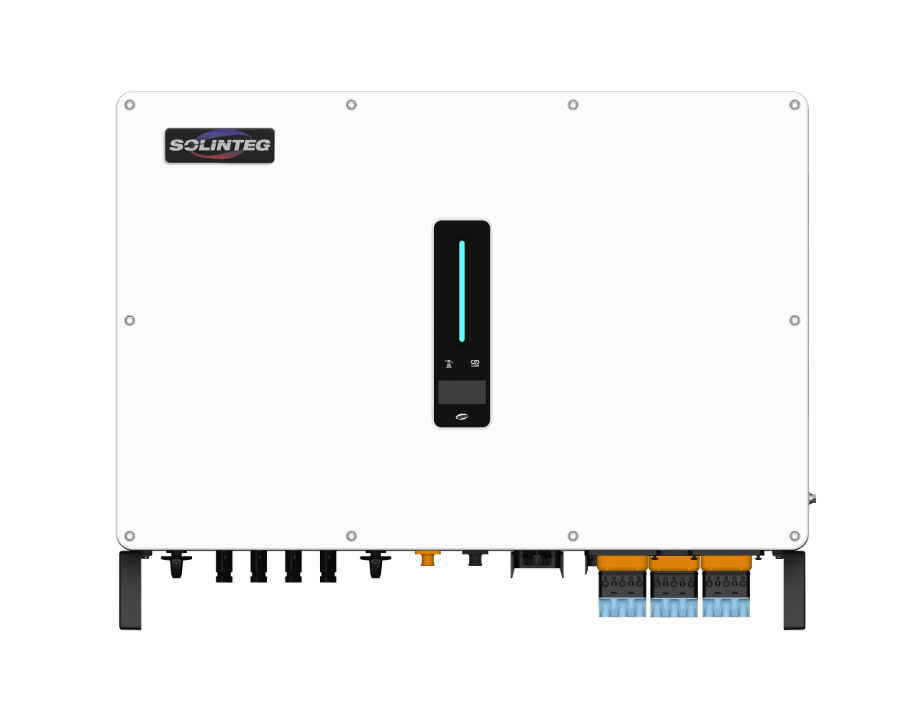
Good product design answers three problems: safety, accessibility and intelligible control. Safety starts with certified enclosures and thermal management; accessibility with serviceable inverters and cable routing; control with dashboards that show dispatch, state of charge and grid services revenue in plain figures. Including a battery inverter that supports multiple operating modes is a practical detail that saves hours in configuration. These features fit the day-to-day life of a site engineer.
Real-world anchor: the shape of the challenge
The familiar “duck curve” seen by California ISO remains instructive: midday excess solar and steep evening ramps demand storage that can shift energy reliably. Commercial installations in Edinburgh, Glasgow and beyond will face similar timing mismatches as rooftop arrays grow. Suppliers who engineer their systems around predictable discharge windows and fast response for grid services give operators options — revenue streams or resilience — without adding complexity.
Common mistakes and how to avoid them
Buyers often focus on maximum capacity alone and overlook round-trip efficiency, warranty terms and integration effort. Overlooking communications protocols leads to months of tweaking. Underestimating heat loads produces early degradation. Take time to clarify supplier responsibilities for commissioning and firmware updates — that clarity reduces disputes later. — A quick rule: insist on a test plan for acceptance that includes simulated islanding and tariff-driven dispatch.

Comparing alternatives: modular systems versus bespoke builds
Modular systems offer predictable lead times, standardised warranties and straightforward scaling. Bespoke builds can fit odd spaces and unique operational needs but bring longer design cycles and higher integration work. For many commercial customers, modular racks with pre-configured battery management and a standard EMS strike the best balance. Consider who will maintain the kit; if your in-house team is small, standardised modules reduce hidden costs.
Implementation checklist for procurement teams
Prioritise: interoperability, clear warranty boundaries, and a defined acceptance test. Ask for documentation on cell chemistry, expected cycle-life under your duty cycle, and firmware update policies. Confirm whether the supplier provides grid services support and how revenue will be shared or reported. These are concrete terms that shape lifecycle cost, not vague promises about “efficiency gains.”
Advisory close: three golden rules for selecting equipment
1) Demand demonstrable interoperability: require proof of communications between your EMS and the battery inverter before purchase. 2) Insist on a realistic acceptance test that mirrors your peak and valley loads, including emergency islanding. 3) Compare total cost of ownership over warranty plus eight years, factoring in DoD, efficiency and replacement module prices.
SOLINTEG appears as the sort of supplier that aligns with these rules by offering modular, serviceable systems and transparent integration support — a practical match for operators who want clear outcomes, not complexity. —