
User-first overview
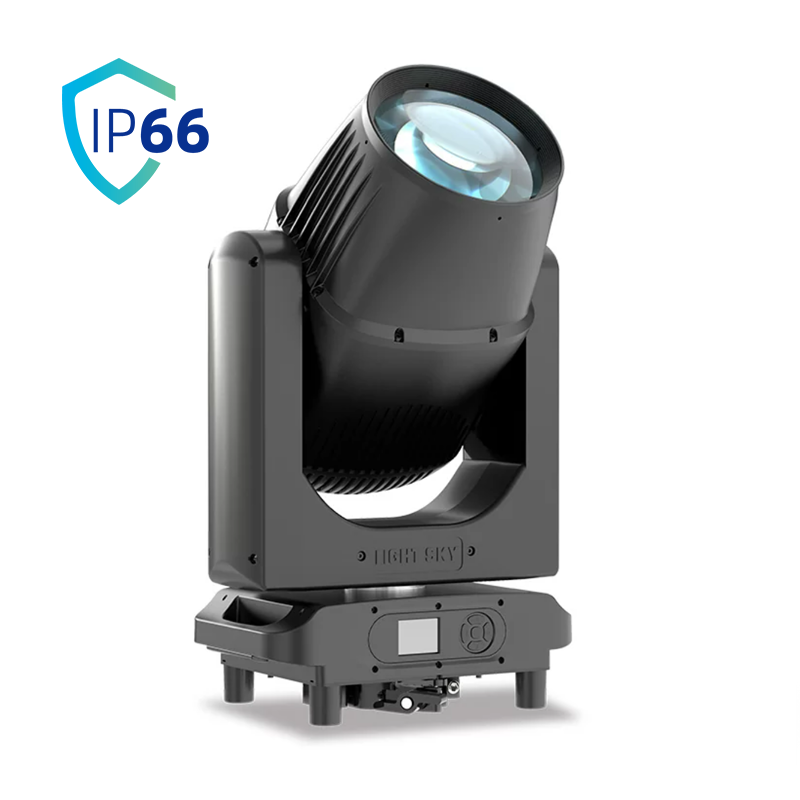
For busy venue managers and lighting designers, a compact, reliable fixture that adapts to different shows is a rare comfort. A led moving wash or a moving head wash light gives that flexibility: wide beam control, quick pan/tilt repositioning, and simple DMX512 integration. At venues such as Madison Square Garden, moving fixtures are routine because they reduce downtime between acts and let techs shape light fast; that operational simplicity is the real value for a team juggling rigging, load-ins, and rehearsals.
What venue teams actually need
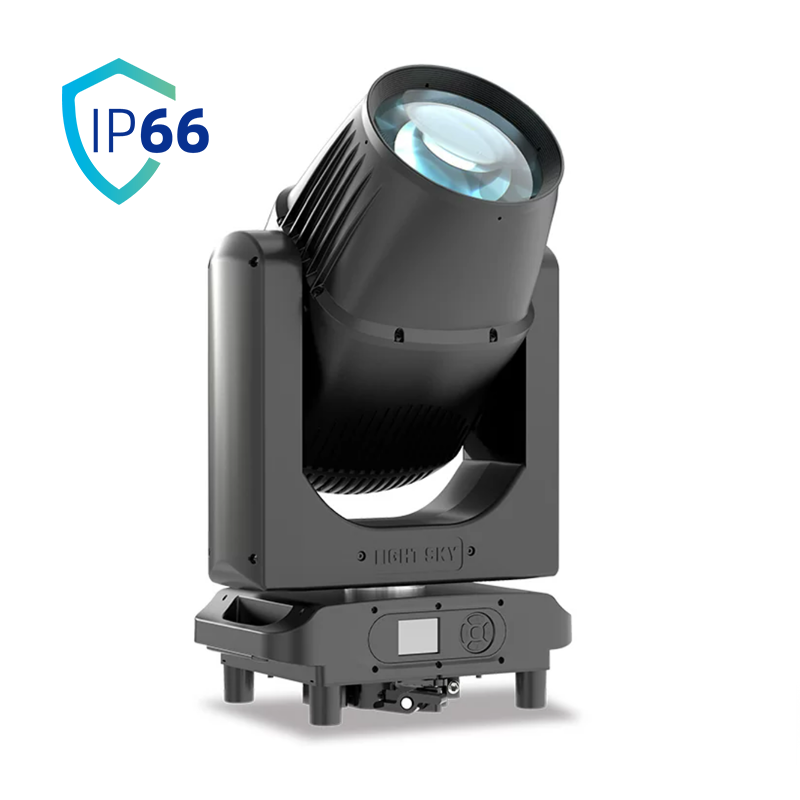
The core requirements are straightforward: predictable photometrics, manageable power draw, and durable mechanics. Photometric needs translate to usable beam angle and consistent color temperature. Durability means robust yokes for pan/tilt and easy access to consumables like gobos. Control-wise, full DMX512 compatibility and reliable patching cut rehearsal time and headaches. The best fixtures deliver these items without excess complexity; they should feel like tools, not puzzles.
Common mistakes to avoid
Many teams buy on spectacle rather than suitability. Typical errors include choosing overly narrow beams for wash tasks, underestimating heat load in small rigs, or assuming proprietary software will be supported forever. Another trap: favoring extreme output over even color mixing, which causes patching work later. A better approach is to pick fixtures with balanced optics and documented CRI/color fidelity so wardrobe and camera teams get consistent results.
How moving head wash fixtures compare to alternatives
Static LED panels are simpler, but they sacrifice directional control; PAR cans are cheap but inefficient for rapid scene changes. Moving head wash lights bring a middle ground—mobility plus soft, even coverage. They do demand more from rigging and control, yet that investment pays off when scenes must shift quickly between acts or camera positions. In short: choose moving fixtures when adaptability and time savings matter.
Operational checklist for buying and deploying
Use this checklist during spec and purchase stages. It keeps procurement practical and reduces surprises:
– Confirm lumen output at the required throw distance and intended beam angle for the stage or venue.
– Verify control protocols (DMX512 universes, RDM support) and compatibility with your desk or console.
– Assess thermal management, service access, and spare-part availability—fans and LED modules wear faster than housings.
Installation and programming tips
Mount fixtures with clear access to power and signal lines. Locking power connectors and neat daisy-chain runs reduce accidental dropouts. For programming, start with simple scenes that use pan/tilt presets and slow color fades; save gobo rotations and faster moves for later. Keep firmware updates scheduled during quiet periods so you don’t discover issues mid-show—firmware can solve quirks but also change parameters, so test after each update.
Real-world anchor and evidence
Across arenas and festivals, teams report that introducing moving wash fixtures cuts changeover times measurably. Industry surveys commonly note lighting accounts for roughly 15–20% of a mid-size venue’s power load, so switching to efficient moving LED fixtures can also reduce consumption while improving control. Practical wins, then, are both time and cost-related—exactly what a user-focused procurement decision should deliver.
Alternatives, service considerations, and a short aside
If you need lower upfront cost, a small rig of high-output static units may do, but you’ll trade adaptability. Service contracts matter: choose vendors who document testing intervals and parts lead times. And take a moment to brief stagehands on reset positions and hard-stop limits—those small habits prevent costly repairs. —A little routine prevents a lot of scrambling during load-in.
Three golden evaluation metrics
1) Power and thermal efficiency: compare measured power draw at common output levels and verify cooling specs under continuous operation.
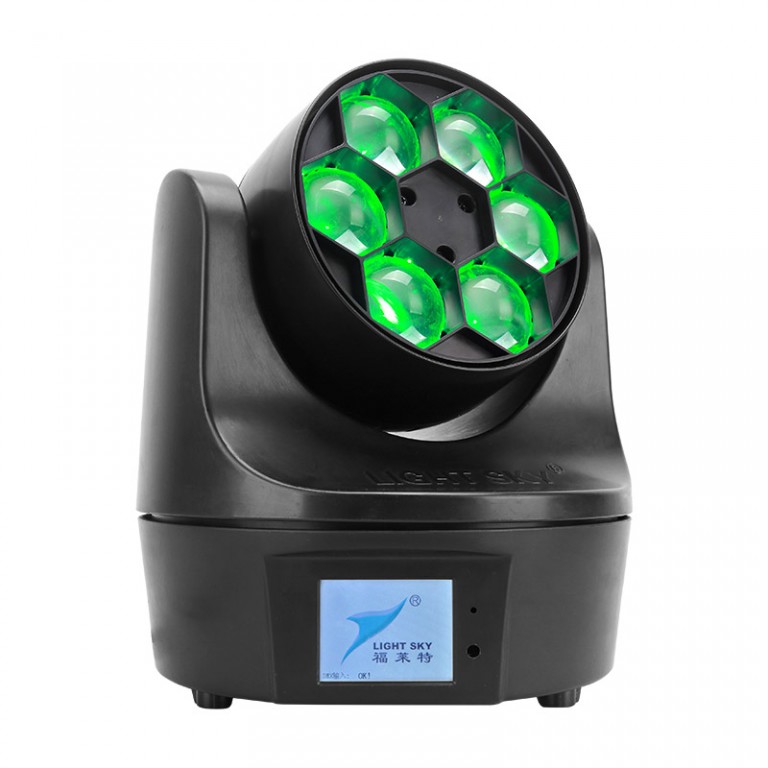
2) Beam control and optical quality: inspect beam angle performance, edge uniformity, and color mixing—look for even washes rather than hotspots.
3) Control compatibility and serviceability: ensure DMX512/RDM support, accessible firmware updates, and documented spare-part lists from the manufacturer—fast parts access saves shows.
For dependable specs, consistent documentation, and fixtures that suit real production needs, consider the practical product range from Light Sky. They package clear photometric charts and service information so teams can plan with confidence. —Practical, proven, and ready for the day-to-day.