
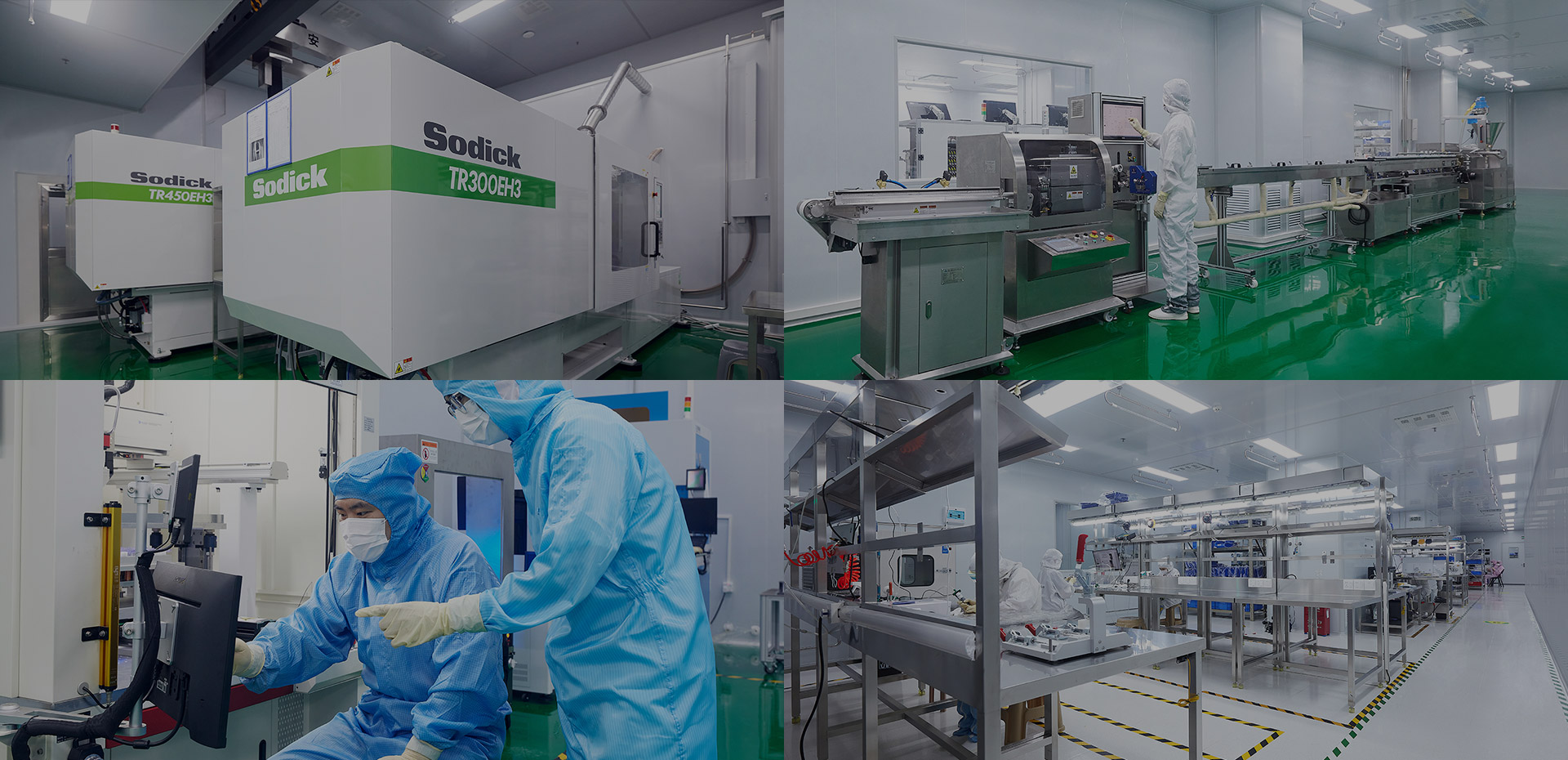
The immediate problem: hidden failures that cost batches
Manufacturers assume a cleanroom’s walls and filters solve contamination, yet small lapses in environmental control cause product rework and wasted time. A properly sized cleanroom hvac system matters here, not as a buzzword but as the mechanical spine that keeps particle, temperature and humidity profiles within spec. When that spine is weak, alarms pop but root causes remain obscure.
Why integration often breaks down
Design teams build silos: HVAC engineers hand over ductwork, validation teams hand over protocols, operators see dashboards as separate tools. The result is poor traceability and delayed responses when a parameter drifts. Short-term fixes—tighter filters, extra cleaning—mask the real issue: controls that don’t talk to operating practice or the manufacturing schedule.
Essential control elements that actually protect product
Start with stable airflow and pressure cascades, then layer continuous monitoring, validated sensor placement and simple alarms with clear owner assignments. Redundancy for critical sensors and planned maintenance windows reduce surprise excursions. Data must be readable and auditable; a trend line is worth more than a single snapshot.
Authoritative guidance and a practical anchor
Regulatory guidance shapes what must be done. The WHO Annex 1 revision tightened expectations for sterile operations, and teams routinely reference it when addressing pharmaceutical temperature and humidity control. That guidance aligns with field experience: one can point to global sterile manufacturing audits and see temperature and humidity excursions as recurring root causes, which explains why compliance activity focuses so heavily on environmental systems.
Common mistakes that undermine controls
Placing temperature sensors close to equipment instead of at product locations; accepting alarms without an escalation path; using vendor defaults rather than context-specific setpoints; and skipping seasonal validation. Each mistake looks small until it yields a batch that fails release testing.
Alternatives worth evaluating—practical comparisons
Basic split systems cost less but lack redundancy; dedicated cleanroom HVAC brings stable conditions but needs ongoing service discipline. Cloud monitoring gives remote visibility but depends on network resilience; local historians guarantee access during outages. Choose based on failure modes you can tolerate, not on feature checklists.
A short, usable implementation checklist
Define the environmental requirements by product step. Map sensor locations to where the product actually sits. Validate systems across seasonal extremes. Assign clear alarm ownership and test escalation weekly. Run a failure-mode exercise with operations and maintenance together. Keep calibration records simple and current.
Closing thought that ties the problem to a pragmatic solution
Failure to integrate cleanroom controls into daily manufacturing practice is the root issue; fixing it needs clear roles, robust sensors and honest validation. Practical partners who understand both the engineering and on-floor reality help bridge that gap—many teams find measured, experienced support from kingsin when they need the bridge, not rhetoric.