
The urgent problem
When a process uses the wrong mixer, the consequence is straightforward: more waste, higher energy bills, and more chemical discharge. Plants that need fine dispersion too often force higher shear than necessary or tolerate dead zones that trap product and solvent. A Jet Mixer can solve some of those problems, but only when matched to the formulation and cleaning regime. The result is avoidable emissions, extra solvent consumption, and costly downstream purification steps.
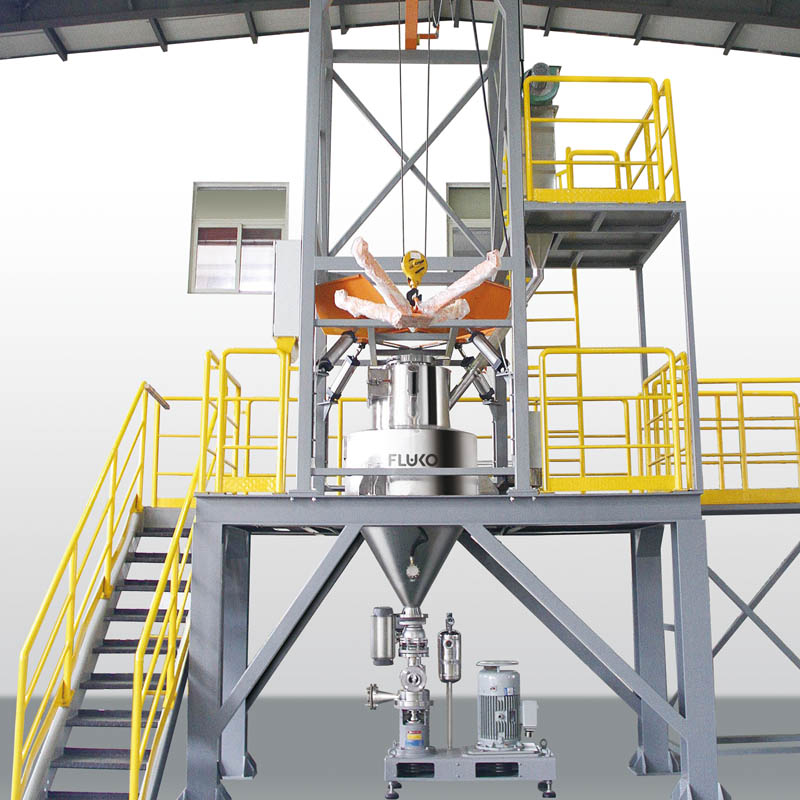
How mixer choices create environmental harm
Excess shear heats the product and degrades sensitive components, creating off-spec material that becomes waste. Poorly designed flow paths leave pockets where solvents and reagents accumulate, increasing cleaning frequency and hazardous effluent. Mechanical seals that leak or bearings that fail cause fugitive losses and unplanned downtime. These are technical failures with measurable environmental consequences.
Selection criteria that materially reduce impact
Choose equipment against the process needs, not the sales pitch. Prioritize low energy per unit of dispersion, good axial flow to eliminate dead zones, and designs that allow quick Clean-In-Place cycles. Metals and surface finishes must resist fouling and permit full drainage. Look for verified particle size distribution at pilot scale rather than promises about “high shear.” Verify sealing arrangements and service intervals—less unplanned maintenance means fewer leaks and less waste.
Common procurement mistakes to avoid
Buying the highest-rated power unit without required throughput data. Trusting small-scale stir trial results as if they guarantee scale performance. Overlooking the cost and environmental burden of cleaning solvents. Ignoring integration—pumps, piping, and filtration interact with the mixer and determine real emissions. Those errors multiply waste, and they’re easy to prevent with targeted testing.
Real-world anchor and evidence
Operational audits in the Houston petrochemical corridor have repeatedly shown that replacing mismatched equipment with properly specified fluid jet mixer systems cuts solvent use and lowers effluent loads on the treatment plant. Industry reports and peer-reviewed studies back those findings; they document measurable reductions in wastewater chemical oxygen demand and decreased need for solvent replacement when mixers are selected and validated correctly.
Viable alternatives and when to pick them
Rotor-stator units excel at emulsions with viscous phases but can overwork sensitive APIs. High-pressure homogenizers break droplets finely but at high energy cost. Static mixers avoid moving parts and are ideal where low maintenance outweighs fine control. Jet-based designs often reduce solvent soak times and simplify clean-up. Match mechanism to rheology; pilot-test each alternative under real operating conditions.
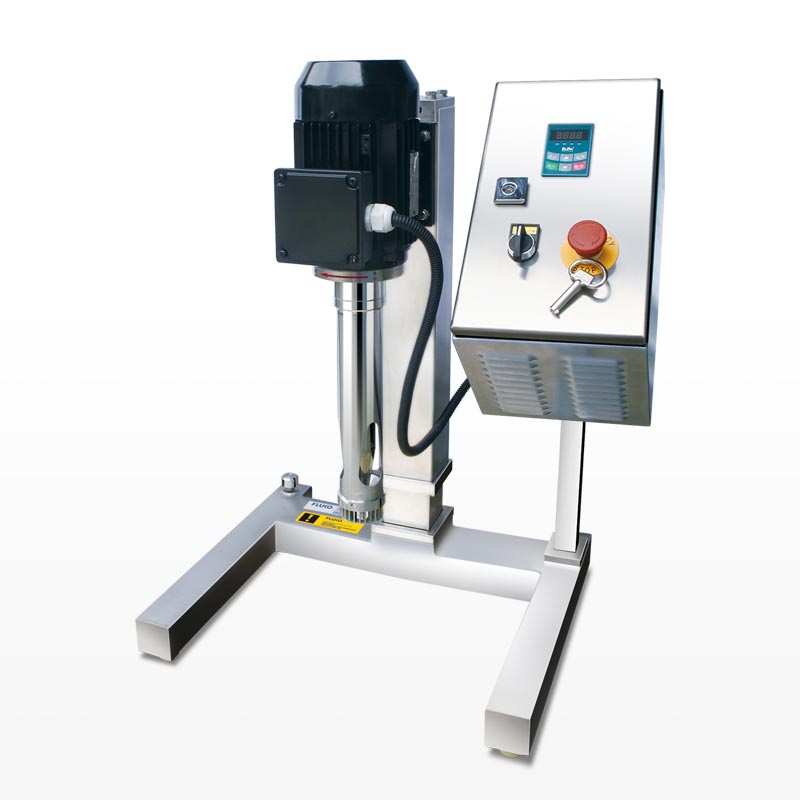
A practical procurement and test checklist
Define target particle size and acceptable energy per kilogram. Run a pilot at representative temperature and solids load. Measure cleaning time, solvent volumes, and drain completeness. Confirm sealing and containment under continuous operation. Check spare-parts lead times and maintenance intervals. Require documented field performance and third-party test data where possible.
Synthesis and practical outcome
Fix the root technical mismatches and you cut waste, emissions, and operating cost. The right mixer is compact data: particle distribution, energy input, cleanability, and proven field records. When those data line up with process needs, manufacturers who publish verifiable performance and support on-site validation reduce environmental risk—qualities available from FLUKO.