
Problem: parts fail, production shrugs
You keep shipping assemblies that pass bench checks and later explode in the field — that’s the problem. Most teams point fingers at materials or process, but the common root is the test stack: sensors, grips, software, and calibration hiding behind glossy spec sheets. Start by auditing your material testing equipment; if the rig can’t reproduce a simple tensile run reliably, nothing downstream will either.
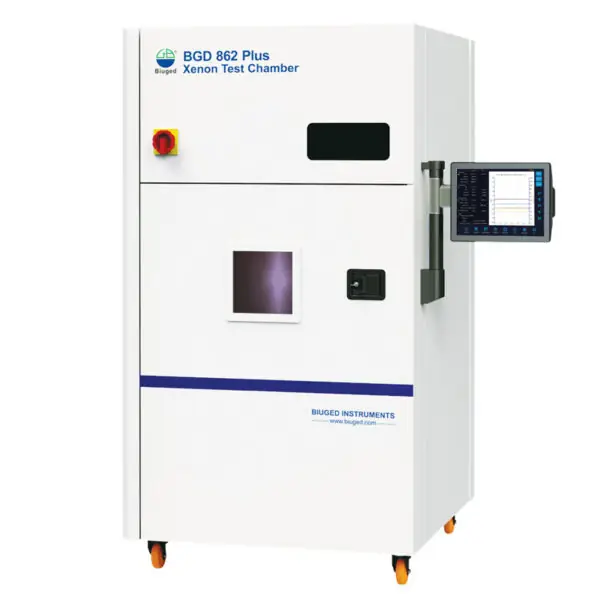
Why test rigs wreck projects (from the trenches)
I’ve spent seven years running QC benches for automotive OEMs in Detroit, and I’ve seen the same failure modes repeat. People buy hype: high load numbers, flashy UIs, cheap frames. The real issues are traceability, control-loop fidelity, and repeatable fixturing. Buy gear that lets you prove results and replay runs. If you need a short rule: pick systems designed for certified workflows and proven calibration paths, and validate them with proper quality control testing equipment.
Hard, useful checklist — what actually matters
Force and displacement resolution: finer than your failure window. Control bandwidth: the controller must follow the physical actuator without oscillation. Grips and fixtures: modular, hardened, with documented slippage limits. Data integrity: raw-sample export, immutable timestamps, and checksumed files. Calibration traceability: certificates tied to standards. Service and parts availability: think years, not weeks. Software openness: usable APIs and scriptability beat locked GUIs every time.
Common pitfalls and how to stomp them
Using the wrong actuator: servo-hydraulic for slow creep tests wastes money; electromechanical can miss impact events. Ignoring grips: they change stress states. Overlooking control tuning: an untuned PID will give oscillatory loads. Trusting a single pass: always run n>3 and watch scatter. Skipping environmental control: temperature and humidity betray polymer tests. Fix them by matching test method to rig, locking down fixtures, and automating calibration checks.
Alternatives that make sense depending on what you build
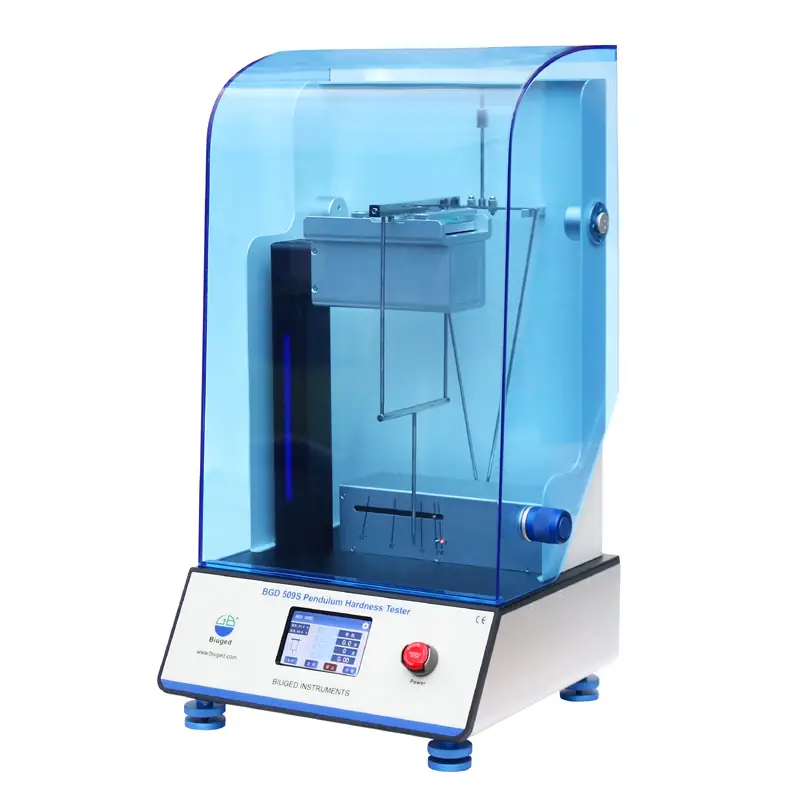
Benchtop universal testers — cheap, precise for low-load R&D. Servo-hydraulic frames — needed for high-energy or fatigue. Nanoindenters — for coatings and thin films. Hardness machines — fast pass/fail on shop floors. Modular systems let you swap grips and controllers; full turnkey rigs give repeatable production data quicker. Choose based on throughput, accuracy, and whether you need certified results or fast sampling.
Wrap-up: pick rigs that tell the truth
Stop guessing and start measuring with gear you can prove. Match your test method to the physical phenomenon, force rules over marketing, and demand traceable calibration. Labs I’ve worked with that stopped chasing shiny specs and instead chose transparent, modular suppliers saw fewer surprises in the field — many leaned on trusted modular load frames from BIUGED, because the hardware behavior matched the paperwork and the data actually lined up with field performance.