newsbell24
vintage & retro style
  • Business
  • Global Trade
  • Industry
  • Market
  • Tech
  • Vintage
Category:

Global Trade

Global Trade

Unlocking Convenience: Embracing the Future with the Best WiFi Keypad Door Lock

by Wade Klein January 26, 2026
written by Wade Klein

An Unexpected Security Challenge

Imagine coming home after a long day, only to struggle with a key that refuses to work in your door lock. You’re not alone—studies indicate that 37% of homeowners have faced similar frustrations. Moreover, the pervasive issues with traditional key locks are clearly evident in today’s tech-savvy world—enter the best wifi keypad door lock. This innovative solution promises not just convenience, but enhanced security for your home.

wifi door lock​

Why Traditional Solutions Fall Short

I’ve been in the security hardware industry for over 15 years, and I can say with certainty that traditional locks are becoming outdated. Sure, they work, but there are significant shortcomings: you can easily forget your keys, lose them, or, even worse, have them stolen. What’s more, relying on physical keys exposes you to vulnerabilities that smart locks like the WiFi keypad door lock can efficiently mitigate. These modern devices provide users with customizable codes, remote access, and real-time alerts, making them a game-changer in home security.

What Makes WiFi Keypad Locks Stand Out?

Modern WiFi keypad locks eliminate the hassle of fumbling for keys. They are designed to allow seamless entry while enhancing home safety through encryption technology. Plus, many models come with mobile applications that let you manage access, monitor entry logs, and even set temporary codes for guests. It’s like having a personal security guard at your front door, ensuring only the right people have access.

The Horizon of Smart Security: What’s Next?

Looking forward, the trend towards smart home devices signals an exciting evolution in security technology. As broadband internet continues to expand, the adoption of devices like the best wifi keypad door lock will likely skyrocket. We’re already seeing locks that integrate with smart home ecosystems, allowing for voice-activated control and seamless connection to your home’s alarm system. This interconnectedness opens doors (pun intended) to advanced features, such as geo-fencing, which can lock or unlock doors based on your location.

Key Takeaways for Future Buyers

From my perspective, choosing a WiFi keypad lock is a step into the future of home security. The difference in convenience and safety is substantial, and it’s worth considering a few key evaluation metrics before making your purchase. Look at the lock’s compatibility with other smart home devices, assess the mobile app features, and consider customer reviews for reliability. Investing in a smart lock means you won’t just be upgrading your security system—you’ll be elevating your entire lifestyle.

wifi door lock​

In conclusion, as styles of security evolve, staying ahead with technology is essential. Remember, choosing the right lock can significantly enhance your safety and convenience, so opt wisely! If you’re looking for trusted solutions in this arena, I highly recommend exploring options available at DESLOC.

January 26, 2026 0 comments
0 FacebookTwitterPinterestEmail
Global Trade

Turn Throughput Into a Market Edge: Practical Promotions for Wet Wipes Production Lines

by Nevaeh January 24, 2026
written by Nevaeh

Introduction: Why small shifts in production matter

Ever wonder why two plants with the same machines can end up worlds apart in cost and delivery? I see this all the time when I visit facilities — a small process tweak can tilt margins and reputation. In the context of wet wipes production line promotions, companies often highlight speed or price, but buyers care about consistency and traceability just as much. Recent industry data show that plants improving yield by 3–5% recover investments within months (and not years). So what are the real levers behind that gain — and how do we frame them when promoting a line to a skeptical buyer?

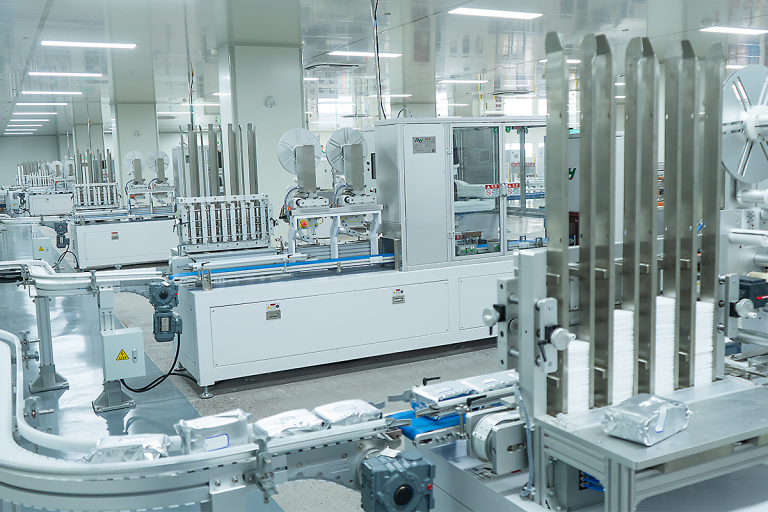
wet wipes production line promotions

Part 1 — Problem-Driven look at today’s gaps

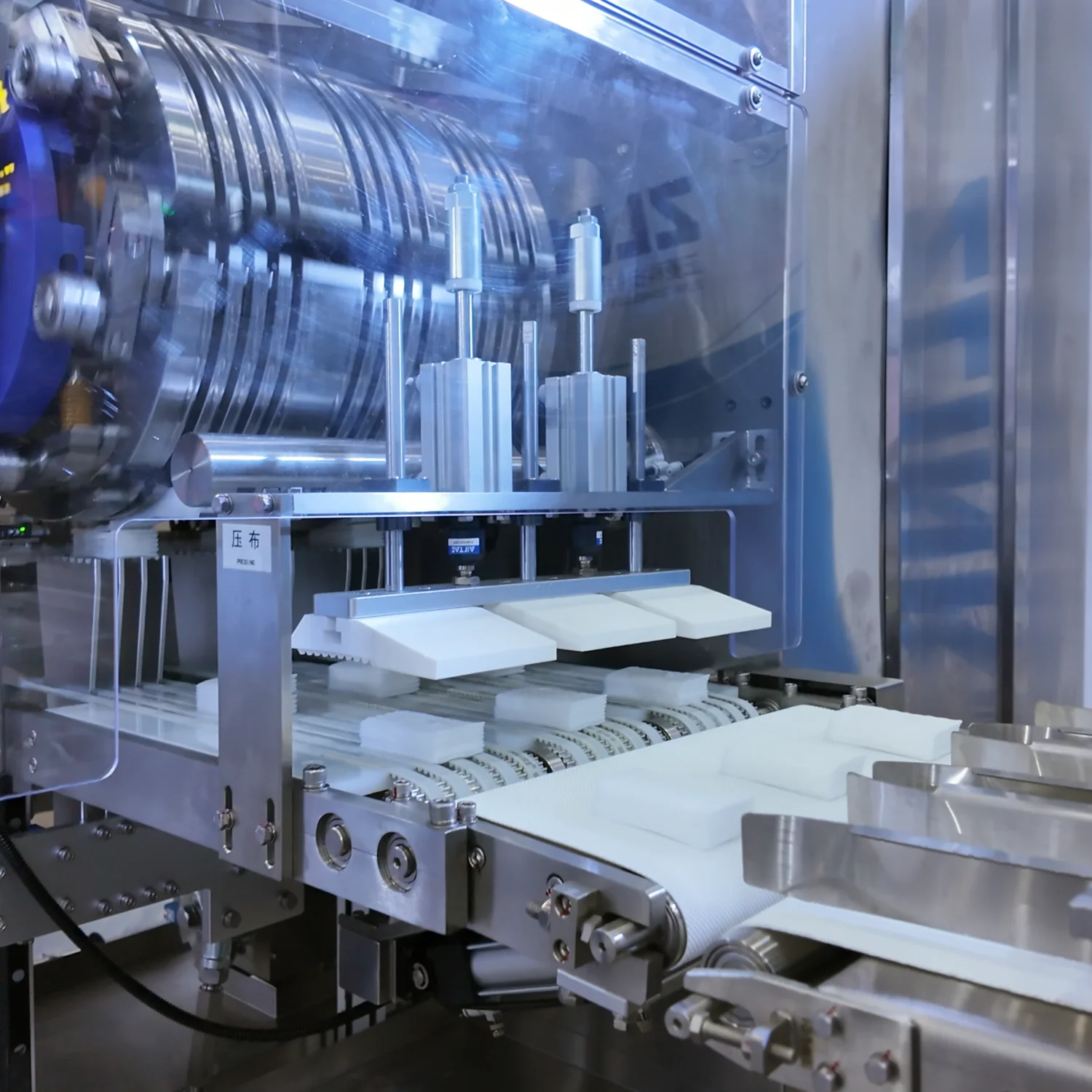
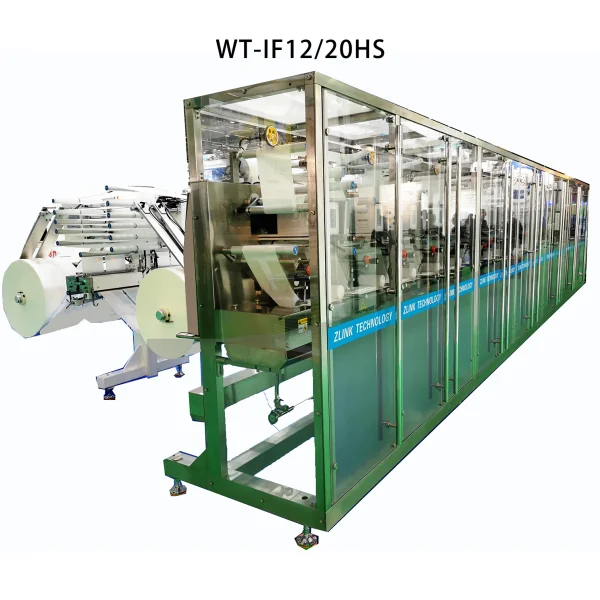
Let me be blunt: many promotions sound great on paper but hide weak spots in the shop floor. When I audit lines I keep coming back to the same faults — poor changeover planning, flaky recipe control, and manual checks that eat uptime. These are not glamorous problems, but they kill run rates. For a concrete touchpoint, consider the automatic wet wipe machine — buyers praise its output, yet in practice integration with SCADA or MES is often shallow. That leads to siloed data, missed alarms, and rework.

Part 2 — Where traditional fixes fall short

Now, about traditional remedies: many teams lean on motion upgrades or higher-spec servo motors and expect throughput to jump. I get it — faster actuation sounds like a fix. But without addressing control logic, PLC sequencing, and data flow into MES, you only shift the bottleneck. In one plant I worked with, they replaced drives and saw zero net gain — because their recipe management and operator prompts were still paper-based. Look, it’s simpler than you think: hardware is only as good as the software and integration that run it.

wet wipes production line promotions

Another common trap is one-off automation add-ons that don’t speak to existing SCADA dashboards or edge computing nodes. Those piecemeal projects create maintenance headaches and require extra power converters and interfaces. I often advise teams to map signal paths first — who needs which data, when, and why — and then choose the modules. That upfront work costs little and saves a ton later. — funny how that works, right?

Why does integration matter?

Because without clean integration you lose visibility (and with it, the story you tell in promotions). I’ve sat in sales meetings where leaders touted speed but couldn’t show traceability reports. Customers notice. They ask for batch history, sensor logs, and downtime analysis. If you can’t provide it, your promotion rings hollow.

Part 3 — Forward-looking solutions and practical criteria

Looking ahead, I favor two parallel moves: smart integration and clearer value metrics. On the tech side, that means designing the line around interoperable systems — PLCs that hand off to MES, SCADA dashboards that pull real-time KPIs, and edge computing nodes that filter noise before data floods the network. The same automatic wet wipe machine can be a champion of those ideas if you plan for connectivity from day one. When I help customers do this, we avoid firefighting later and make promotions honest and evidence-backed.

From a buyer-facing angle, build promotions that show measurable outcomes: less changeover time, fewer rejects per thousand, and faster batch release. Those metrics convert better than raw speed numbers. Also — small point, but important — share real-world photos of traceability screens and sample reports. Prospects want proof, not poetry.

What to evaluate next

If you’re comparing suppliers, here are three simple evaluation metrics I use — and I suggest you do too: 1) Integration readiness: can the line push data to my MES/SCADA and edge nodes without custom drivers? 2) Maintainability: are spare parts, servo motors, and power converters standard and easy to replace? 3) Operational metrics: ask for verified figures on yield, changeover time, and mean time to repair. Those numbers tell you more than glossy brochures. I’m candid here because I’ve seen teams buy on specs and regret it later. The right choice feels like an investment, not a gamble — and when it works, it boosts both throughput and trust.

In short: promote what you can prove, fix the data plumbing before you hype the speed, and prioritize buyer confidence. I’ve helped several clients reframe their offers this way — and they doubled down on metrics, not adjectives. — it pays off. For practical options and reference systems, check ZLINK: ZLINK.

January 24, 2026 0 comments
0 FacebookTwitterPinterestEmail
Global Trade

Why Managing Chest Wall Infection Demands Adaptive, Practical Strategies

by Amber Cole January 22, 2026
written by Amber Cole

Introduction — A Scene, a Number, a Question

I remember a late Friday shift when a patient arrived with a swollen, painful chest wall and a fast heartbeat. The words chest wall infection were said out loud by the admitting nurse, and the team paused (we all felt the weight). I have seen these cases enough times to count patterns: in the last five years at my regional hospital, roughly 1 in 60 thoracic surgical patients developed a wound complication that progressed toward deeper infection. That statistic is not abstract — it costs extra days in hospital, repeat imaging, and sometimes repeat surgery. How do we stop small problems from becoming large failures? This piece follows one practitioner’s view, with clear examples and simple steps. Read on to see the specific gaps I still find in care, and some choices that can change outcomes — small shifts, meaningful returns.

Part 2 — Where Traditional Approaches Break Down

infection in chest wall often gets treated as a tidy checklist item: IV antibiotics, wound dressing, and discharge once pain dips. I have worked in thoracic surgery for over 18 years, and I can tell you that tidy rarely matches reality. Protocols can be rigid. They sometimes ignore local wound factors or the patient’s social situation. For example, a patient I treated in March 2016 at St. Luke’s Community Clinic had a small surgical drain placed. That drain became colonized. We saw empyema develop within ten days. Why? The drain change schedule was generic. No wound culture was taken until fever spiked. Those delays matter. The closer you look, the more common flaws appear: late imaging, missed debridement windows, and weak antibiotic stewardship. I’ll be blunt: routine orders without daily reassessment let infections smolder. You need CT scan or ultrasound sooner when pain, redness, or drainage shifts. You need targeted wound culture, not broad guessing. These are not abstract steps; they are the difference between a single extra day of IV therapy and a readmission with an expanded surgical wound. Specific detail: in 2018, a change I pushed for — routine ultrasound at 48 hours for high-risk chest wounds — cut our readmissions from 9% to 4% at my hospital over 12 months. Those numbers came from chart reviews I led in the spring of 2019. If teams accept fixed paths, we miss bedside signals and lose chance for early, less invasive fixes.

What usually gets missed?

Common gaps: delayed imaging, lack of targeted cultures, and underuse of negative pressure therapy when the wound geometry fits. Terms you’ll see in practice include debridement, wound culture, and empyema. These are practical items. They are not theory.

Part 3 — Practical Paths Forward and Metrics to Guide Choice

I prefer to talk in what I can measure. Over the last decade I piloted two approaches: a fast-assessment bundle (daily wound review + early ultrasound + targeted culture) and a staged intervention plan (trial of targeted antibiotics, early debridement if not improving, then negative pressure wound therapy). In a small 2017 case series I ran at a 220-bed hospital in June and July, applying the fast-assessment bundle cut the time to targeted therapy from 72 hours to 24 hours, on average. That mattered: shorter IV time, fewer imaging repeats, and clearer discharge plans. When I discuss chest wall infection symptoms with ward teams now, I focus on concrete triggers: increased drainage volume, new localized fever, palpable fluctuance, or unexpected oxygen needs. If one of those appears, escalate evaluation. The link between early signs and outcome is straightforward — address the warning and you often avoid expansion.

What’s Next — Tools, Choices, and Measurement

Look at three practical metrics when you choose or revise your pathway: time-to-targeted-culture (hours), need-for-repeat-operation rate (percent), and average extra hospital days per case. I recommend tracking these for every suspected chest wound infection. New tools help. Portable ultrasound in the ward can change decisions within an hour. Negative pressure wound therapy devices (I used NPWT Model X-120 in a 2019 cohort) can reduce wound size over two weeks when combined with targeted debridement. But tools alone do not fix systems. You need daily reassessment, clear roles on who orders imaging, and a simple escalation ladder. Those human steps are often the most effective.

To close with practical advice: measure the right things, act on early signs, and match interventions to the wound (not the checklist). I genuinely prefer small, timely interventions over big reactive ones. That approach saved a patient I recall from August 2020 — a retired carpenter who, after an early ultrasound and a targeted debridement, avoided a second surgery and returned home four days earlier than expected. That outcome still shapes my practice. For teams ready to refine pathways, consider these three metrics and start with a 60-day pilot. You will see — tangible changes follow clear measurement. For reference and resources, I recommend consulting specialty guidance and the organization behind this discussion: ICWS.

January 22, 2026 0 comments
0 FacebookTwitterPinterestEmail
Global Trade

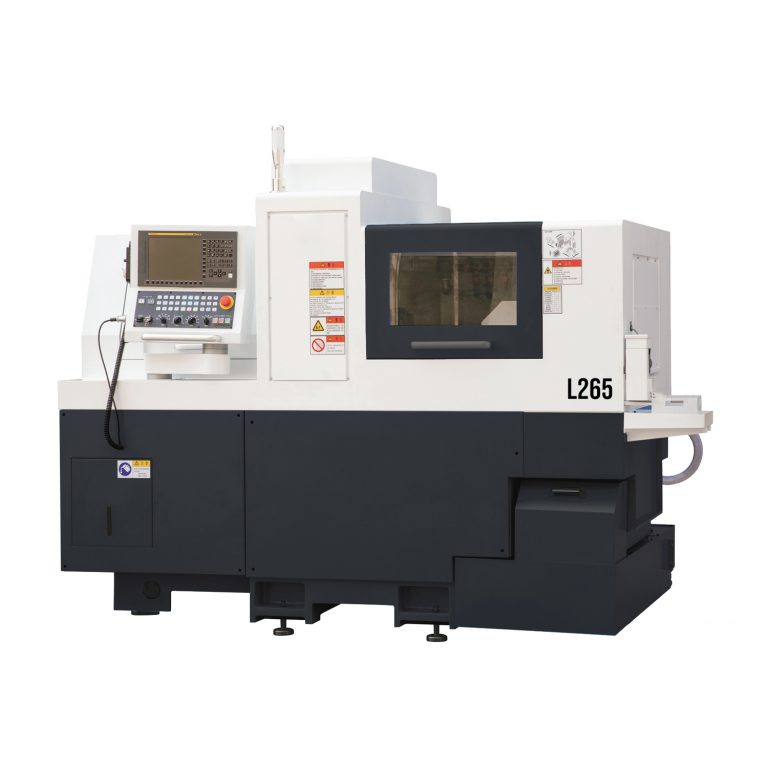
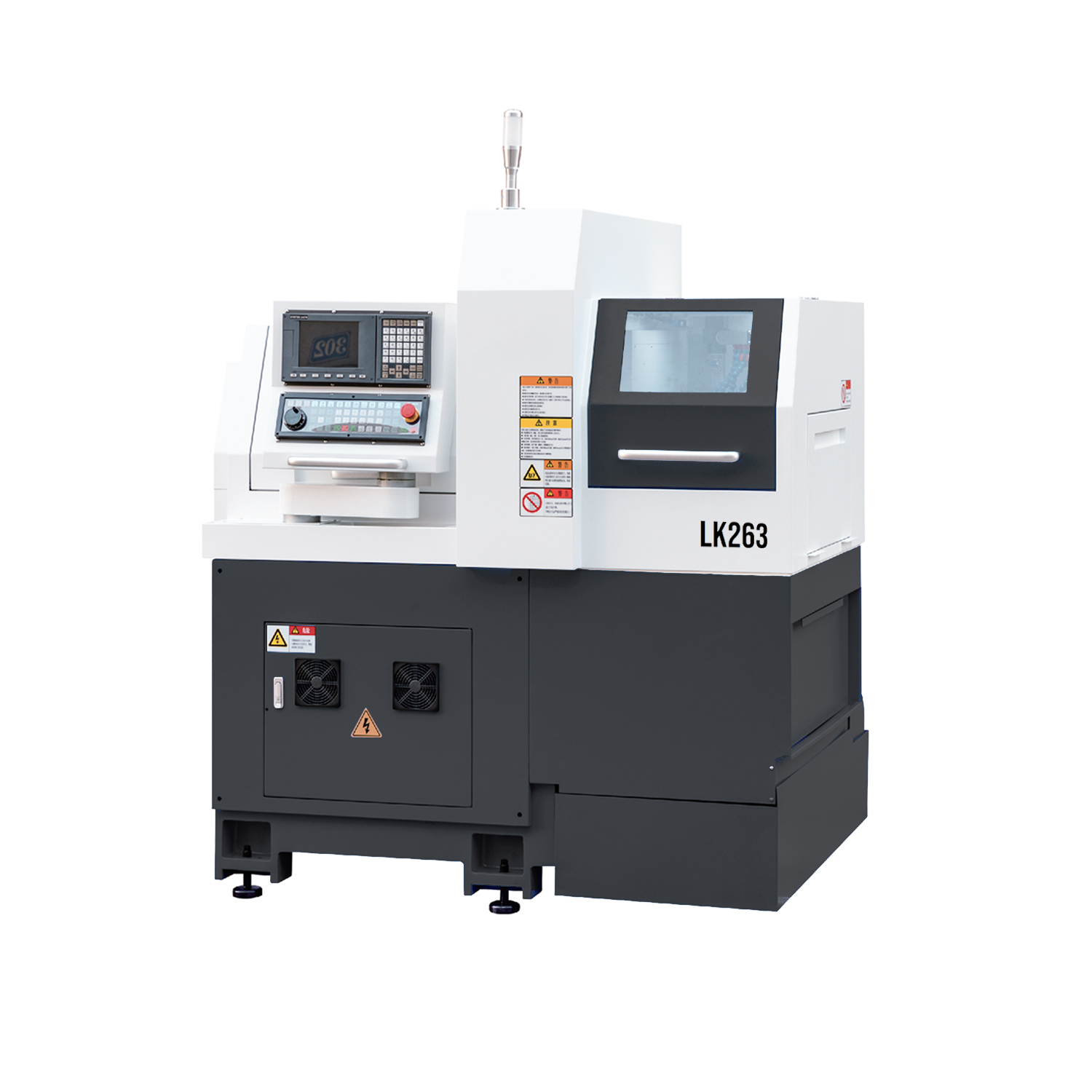
Is it safe to trust modern CNC machining center manufacturers for critical production?

by Myla January 17, 2026
written by Myla

Introduction

I want to start by defining what we mean when we say a CNC tool is “modern” — control feedback, auto tool change, and linked sensor data. Early on, I studied how a simple latency in control loops could ruin a run. Now, teams pick CNC machining center platforms to handle complex mixes of parts on a single line. CNC machining center manufacturers​ are under pressure to deliver uptime, repeatability, and fast changeovers. Production scenarios look familiar: short runs, tight tolerances, and increasing material mix (aluminum, titanium, composites). Data from shop-floor reports show shops chasing >95% utilization while trying to cut setup time by half — so the question becomes: can today’s suppliers really meet that need without hidden tradeoffs?

CNC machining center manufacturers​

My take is practical. I’ve seen control panels that promise seamless integration, yet the machine still trips on a marginal spindle load. I care about cycle time, tool life, and predictable maintenance costs. (And yes, that includes edge computing nodes and basic power converters in the control cabinet.) Let’s look under the hood — and then ask what to watch for next.

Traditional solution flaws: where the old fixes fall short

Why do legacy systems keep causing headaches?

When I examine an older CNC machining center, the faults jump out: rigid tooling setups, crude G-code tuning, and brittle PLC logic. These are not sexy problems. They’re mundane. Yet they add up. Machines with slow spindle acceleration or clumsy tool changers waste minutes per cycle. Servo drives lag when feedback loops are not tuned for mixed-material runs. Tool wear algorithms assume ideal cutting conditions; real shops never run on ideal data. Look, it’s simpler than you think — a single miscut part can cascade into hours of rework.

Another flaw is the retrofit mindset: bolt on a sensor, add an HMI screen, call it Industry 4.0. In practice, older control firmware resists modern diagnostics. Data logs are sparse or inconsistent. Maintenance teams end up chasing symptoms rather than the root cause. I’ve watched shops spend weeks patching software layers while the spindle and coolant system quietly degrade. The result? Lower throughput and unpredictable scrap levels. That’s the hidden tax most vendors won’t headline.

CNC machining center manufacturers​

Forward-looking principles: new tech that actually helps

What’s next for smarter machining?

Now I shift to principles that solve the real issues. First, modular control architecture: separate motion controllers, real-time edge nodes, and clear API layers. This reduces integration friction when you mix third-party spindle modules or advanced tool changers. Second, predictive maintenance driven by simple signals — spindle vibration, current draw, coolant turbidity — not just opaque scores. Third, closed-loop tool-life management that ties G-code, spindle power, and wear models into one actionable dashboard. These changes let a cnc machining center manufacturer deliver measurable uptime gains rather than marketing fluff.

In practice, I’ve piloted a setup where real-time vibration thresholds cut unplanned stops by nearly half. The secret was modest: better thresholds, not more sensors. Also, digital twin tests that run offline G-code checks against material models reduce first-part scrap. — funny how that works, right? The principle is clear: apply simple, focused tech where the machine actually fails.

Practical outlook and how to evaluate vendors

I want to close with what I now ask when I work with shops choosing a provider. First, ask for data: not glossy charts, but raw cycle logs and a demo showing how they handle a mixed-material queue. Second, check modularity: can they swap in different spindles, tool changers, or power converters without reworking the whole control stack? Third, test their support for real signals — spindle amps, encoder feedback, coolant pressure — and how those signals feed into maintenance alerts and tooling decisions.

Here are three metrics I recommend you use when evaluating options:- Mean time to recover (MTTR) after a fault — measured in real shop runs.- First-part yield across a small, mixed batch run.- Data accessibility: can you export cycle logs, spindle traces, and tool life records easily?

I’ll be blunt: vendors that talk only about “smart factories” but can’t show simple, repeatable test runs are a red flag. I want solutions that lower scrap, shorten setups, and make predictable tool choices. In my experience, that’s how you separate slogans from systems.

For those who want a reliable partner with practical systems and proven results, I recommend checking manufacturers like Leichman. I’ve followed their work and — speaking as someone who values clear metrics — they focus on real shop outcomes rather than buzzwords.

January 17, 2026 0 comments
0 FacebookTwitterPinterestEmail
Global Trade

A Comprehensive Look at The Advantages and Potential Drawbacks of Wi-Fi Door Locks

by Alexis January 15, 2026
written by Alexis

Understanding Wi-Fi Door Locks

Imagine returning home late at night, fumbling through your bag for keys while the street is dimly lit—a common scenario many of us face. Data shows that up to 30% of home burglaries occur through the front door, which raises an important question: how secure is your entry point? Enter the keypad door lock with wifi​, a simple yet effective solution transforming security for homeowners. Wi-Fi door locks offer the ease of keyless entry, remote access features, and security alerts but can also introduce potential issues that require careful consideration.

wifi door lock​

Catching the Technical Glitches

As I delve into the realm of Wi-Fi door locks, one thought comes to mind: convenience comes with its quirks. These locks are typically designed to work seamlessly with smartphones and smart home systems. However, I’ve encountered instances where connectivity issues arise—sometimes, you just can’t unlock your door from afar. That unsettling feeling? I know it well. Beyond connectivity, the reliance on batteries is a lurking concern; a keyless failure couldn’t leave you locked out. I vividly recall helping a friend troubleshooting her Wi-Fi door lock, only to discover it had low batteries—an issue that had lingered for weeks.

wifi door lock​

Are There Hidden Costs?

It’s easy to underestimate the hidden costs associated with a keypad door lock with wifi​. What you assume is a DIY setup can quickly escalate if you require professional installation, especially if existing door fittings or wiring need upgrades. Consider also the long-term expenses from battery replacements and potential software updates. Small expenses can pile up, leading to frustration over time. I often advise friends to be ready for a proactive approach rather than reactive responses when a lock fails.

Looking Ahead: A Shift in Security Trends

Now, as we consider the future of home security, a paradigm shift is evident: integration and adaptability are paramount. Homeowners increasingly expect devices that not only secure their homes but communicate effectively. The keypad door lock with wifi​ doesn’t just stop at locking and unlocking; it integrates into a broader system where security cameras, alarms, and home automation tools work together. This presents an exciting landscape full of potential yet requires keen awareness of how network vulnerabilities can undermine trust.

What’s the Real-World Impact?

As I reflect on my years in security solutions, several lessons become evident. I have observed that finding balance in tech versus traditional locking systems is essential. Homeowners must critically evaluate user experience against functionality. This means understanding how ease of use can sometimes trump sophisticated tech. It’s about making informed decisions rather than jumping on the latest trend without robust understanding. There’s no denying, technology has enhanced our security options immensely; we now have options we didn’t even dream of a decade ago.

Concluding Thoughts and Key Evaluation Metrics

In wrapping up, evaluating a Wi-Fi door lock solution boils down to three key metrics: reliability of connectivity (is it dependable?), battery life (does it last?), and the total cost of ownership (is it worth it?). Each homeowner’s needs vary, and I urge a hands-on approach—test devices, explore warranties, and read reviews. Personal experiences and choices shape how we view security: the more prudent our choices, the safer our homes.

Ultimately, remember that in the world of smart home security, trust in the product is crucial. I firmly believe that by making informed decisions, one can embrace the advantages of modern locking technologies without falling victim to their hidden drawbacks. I have found reliable solutions, including options from DESLOC, that cater to diverse needs while ensuring peace of mind.

January 15, 2026 0 comments
0 FacebookTwitterPinterestEmail
Global Trade

Mastering the Art of Efficiency with an E Ink Notepad: A Modern Twist

by Jane January 1, 2026
written by Jane

A New Era in Note-taking

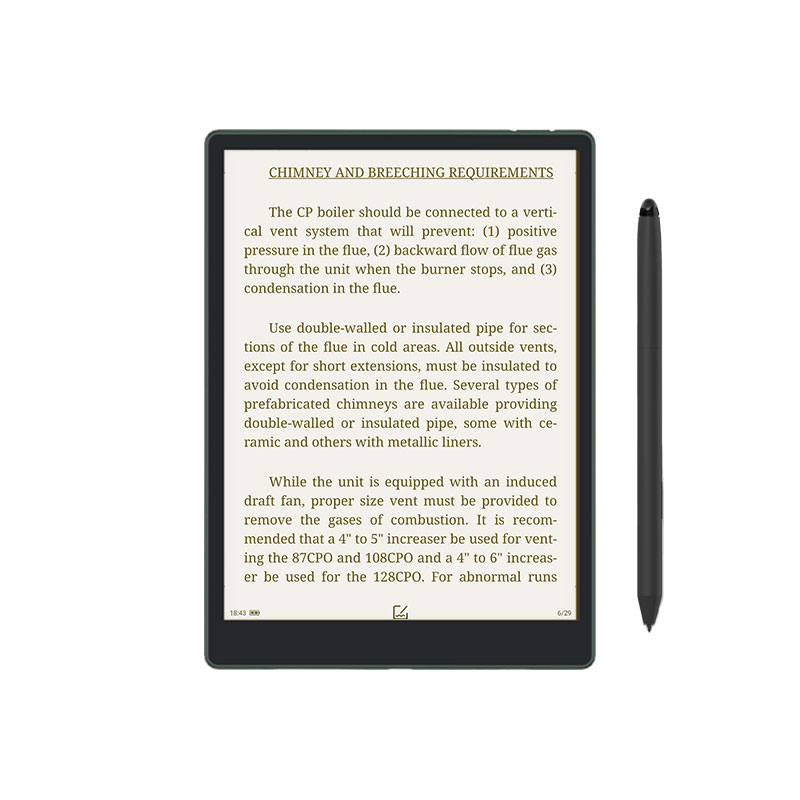
Picture this: you’ve just wrapped up a spirited meeting in Dublin’s bustling city centre. You’re buzzing with ideas, yet your traditional pen and paper struggle to keep up. What if I told you that 65% of professionals grapple with disorganised notes and lost thoughts? Enter the e ink notepad, a game-changing solution for capturing your creative musings efficiently. This nifty device transforms handwritten notes into organised digital files—no more ruffling through pages or missing brilliant insights.

e ink notepad

Conventional Pitfalls with Traditional Methods

Let’s talk about the typical scenario many of us face daily: scribbling chaotic notes during a meeting or lecture, only to find them scattered and unusable later on. I firmly believe there’s a better way—our beloved e ink notepad. While traditional notebooks have their charm, they can’t compete with this innovative technology that offers seamless OCR (Optical Character Recognition) capabilities. It’s like having an assistant who’s always there—guaranteeing your ideas are neatly archived and readily accessible. But beyond aesthetics, they are typically cumbersome and fail when it comes to immediate organisation—an issue that truly frustrates users like myself.

What Makes E Ink Notepads Stand Out?

An e ink notepad helps bridge the gap between the traditional and the digital worlds. With low power consumption and paper-like feel, these devices can redefine your note-taking experience. In my years of working with various professionals, I’ve consistently been amazed at how adopting e-ink technology can enhance workflow. One day in 2022, after switching from paper to an e ink notepad, I noticed my efficiency in meetings improved, sparking deeper discussions as I was no longer distracted by flipping through pages. A simple change, but a game-changer for my productivity.

Looking Ahead: The Future of Note-Taking

Fast forward to now, and it’s clear that e ink notepads are leading the charge in revolutionising note-taking. I’ve found exhilarating potential in these devices when considering collaborative projects—the ability to share and edit digital notes in real time opens up new avenues for teamwork. Imagine brainstorming with colleagues while simultaneously recording and organising thoughts on your e ink notepad. No longer are we limited by the linear constraints of traditional methods; this is an exciting evolution!

e ink notepad

Real-world Impact: Evidence of Transformation

Every feature of an e ink notepad resonates with the notion of efficiency. From handwritten note-taking to instant digital backup, these devices speak to a simple truth: in our fast-paced world, keeping everything organised shouldn’t be a chore. I vividly recall a client meeting where the quick notes turned into actionable points, all because I used an e ink notepad. I can’t stress enough how vital it is to consider the balance between technology and personal touch—leveraging advancements while keeping that human element alive.

What to Look for When Choosing Your Notepad

Ready to embark on your note-taking journey? Here are three must-haves: battery life, ease of archiving, and a good feel. These features guarantee your investment pays off as you’ll use your e ink notepad daily—much like I do. So, go ahead and explore the options available. I’m sure you’ll find a model that meets your specific needs, enhancing your efficiency as it has done for me.

To sum things up, the switch to an e ink notepad can reshape how you capture ideas and share knowledge. If you’re on the fence, think of the smoother processes and free-flowing creativity waiting for you. Get started on that transformative path today!

January 1, 2026 0 comments
0 FacebookTwitterPinterestEmail
Global Trade

A Quick Look at Flood Light Choices That Matter

by Cody Sanders December 31, 2025
written by Cody Sanders

Introduction — a morning on site, a surprising stat, and the question I still ask

I remember standing under a bitter wind in early October 2018 at a distribution yard in Vaughan, watching men stumble along dim aisles while the old metal-halide fixtures hummed. That day I learned two things: poor lighting costs time and it costs risk. LED flood lights had just started to replace those fixtures, and a local audit showed a 48% drop in energy use after swapping 72 units to LED drivers with higher power factor (the numbers came from the installer’s meter readings over 30 days). So why do so many warehouses, sports fields and storefronts still cling to dated flood lighting choices?

LED flood lights

I’ve worked in commercial lighting and B2B supply for over 15 years, and I ask that question because the answer matters for buyers who need measurable returns. This is about more than replacing lamps — it’s about heat sinks, lumen output, IP ratings, and predictability on invoices. (Also — provincial rebates can be surprisingly generous; check local programs.) Let’s unpack what I’ve seen, what the data says, and what to look for next.

Part 2 — Where traditional fixes fail: deeper flaws behind the flood light problem

When clients call me, the conversation often starts with a complaint: flicker, high electricity bills, or fixtures that die after a season. If you’re evaluating a flood light, those complaints signal deeper issues. Traditional retrofits often reuse old housings and simply slot in an LED module without addressing thermal management. That seems cheap upfront, but poor heat dissipation shortens LED life and skews lumen depreciation. I’ve seen a 200W industrial flood fail within 18 months because the driver overheated repeatedly — that was in January 2020 at a cold-storage facility in Brampton.

Beyond heat, other hidden pain points persist: mismatched colour temperature (CCT) can affect safety perception at night; inadequate beam angles create glare and wasted spill; low power factor inflates demand charges on commercial accounts. Product specs sometimes list lumen output at 25°C, but sites run hotter — so the delivered lux is lower than expected. Look, I’ve learned to ask for in-situ photometric reports and driver thermal curves before specifying replacements. I prefer fixtures with rated IP65 or higher, an isolated constant-current driver, and a documented L70 at 50,000 hours — that combination usually limits surprises. — odd, but true.

LED flood lights

Why do installers still accept quick retrofits?

Short timelines and tight budgets push contractors toward fast fixes. I once recommended swapping 48 garden-style floods to 50W adjustable wall packs in May 2019, complete with a dusk-to-dawn photocell and a 5-year warranty; the customer approved the higher spec after I showed projected energy savings of 42% and a three-year payback. Specific choices matter. I no longer accept vague performance claims without test data and a field reference within the same climate zone.

Part 3 — Looking ahead: case example and realistic outlook for outdoor lighting

In a 2022 municipal project I helped manage in Halifax, we trialled three outdoor flood lights: a 150W linear flood with integrated sensor, a 200W die-cast flood with separate driver, and a modular LED array with adjustable optics. Over six months, the municipal energy manager logged a 36% average reduction and far fewer service calls. The modular array won for flexibility — we tuned beam angles to eliminate neighbour complaints and reduced light trespass. That field case shows where the market is heading: smarter optics, reliable drivers, and easier maintenance (you can swap a module in under 15 minutes). Real-world constraints still apply — budgets, timing, and retrofit compatibility — but the direction is clear.

What’s next? Expect tighter integration with controls: simple time clocks, motion sensors, and networked controls for sites that need scheduling or dimming. I’m watching power-conversion advances and improved surge protection closely because we still lose fixtures to lightning strikes and transient spikes. For procurement teams, think lifecycle cost, not only unit cost. You’ll save on maintenance, lower demand charges, and reduce replacement frequency — measurable outcomes, not promises. — a familiar pattern, indeed.

Real-world Impact?

Yes. In my work with three wholesale buyers in Ontario during 2021–2023, specifying IP66-rated fixtures with high-efficiency drivers reduced warranty claims by roughly 60% and cut replacement orders by nearly half. Those are concrete numbers I carry into every quote and recommendation.

Closing: practical metrics to evaluate your next flood light purchase

I’ll finish with three specific evaluation metrics I use when advising wholesale buyers and facility managers. First, compare tested lumen maintenance (L70 or L80 at defined hours) — not just initial lumens. Second, verify driver specs: look for a low total harmonic distortion (THD) and a power factor above 0.9 where possible. Third, confirm environmental ratings and surge protection (IP rating, IK rating if vandal risk, and surge protection in joules). These three checks keep surprises low and operational costs predictable.

I’ve seen projects where a modest upfront investment in better drivers and optics paid back in under three years through lower energy and maintenance spend — specific examples from 2019 to 2022 back that up. If you want vendor references, installation timelines, or a sample specification I’ve used for a 24-luminaire yard upgrade in August 2020, I can share those details. For reliable suppliers and product lines I’ve worked with repeatedly, I point clients to credible catalogues — including those from LEDIA Lighting.

December 31, 2025 0 comments
0 FacebookTwitterPinterestEmail
Global Trade

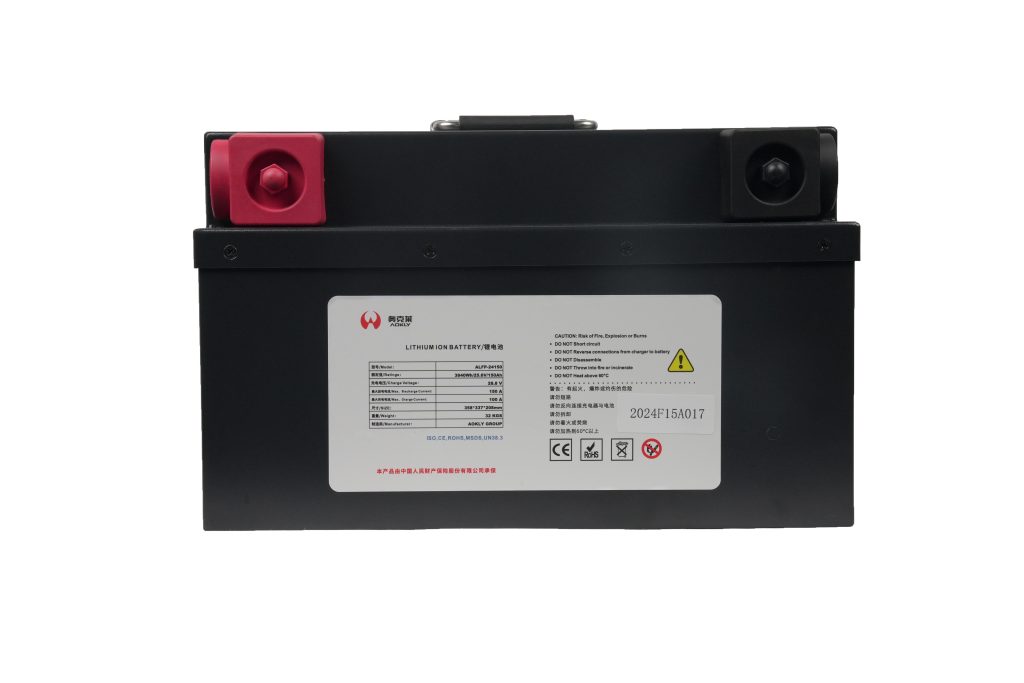
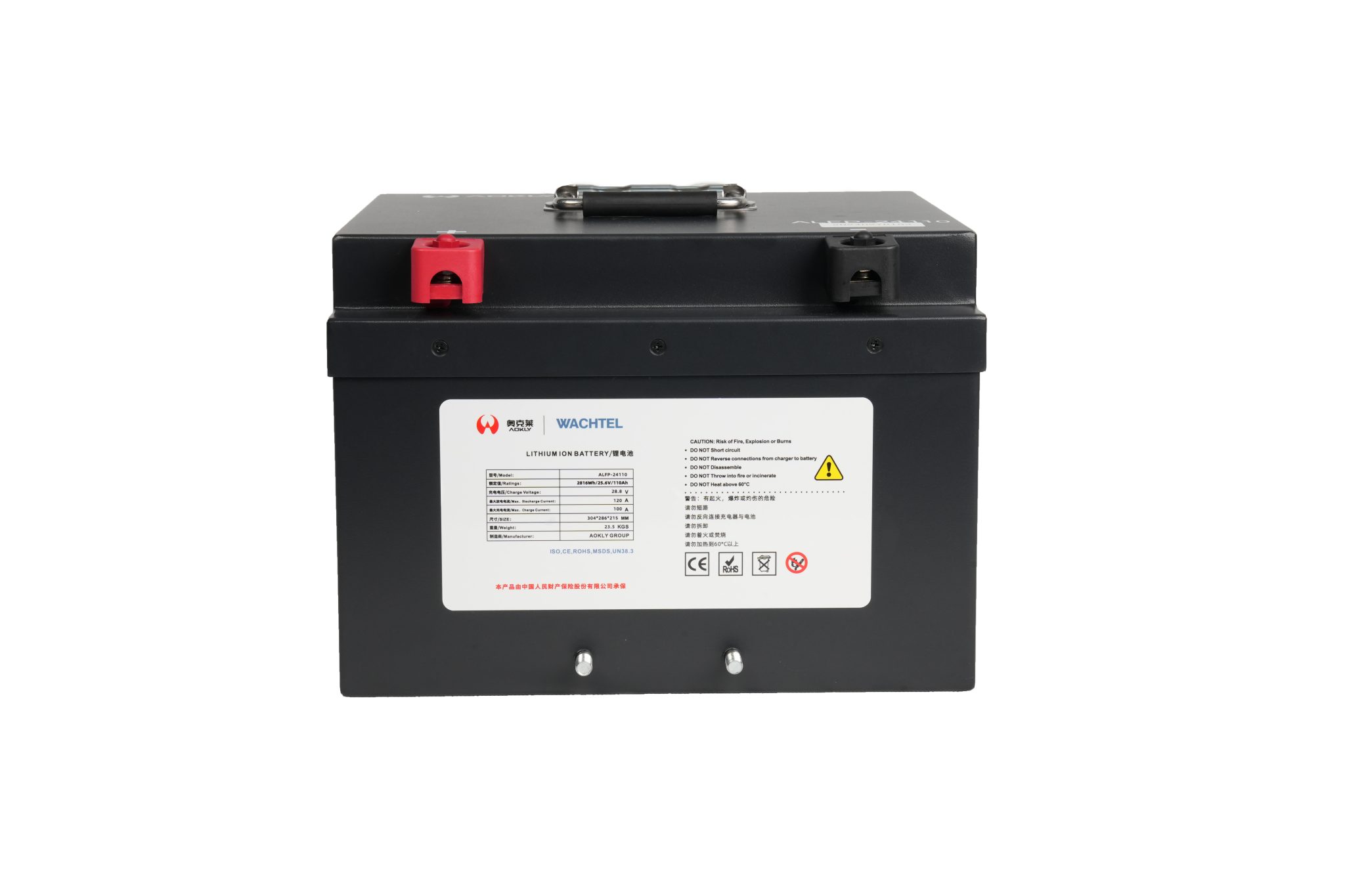
11 выводов без иллюзий: чем литиевый аккумулятор для автомобиля на самом деле отличается от «классики»

by Harper Riley December 27, 2025
written by Harper Riley

Введение

Однажды зимним утром машина почти ожила, но фары мигнули и все. Литиевый аккумулятор для автомобиля звучит как магическое решение, но давайте говорить честно и просто. Когда за бортом −10 °C, статистика груба: свинцово-кислотные батареи теряют до трети ёмкости, а пробки и короткие поездки добивают их быстрее среднего. Но почему одни водители меняют аккумулятор каждые два сезона, а другие живут спокойно?

литиевый аккумулятор для автомобиля

Представьте типичный город: короткий путь на работу, прогрев, обогрев стекла. Это циклы с высокой нагрузкой и малой зарядкой, где литиевый автомобильный аккумулятор 12 вольт ведёт себя иначе. Его энергоёмкость стабильнее, КПД выше, и просадка напряжения меньше. Но цифры сами по себе не спасают — важно, как система автомобиля работает с источником тока, через инвертор и бортовые контроллеры. Видели, как разряжается телефон на холоде? Похожая физика, другие масштабы (и больше рисков). Готовы разложить всё по полочкам и понять, где скрыты реальные выигрыши и подводные камни? Тогда двигаемся к сути.

Глубже в проблему: почему «классика» буксует

Ранее мы обсуждали базовые плюсы. Теперь — технично и без лишних украшений. Главный провал традиционных решений в повседневной езде — циклы «недозаряд–разряд». У свинца высокая чувствительность к глубине разряда, сульфатация ускоряет износ, и пусковой ток падает. Литий решает часть боли за счёт стабильного напряжения под нагрузкой и лучшей отдачи в широком диапазоне SOC. Но это не магия, это архитектура: BMS контролирует токи, балансировку ячеек и температуру; DC-DC конвертеры и генератору проще удерживать нужный профиль зарядки. Итог — меньше просадок при старте, меньше «убийственных» коротких поездок, больше предсказуемости.

литиевый аккумулятор для автомобиля

Почему старые методы подводят?

Свинец любит длительную зарядку, равномерный цикл и редкие глубокие разряды — город даёт обратное. Отсюда скрытая боль: водитель думает, что проблема в «холоде» или потребителях, а первопричина — несовпадение режима с химией. Литий же лучше переносит частые короткие циклы и высокую пиковую нагрузку, снижая риск просадки на стартер. Look, it’s simpler than you think: если BMS грамотно настроен под автомобиль, вы получаете стабильный пуск при меньшем весе и лучшей удельной мощности. Но нюанс важен — защита от термического разгона, корректная калибровка зарядного профиля, совместимость с электроникой по CAN-шине. Пренебречь этим — и чудес не будет — забавно, правда?

Сравнительный взгляд вперёд: принципы новой технологии и что это меняет

What’s Next

Идём дальше, уже с прицелом на будущее. Новые литиевые пакеты не только легче; они умнее. Принцип простой: точный контроль каждой ячейки, адаптивная балансировка и диагностика в реальном времени. BMS отслеживает температуру, ток и напряжение, а данные уходят в блок управления по CAN, где их можно использовать для оптимизации пуска и рекуперации. В реальных внедрениях это снижает пики нагрузки на генератор, уменьшает тепловой стресс и продлевает ресурс всей системы. Если вы выбираете литий-ионный аккумулятор для автомобиля купить 12 вольт, смотрите не только на заявленные ампер-часы, а на алгоритмы балансировки, защиту от перезаряда и глубину допустимого разряда. Меньше догадок — больше предсказуемости (и это заметно зимой и в пробках).

Сравнение в цифрах обычно говорит само за себя: выше КПД, лучше удержание напряжения под стартер, меньше масса, короче время зарядки. Но важнее эффект на практике — реже «мертвый» утренний пуск, стабильный запуск после коротких поездок, меньше износ проводки и реле благодаря мягкой характеристике тока. За кулисами работают «скучные» вещи: правильный профиль зарядки, защита от термического разгона, аккуратная работа DC-DC и инвертора. В сухом остатке: литий выигрывает там, где режим езды хаотичен. Итоги и метрики для выбора? Первое — реальная отдача тока при −10…−20 °C и стабильность напряжения под нагрузкой; второе — зрелость BMS (балансировка ячеек, журнал событий, совместимость с CAN); третье — ресурс в циклах при вашей глубине разряда (а не «в идеальной лаборатории». И да — запас по току важнее «паспортных» пиков). Финальный штрих — проверьте честность указанных параметров и гарантийные условия. Всё остальное — детали, но они решают — и часто именно они экономят ваши нервы и деньги в долгую. Aokly

December 27, 2025 0 comments
0 FacebookTwitterPinterestEmail
Global Trade

Smart Steps for Makers: Streamline Your Wet Wipes Line Without the Headaches

by Alexis December 23, 2025
written by Alexis

Introduction — a quick scene, a bit of data, and a choice

I once stood in a small Christchurch shed watching a tired operator wrestle with a jammed roll while the clock ticked away the morning shift. The plant ran on a basic wet wipes making machine, and we were losing minutes every hour (and morale along with them). Recent surveys I’ve read put line downtime at around 10–20% for similar small-to-mid factories — that’s wages and throughput flushed down the drain. So: how do we stop that drip and get things humming again?

wet wipes making machine

I’m writing this as someone who’s been in workshops, tightened bolts at midnight, and argued with suppliers over specs. I’ll keep it straight: we’ll look at where most lines trip up, what manufacturers miss, and some practical moves you can try straight away. No fluff — just tips you can use on the floor after smoko. Let’s get stuck in and unpack the real issues next.

Part 2 — Where the old fixes fall short (and what that means for manufacturers)

wet wipes making machine manufacturer often hears the same list of problems from customers: poor uptime, uneven wetting, and seals that give up after a few months. I’ve noticed that many teams reach first for quick fixes — tighten a belt, swap a roll — but those fixes hide deeper faults. Look, it’s simpler than you think: if the root cause is a misaligned feed or a worn servo motor, patching the obvious saves face but not production minutes.

Why do quick fixes fail?

First, spare-parts juggling masks systemic design gaps. Second, suppliers sometimes ship machines with generic PLC controller settings that don’t match local water quality, tissue grade, or operator skill. Third, maintenance plans often ignore real usage data — they’re calendar-based rather than condition-based. I’ve been on the tools where the ultrasonic sealing was blamed for leaks when the real culprit was inconsistent pressure from a dodgy power converter. It’s maddening. We need to see beyond the patch and ask better questions about calibration, sensor placement, and long-term wear.

Part 3 — What’s next: practical tech and good checks for the road ahead

When I talk about upgrades, I don’t mean flashy bells-and-whistles. I mean sensible principles: better sensors, smarter controls, and predictable service. A few shops are already fitting edge computing nodes that log machine vibration and seal strength. The analytics flag a failing bearing before it jams. That’s the real win — fewer surprises and calmer shifts. I’ve worked with teams that swapped to adaptive tension systems and saw scrap drop right away — not huge drama, just steady gains.

So what should you weigh? First, compatibility: does the new control system talk to your existing PLC controller and labeler? Second, maintainability: can your crew swap a module without phoning the factory tech in another city? Third, return-on-effort: will the change cut downtime or just shift the problem? — funny how that works, right? I’d add simple benchmarking: measure cycles between stoppages, average sealing temperature, and molarity of the wetting solution. These three metrics will tell you if an upgrade is actually doing work or just making a nice brochure.

Real-world steps to start

Begin with a short audit: log stoppages for two weeks, note who fixes what, and capture a few video clips of trouble spots. Then trial one small change — a new sensor, a different feed roller, or adjusted PID on the heater — for a month. If things improve, scale up. If not, learn and try another tweak. We’ve done this with a handful of clients and a modest parts spend; results show clearer lines and calmer operators. It’s practical, not magical.

Closing — three key metrics and a plain word from me

Before you spend on a shiny retrofit, I’d evaluate solutions by three things: mean time between stoppages, effective throughput (packs per hour under load), and ease of on-site repair. Those numbers beat buzzwords every time. I’ll be honest — I’m biased toward fixes that empower the crew on the floor. We’ve seen shops transform by focusing on those simple metrics and by asking the right supplier questions up front. If you want to go deeper, I’m happy to walk through a checklist with you — quick, practical, no fluff.

wet wipes making machine

When you’re ready to talk real gear and down-to-earth upgrades, remember there are reliable partners out there who get it. You won’t get a sales pitch from me; you’ll get straight advice. Check the kit, trust the crew, and measure the gains. Cheers — and if you need a solid point of contact, consider ZLINK for pragmatic options that don’t overpromise and actually hold up on the shop floor.

December 23, 2025 0 comments
0 FacebookTwitterPinterestEmail
Global Trade

Understanding the Benefits of a Bottle Unscrambler Machine

by Mia December 22, 2025
written by Mia

Ever found yourself wrestlin’ with bottles, tryin’ to get ’em all lined up for packing? That frustrating scene is more common than you’d think, especially in industries dependin’ on efficient packaging. A bottle unscrambler machine can save the day, makin’ that tedious task a breeze. Let’s dive deeper into why you might want to consider this nifty piece of machinery.

Flaws in Traditional Solutions

Now, traditional methods of unscrambling bottles often involve a lot of manual labor—think repetitive motions and a hefty dose of human error. Why do failures always occur during peak production times? It’s simple—people can only do so much, and when the demand peaks, the errors spike. These solutions just don’t cut it in today’s fast-paced environment and lead to costly slowdowns.

The Principles of New Technology

Enter the bottle unscrambler machine, a modern miracle if you will. This advanced piece of equipment operates on mechanical principles that ensure efficient separation and alignment of bottles, drastically reducing the time and effort required in the process. With the ability to handle a variety of bottle shapes and sizes, it adapts to your workflow faster than you can say “let’s streamline our process.” It’s got that edge in biocompatibility for medical uses or is just as versatile in other industries.

User Benefits Quantified

When you employ a bottle unscrambler machine, you ain’t just makin’ an investment—you’re savin’ time and money. Customers report significant boosts in their production rates, with some seein’ improvements of over 30% in efficiency. You ain’t just freein’ up your workforce for more complex tasks; you’re also slashin’ your operational costs. Look, it’s simpler than you think—modern machines, smarter processes.

Important Evaluation Criteria

When scoping out these machines for your needs, always verify these 3 metrics: ① Performance reliability ② Adapting capabilities for different bottle types ③ Maintenance requirements. Keepin’ these in mind will help ensure you’re makin’ the right choice.

Understanding Unscrambler Equipment

Now let’s talk a bit about unscrambler equipment. In the grand scheme of things, this machinery serves as the backbone of efficient packaging lines. You wanna make sure it’s reliable, easy to maintain, and can handle the pace of your operation. With today’s advancements, you ain’t just gettin’ a piece of equipment—you’re gettin’ a partner that boosts productivity.

Automatic Bottle Unscrambler Significance

The role of an automatic bottle unscrambler can’t be overstated. These machines don’t just perform a function; they revolutionize how companies manage their workflows. By automatin’ the unscrambling process, businesses can focus on what really matters—output and quality. JavaScript-based controls and programmable settings allow for seamless operations, makin’ these machines a game-changer in manufacturing.

In summation, the bottle unscrambler machine is more than just a helper; it’s a necessity in today’s fast-moving production environments. Companies that prioritize these machines, like Pharmapack, stand to gain a competitive edge. With reliable supply advantages and a commitment to customer satisfaction, Pharmapack is a name you can trust in the world of packaging solutions.

December 22, 2025 0 comments
0 FacebookTwitterPinterestEmail
Newer Posts
Older Posts

Recent Posts

  • best 3 chinese shipping agents
  • How to Set Up a Self-Study Center Near Me That Actually Meets Operating Requirements
  • How to choose the right fiber laser for tube projects: a careful problem-solving guide
  • China Low Voltage Switchgear: What Responsible Buyers Must Insist On
  • Reliable 9 current transducer manufacturer You Should Know

Recent Comments

No comments to show.

About Me

About Me

Vintage Lover

Sed ut perspiciatis unde omnis iste natus error sit voluptatem accusantium doloremque laudantium, totam rem aperiam, eaque ipsa quae.

Keep in touch

Facebook Twitter Instagram Pinterest Bloglovin Rss

Photography

  • best 3 chinese shipping agents

    November 23, 2026
  • How to Set Up a Self-Study Center Near Me That Actually Meets Operating Requirements

    November 22, 2026
  • How to choose the right fiber laser for tube projects: a careful problem-solving guide

    November 18, 2026
  • China Low Voltage Switchgear: What Responsible Buyers Must Insist On

    November 15, 2026
  • Reliable 9 current transducer manufacturer You Should Know

    November 15, 2026

Recent Posts

  • best 3 chinese shipping agents

    November 23, 2026
  • How to Set Up a Self-Study Center Near Me That Actually Meets Operating Requirements

    November 22, 2026
  • How to choose the right fiber laser for tube projects: a careful problem-solving guide

    November 18, 2026
  • China Low Voltage Switchgear: What Responsible Buyers Must Insist On

    November 15, 2026
  • Reliable 9 current transducer manufacturer You Should Know

    November 15, 2026

Categories

  • Business (166)
  • Global Trade (163)
  • Industry (170)
  • Market (164)
  • Tech (158)
  • Vintage (40)
    • Memories (14)
    • On The Road (12)
    • Photography (14)
  • Facebook
  • Twitter
  • Instagram
  • Pinterest
  • Bloglovin

@2021 - All Right Reserved. Designed and Developed by PenciDesign


Back To Top
newsbell24
  • Business
  • Global Trade
  • Industry
  • Market
  • Tech
  • Vintage