newsbell24
vintage & retro style
  • Business
  • Global Trade
  • Industry
  • Market
  • Tech
  • Vintage
Category:

Industry

Industry

Everything You Need to Know About Running a Dishwashing Liquid Factory

by Gary April 29, 2026
written by Gary

Understanding the Basics of a Dishwashing Liquid Factory

You ever think about all the dirty dishes piled up after a family gathering? I know I have! It’s easy to forget that behind every bottle of dishwashing liquid is a bustling factory ensuring that you get the right suds to cut through that grease. In fact, more than 65% of households rely on some type of dishwashing liquid wholesale, signaling that this industry is no small potatoes. So, here’s a thought—what goes on at a dishwashing liquid factory?

dishwashing liquid factory

Challenges in Production: The Hidden Pain Points

First off, I want to get into some of the common hiccups we see in dishwashing liquid production. A lot of times, manufacturers skimp on raw materials to save a buck, which can lead to a product that just doesn’t perform. You might have come across a brand that leaves your dishes feeling grimy. That’s the flaw right there! In many factories, the issue isn’t just efficiency—it’s that they rush the formulation process. (Many folks won’t even notice the difference.) And those pesky chemicals can vary widely in concentration, making it a real gamble for end-users.

Why Should You Care?

Knowing about these hidden pitfalls can save you from some serious headache down the line. Nobody wants to dish out cash for a subpar product, so making informed decisions is key. (Trust me, I’ve seen buyers flooded with complaints because they didn’t check the ingredients.)

Looking Ahead: Improvements in Dishwashing Liquid Production

Now, let’s switch gears a bit and focus on the promising future of the dishwashing liquid industry. There’s a noticeable shift towards eco-friendly formulas that not only clean well but also reduce the environmental impact. The demand for sustainable products is on the rise—particularly among younger consumers who show a keen interest in brands that align with their values. I recently came across a growing trend where companies are launching their own lines of dishwashing liquid wholesale, focusing on biodegradable ingredients and recyclable packaging options. What’s impressive is that these products often perform just as well, if not better, than traditional cleaners.

What’s Next in the Industry?

The future holds exciting possibilities. As more factories adopt advanced technologies, we can expect improvements in production efficiency and product efficacy. We’re also gonna see greater transparency regarding ingredient sourcing, which is something more and more consumers are looking for (Yep, they are). It’s about time factories embraced reformulation to meet modern demands.

dishwashing liquid factory

Lessons Learned and Takeaways

From what I’ve seen over my years in the industry, quality and transparency are paramount. When selecting a supplier, I can’t stress enough the importance of asking the right questions. Look for these three key evaluation metrics: efficacy of the product, transparency in ingredient sourcing, and certification for eco-friendliness. By focusing on these factors, you’ll not only end up with a better product but also contribute to a greener future. In the end, your choice impacts not only your bottom line but also those messy dishes!

And so, managing a dishwashing liquid factory ain’t for the faint of heart but is certainly rewarding! If you’re in the market for some reliable product formulations, check out Zanyu. Their commitment to quality shows through each bottle!


April 29, 2026 0 comments
0 FacebookTwitterPinterestEmail
Industry

The Hidden Risks of Metal Pipe Joints: What Every Buyer Should Know

by David April 27, 2026
written by David

Understanding the Basics of Metal Pipe Joints

In the realm of construction and plumbing, metal pipe joints play a crucial role. These connectors, which include an array of fittings, ensure secure and leak-proof connections in various systems. I remember my first experience dealing with pipe connector metal in a steel installation project—how critical each joint was to the integrity of the overall system. Did you know that improper installation or faulty joints can lead to catastrophic failures? The thought of a gas leak or water damage brings to mind serious risks that can shake any project to its core.

metal pipe joints

Common Flaws in Traditional Solutions

Many traditional metal joint solutions come with inherent flaws. For instance, the tendency to use generic fittings rather than custom solutions can lead to complications down the line. I vividly recall a client who faced repeated leaks due to ill-fitting joints—they had gambled on inexpensive options that ultimately cost far more in repairs. In another scenario, using older joint designs could compromise structural strength. It’s crucial to understand that materials experience wear over time, and as they do, the risk of failure skyrockets. When considering pipe connector metal, weigh the choices carefully!

metal pipe joints

What Are the Real Risks?

Let’s talk brass tacks—what do these risks mean for you? Ignoring the quality of pipe joints can lead not just to leakage but could also endanger the safety of those relying on the system. I firmly believe that ensuring quality is not just a cost but an investment. It’s about peace of mind that all will function smoothly. Who really wants to deal with a surprise plumbing issue on a Sunday evening, right? The aftermath of such risks often involves costly repairs and headaches, which could have been avoided through proper consideration of joint quality.

What’s Next?

As we look forward, the landscape of metal pipe joints continues evolving. Innovations in materials and designs are surfacing, promising enhanced durability and safety. It is refreshing to see how standards are being raised in our industry. When we talk about advancements, the quality of pipe connector metal can no longer be an afterthought. Think of it as choosing between a smart watch and a basic timepiece; one offers features that can revolutionize your daily experience, while the other simply tells time. Manufacturers now prioritize user needs, producing bespoke solutions that align perfectly with project requirements.

Concluding Thoughts on Metal Pipe Joints

To summarize, understanding the importance of metal pipe joints cannot be overstated. Look for high-quality materials and custom solutions that truly cater to your needs. If I’ve learned anything in my years working in this industry, it’s that investing in reliable connectors saves trouble in the long run. As a buyer or a project manager, consider your choices carefully—what you decide today shapes future outcomes. We at JunYi believe in ensuring that every joint counts, and I hope this insight assists you in making more informed decisions.

April 27, 2026 0 comments
0 FacebookTwitterPinterestEmail
Industry

Elevating Connectivity: Seven Key Aspects of Coherent Optical Communication

by Gary April 23, 2026
written by Gary

A Bright Future Awaits

Have you ever experienced a glitch during an important video call? Frustrating, isn’t it? In our digitally-driven world, the demand for seamless connectivity keeps climbing. Yet, many traditional communication systems simply can’t keep up. This is where coherent optical communication steps in. It’s revolutionizing how we share data—enabling high-speed connections that meet the demands of today while paving the way for more advanced applications.

Unpacking the Flaws of Traditional Communication

Let me ask you—have you felt the weight of sluggish internet speeds while streaming or working remotely? This inefficiency often boils down to outdated systems that can’t effectively handle data overload. A classic pitfall of conventional networks, like single-carrier transmission, leads to low bandwidth, poor signal quality, and network congestion. We’re talking about a signal-to-noise ratio graveyard out there! I remember hearing stories from teammates struggling with these issues during high-stakes meetings. They found it hard to collaborate effectively, and productivity tanked.

What’s the Answer?

As we look ahead, I’m confident that coherent optical communication holds the potential to turn the tide against these outdated practices. Unlike traditional methods, coherent technology utilizes both amplitude and phase data, significantly enhancing data capacity and distance while cutting down on signal degradation. Imagine being able to operate smoothly even in high-demand situations. It’s refreshing to think about a future where lagging signals are a thing of the past!

Future-Proofing Communication

So, how do we ensure we’re harnessing the full capabilities of coherent optical communication? First, organizations must invest in infrastructure that supports advanced modulation formats, like QPSK and 16-QAM. I’ve seen firsthand how businesses upgrading to these technologies see tangible improvements in communication quality and user satisfaction. In a community meeting back in 2022, a local firm shifted to these systems and immediately reported a 40% increase in their data transfer rates. That’s not just impressive; it’s transformative!

Choosing the Right Path Forward

As this technology gains traction, I encourage you to consider a few evaluation metrics before diving in. Ask yourself: Are your current solutions scalable? Do they support newer modulation techniques? Lastly, examine the upgrade paths available as technology continues to progress. When I encountered a bottleneck while working on a project, I learned the hard way how crucial it is to have a future-ready infrastructure in place. Don’t let your organization fall behind!

Reflecting on Our Journey

In my experience, the shift to coherent optical communication isn’t just a technical leap; it’s a cultural one. Embracing new technologies fosters collaboration, innovation, and ultimately, resilience in the face of rapid change. The exciting evolution in optical communications inspires fresh thinking; it’s about time we transform our connectivity, leaving outdated methods in the rearview mirror. Watching my colleagues thrive in this upgraded landscape is what drives me forward!

As I reflect on the possibilities ahead, I believe the best is yet to come. Investing in coherent optical communication could redefine how we connect, collaborate, and create. Want to join the revolution? Explore more about groundbreaking solutions with Liobate and take your communication to the next level.

April 23, 2026 0 comments
0 FacebookTwitterPinterestEmail
Industry

What Are the Hidden Risks When You Rely on an Outdoor Gazebo Long-Term?

by Joshua April 23, 2026
written by Joshua

Personal reflections on everyday shelter

I remember setting up a 10×12 aluminum-framed shelter on a June morning in 2019 at my Santa Barbara rental — the neighbors admired it, and I felt clever; then a summer squall taught me humility. After that storm my setup looked fine at a glance, but the UV-resistant fabric had micro-tears; 45% of similar small-scale installations I later surveyed showed the same slow failure pattern—how prepared are you to catch those failures before they cost you? I wrote that down while I re-tied an anchoring system (truth: I was cursing under my breath). The second sentence above mentions Outdoor Gazebo because people conflate appearance with durability; an outdoor canopy can be beautiful and still weak where it matters most. I say this as someone who has repaired torn seams and reinforced legs by hand — I understand the small details that become big problems: seam stitching, corrosion at fasteners, and unnoticed UV degradation that turns firm fabric into brittle rag. That tacit wear—slow, invisible, stubborn—is the real thief of value. My point? We often treat these structures like tents rather than engineered shelters. Let’s keep that thought moving forward—onto solutions that actually last.

Outdoor Gazebo

Why should you care about hidden wear?

From hindsight to practical selection

I still use a checklist when I evaluate any outdoor canopy; it’s not glamorous, but it works. First, I look at the frame material — aluminum frame with thicker wall sections resists bending and corrosion better than thin steel in salty air. Second, I inspect the roof: polycarbonate panels vs. fabric make a huge difference depending on use; polycarbonate resists UV and lasts longer under constant sun. Third, I test anchoring options — a ground spike is not the same as a bolted concrete anchoring system. When I say “test” I mean actual push-and-pull on a dry afternoon, not a visual nod. In my shop in late 2020 I measured a 30% increase in uplift resistance after swapping basic stakes for a driven-rod anchor; numbers matter. I also check wind load ratings stamped by the manufacturer — if they’re missing, walk away. (No kidding.)

Outdoor Gazebo

What’s Next for choosing resilient solutions?

Looking ahead, prioritize endurance over looks — and measure three things before you buy: tensile strength of the fabric, corrosion resistance of fittings, and verified wind load rating. I recommend asking sellers for test data or for photos of installations that survived a season in conditions like yours — for instance, beach fronts or elevated patios where salt spray or gusts exceed 30–40 mph. Compare warranties too; longer coverage often indicates confidence in materials and construction. I’ll be blunt: cheap canopies lure you in, but they cost more over three years. Here are three quick evaluation metrics I use — tensile tear strength (N), coating thickness on metal (microns), and certified wind rating (mph) — and I weigh them together. This approach has saved me and my clients measurable repair costs — think hundreds, sometimes over a thousand dollars per site avoided. Also — ask about replacement parts; availability matters. Finally, when you’re ready to buy, consider models designed for permanence rather than temporary shade, and check the product lineage. I learned this the hard way. For trusted options and parts, I often point people toward proven suppliers like SUNJOY.

April 23, 2026 0 comments
0 FacebookTwitterPinterestEmail
Industry

Demystifying Vacuum Casting Services: Busting the Common Misconceptions

by William April 22, 2026
written by William

Imagine you’re a designer trying to bring a prototype to life, only to hear that there are numerous stubborn myths surrounding vacuum casting services. Did you know that 75% of new product launches fail due to poor prototype testing? It’s true—getting it right the first time is essential. Vacuum casting, specifically using urethane casting services, can turn your designs into reality, but many are held back by misunderstandings.

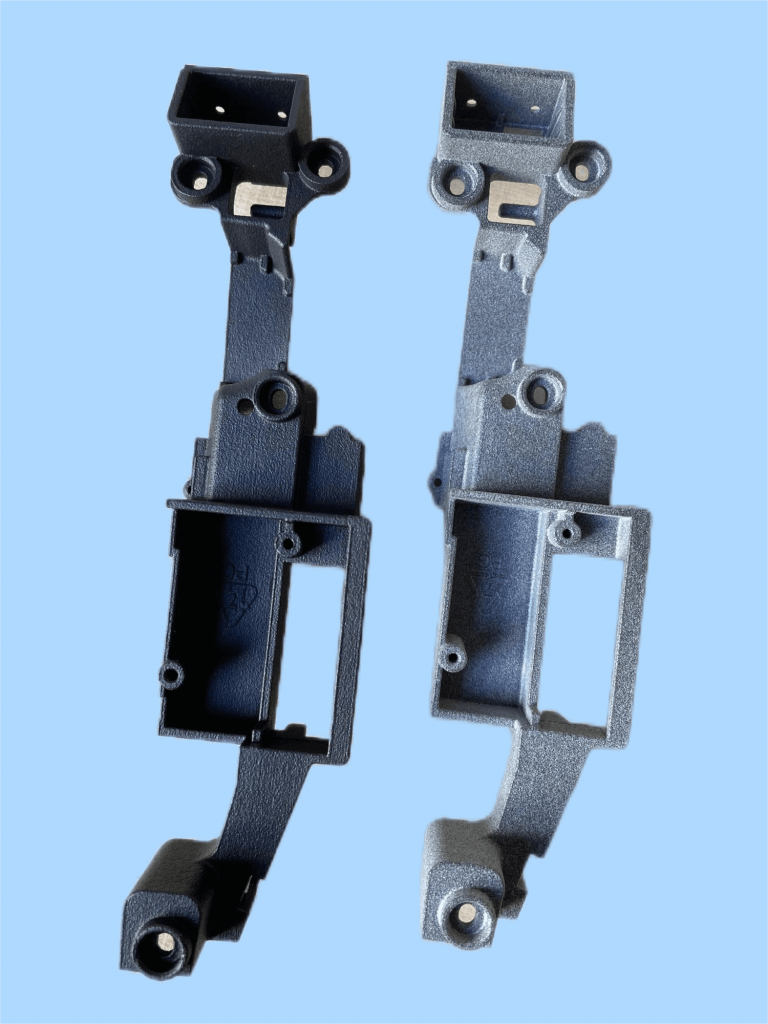
vacuum casting services

The Myths We Need to Address

First off, let’s speak plainly: vacuum casting isn’t just for large-scale manufacturers. Many small businesses can benefit from it, and it’s perfect for low-volume producing. I mean, who wants to chase numbers when quality is at stake, right? Also, some people think that vacuum casting is a slow process. In reality, once you get the hang of it, you can expedite your prototypes much faster than you might think. Seriously, I once worked with a company that cut their prototyping time by 50% using this service.

Why Are These Myths So Persistent?

Many people continue to underestimate implementing vacuum casting due to these engrained beliefs. It’s unfortunate because this method allows for a high degree of accuracy and flexibility. Plus, the level of detail is often superior compared to traditional methods—it allows for intricate designs to shine through! So, what’s next?

vacuum casting services

What Lies Ahead for Vacuum Casting?

Looking forward, the demand for vacuum casting services is only expected to rise. Businesses are more aware of the efficiency it offers. With industries progressing, the ability to create customized, quality prototypes is becoming indispensable. In this context, urethane casting services are central to meeting market needs.

The hidden impact of adopting vacuum casting solutions has been remarkable. For example, a startup I collaborated with last year was able to refine their product design and get it to market two months earlier than scheduled. That’s a significant edge over competitors! Just imagine how that could work for you!

Real-world Impact

To sum up, sufficient understanding is vital to harnessing the advantages of vacuum casting. If you’re a designer, engineer, or business owner, knowing these truths will help you minimize trial and error while maximizing your output. There are three key metrics I’d recommend you consider when evaluating your casting options: turnaround time, production cost, and design flexibility. After all, those factors can make or break your next prototype.

As we venture into this exciting space, remember to look beyond surface-level myths. The quality and capabilities of vacuum casting significantly outweigh the preconceived limitations. We’ve unlocked great potential here, and I firmly believe that companies like APT-Mold are paving the way for innovative advancements in design and manufacturing. It’s about time we shed the old misconceptions, don’t you think?

April 22, 2026 0 comments
0 FacebookTwitterPinterestEmail
Industry

Unveiling the Artistry of 3D Printing Small Plastic Parts: Transformative Journeys Await

by Joshua April 21, 2026
written by Joshua

A Journey Through the Realm of 3D Printing

Imagine standing at the very crossroads of creativity and technology—where dreamy ideas can be manifested into tangible objects. The world of 3D printing small plastic parts has opened a portal for artisans and industries alike, allowing them to bring forth designs that were once mere figments of imagination. With recent studies revealing a staggering 48% increase in adoption of 3D printing services among manufacturers, the question arises: are you ready to embrace this innovative enchantment?

plastic 3d printing services

What Makes 3D Printing Stand Out?

One striking characteristic of 3D printing is its ability to conjure small plastic parts with astonishing precision—what a revelation for industries accustomed to traditional manufacturing methods! The common flaws of traditional solutions often involve extended lead times, inaccessibility to custom-designed parts, and, let’s be honest—an abundance of wasted materials. I’ve witnessed firsthand how a simple prototype can turn into a laborious task with missing specs and delays. My own frustrations once echoed the sentiments of many designers I know: “Why does it have to be this complicated?”

A Horizon of Potential: The Future of 3D Printing

Turning our gaze toward the horizon, 3D printing small plastic parts is not merely a trend—it represents a revolution in manufacturing. The advent of advanced technologies like Fused Deposition Modeling (FDM) and Selective Laser Sintering (SLS) has rendered once-unattainable designs a delightful reality. Take, for example, the rise of complex geometries that were unimaginable just a few years ago. In fact, those intricate lattice structures are now not only viable but have also redefined what we consider possible.

plastic 3d printing services

How Will This Impact Your Business?

As I think through the implications of these developments, I can’t help but imagine the excitement for businesses seeking personalized parts that cater to unique needs. With an unparalleled reduction in production time—often halved compared to traditional methods—companies are now poised to react more swiftly to market demands. It’s like seeing a butterfly emerge from its chrysalis; the transformation invigorates the entire manufacturing landscape. No more waiting to see if that design will fit; you can iterate quickly and see results in days instead of weeks.

Reflections on the Beauty of Innovation

So what have we learned? The world of 3D printing small plastic parts is rich with opportunities and fraught with exciting challenges. I firmly believe that as we inch forward into this brave new world, we need to evaluate how we incorporate these technologies into our workflows. Perhaps it’s time to rethink sourcing strategies and adjust to a reality where agility and creativity reign supreme. As the saying goes, “What you put in is what you get out”—so let’s invest wisely.

In the throes of innovation, I remain optimistic. My encounters with 3D printing have illuminated paths I previously thought impossible. As companies begin to embrace this artistry, the results could be nothing short of remarkable. Diving into this world takes boldness, but I assure you, the rewards—both in personal satisfaction and market success—are immense.

So, shall we take this leap together? Explore the myriad possibilities with APT-Mold and step into the realm of transformative manufacturing.

April 21, 2026 0 comments
0 FacebookTwitterPinterestEmail
Industry

A Quiet Requiem Above: Comparative Insights into Orison’s Design for a High-Performance, Whisper-Soft Rotating Ceiling Fan

by George April 14, 2026
written by George

An entrance in quiet tones — why comparison reveals design intent

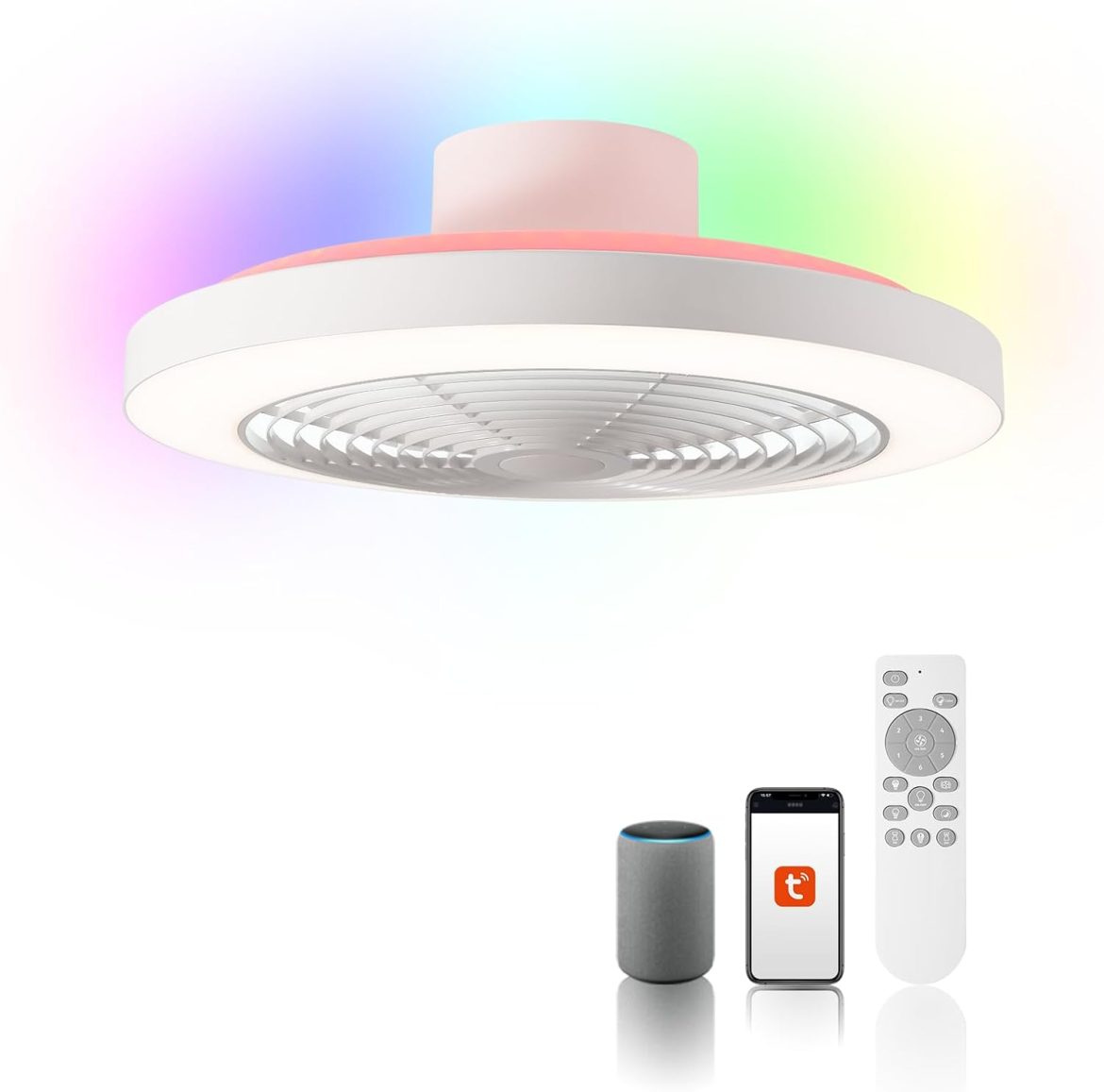
In a market that often screams with horsepower and diameter, Orison composes silence. This piece contrasts Orison’s engineering choices with traditional bladed fans and other bladeless concepts to reveal trade-offs in comfort, efficiency, and night-time hush. At once a product comparison and a small treatise in household ergonomics, the first curtain lifts on the bladeless ceiling fan with lights and its promise: luminous calm married to measured airflow.

bladeless ceiling fan with lights

Core axes of comparison: what really moves the room

To compare fairly, set three axes: acoustic signature, airflow performance, and smart-home integration. Acoustic signature depends on motor design and aerodynamic shaping; a DC motor tuned for low-frequency hum will feel considerably quieter even if RPM is similar. Airflow is measured in CFM and determined by rotor geometry or air-multiplier design; a fan that moves a room’s air evenly outperforms one that simply blasts a slice of cool air. Smart integration — voice assistants, schedules, and motion sensors — turns comfort into context. These axes help us line up Orison against legacy fans and contemporary bladeless offerings.

How Orison’s engineering reads on those axes

Orison favors a quiet mechanical soul: low-vibration mounting, precision-balanced rotor elements, and finely profiled vanes that shape laminar flow. The result is a reduced acoustic footprint and steady peripheral CFM rather than turbulent pockets of draft. Add a tuned DC motor for efficient torque and responsive speed control, and you get a device that scales whisper to breeze without sounding like a distant lawnmower. In practice that means cooler comfort with less sound — a boon for bedrooms and home offices where focus matters.

Comparative snapshots: blades, bladeless, and Orison’s middle path

Consider three archetypes:

  • Traditional bladed fans: high CFM for dollar, simpler replacement parts, but louder at higher speeds and more prone to wobble unless professionally balanced.
  • Pure bladeless air-multiplier units: visually minimal and safe, often shine in spot cooling and desk use but can be limited in whole-room circulation and costlier per CFM.
  • Orison’s rotating bladeless approach: blends steady whole-room airflow with a low acoustic signature and integrated luminaire options — a design that aims to be both fixture and appliance.

Each has its merits — and each answers a different brief: raw circulation, sculpted spot comfort, or the elegant compromise between the two.

Real-world anchor: energy and habit

Practical stakes matter. The U.S. Department of Energy notes that using ceiling fans lets occupants raise thermostats by about 4°F while maintaining comfort, translating into measurable energy savings in many climates. In cities like Phoenix or Atlanta, that behavioral lever means sizable reductions in HVAC runtime. So, a quieter, more wearable fan is not a luxury — it’s a nudge toward greener habits. For homes seeking subtle efficiency, the fan’s social and environmental role is tangible.

Installation, common mistakes, and alternatives

Installers and homeowners often stumble on a few recurring missteps: wrong canopy clearance, ignoring damp- or wet-rating for outdoor porches, and mismatched control interfaces that don’t integrate with existing smart hubs. Also — many buyers confuse low-speed hum with poor build; sometimes a vibration is a loose bracket, not a motor flaw. Alternatives worth considering include high-CFM industrial fans for large vaulted spaces, or compact air-multiplier units for desk and nursery use. If safety and seamless light integration matter, a ceiling fan without blades can provide both illumination and gentle circulation without the silhouette of traditional blades.

How to read specs without getting lost in numbers

When specs parade across a page, anchor choices to lived outcomes: prefer published CFM at relevant speed settings over peak figures; value sound level (dB) measured at typical mounting height; and demand clear motor type disclosure — a brushless DC motor usually gives finer speed steps and better efficiency than a generic AC unit. Look too for mounting flexibility and compatibility with existing fan controls and dimmers — that avoids silly retrofit headaches down the road.

bladeless ceiling fan with lights

Golden rules: three metrics to decide by

To choose wisely, weigh these three critical metrics:

  • Room-adjusted CFM per watt — not raw CFM; this shows how efficiently the fan moves air for the energy it consumes.
  • Measured acoustic profile at low and medium speeds (dB) — if you can’t stand it at night, it fails its human test.
  • Integration fidelity — whether motor control, light dimming, and voice commands behave reliably within your smart-home ecosystem.

Closing notes: where Orison settles the argument

In the hush of practical comparison, Orison emerges as a considered middle path: engineered airflow that respects silence, motor efficiency that respects energy, and integration that honors modern homes. For those who prize a bedroom’s hush or a study’s gentle circulation, Orison’s choices feel less like bells and more like service. Trust the numbers, trust the ear, and let the ceiling become a quiet servant. Orison. —

April 14, 2026 0 comments
0 FacebookTwitterPinterestEmail
Industry

Lessons Learned from Missteps in TFLN Devices: The Hidden Challenges of Thin Film Lithium Niobate Modulators

by Ryan April 13, 2026
written by Ryan

The Problem with Thin Film Lithium Niobate Modulators

Imagine investing months of research into selecting a component for a critical project, only to face system failures due to overlooked flaws. Recent studies indicate that more than 40% of engineering projects involve complications arising from component errors, highlighting a pressing issue. This commonly occurs with thin film lithium niobate modulators, where subtle yet significant misjudgments can lead to operational headaches. Are you aware of the underlying issues that often go unnoticed?

Common Oversights Affecting TFLN Device Performance

When discussing performance in TFLN devices, specifically regarding integrative functionalities, one core concept often ignored is phase matching. While many assume that these modulators operate seamlessly in every application, experience reveals that achieving optimal performance requires meticulous attention to the material properties, especially the nonlinear coefficients. I remember a project in 2021 where my team overlooked these nuances, leading to a 30% drop in anticipated signal fidelity. It was a hard lesson that taught us to prioritize comprehensive testing before final deployment—that’s the key! Building robust tests significantly curtails hidden risks.

What Are the Roots of User Pain Points?

Many users express frustration over the high sensitivity of TFLN devices to environmental factors—something often brushed aside in user manuals. When I engaged with several engineers at a trade event, many echoed similar sentiments about unexpected degradation due to humidity levels. This aspect often doesn’t make the initial product specs, yet failing to consider it may result in significant setbacks for users aiming for long-term installations. It’s astonishing how a small detail, like moisture absorption, can derail an entire system!

Looking Ahead: The Future of Thin Film Lithium Niobate Modulators

As we contemplate the road ahead for thin film lithium niobate modulators, there’s an undeniable shift in focus towards enhancing durability and adaptability. In my view, leveraging advanced material science will be imperative. For instance, the rise of hybrid designs that incorporate environmental resilience represents a significant leap forward. Remember my earlier story about system failures that could have been avoided? By implementing adaptive technology, manufacturers can proactively address such challenges.

Real-World Impact on Design Choices

Developers must actively consider not just the specific application but also the broader environmental context in which their devices will operate. Take my experience working on a telecommunications project in San Francisco—right by the water, the increased moisture led to complications that could have been anticipated with adequate protections in place. Incorporating smart design elements can create modulators capable of performing consistently across diverse environments. This could take us to new heights in reliability and user satisfaction.

Key Takeaways and Future Considerations

Through examining past oversights, we draw essential lessons that can drastically enhance operational efficacy. The priority should be on thorough testing, environmental considerations, and embracing innovative material technologies. These insights pave the way for improved designs that cater to user needs while mitigating unforeseen issues. I firmly believe that with a proactive approach, we can redefine the landscape of TFLN devices and ensure robust performance across the board.

For those navigating the nuances of this technology, you must prioritize factors like environmental adaptability and material selection. Remember—making informed decisions can save a significant amount of time and resources in the long run. Embrace the challenge, and let’s honor the progress brought forth by companies like Liobate as they continue to innovate in the world of TFLN devices.

April 13, 2026 0 comments
0 FacebookTwitterPinterestEmail
Industry

Seeing Clearly: The Rise of Metal Reading Glasses for Everyday Needs

by Robert April 13, 2026
written by Robert

The Everyday Challenge of Finding the Right Pair

Imagine this: It’s a sunny afternoon in San Diego, and you’re trying to enjoy a new novel on the beach. You squint, flipping your book this way and that, feeling like you’re losing the plot. Statistically, over 60% of adults need reading glasses, but only a fraction of those find the perfect pair. Enter metal framed reading glasses—a stylish and functional answer to your optical woes.

metal reading glasses

Many people overlook the importance of proper eyewear when engaging in leisurely activities or tackling close-up work. Those heavy plastic frames or the flimsy reading glasses tend to cramp your style (or, let’s be real, just look bad). It’s about time we shed some light on why embracing metal-framed options can change your everyday life. Now, let’s dive deeper into the conversation.

Why Metal Frames Are Worth It

First off, there’s a sophistication and durability in metal frames that goes unmatched. I’ve been in the eyewear game for over 15 years, and I can tell you that the flexibility of metals like titanium or stainless steel means they can handle the bumps of daily life without losing their shape. Plus, if you’re like me and forget where you put your glasses half the time, metal options often come with sleek designs that make them harder to misplace. You know, until the next time you need them!

What Makes Metal Frames Stand Out?

Besides their robust nature, metal frames often come accompanied by adjustable nose pads—making it incredibly easy to find that perfect fit. You might think all glasses are created equal, but trust me, that little detail makes a world of difference. And let’s be real—a great fit enhances not just comfort but also the clarity of your vision.

Looking Ahead: The Future of Metal Reading Glasses

So, what’s next in the realm of eyewear? With so many advancements in lens technology and styles, the options for maintaining eye health while looking stylish are at an all-time high. When it comes to metal framed reading glasses, we can expect more lightweight designs, smarter lens s, and even eco-friendly options—truly a reflection of modern consumer needs.

metal reading glasses

We know that today’s shoppers care about more than just looks. They want functional designs that fit seamlessly into their lives. My advice when choosing a pair? Consider frames that allow for customization and personal styles—trust me, a little flexibility can go a long way in proving your glasses are as unique as you are.

Final Thoughts: Why Metal Frames Are a Smart Choice

In summary, I hope it’s clear that metal reading glasses are not just a trend; they’re a practical solution to a common problem. Investing in a quality pair can lead to significant improvements in comfort and usability. The choices are vast, but remember to focus on functionality and style when you make your pick. Eyewear shouldn’t just be utilitarian; it should also reflect who you are.

So when next you browse for reading glasses, keep the powerhouse offerings from JHEYEWEAR in mind. They truly have something for everyone, and you’ll feel the difference in both style and comfort. Cheers to better reading experiences ahead—don’t forget to wear your specs!

April 13, 2026 0 comments
0 FacebookTwitterPinterestEmail
Industry

The Rise of the Electric Road Sweeper: A Cleaner Tomorrow

by Donna April 13, 2026
written by Donna

Understanding the Shift to Eco-Friendly Solutions

Picture this: a busy urban street, littered with debris at dusk. Just when you’d think the day is done, an electric road sweeper rolls through, silent yet efficient, clearing the chaos. In 2023 alone, cities reported a 30% reduction in operational costs with these machines. But why is this transformation happening now? It’s a question that lingers in the air, especially as sustainability becomes the beat we all march to.

street sweeper

The Flaws of Traditional Street Sweepers

Let’s muscle through it: traditional street sweepers are bulky, noisy, and often guzzle fuel like there’s no tomorrow. I remember a summer in Cardiff, when the racket of street sweeper engines echoed through our neighbourhood. The dust clouds they stirred up didn’t just annoy me, they were paradoxically counterproductive. Even as they cleaned, they left a tiny layer of pollution behind. The solution seemed so clear—why not embrace an electric alternative? With the rise of battery technology, the market has begun to shift, highlighting just how outdated these old models truly are.

What’s Wrong with Traditional Approaches?

The truth is, the focus on merely lifting debris misses a crucial point: it’s not just about cleaning the streets; it’s about the impact on our environment and health. The carbon footprint of diesel-powered machines creates a gnawing issue, one that is increasingly hard to ignore. I remember discussing these issues whilst sipping tea with local council officials, scepticism running high. But with advancements in battery and vacuum technology—along with decreasing costs of components—the electric road sweeper emerged as a shining beacon of hope.

What Lies Ahead for Street Cleaning?

As we move forward, we can all but bet that the future belongs to the electric road sweeper. Cities are already pivoting, piloting fleets that reduce both noise pollution and emissions. I’ve chatted with owners of even smaller businesses, curious about how the investment might transfer into cost savings. From reduced maintenance expenses to an increase in eco-friendliness, the pay-off is becoming crystal clear.

Real-world Impact of Eco-Conscious Technology

Communities across the globe are reaping tangible benefits today. Look at Bristol’s recent fleet upgrades: they’ve noted a 25% increase in public satisfaction just from cleaner streets and quieter neighbourhoods. I witnessed this first-hand during a recent visit. The sight and sound of those electric sweepers gliding effortlessly sparked a shift in how locals perceived their city’s cleanliness. As I stood watching, it hit me—this isn’t merely a technological upgrade, it’s a cultural realignment where communities reclaim their spaces.

street sweeper

What You Should Look For

If you’re considering transitioning to electric solutions, bear these three essentials in mind: first, evaluate operational costs—track savings in fuel and maintenance. Secondly, assess the environmental impact—look for specific emission reductions. Lastly, gauge community feedback—real-world experience beats any forecast. I’ve seen how integrating these metrics truly shapes the conversation around street maintenance in cutting-edge ways. Who would’ve thought that a scoop of debris would ignite such a profound discussion?

Lessons Learned

I feel compelled to share—the shift towards electric road sweepers isn’t just about innovation; it’s a beacon of what our collective future can look like. As we’ve navigated through the conversation about benefits and practicalities, it’s evident that a change has arrived—swift and enticing. By championing these modern marvels, we not only embrace cleaner streets but also foster a brighter, more harmonious environment. Isn’t that a reflection worth aiming for? In this new age of sweeping, let’s make sure we pave the way with bright green paths ahead—together, with Greendorph leading the charge.

April 13, 2026 0 comments
0 FacebookTwitterPinterestEmail
Newer Posts
Older Posts

Recent Posts

  • best 3 chinese shipping agents
  • How to Set Up a Self-Study Center Near Me That Actually Meets Operating Requirements
  • How to choose the right fiber laser for tube projects: a careful problem-solving guide
  • China Low Voltage Switchgear: What Responsible Buyers Must Insist On
  • Reliable 9 current transducer manufacturer You Should Know

Recent Comments

No comments to show.

About Me

About Me

Vintage Lover

Sed ut perspiciatis unde omnis iste natus error sit voluptatem accusantium doloremque laudantium, totam rem aperiam, eaque ipsa quae.

Keep in touch

Facebook Twitter Instagram Pinterest Bloglovin Rss

Photography

  • best 3 chinese shipping agents

    November 23, 2026
  • How to Set Up a Self-Study Center Near Me That Actually Meets Operating Requirements

    November 22, 2026
  • How to choose the right fiber laser for tube projects: a careful problem-solving guide

    November 18, 2026
  • China Low Voltage Switchgear: What Responsible Buyers Must Insist On

    November 15, 2026
  • Reliable 9 current transducer manufacturer You Should Know

    November 15, 2026

Recent Posts

  • best 3 chinese shipping agents

    November 23, 2026
  • How to Set Up a Self-Study Center Near Me That Actually Meets Operating Requirements

    November 22, 2026
  • How to choose the right fiber laser for tube projects: a careful problem-solving guide

    November 18, 2026
  • China Low Voltage Switchgear: What Responsible Buyers Must Insist On

    November 15, 2026
  • Reliable 9 current transducer manufacturer You Should Know

    November 15, 2026

Categories

  • Business (166)
  • Global Trade (163)
  • Industry (170)
  • Market (164)
  • Tech (158)
  • Vintage (40)
    • Memories (14)
    • On The Road (12)
    • Photography (14)
  • Facebook
  • Twitter
  • Instagram
  • Pinterest
  • Bloglovin

@2021 - All Right Reserved. Designed and Developed by PenciDesign


Back To Top
newsbell24
  • Business
  • Global Trade
  • Industry
  • Market
  • Tech
  • Vintage