
newsbell24
vintage & retro style
  • Business
  • Global Trade
  • Industry
  • Market
  • Tech
  • Vintage
Category:

Industry

Industry

A Focused Look at Commercial Storage Trade-offs That Matter

by Harper Riley September 7, 2025
written by Harper Riley

Introduction

Here’s the situation. A multi-site retailer faces rising peaks, surprise outages, and pressure to hit ESG goals. In many markets, commercial energy storage systems now sit at the center of the plan to keep power steady and costs predictable. Last quarter, one site saw a brief outage cost tens of thousands in lost sales and spoilage—plus overtime. So the question is simple: if the risk is clear and the tools exist, why do many deployments still miss the mark? (And miss it by a lot.) We will unpack the choices behind the hardware, the control logic, and the bill line items that matter. Then we’ll compare old habits with new design rules to see what actually moves the needle. Let’s get specific and set up the next section.

The Hidden Gaps in the Old Playbook

Where do legacy approaches fall short?

When teams choose commercial energy storage systems to “shave peaks” or “back up” a site, they often start with yesterday’s model. The plan leans on fixed time windows, diesel gensets, and simple setpoints. On paper, it looks neat. In the field, tariffs shift, loads drift, and the fixed dispatch gets it wrong—funny how that works, right? Demand charges spike from a single 15-minute surge. Meanwhile, power converters and inverter topology might be mismatched to real ramp rates. That mismatch forces the battery to work harder than it should. The result: cycle life drops faster than forecast, and maintenance shows up early.

There’s another quiet issue. Many systems still treat the site as one big bucket. They ignore feeder-level behavior and ignore edge computing nodes that see change first. Without that granularity, the energy management system (EMS) reacts late. It misses the narrow peaks that shape the bill. The battery management system (BMS) then plays catch-up, and operators lose trust. Look, it’s simpler than you think: if your control loop has too much latency, your state-of-charge window becomes a guess, not a plan. And a plan that guesses at peaks will spend energy at the wrong time.

From Trade-offs to Principles: What Changes with Next-Gen Systems

What’s Next

New designs flip the script. Instead of chasing peaks with blunt rules, they use model-based dispatch and fast forecasting. Here’s the principle: combine high-efficiency bidirectional power stages with predictive control so the battery is ready, not reactive. Modern commercial energy storage systems pair hybrid inverters with an EMS that runs short-horizon forecasts at the edge. That means feeder-level metering, fast telemetry, and control cycles measured in seconds—not minutes. The microgrid controller can island when needed, then resync smoothly. Meanwhile, thermal management and modular racks keep cells in a tight temperature band, so cycle life matches the spreadsheet. Small change, big outcome—because the algorithm finally sees the same site the operator sees.

Comparatively, the upgrades are not only about hardware. They’re about how value stacks. Systems now earn from peak shaving, load shifting, and demand response, and they can offer grid support when markets pay. One platform, many services—without over-stressing the pack. Dispatch logic considers round-trip efficiency, calendar aging, and tariff shape in one pass. And yes, rule sets adapt by season and by day type. The net effect is boring in the best way: steadier bills, cleaner power quality, calmer operations. That’s the point—reduce noise, increase control, and turn volatility into a managed asset. Advisory close: when you evaluate options, track three things with care—verified round-trip efficiency under your load profile; effective EMS latency (sensor to actuation); and warranted cycle life at your ambient temperature. Choose on those, and the rest tends to follow—and that’s the shift to watch. JGNE


September 7, 2025 0 comments
0 FacebookTwitterPinterestEmail
Industry

A Comparative Guide to Specifying vs. Custom‑Crafting Bespoke Lighting Systems?

by Juniper September 4, 2025
written by Juniper

Setting the Scene: Why Custom Fixtures Carry Legal Weight

Walk into a heritage hotel at dusk and the lobby either whispers welcome or signals risk. A bespoke lighting company sits behind that moment, shaping brightness, glare, and duty of care. Lighting often accounts for 15–20% of building energy, and it influences egress clarity, CCTV capture, and brand perception. The stakes are not only aesthetic; they are contractual and code-bound (think local fire codes and occupancy rules). Now picture a renovation where a standard pendant causes reflected glare on polished stone—trip hazards increase, and liability follows. Meanwhile, photometric plans, lumen output, and driver selection are the quiet workhorses. Do you want a catalog piece that almost fits, or a control-ready build that actually meets the brief—funny how that works, right?

bespoke lighting company

Here is the question that matters: which path aligns with performance, compliance, and identity? We will examine the friction points in legacy choices, then show how custom craft reduces those gaps. Let’s move to the core issues that hide behind sparkle and shape.

Deeper Than Shine: The Hidden Flaws in Traditional Choices

Where do legacy specs break?

A bespoke chandelier is more than a shape; it is a system. Traditional fixtures often miss load regulation, thermal management, and cable routing for complex canopies. Standard drivers may flicker under dim-to-warm curves, and mixed LEDs can drift in color over time. In high ceilings, tiny errors compound. DMX control, emergency circuits, and remote power converters need a clean architecture. If not, maintenance soars. Staff cannot reach a failed module without lifts, downtime grows, and warranties get messy. Look, it’s simpler than you think: design the luminaire like a small network, not a bulb on a chain.

Hidden pain points show up in acoustics, dust ingress, and service. Crystal-heavy builds can amplify noise unless isolation grommets are specified. IP rating is often ignored in semi-exposed atriums. Legacy spec sheets list wattage but not driver-to-LED matching or surge protection. Edge cases—like shimmer on video walls—need low-ripple drivers and stable PWM. Procurement tries to value-engineer, but small swaps change total weight, canopy anchoring, and heat paths—funny how that works, right? The fix is a coordinated spec: exact photometrics, driver topology, and controls tested as one luminaire package.

Forward View: New Principles That Make Custom Safer and Smarter

What’s Next

The most resilient path is to treat the chandelier like a digital asset. Start with modular LED engines, quick-release harnesses, and field-serviceable drivers. Add addressable control (DALI-2 or DMX) for scene tuning and emergency override. Then use commissioning data as a feedback loop. With edge computing nodes near the canopy, sensors can adjust output based on occupancy and daylight. This prevents heat overloads and preserves finish quality. A well-planned decor lighting solution also anticipates upstream power quality. Surge events, harmonics, and voltage dips are buffered by stable power converters and proper grounding. It is a small shift in principle—design the electrical backbone first, then hang the art.

bespoke lighting company

Compare yesterday’s method to today’s: the old way glued aesthetics to fixed parts; the new way separates structure, optics, and control. That means you can re-aim beams for art rotations, swap diffusers for new glare rules, and update firmware without re-rigging. Commissioning now includes photometric tuning and fault alerts. Maintenance drops, uptime rises. To choose well, apply three checks: 1) Serviceability index—time to replace an LED engine at height; 2) Control integrity—compatibility across dimming curves, scenes, and emergency bypass; 3) Lifecycle total—energy, access, spares, and failure risk over five to ten years. Measure these, and the premium pays itself—quietly, predictably, contractually. For steady guidance that keeps the craft and the code aligned, see kinglong.

September 4, 2025 0 comments
0 FacebookTwitterPinterestEmail
Industry

Connecting the Dots: Essential Guide to XT-60 to MC4 Connector Accessories

by Jane September 3, 2025
written by Jane

Imagine setting up your solar energy system, only to find that mismatched connectors halt your progress. This can be frustrating for anyone involved in renewable energy. What if I told you that using the right connector accessories could simplify the process? Connector accessories are crucial in creating reliable and safe connections. No one wants to experience a failed connection at a critical moment, right?

Identifying Traditional Shortcomings

Traditional connectors often suffer from poor compatibility and limited durability. For instance, many users encounter frequent disconnections or overheating issues. These flaws not only waste time but can also lead to expensive replacements. This is where the importance of robust connectors, like the XT-60 to MC4, comes into play. They ensure stable power transfer and reduce the risk of malfunction. More and more users are realizing that these problems can be avoided altogether.

Principles of New Technologies

With advancements in manufacturing, new technology focuses on biocompatibility and optimized materials for connector accessories. For instance, the new XT-60 to MC4 connectors utilize high-quality materials that resist wear and tear, providing long-lasting performance. But why should you care? Because these connectors offer a reliable alternative that can significantly improve system efficiency and user experience. Plus, they are designed with user-friendly features that make installation a breeze, so look, it’s simpler than you think!

Quantified User Benefits

Users of the XT-60 to MC4 connectors report decreased failure rates and enhanced system performance. Studies indicate a 30% reduction in connection failures, leading to fewer maintenance visits and enhanced peace of mind for users. This translates to not just savings in time but also in costs. Additionally, the efficiency of energy transfer increases, which is a win-win situation for anyone relying on solar power systems.

Making Informed Choices

Always verify these 3 metrics when choosing connector solutions: ① Compatibility with your existing systems ② Material durability and heat resistance ③ User reviews and performance feedback. By keeping these factors in mind, you’ll be well on your way to making safer and more efficient connections.

Are you tired of weak connections ruining your projects? This is a common pain point for many users. Connector cables are often overlooked tools that can vastly improve outcomes, especially when it comes to maintaining integrity in electrical setups. Connector cables 33100 are specifically designed to meet these essential needs, making reliable connections a top priority.

Challenges with Previous Cable Solutions

Conventional cables can be prone to fraying, poor insulation, and often lack the flexibility needed in various applications. These issues can compromise project safety—why risk it? The introduction of connector cables 33100 effectively addresses these shortcomings, ensuring reliability in critical electrical systems.

Fundamentals Behind Modern Cables

Modern connector cable technology focuses on enhanced conductivity and improved insulation materials. This gives connector cables 33100 a significant advantage, fostering safer connections that can withstand various environmental conditions. Users appreciate the peace of mind that comes with knowing their connections won’t fail under pressure, boosting overall system performance.

Benefits Evident in User Experience

Users of connector cables 33100 report improved connectivity and reliability, even in complex setups. Feedback shows that using these cables reduces downtime and optimizes performance, making them the go-to choice for many professionals. And with easy-to-follow installation guidelines, users feel empowered to take their setups into their own hands—there’s really nothing to worry about!

Evaluating Quality in Connector Choices

Always verify these 3 metrics when choosing connector cables: ① Flexibility for different uses ② Resistance to wear and abrasion ③ Customer reviews and recommendations. These criteria will ensure optimal performance, establishing a solid foundation for any project you embark on.

In summary, whether it’s for the solar energy system or for your electrical connections, choosing the right accessories like the XT-60 to MC4 or connector cables 33100 makes all the difference. I would recommend considering **SYD POWER** for all your connector accessory needs. They offer superior products with supply advantages you cannot overlook. For more information, visit SYD POWER.

September 3, 2025 0 comments
0 FacebookTwitterPinterestEmail
Industry

The Versatility of PTFE Liners: Innovations in Industrial Applications

by Amelia August 26, 2025
written by Amelia

Introduction: Addressing Industry Challenges

Imagine a manufacturing scenario where machinery failures cause significant downtime—how much productivity is lost during these critical moments? In industries reliant on precision and efficiency, the choice of materials can make all the difference. Take the PTFE liner, for instance, renowned for its chemical resistance and durability. But how does it stack up against traditional materials? Data shows that failures often arise from inadequate material performance, urging professionals to consider advancements in material technology.

Body: A Technical Breakdown

Traditional Solution Flaws

Historically, industries have utilized materials such as rubber and silicone, which can fail due to heat exposure or chemical degradation. These traditional solutions often lead to leaks, reduced efficiency, and costly repairs. Why do failures always occur during critical tasks? It’s often the material itself that cannot withstand the operational demands placed upon it.

New Technology Principles

Enter the PTFE liner—a revolutionary answer to the weaknesses of traditional materials. With its high melting point and exceptional chemical inertness, PTFE can withstand harsh environments while maintaining structural integrity. Look, it’s simpler than you think: the properties of PTFE minimize issues related to friction and wear, providing a stable solution for diverse applications across industries.

Quantified User Benefits

The adoption of PTFE liners brings quantifiable advantages. Users report increased operational efficiency, extending the runtime of machinery by up to 40%. Furthermore, the reduction in maintenance costs is significant—by avoiding premature failures, companies can redirect resources towards growth and innovation. In a competitive market, these benefits are crucial for maintaining an edge.

Conclusion: Evaluating Material Solutions

When considering materials for your operations, always verify these three metrics when choosing solutions: ① Chemical resistance, ② Temperature tolerance, ③ Cost-effectiveness. The establishment of a dependable manufacturing environment hinges on these important criteria, guiding professionals toward optimal decisions.

PTFE Tubing Thin Wall: A Closer Look

The demand for precision-engineered components in various industries has led to the rise of specialized products like ptfe tubing thin wall. This type of tubing offers superior flexibility and strength while minimizing space—perfect for applications requiring compact solutions. However, the question remains: how does it compare to other tubing materials? Unlike conventional tubes, ptfe tubing thin wall demonstrates exceptional resistance to chemicals and thermal extremes, making it a go-to for medical and industrial uses.

Flexible PTFE Tubing: Ideal for Diverse Applications

Investing in high-quality components is paramount, which is why flexible ptfe tubing remains a staple in many sectors. Its unique properties allow for easy installation in tight spaces while maintaining the resilience needed to handle various media types. Users consistently note enhanced performance with flexible ptfe tubing, resulting in fewer breakdowns and longer service life. This tubing’s adaptability—capable of bending and maneuvering around other components—makes it particularly valuable in dynamic environments.

Brand Recommendation: jMedtech as Your Preferred Manufacturer

In summary, the advancements brought forth by PTFE liners and their derivatives are substantial, providing solutions to many industry challenges. When it comes to reliable sourcing, jMedtech stands out as a manufacturer with significant supply advantages. Their commitment to quality and customer satisfaction positions them as a leader in the field. Explore their offerings at jMedtech and discover how their products can revolutionize your operational efficiency.

August 26, 2025 0 comments
0 FacebookTwitterPinterestEmail
Industry

The Smart Choice: Transforming Your Space with a Sliding Door Closet

by Daniela August 25, 2025
written by Daniela

In summary, a sliding door closet or wardrobe could transform your living experience, offering you both functionality and visually appealing designs. For top-quality products, don’t overlook SNIMAY, your go-to manufacturer with supply advantages. They offer customizable options and guaranteed satisfaction. So, whether you’re aiming for a modern makeover or a traditional twist, SNIMAY’s got what you need for a beautifully organized home!

August 25, 2025 0 comments
0 FacebookTwitterPinterestEmail
Industry

Unlocking the Future of Energy: Your Guide to Residential Energy Storage Systems

by Mia August 24, 2025
written by Mia

Imagine a world where power outages are a distant memory, and energy is always at your fingertips. It’s not just a dream—it’s becoming a reality with the rise of residential energy storage systems. But why should you care? Did you know that millions face issues with unreliable power supply every year? A residential energy storage system could be the answer to your energy woes.

residential energy storage system

Flaws in Traditional Solutions

The conventional grid system has its flaws—long outages, dependency on fossil fuels, and increasing energy costs. Why do failures always occur during peak hours? Look, it’s simpler than you think—traditional solutions can’t keep up with today’s demand. The aging infrastructure leads to outages and increased energy prices, leaving homeowners frustrated and seeking alternatives. A residential energy storage system addresses many of these issues, offering a more reliable and sustainable energy source.

Principles of New Technology

New technologies, such as lithium-ion batteries and smart energy management systems, are changing the landscape. These systems utilize cutting-edge designs and innovative materials to provide efficient storage options. A residential energy storage system collects surplus energy generated—either from the grid or renewable sources—so you can use it when you need it most. Biocompatibility and resilience are vital aspects that ensure these systems last longer and perform consistently.

residential energy storage system

User Benefits Quantified

Homeowners utilizing a residential energy storage system can see reduced energy bills, increased energy independence, and enhanced reliability during outages. The numbers speak for themselves. Users often report a significant drop in energy costs—by up to 30%—and the peace of mind that comes with having backup power. With increasing governmental incentives for clean energy adoption, now is the time to consider this investment.

Actionable Evaluation Criteria

Before making a decision, always verify these 3 metrics when choosing solutions: ① Reliability—how often does the system fail you? ② Cost-effectiveness—what are the long-term savings? ③ Environmental impact—does it align with your eco-friendly goals? Thoroughly evaluating these criteria will lead you to the most suitable residential energy storage system.

Three Phase Hybrid Inverter: Unleashing Power Potential

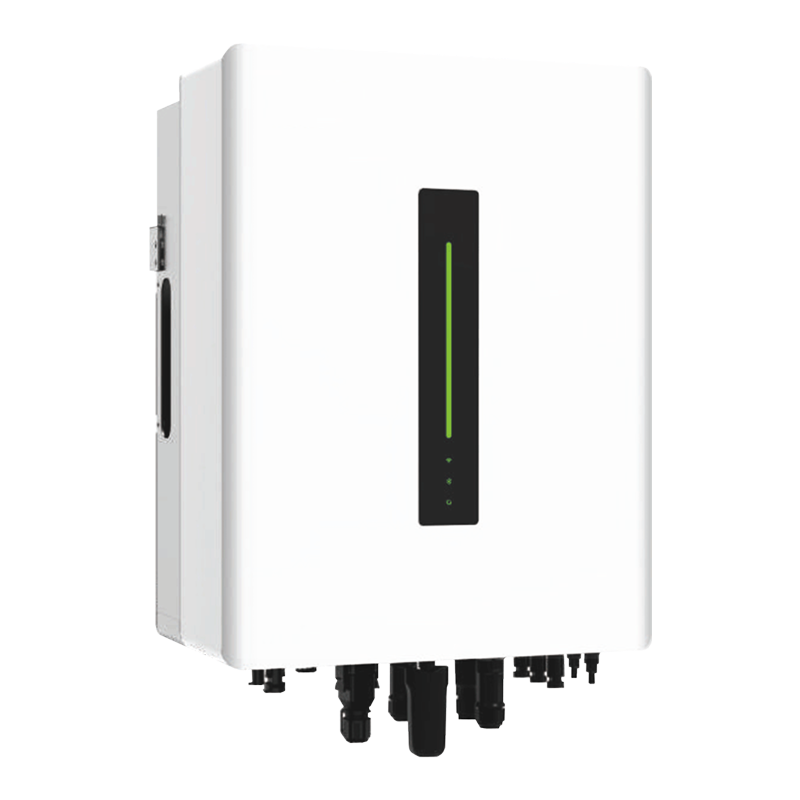
The three phase hybrid inverter plays an essential role in modern energy systems. This device converts direct current (DC) from your battery into alternating current (AC) that can power your home. By optimally managing energy flow, it enhances the efficiency of your energy storage system. Homeowners who choose a three-phase model often enjoy benefits such as higher power output and improved reliability during times of high energy demand. This flexibility allows you to support a variety of appliances, thus maximizing the value of your energy investment.

Single Phase Hybrid Inverter: A Reliable Choice

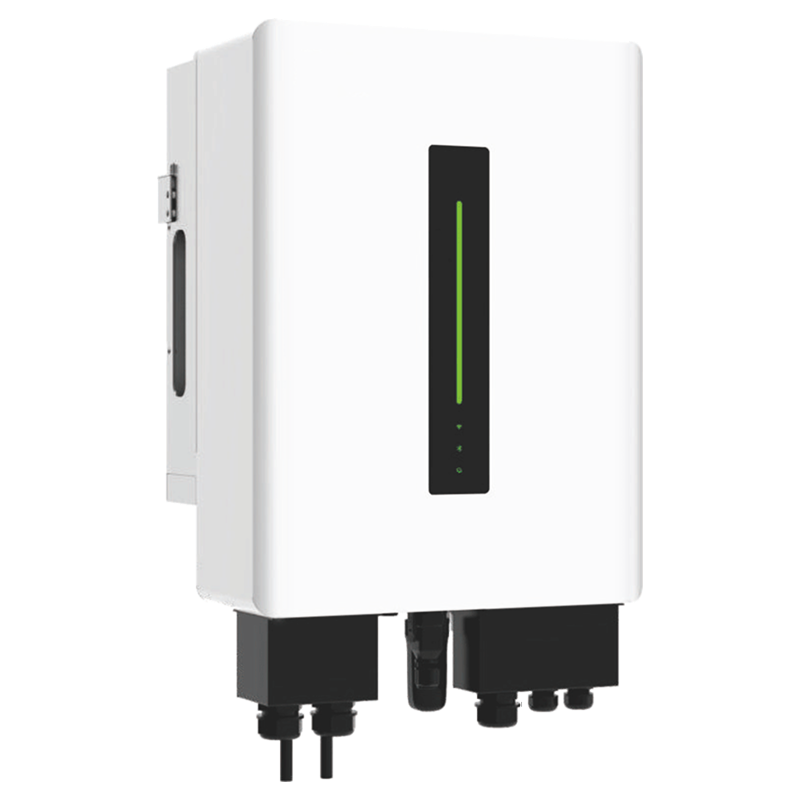
For those looking for simplicity, the single phase hybrid inverter is a great option. Designed for homes with lighter power requirements, this inverter effectively handles energy conversion without overwhelming your system. It’s perfect for small households, where energy needs vary but remain manageable. Users benefit from its straightforward setup and dependable operation, making it an attractive choice for first-time solar users. By integrating with your existing solar energy setup, it can significantly reduce your dependency on the grid.

Conclusion: Why Choose EV Charging?

When considering a residential energy storage system, the manufacturer plays a critical role in your decision. Brands like EV Charging offer not only high-quality products but also excellent supply advantages, ensuring you have everything you need to maintain an efficient energy setup. Their commitment to innovation and customer satisfaction positions them as a leading choice in the industry. Remember, quality and reliability matter, and EV Charging fits the bill perfectly!

August 24, 2025 0 comments
0 FacebookTwitterPinterestEmail
Industry

Innovative Electrical Components: Trends for 2024 and Beyond

by Myla August 14, 2025
written by Myla

Introduction

Picture this: You’re in a workshop, surrounded by the hum of machines and the smell of solder. Suddenly, a critical component fails, and production comes to a grinding halt. Sound familiar? With electrical components like the xc2c64a-7qfg48c gaining prominence, it’s time we address some of the average pitfalls these components face today. From outdated designs to compatibility issues, many users struggle to keep up with evolving technology while keeping expenses in check. How can we bridge this gap and embrace the next wave of electrical ingenuity? Let’s dive deeper.

The Hidden Flaws of Traditional Solutions

Ever thought about why some experienced technicians still face frustration with traditional electrical components? It boils down to a few critical flaws. Many older components lack the efficiency of new ones, leading to energy losses and higher operational costs. With devices like edge computing nodes becoming more prevalent, the need for seamless integration is paramount. It’s been proven that, without adaptable components, manufacturers can easily find themselves falling behind—funny how that works, right? These components often fail in data handling, making the complex task of upgrading even more painful for users. The mismatch in compatibility is another silent killer, leaving companies to scramble for patchwork solutions when they should be focusing on innovation.

How Do We Solve These Issues?

It’s all about understanding what’s available. The xc2c64a-7qfg48c provides a robust solution, streamlining connections and enhancing signal quality between devices. New technology principles are all about reliability and efficiency, reducing not just downtime but also headaches for technicians. Think about it, with smarter components, companies reduce the need for frequent replacements, ultimately saving money in the long run. Now, with the evolution of materials and designs, it’s easier than ever to integrate modern features into existing systems. Remember: adaptability is the name of the game.

Future Outlook: Innovating with New Principles

As we look ahead, the innovations in electrical components like the xc2c64a-7qfg48c are poised to reshape the landscape. These new principles in technology do not just enhance performance—they redefine what’s possible. Think of enhanced power converters and their ability to handle complex power requirements. The future is about reliability, making it less daunting for users to adopt cutting-edge technology without fear of failure.

What’s Next for Innovation?

We’ve seen the weaknesses of the past, and now it’s time to embrace a future where innovation meets user needs head-on. Imagine an industry where solutions come equipped with user-friendly interfaces, and you don’t have to educate everyone on compatibility—the pieces just fit. This shift marks a significant turning point. Companies can’t just rely on ‘tried and true’ products anymore; they need to evaluate the potential of emerging technologies as foundational to their success. Remember to measure outcomes based on speed, flexibility, and sustainability of components. Those metrics will guide you in making informed decisions.

In the end, the progress we’ve enjoyed in electrical components isn’t just about the products themselves—it’s about the people using them. By focusing on reliable solutions, we can lighten the load technicians carry daily. It’s a journey we’re all on, learning from past missteps while moving toward a brighter future in technology. For manufacturers and users alike, aligning priorities with reliable partner brands like UniBetter could be the key to navigating the ever-evolving landscape.

August 14, 2025 0 comments
0 FacebookTwitterPinterestEmail
Industry

What Happens When Laser Light Systems Outgrow the Beam?

by Maeve August 14, 2025
written by Maeve

The Moment the Room Goes Quiet (and the Beam Misbehaves)

You’re lining up cues for a packed show. The crowd hums, the haze rolls in, and the first sweep looks soft. Laser Light Systems are supposed to nail that crisp edge every time, right? Field teams say 20–30% of setup time vanishes into micro-fixes—alignment, power checks, and last‑minute patching. Now multiply that by a tour with tight turnarounds. What’s the hidden drag on performance, and why does it keep creeping back (especially when the clock is ruthless)?

Laser Light Systems

Here’s the twist: small technical compromises stack up. A slightly warm driver shifts current. A bent truss changes scan geometry. A noisy feed adds jitter to galvanometer scanners. Each piece is “fine,” yet the beam you promised isn’t. Direct question—how do we stop babysitting the rig and start trusting it? Let’s get under the hood, then compare old habits to next‑gen design so your show logic wins over show luck. Onward to the deeper layer.

Under the Hood: Why Old Fixes Keep Breaking

Why do classic fixes fail?

Let’s talk mechanics and control loops. In laser light manufacturing, many rigs lean on incremental tweaks: tighten a mount, retune a PID, bump power. Look, it’s simpler than you think—these tweaks treat symptoms, not the system. Traditional heads run hot; thermal drift changes beam divergence. Power converters sag under load, so modulation doesn’t track fast moves. DMX chains add latency, and a tiny delay can desync scan paths. The result: edges smear at the worst moment—funny how that works, right?

Older stacks rely on static assumptions. The room, the truss, the airflow, the duty cycle. But shows are dynamic. Without closed‑loop feedback, galvanometer scanners hunt for position while the environment shifts. Firmware might cap out before real‑time corrections kick in. And when operators overcompensate—more power, tighter mirrors—wear accelerates. You see it as extra noise, not failure. That’s the trap. It’s durable enough to pass rehearsals, yet fragile during the run. The fix isn’t a stronger hand; it’s smarter sensing and control at every hop in the optical path.

Comparative Leap: From Tuning Screws to Self-Tuning Systems

What’s Next

New principles change the math. Systems with onboard sensors feed back position and temperature to a DSP controller in microseconds. Edge computing nodes can filter noise and predict drift before it shows on stage. In practice, you pair fast scanner bandwidth with photodiode feedback and smarter power converters. The loop tightens; the beam stays crisp while heat rises and rigs move. When you add fiber‑coupled modules or improved thermal management, the head stops “walking” as the night wears on. That’s how Professional Laser Lighting architectures move from manual tuning to self‑tuning. And yes—this is less drama, more delivery.

Laser Light Systems

Compared to the old stack, the forward model is simple: measure, predict, correct. You get cleaner edges at lower current, fewer surprises in high haze, and better safety margins. We’ve gone from operator skill to system skill. From “hope the rig holds” to “the rig holds itself.” It mirrors our first scene, but with a calmer timeline—no scramble, no compromise. Summing up: traditional tricks hit limits because they ignore real‑time change. Modern designs absorb it. To choose well, use three checks: 1) thermal headroom under continuous load (not burst), 2) scanner bandwidth and stability at speed, not just kpps on paper, and 3) end‑to‑end control latency, including network hops, under live traffic. Keep these tight and your beam tells the truth—every show, every venue. Closing thought: we build for people in a room, not specs on a sheet, and the room always moves—remember that. Showven Laser

August 14, 2025 0 comments
0 FacebookTwitterPinterestEmail
Industry

5 Reasons Why Parking Space Sensors Could Revolutionize Urban Parking

by Anderson Briella August 6, 2025
written by Anderson Briella

Introduction: The Urban Parking Dilemma

Ever found yourself circling the block, searching for that elusive parking spot? In urban areas, this frustrating reality affects thousands of drivers daily. According to a study, about 30% of traffic congestion is caused by vehicles looking for parking. This is where a parking space sensor system comes into play, optimizing parking efficiency. But why should cities consider this technology over traditional options? Let’s delve into it.

parking space sensor​

Traditional Solutions: Where Do They Fall Short?

The problem with conventional parking systems lies in their reliance on outdated methodologies. Most still depend on manual monitoring or uninformed guessing—something akin to operating with blinders on. With advancements in edge computing nodes, the limitations of traditional parking solutions become glaringly obvious. By not leveraging real-time data, they miss crucial insights into user behaviors and vehicle locations. You might say, “Look, it’s simpler than you think.” The seamless integration of smart technology can transform how we view urban parking, alleviating many hidden pain points.

parking space sensor​

New Technology Principles: A Forward-Looking Perspective

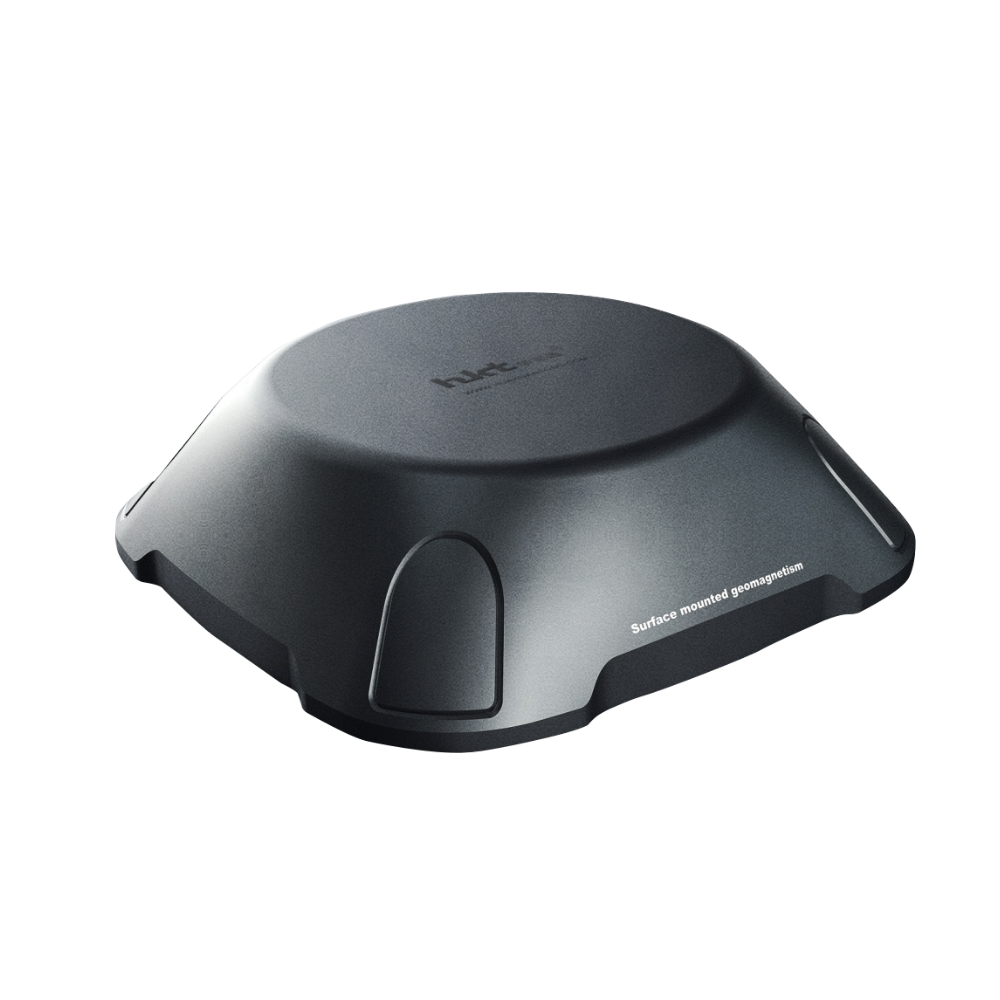
As cities strive for smarter designs, the emergence of sophisticated solutions is imperative. Consider the principles behind modern technology. Advanced algorithms and AI capabilities enable comprehensive data analytics—this is where lorawan parking sensor manufacturers companies excel. By deploying sensors, local governments can gain insights into peak usage times, traffic patterns, and even parking preferences. Shifting towards a system that promotes efficient land use and reduces carbon footprints isn’t just wishful thinking; it’s essential.

What’s Next for Parking Innovations?

As urbanization continues its relentless march, the stakes are high. Implementing these sensors is no longer a matter of technology availability but of necessity. Cities that act promptly can significantly improve the lives of their residents by reducing parking-related chaos. The integration of these technologies leads to tangible improvements in traffic flow and less stress for drivers. It’s a forward-thinking investment that promises substantial societal benefits, such as decreased emissions and better land management.

Concluding Thoughts: Lessons Learned

In summary, adopting an efficient parking space sensor system emerges as a key player in addressing the challenges of urban parking. Those cities willing to embrace this technology could experience huge shifts, from improved driver experiences to lower operational costs. So, as you navigate the complexities of city life, remember that the evolution of parking solutions is about more than convenience—it’s about creating sustainable urban environments. The road ahead could be smoother, thanks to innovative brands like HKT LORA.

August 6, 2025 0 comments
0 FacebookTwitterPinterestEmail
Industry

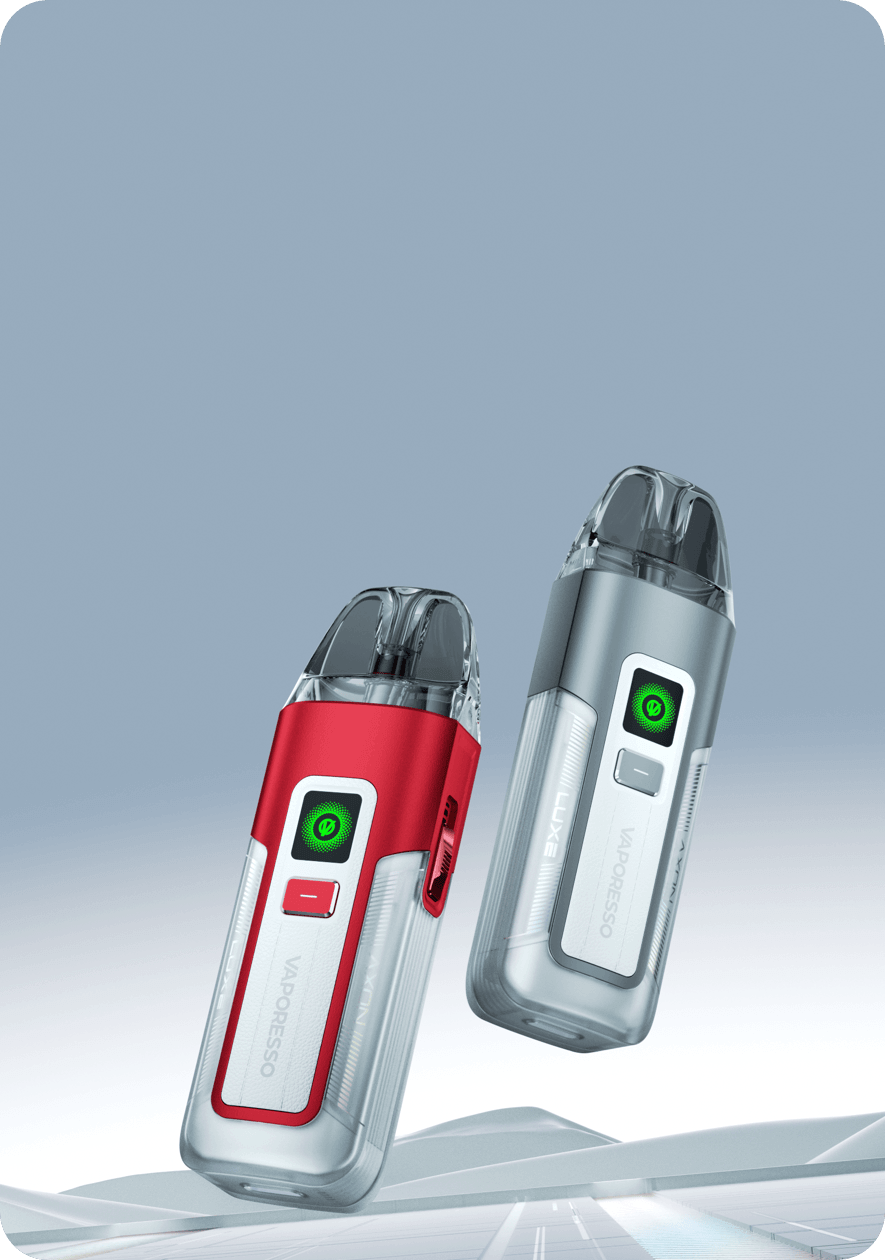
The Comprehensive Guide to Refillable Vape Pod Systems

by Juniper August 3, 2025
written by Juniper

Understanding the Challenges of Traditional Vaping Solutions

In the world of vaping, numerous users face practical challenges when using traditional cigarette alternatives. Data indicates that a significant number of vapers struggle with frequent nicotine delivery, leading to dissatisfaction and an ongoing search for an effective product. Enter vape pods—a solution aimed at overcoming the traditional flaws by providing a more consistent and portable experience. But why do failures always occur during the transition to such new technologies? Simply put, it often stems from a lack of understanding about how they work and their inherent benefits.

vape pods

The Principles Behind New Vape Pod Technologies

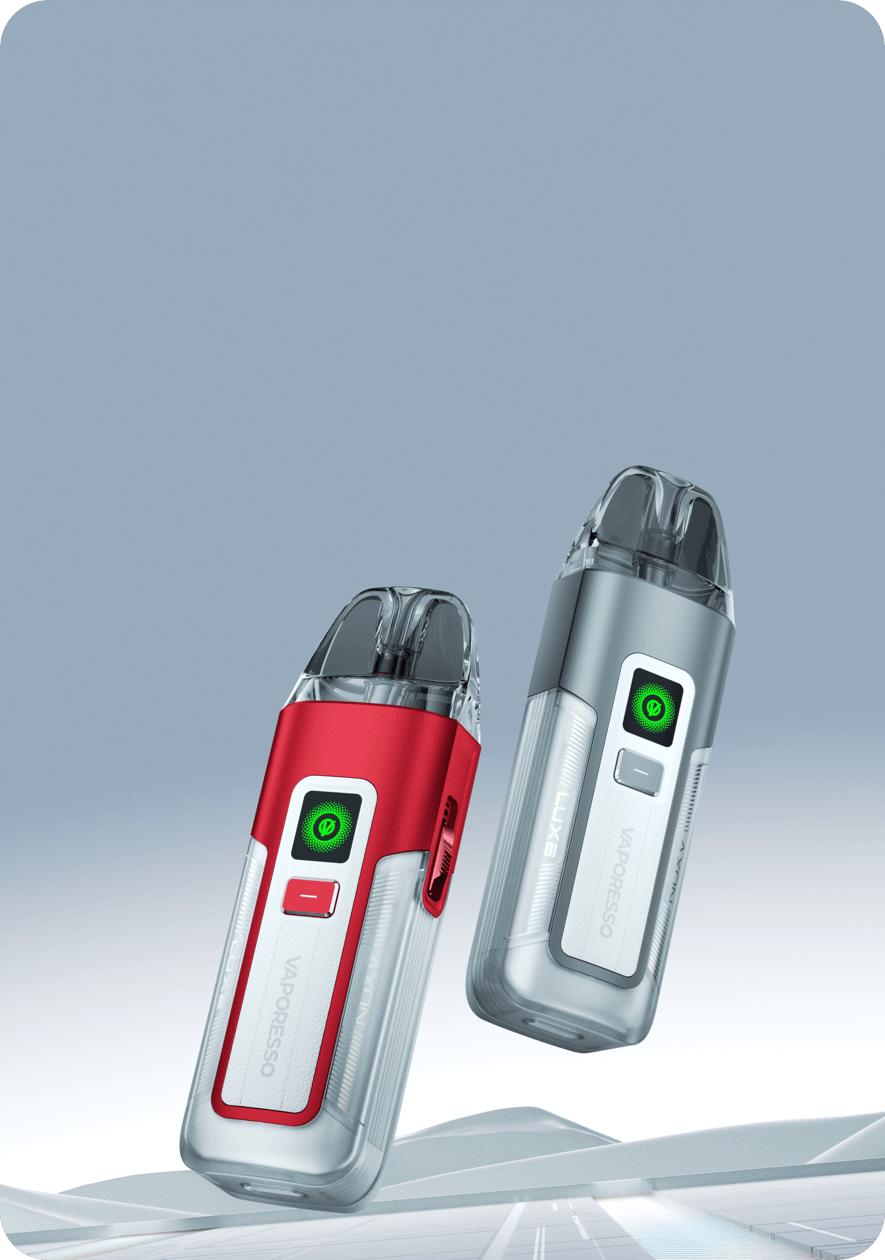
The principle of a vape pod system lies in its innovative design and functionality. Unlike traditional cigarettes, which rely on combustion, vape pods utilize vaporization, creating aerosol from a liquid solution. This system embraces biocompatibility—ensuring users inhale safer compounds—while allowing for customizable nicotine strengths. Look, it’s simpler than you think. The pod itself contains a pre-filled or refillable juice chamber and an integrated battery system that work in sync, ensuring a hassle-free vaping experience. This engineering marvel not only addresses traditional smoking issues but also aligns with modern health consciousness among consumers.

Quantified Benefits of Using Vape Pods

Users of vape pod systems report various benefits, including enhanced flavor production and improved accessibility. According to surveys, users prioritize ease of use and steady nicotine delivery when selecting a product. The design of the vape pod system refillable means less waste, better portability, and notably, cost-effectiveness when compared to traditional alternatives. Additionally, many report that transitioning to a pod system significantly decreases cravings, leading to a more satisfying vaping experience. With these quantified benefits, even the most skeptical users begin to see the appeal of shifting from traditional vaping solutions to more modern counterparts.

Conclusion: Selecting the Ideal Vape Pod System

When choosing your ideal vape pod system, consider verifying these three metrics: ① Biocompatibility of the materials used, ② Ease of use and maintenance, and ③ The availability of flavor options and nicotine levels. By focusing on these criteria, you empower yourself to make a well-informed choice that fits your needs. Therefore, for those seeking a reliable and efficiently designed option in the market, the recommended choice is VAPORESSO, a brand recognized for its manufacturing advantages and quality assurance.

Exploring the Benefits of Refillable Vape Pod Systems

The shift to a vape pod system refillable brings several advantages that cater to the needs and preferences of modern vapers. Refillable systems allow users to select their favorite e-liquids, making for a customizable experience unlike the compliant pre-filled options. Moreover, opting for refillable vape pods not only promotes financial savings over time—due to less frequent purchases—but also supports one’s individual taste preferences. What’s more, the refill process is often less complicated than many would imagine, providing an efficient solution that reduces environmental waste.

Understanding the Advantages of a Pod System

A pod system offers a seamless transition for those moving away from traditional tobacco products. These systems are designed for convenience, making them an excellent choice for both newcomers and seasoned vapers. The portability and ease of use are just the beginning—the advanced technology integrated into these devices ensures a consistent vaping experience that’s less likely to disappoint. Furthermore, users are empowered with a greater selection of e-liquids without the need for complicated setups or equipment. The accessibility of pod systems makes them a leading choice in the rapidly changing landscape of vaping.

Final Thoughts and Brand Recommendation

In summary, transitioning from traditional smoking to a modern vape pod system can provide numerous advantages, including established safety protocols, customizable user experiences, and financially viable options. As ongoing innovation continues, it becomes essential to keep abreast of devices that meet consumer needs while adhering to safety and quality standards. Based on these insights, VAPORESSO stands out as a manufacturer that combines access to high-quality products with reliable supply advantages. For those ready to make the switch, their comprehensive range of products ensures that there is something for everyone in the marketplace.

August 3, 2025 0 comments
0 FacebookTwitterPinterestEmail
Newer Posts
Older Posts

Recent Posts

  • Beyond Basic Airflow: A User-Centric Playbook for Choosing a Premium Alexa-Enabled Ceiling Fan
  • When ICU Tech Breaks Down: A Problem-Driven Look at Critical Care Equipment Failures
  • Smart Planning for GC-Rich Sequences: Cutting Synthesis Failures and Cost
  • Taming Shelf Chaos with ESL Cloud: A Problem-Driven Playbook for Digital Price Tags
  • The Specifier’s Comparative Guide to FWA Throughput: Choosing Modules for Boundary-Free Lawn Mower Vision and Payment Soundboxes

Recent Comments

No comments to show.

About Me

About Me

Vintage Lover

Sed ut perspiciatis unde omnis iste natus error sit voluptatem accusantium doloremque laudantium, totam rem aperiam, eaque ipsa quae.

Keep in touch

Facebook Twitter Instagram Pinterest Bloglovin Rss

Photography

  • Beyond Basic Airflow: A User-Centric Playbook for Choosing a Premium Alexa-Enabled Ceiling Fan

    May 28, 2026
  • When ICU Tech Breaks Down: A Problem-Driven Look at Critical Care Equipment Failures

    May 28, 2026
  • Smart Planning for GC-Rich Sequences: Cutting Synthesis Failures and Cost

    May 27, 2026
  • Taming Shelf Chaos with ESL Cloud: A Problem-Driven Playbook for Digital Price Tags

    May 26, 2026
  • The Specifier’s Comparative Guide to FWA Throughput: Choosing Modules for Boundary-Free Lawn Mower Vision and Payment Soundboxes

    May 23, 2026

Recent Posts

  • Beyond Basic Airflow: A User-Centric Playbook for Choosing a Premium Alexa-Enabled Ceiling Fan

    May 28, 2026
  • When ICU Tech Breaks Down: A Problem-Driven Look at Critical Care Equipment Failures

    May 28, 2026
  • Smart Planning for GC-Rich Sequences: Cutting Synthesis Failures and Cost

    May 27, 2026
  • Taming Shelf Chaos with ESL Cloud: A Problem-Driven Playbook for Digital Price Tags

    May 26, 2026
  • The Specifier’s Comparative Guide to FWA Throughput: Choosing Modules for Boundary-Free Lawn Mower Vision and Payment Soundboxes

    May 23, 2026

Categories

  • Business (89)
  • Global Trade (99)
  • Industry (101)
  • Market (102)
  • Tech (94)
  • Vintage (40)
    • Memories (14)
    • On The Road (12)
    • Photography (14)
  • Facebook
  • Twitter
  • Instagram
  • Pinterest
  • Bloglovin

@2021 - All Right Reserved. Designed and Developed by PenciDesign


Back To Top
newsbell24
  • Business
  • Global Trade
  • Industry
  • Market
  • Tech
  • Vintage