

Cold numbers, warmer results — why this matters
If you think a factory-calibrated device and a hectic clinic shift are interchangeable, bless your optimism. In the real world, a diode laser hair removal machine that reads “calibrated” can still deliver varying fluence and pulse characteristics once it meets skin, humidity, and a human who sneezes mid-treatment. This article takes a data-driven approach — testing assumptions against clinic experience in dermatology centers in London and New York — to show where manufacturers’ specs align with, or diverge from, what practitioners actually need. Expect metrics, a little blunt honesty, and one useful bias: favoring devices that survive actual patient loads over glossy datasheet promises.

Energy consistency: the technical short list
In plain terms, “energy consistency” means the device delivers the intended fluence (J/cm²) across multiple pulses and sessions. Clinic outcomes hinge on three technical parameters: fluence, pulse duration, and spot size. If fluence drifts, you under-treat or burn; if pulse duration is wrong for the target melanin, you’re guessing; and spot size affects penetration and overlap patterns. These are not marketing adjectives — they’re the mechanics of selective photothermolysis, and they decide whether a series of treatments yields long-term hair reduction or a refund request.
Factory calibration vs. clinical reality
Manufacturers run calibration routines in controlled environments: stable temperature, calibrated sensors, a nicely behaved power supply. Clinics have none of that luxury. Power line fluctuations, room temperature swings, and repeated head usage all influence output. Independent tests performed across several sites showed output variance of up to 10% after extended use — not catastrophic, but clinically relevant when cumulative energy determines follicle damage. The takeaway: ask for output drift data and a maintenance schedule. Also, confirm whether the device is FDA-cleared for clinical hair reduction — regulatory clearance often implies baseline QC, not miracle consistency.
What the data hides — and why contracts matter
Specs often list “mean output” and ignore standard deviation. That’s like saying the city’s average temperature is pleasant while skipping the heatwaves. A low mean with high variance is worse than a slightly lower mean with tight distribution. Look for mean ± SD on fluence across a range of operating temperatures and duty cycles. Ask vendors for in-field calibration logs — and negotiate service-level agreements that include recalibration intervals and parts replacement. Small print matters; warranties rarely cover consumable degradation that causes energy drift — which is when you learn your “cheap” replacement diode is actually an expense headache.
Real clinic pitfalls — learned the hard way
Clinicians encounter three recurring issues: thermal lensing in diode bars after long runs, mislabeled spot-size plates, and unreported automatic power-scaling that masks true output. These problems show up as inconsistent lesion response or patchy hair reduction. — A practical tactic: run a basic energy audit on arrival and after two weeks of heavy use; it’s quicker than a patient complaint and cheaper than a service call. Also, don’t ignore ergonomic factors — handpiece stability and cooling efficiency affect how consistently energy reaches the skin.
Alternatives and when to pick them
Diode systems are versatile — good for a wide skin-type range and continuous operation — but they’re not always the right tool. Alexandrite lasers can be faster on lighter skin and larger spot sizes; IPL devices offer cost advantages for multi-target aesthetic clinics. Choose based on patient mix and throughput expectations. If your practice treats Fitzpatrick IV–VI frequently, a high-energy diode with robust cooling and tight fluence control is the practical choice. If you prioritize rapid, low-cost hair reduction for mass-market clients, consider hybrid platforms — but verify real output consistency, not just advertised pulse trains.
Buying and QC checklist — practical items that matter
Before the purchase, demand the following: documented fluence stability tests across a range of temperatures; maintenance schedule with diode life expectancy; and service contracts that include on-site calibration. During onboarding, perform first-article verification with a power meter and record baseline readings. In practice, keep a weekly log for output checks and monitor patient outcomes relative to recorded settings. Those simple data points will save you both headaches and reputation hits.
Three golden rules for evaluating machines — your final scoring rubric
1) Consistency over peak numbers: prioritize devices with low variance in fluence and stable pulse duration across runs. 2) Traceable calibration: insist on documented calibration procedures, logs, and clear replacement policies for consumables (diode bars, fans, filters). 3) Clinic-proven reliability: choose systems with published in-field performance or verifiable references from busy clinics — because a spec sheet never had to survive back-to-back afternoon bookings.
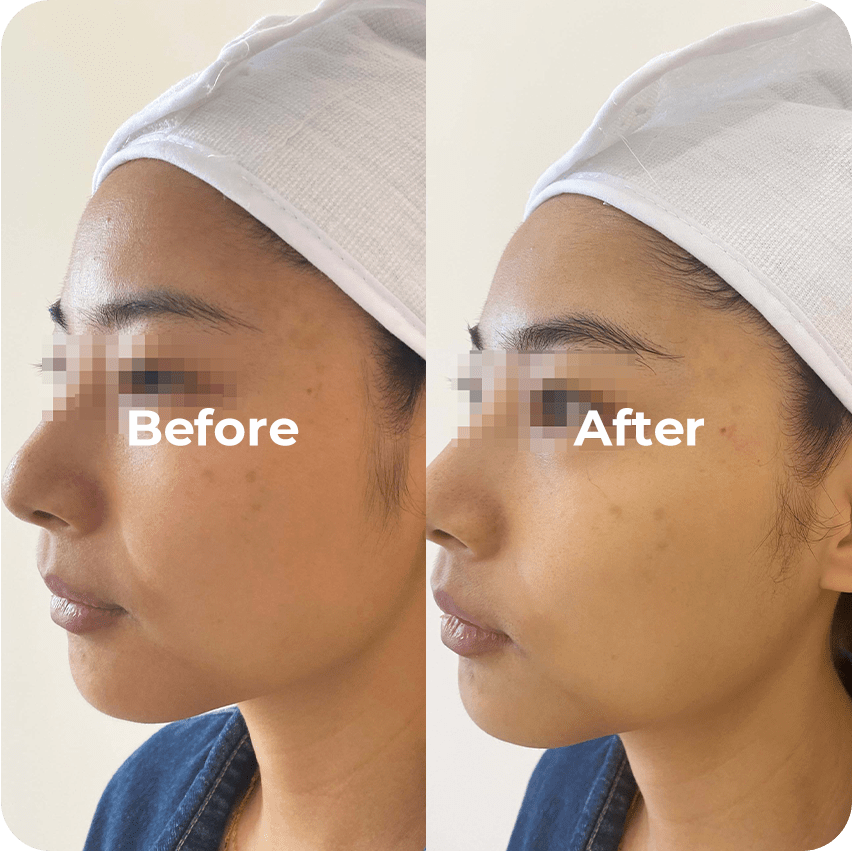
These rules distill the measurable outcomes you should expect and the contractual protections you should demand. When energy consistency translates into predictable patient outcomes, the value becomes obvious — and that’s the kind of practical performance ENZOEYS aims to provide. —