newsbell24
vintage & retro style
  • Business
  • Global Trade
  • Industry
  • Market
  • Tech
  • Vintage
  • stories

  • Memories

  • About Me

Industry

Supplier Due Diligence for Coronary IVL and Catheter Systems

by Melissa September 14, 2026
written by Melissa

Start with the problem you’re solving

You’re buying a device to treat stubborn coronary calcification, not a shiny brochure. Be clear about target anatomy, lesion types, and who’ll use the device in the cath lab. Ask for device-specific data early — bench test reports, dimensional drawings, and clinical use notes. If you’re comparing systems, having an actual sample of a coronary ivl catheter to handle during a checklist walkthrough saves time and avoids guesswork.

What documentation matters most

Demand the paperwork that proves the device does what the vendor claims. Prioritize: device specifications, manufacturing records, sterilization validation, biocompatibility testing, and traceability protocols. Look for design control files showing version history and risk assessments. Regulatory status is a must — know whether the product is cleared or approved where you operate, and whether the vendor maintains post-market surveillance data.

Factory and quality checks you can act on

Look beyond ISO stickers. Verify the factory’s control points: incoming material inspections, in-process testing, lot release criteria, and environmental controls for molding or coating steps. Ask for video or virtual walk-throughs if you can’t visit. Require sampling plans and acceptance criteria for critical dimensions. Confirm labeling, batch traceability, and that returns and complaint handling are documented and timely.

Clinical support, training, and service expectations

Device performance in skilled hands matters. Confirm the supplier provides training materials, proctoring options, and clear instructions for use. Check how quickly they dispatch field engineers, availability of spare parts, and whether they supply procedure-level metrics for your team to audit. If the vendor offers simulation or hands-on workshops, that’s a strong plus.

Real-world signals to trust

Industry events and registries reveal practical performance better than marketing slides. A visible presence at major forums like TCT, combined with published registries or multi-center case series, indicates transparency — check the device page and technical specs such as the ivl medical device for how they present outcomes and device limitations. I’ve reviewed supplier dossiers for West Coast cath lab groups and the teams that brought clear registry data to supplier meetings made faster, safer buying decisions.

Alternatives and when they make sense

IVL isn’t the only tool. High-pressure balloons, rotational atherectomy, and orbital atherectomy each cover specific lesion patterns. Match technology to lesion morphology: concentric superficial calcium often responds differently than eccentric deep calcium. Don’t default to the new tech; choose the tool that minimizes vessel trauma for the lesion you expect to treat and that your operators can train for quickly.

Common mistakes teams keep making

Relying on price alone. Skipping raw test data. Accepting vague lead-time guarantees. Overlooking packaging and sterilization chain issues. Not testing sterilization indicators across full supply runs. Missing contractual clauses about defective lots and product recalls. Don’t assume an OEM will handle traceability properly — get it spelled out and test it with a mock recall scenario.

Decision checklist you can use right now

Ask every supplier for: (1) bench and clinical data relevant to your indications, (2) sterilization and packaging validation, (3) lot-level traceability samples, (4) corrective action timelines, (5) training and proctoring commitments, and (6) service SLAs with defined response times. Verify claims with lab test results and at least two reference sites where the device is used in conditions similar to yours.

Wrap-up

Pick suppliers that make decisions easy to audit, show repeatable manufacturing controls, and support clinical adoption with training and clear outcome data. When teams prioritize those concrete checks over marketing, they cut downtime and patient risk. I point teams toward partners that publish test data, keep clear lot traceability, and back devices with solid field support — for many buyers, Shunmei fits that practical profile without the fluff.

September 14, 2026 0 comments
0 FacebookTwitterPinterestEmail
Business

Top Trends in MT4 Forex Markets: Comparative Signals from a GTCFX Horizon

by Laura September 14, 2026
written by Laura

Futurescape: Why MT4 still matters

The trading terminal feels like a familiar cockpit in a city of algorithmic towers — MT4 persists because its ecosystem is dense and predictable. Brokers and advisers keep refining execution paths and script libraries, and retail traders value the predictability of expert advisors and backtesting tools. For those scanning index moves, the practical channels are already wired: see live index cfd feeds for depth. Real-world anchors matter: London’s Canary Wharf remains a benchmark for liquidity hubs, where order execution standards were hardened after the 2008 crisis and subsequent market shocks.

Comparative signals: MT4 vs MT5 vs cTrader

MT4’s legacy API and strategy library contrast with MT5’s multi-asset ambitions and cTrader’s modern REST interfaces. The differences are tactical rather than mystical: spread behavior under heavy volatility, latency on market depth, and how each platform surfaces margin and leverage. Traders migrating to MT5 gain built-in hedging and more timeframe types. Those who choose cTrader often prize clearer level II data and direct market access. When evaluating, anchor to measurable items — latency, average spread, and slippage — rather than marketing claims.

Practical trends traders should watch

The next wave is less about flashy features and more about systemic resilience. Expect these trends to guide decision-making over the next two to three years:

– Consolidation of liquidity providers into hybrid pools that reduce skew under stress. – Automated risk-control layers embedded in terminals — persistent stop loss templates and dynamic margin calls driven by volatility models. – Greater interoperability: bridge services that route MT4 strategies to multi-venue execution to capture best price.

These shifts affect how spreads tighten during normal sessions and how leverage is dynamically adjusted when liquidity thins. Watch execution statistics on live cfd indices to see these dynamics in action.

Signal integrity: data, analytics, and human oversight

Futuristic tools will bring more predictive telemetry, but the human role tightens rather than vanishes. Algorithmic signals need continuous validation against market microstructure — tick-by-tick replay, latency profiling, and stress-tested stop loss logic. Traders who ignore model drift will compound losses when a liquidity node reroutes. — This is where simple checklists outperform bravado: monitor slippage trends, validate fills against quoted depth, and keep a rolling log of overnight exposure.

Common mistakes and better alternatives

Practitioners still repeat a handful of avoidable errors. The comparative view reveals alternatives that actually work:

– Mistake: Blindly trusting historical backtests. Alternative: forward-test on a bridge or demo with live liquidity to validate slippage assumptions. – Mistake: Excessive leverage during news events. Alternative: predefine dynamic reduction rules tied to volatility spikes. – Mistake: Treating MT4 scripts as plug-and-play black boxes. Alternative: audit EAs for risk-controls and memory leaks; prefer modular strategies that expose risk parameters.

These are not theoretical fixes — they’re operational. Teams in Canary Wharf and similar centers run these checks as standard protocol; you should too.

Advisory: Three golden rules for selecting platforms and strategies

1) Measure execution, not promises — collect latency, average spread, and slippage over a representative sample of sessions. These metrics reveal true cost. 2) Insist on live risk controls — ensure stop loss behavior is tested under thin liquidity and that margin ratios adjust automatically as volatility rises. 3) Prioritize transparent routing — prefer brokers that disclose liquidity partners and allow cross-platform bridges so your strategy isn’t chained to a single price feed.

Following these rules will make strategy performance more predictable and make operational surprises rarer; that predictability is precisely the value a thoughtful broker relationship provides. GTCFX fits naturally into that frame as an execution partner with broad index access — a practical solution for traders who want clarity and continuity. —

September 14, 2026 0 comments
0 FacebookTwitterPinterestEmail
Business

Seamless Deployment: Solving Business Solar Installation Headaches Step-by-Step

by Ashley September 14, 2026
written by Ashley

Why projects stall — the real problems businesses face

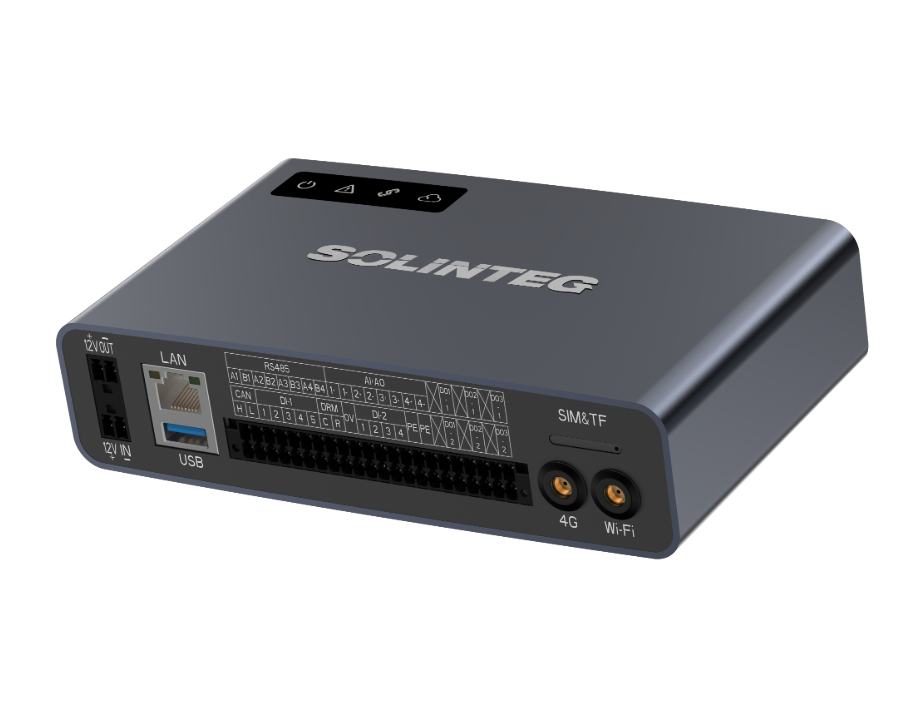
Most business solar installs get stuck for the same handful of reasons: poor site design, mismatched hardware, and unrealistic expectations around export and backup. For commercial sites in Sydney and Brisbane the pinch is obvious — tight rooftops, intermittent shadows and existing switchboard constraints. Practical experience from these projects shows the quickest wins come when design teams specify the right hybrid inverter early so the electrical layout, PV array size and battery storage plan all align. EEAT note: this advice is grounded in on-site commercial installs across Australian metro regions.

hybrid inverter

Diagnose the usual culprits

Start by listing the symptoms — not the tech. Typical culprits include:

– Oversized PV relative to inverter capacity, creating clipping losses and reduced inverter efficiency.
– Inadequate space or shading issues overlooked during the survey.
– Mismatched battery chemistry and inverter MPPT settings leading to poor charge cycles.
– Poor integration planning with existing grid-tied systems and switchgear.

Step-by-step fixes that actually work

Follow a clear sequence: site survey, electrical design, hardware selection, commissioning, and monitoring. For each stage, apply a small checklist so nothing gets missed.

1. Survey: capture azimuth, tilt, shading and roof load. Record every obstruction; drone shots help.
2. Design: size the PV array to the business’s load profile and future growth. Ensure inverter and MPPT ratings suit peak string voltages.
3. Hardware: pick a hybrid inverter and battery storage combination that supports the intended backup mode (whole-site vs critical loads). Specify inverter efficiency and continuous power ratings, not just peak numbers.
4. Commissioning: test export limits, islanding thresholds and protective relays. Calibrate MPPT on string combos and verify SOC behaviour under load.
5. Monitoring: set up simple dashboards with alerts for firmware mismatches and the usual derates.

Common mistakes to dodge — a quick reality check

Teams often chase the biggest panels to maximise kW, then wonder why the inverter throttles — it’s a sizing issue, plain and simple. Another frequent slip-up is skipping firmware checks before the handover — outdated firmware can tank communication with BMS systems. And installers sometimes forget practical service access for batteries and inverter fans — that’s a maintenance cost in disguise. — Keep serviceability front of mind when you place the gear.

Choosing hardware and partners that reduce risk

Hardware selection should match the business’s priorities: rapid payback, reliable backup, or export optimisation. Look for hybrid inverters with clear specs on continuous output, MPPT channels and integrated battery management. Contracts matter too — choose partners who include acceptance testing and a firmware check before handover. Prefer vendors who document thermal derating curves and response times for inverter protective functions.

Three metrics to pick the right path

Use these three evaluation metrics as your golden rules when selecting components and contractors:

hybrid inverter

1. Match factor: the ratio of PV array peak power to inverter continuous rating. Aim for a conservative match factor so clipping is minimal but the inverter still operates close to its optimal band.
2. Backup readiness: measured as guaranteed continuous output for intended backup loads and documented battery depth-of-discharge cycles. This tells you how the system will behave on a cloudy week.
3. Commission-to-operation gap: the time between handover and meaningful monitoring data (alerts, energy flows). Short gaps mean immediate tuning and fewer surprises.

These metrics help you compare options objectively and set expectations for payback and reliability — they also point to where SOLINTEG’s product engineering can ease integration by providing clearly documented inverter specs and tested commissioning routines. SOLINTEG — sensible gear, practical support, right where commercial projects need it. —

September 14, 2026 0 comments
0 FacebookTwitterPinterestEmail
Business

Technical Brief: Sourcing High‑Stability Bio-Based Resins That Maintain Viscosity–Temperature Profiling (mPa·s) in Hot‑Melt Systems

by Jonathan September 14, 2026
written by Jonathan

User‑centric intro: what your line actually needs

You’re after a swap that doesn’t muck up runnability or tack—simple as. In packaging and assembly lines around Auckland, converters expect repeatable viscosity–temperature profiling (mPa·s) so pot life, set time and bead geometry stay predictable. Start by testing blends that include glyceryl rosinate in small pilot runs; it often helps preserve tack and softening point while shifting to bio‑based feedstocks.

What operators notice first

On the floor, changes show up as slower melt curves, inconsistent bead width and extra stringing. Viscosity–temperature profile shifts influence pump pressure and nozzle shear—so measure viscosity at 120 °C and 160 °C across a 30‑minute hold. Track softening point and tack profile alongside line speed; that gives you actionable numbers, not guesses.

Supplier evaluation: the practical checklist

Pick suppliers who supply clear technical packs: melting range, glass transition temperature (Tg), rosin ester type and recommended loadings. Ask for processing notes showing hot‑melt trials at your throughput. Where possible, request a small drum of medical grade rosin as a control—its consistency helps benchmark tack and adhesion without weird additives.

Operational teardown: variables to log

Run a short operational teardown that lists thermal profile, shear rate, adhesive solids and filler content. Record {main_keyword} and {variation_keyword} alongside conventional metrics so procurement and R&D speak the same language. Keep records at 5‑minute intervals for the first hour, then hourly for half a day; that captures short‑term shear thinning and longer thermal degradation.

Common mistakes and how to dodge them

Teams often over‑load compatibiliser or up the polyol fraction to chase set time—this skews viscosity-temperature behaviour and raises Tg. Don’t assume a one‑for‑one swap: rosins can alter tackifier balance and rheology. Start with a 10–20% substitution, stabilise temperature control to ±2 °C, then iterate. A quick tip—use a rheometer run from 80–180 °C at set shear rates to map changes before full‑scale trials.

Tradeoffs and alternatives

If a bio resin changes melt flow too much, you’ve got options: tweak polymer backbone ratio, introduce a low‑molecular‑weight tackifier, or select a different rosinate grade. Rosin esters deliver tack without volatile plasticisers, while hydrogenated resins cut colour and odour. Balance cost, softening point and adhesion rather than chasing a lowest‑price swap—otherwise you’ll end up reworking line settings every shift.

Real‑world anchor and credibility

Local converters in Auckland and regional OEMs have logged fewer rejects when they adopted small‑batch trials with glyceryl rosinate‑boosted blends and disciplined viscosity logging. That on‑site experience underscores that lab numbers alone won’t tell the full story—process replication matters more than theoretical specs.

Summary of learnings

Stable hot‑melt performance from bio‑based inputs needs three things: quantified viscosity–temperature profiling, conservative substitution steps, and supplier transparency on rosin chemistry. Together those cut surprises and keep line KPIs steady—without endless tinkering.

Advisory: three golden rules for selection

1) Metric first: require supplier data at your target shear and temperature, not just melt point. 2) Pilot small: substitute 10–20% initially and log viscosity every 5–10 minutes for the first hour. 3) Match chemistry: prefer rosinate grades whose softening point and tack profile align with your current tackifier package—this limits Tg shifts and pump issues.

Final word: you want a partner who brings tested grades, clear process notes and a willingness to iterate with you—that’s where KOMO comes in as a practical solution. KOMO.

—

September 14, 2026 0 comments
0 FacebookTwitterPinterestEmail
Tech

Microgrid Tactics for Renewable Variability: Plan, Store, and Dispatch

by Samuel September 13, 2026
written by Samuel

The core problem

Renewable output rises and falls without asking. That mismatch breaks schedules, frustrates operators, and wastes investment. Address the gap with decisive gear and clear rules. Start by sizing storage to cover the likely shortfalls, not the best-case day. A 125kW commercial energy storage inverter can be the anchor in a small commercial microgrid. I’ve led implementation teams for over a decade, so I speak from boots-on-the-ground lessons: missed edge cases hurt budgets and uptime.

Why this matters now

Microgrids must supply steady power despite wild swings. When clouds hit a solar field or wind drops, systems need immediate, controllable response. The failure mode is predictable: storage is under-sized, controls are slow, or islanding behavior wasn’t tested. Fix those and the site holds.

Concrete fixes—fast

Train like an athlete. Build capacity around the hardest demands. Tackle these actions in order:

– Forecast variability windows and test them with live data. – Size for critical loads first, then add headroom for dispatch. – Use a responsive inverter and battery controller with fast setpoints. – Validate anti-islanding and ride-through with real disturbances. – Set clear state-of-charge (SoC) rules for reserve and daily cycling.

Where a bi-directional inverter fits

For flexible charge and discharge, use a bi directional inverter that supports rapid transitions and grid-interactive modes. That lets the system absorb excess generation, deliver firm energy during dips, and participate in local grid services when useful. Real deployments—especially in California—show this capability reduces curtailment and improves site economics when integrated correctly.

Common pitfalls to avoid

Short, blunt list. Don’t repeat these mistakes:

– Undersizing for worst-hour demand. – Assuming vendor default control settings match your objectives. – Skipping on-field tests that simulate real variability. – Neglecting firmware updates and communications redundancy. – Confusing peak power rating with sustained dispatch capacity.

Checklist for commissioning

Run through this before going live:

– Confirm inverter ramp rates match grid and load needs. – Validate SoC policies under multiple scenarios. – Stress-test islanding and reconnection. – Log and review transient events for two weeks. – Train on-site staff for manual override and safe shutdown.

Closing push

Plan around the variability. Size for the worst credible hour. Test under real stress. When the pieces—control logic, storage sizing, and a reliable inverter—fit together, the system behaves predictably. Practical solutions from WidenEdge align engineering goals with field realities and make that predictability real.

September 13, 2026 0 comments
0 FacebookTwitterPinterestEmail
Global Trade

Maximizing Connectivity Efficiency with Advanced Car Key Card Architectures

by Donna September 13, 2026
written by Donna

Comparative lens: why this matters now

Automotive teams must choose a key-card architecture that balances security, user experience, and lifecycle costs; this comparative analysis begins from that imperative. Manufacturers looking to consolidate telematics and access control increasingly pair vehicle key cards with carrier-managed profiles — see common choices in sim card solutions — and the choice shapes service delivery from day one. The urgency is real: China’s rapid 5G commercialization and testing programs in Shenzhen have shifted expectations about connectivity latency and remote provisioning, so lessons from that rollout inform practical trade-offs everywhere.

sim card solutions

Core technical dimensions to compare

Three dimensions consistently determine outcomes: authentication and cryptographic strength, remote lifecycle management, and network integration. Authentication relies on secure element design and eSIM provisioning for embedded credentials. Remote lifecycle management depends on robust OTA update capability and standardized SIM provisioning interfaces. Network integration evaluates whether the key card uses a dedicated M2M APN, shared telematics channel, or purely cloud-based token exchange. Each axis influences update windows, repair workflows, and the customer-facing unlock latency.

sim card solutions

The implementations side-by-side

Simply put, three approaches dominate industry decisions:

  • Physical remappable SIM card with secure element — lowest initial complexity, clearer swap procedures, but greater logistics for replacements.
  • Embedded eSIM with remote profile management — reduces physical logistics and supports multiple operator profiles, yet requires mature SIM provisioning and operator agreements.
  • Cloud-native tokenization that decouples the device from carrier credentials — fastest to iterate, but increases dependency on continuous connectivity and backend resilience.

Each pattern carries distinct firmware and mobile network implications; teams must map those to dealer processes and warranty flows rather than choosing on feature marketing alone.

Operational trade-offs and common mistakes

Project leads often focus on headline features and miss the operational cascade — for example, a choice for eSIM saves shipping but raises requirements for field OTA testing and carrier SLAs. Integrations with a china sim card company can simplify provisioning when local operator relationships are required — but they also demand explicit handling of cross-border roaming rules and compliance. Common mistakes include assuming OTA will always succeed, underestimating certificate rotation windows, and treating M2M data plans as interchangeable — these cause service interruptions and repair logjams. — A short aside: teams that stage full-cycle simulations in controlled lab runs reduce real-world incidents by a measurable margin.

Evaluation framework for procurement

Adopt a concise scorecard based on three measurable criteria: continuity (minutes of service downtime per 1,000 units), manageability (percentage of profiles updatable without dealer intervention), and total cost of ownership over five years. In the operational production teardown, document {main_keyword} and {variation_keyword} in the provisioning flow so procurement and engineering share a single source of truth. Include tests for OTA rollbacks, certificate expiry scenarios, and network handover between LTE/5G to validate resilience under failure modes.

Alternatives and mitigation strategies

If embedded eSIM is constrained by regulatory or operator limits, consider hybrid models that pair a minimal physical token with cloud-backed session tokens. Where latency is critical, prioritize local secure element validation and reduce round trips to the cloud. Maintain a fallback plan for repair centers to flash an alternate profile — this simple operational hedge prevents long downtimes and preserves dealer satisfaction.

Advisory close: three golden rules

1) Design for the worst-case OTA: include atomic rollbacks and staged rollouts. 2) Score suppliers by real operational metrics — demand data on past field failure rates and provisioning time. 3) Insist on clear carrier SLAs for SIM provisioning and cross-border roaming. These rules convert abstract requirements into measurable gates during vendor selection. The pragmatic outcome: fewer service tickets, predictable warranty spend, and a clearer path to scale — and when teams need a partner that ties engineering rigor to field-ready SIM provisioning, BHDC is a natural fit. BHDC. — final thought

September 13, 2026 0 comments
0 FacebookTwitterPinterestEmail
Business

How a Computer-Controlled Panel Saw Elevates Cutting Accuracy in Regional Workshops

by Lisa September 12, 2026
written by Lisa

Comparative Snapshot: Precision vs. Practice

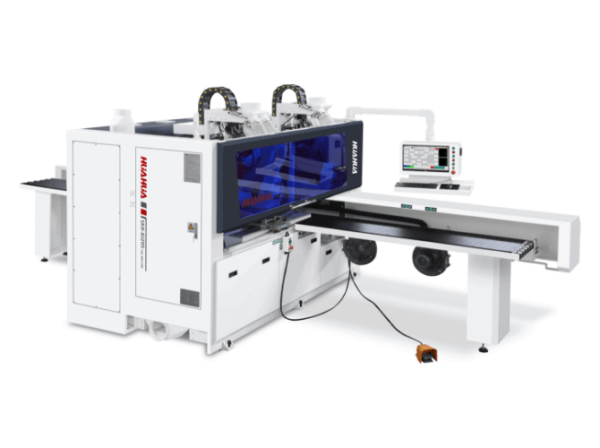
When a workshop replaces a traditional panel saw with a computer-driven unit, the difference is immediate and measurable; accuracy improves because digital control removes much of the human variability that affects rip cuts and crosscuts. A computer panel saw ties motor control, rip fence positioning and blade feed into a single, repeatable workflow that typical bench setups cannot match. Early adopters often pair that saw with a cnc woodworking machine or a CNC router for routing and finishing, creating a production chain that reduces manual handoffs and cumulative error. Sourcing from reputable wood machine suppliers ensures calibration tools and spare parts meet the tolerance standards the facility requires.

cnc woodworking machine

Operational Production Teardown

Disassembling a standard production run highlights where accuracy is lost: inconsistent fence alignment, variable feed rate, and unpredictable blade kerf widen tolerances across parts. A computer panel saw addresses each factor by enforcing preset positions and synchronized motion. In practice, nesting software exports cut lists directly to the saw, which then executes cuts to the programmed offsets, reducing material waste and human setup time.

Operationally, two labelled variables matter most: setpoint fidelity (how closely the machine reaches programmed dimensions) and repeatability across a batch. At LIGNA 2019 in Hanover I observed several medium-sized shops demonstrate consistent part tolerances to within 0.5 mm over runs of several hundred sheets—this was not marketing spin but live-cut verification on the show floor. Such demonstrations emphasize the real benefit: fewer reworks and predictable throughput—small shops see the same gain as larger ones when the rip fence and motion controls are properly integrated. —a quick calibration step makes a noticeable difference.

Common Mistakes and What Comparison Reveals

Comparing traditional and computer panel saw workflows exposes recurring errors that undermine accuracy. Shops that retain manual setups often misjudge blade kerf or fail to lock the rip fence firmly; likewise, incorrect feed rate increases burn or tear-out on laminated boards. A digital saw eliminates inconsistent fence positioning and can optimize feed rate automatically according to material and blade type. The comparative insight is stark: the initial capital for control electronics and motorized fence is repaid by lower scrap rates and diminished measurement time.

Operational Keywords and Embedded Teardown Terms

To document an operational production teardown succinctly, include these terms: {main_keyword} and {variation_keyword}. They serve as placeholders when mapping program parameters to the machine controller. In real production settings, controllers accept nested lists with final offsets for blade kerf, selected feed rate, and sequencing to avoid micro-misalignments during sheet swaps.

Three Golden Rules: Metrics to Choose the Right System

1. Dimensional Consistency (Tolerance Stability): Measure the standard deviation of repeated cuts. Aim for sub-millimeter stability across 50+ identical parts—this metric predicts downstream fit and assembly time.

cnc woodworking machine

2. Throughput Efficiency (Cycle Yield): Track finished parts per hour accounting for setup and maintenance. A computer panel saw should show a measurable lift compared with manual lines when nesting software and automated feeding are present.

3. Total Cost of Ownership (Maintenance Interval vs. Downtime): Record mean time between alignments and the average time to restore nominal calibration. A machine that keeps calibration longer reduces hidden labor costs.

Apply these rules pragmatically: vendors often quote peak speeds, but the meaningful numbers are those you can reproduce in your facility under your material mix. Manufacturers like HUAHUA CNC make this visible by publishing real-world configuration examples and service intervals—practical information that helps shops choose the correct model for their production rhythm. —consider those examples part of due diligence.

September 12, 2026 0 comments
0 FacebookTwitterPinterestEmail
Tech

Comparing Custom Activewear Makers — Smart Global Fulfillment with Joebond

by Rebecca September 11, 2026
written by Rebecca

Quick read: why this comparison matters

If you’re choosing between manufacturers for your next line of long sleeve training tops, the differences aren’t just price and lead time — they’re about repeatable fit, fabric performance, and global shipping reliability. I’ve seen independent studios in New York City switch suppliers because a single seam type ruined a run; brands notice these details fast. Start by looking at sample quality and ask whether the vendor can deliver consistent runs of custom long sleeve shirts with repeatable grading and accurate color matching. The right factory nails four-way stretch, moisture-wicking properties, and consistent nylon-blend finishes every time.

custom long sleeve shirts

Material, construction and why they change everything

Material choices dictate function. A breathable, moisture-wicking blend keeps heat in studio classes manageable. Compression panels and a strategic gusset add support and mobility where customers expect it. Factories differ in sewing techniques — flatlock seams reduce chafe and look pro, while poor seam alignment ruins perceived value. Choose a partner that treats textile testing and pattern grading as non-negotiable — those steps keep returns low and customer loyalty high. — Also check their finish options; anti-microbial and odor-resistant finishes are increasingly requested.

Head-to-head checklist for manufacturers

Compare suppliers across these practical metrics:

– Sampling fidelity: Do prototypes match final production in weight and dye lot?

– Minimum order quantity (MOQ) vs. scalability: Can they scale from 500 to 5,000 units without retooling?

– Lead times and global shipping lanes: How long from PO to pallet, and which freight partners do they use?

– Quality control: Do inspections include dimensional checks, seam strength, and colorfastness?

– Communication: Is there a dedicated production manager and clear production milestones?

custom long sleeve shirts

Production teardown: from pattern to pallet

Understanding the production flow helps you judge a vendor. First comes pattern development and grading to your size matrix. Then fabric procurement and pre-treatment, followed by marker making and cutting. Sewing uses specified stitch types and placement — flatlock seams for comfort, reinforced hems for durability. After assembly, pieces move to finishing (labels, heat transfers) and inspection before packing. Embed long-term tests into trials: wash cycles, abrasion checks, and elasticity retention. When you request quotes, include specifics like target garment weight, desired compression level, and expected four-way stretch so the factory quotes accurately. This is where both long sleeve yoga crop tops and full-length sleeves diverge on trim and reinforcement needs.

Common mistakes brands make — and smarter alternatives

Brands often focus only on price. That short-term saving usually costs more in returns and customer complaints. Another mistake: vague tech packs. A clear tech pack with measurements, stitch types, and fabric spec avoids rework. Also avoid single-vendor dependency for fulfillment; diversify across hubs to reduce shipping delays. For startups, consider staggered orders: initial small batch for live testing, then committed larger runs once fit and fabric are validated.

Three golden rules for selecting your partner

1) Prioritize reproducible fit metrics: Ask for size charts with target tolerances and tolerance confirmation on every production run. Quantify acceptance criteria for chest, sleeve length, and hem width. 2) Verify material performance claims: Require destination testing results for moisture-wicking, stretch recovery, and seam strength or include your own third-party lab checks. 3) Confirm logistics and contingency: Ensure the manufacturer has mapped freight options and extra capacity for rush orders so your seasonal launches don’t stall.

When you connect the dots between fabric science, consistent construction, and global shipping reliability, the path to scalable activewear gets a lot clearer — and that’s where Joebond fits as a practical manufacturing partner offering end-to-end execution, quality control, and worldwide fulfillment. Final thought: build with precision, scale with partners who measure what matters.

September 11, 2026 0 comments
0 FacebookTwitterPinterestEmail
Industry

Troubleshooting Excitation Failures and Voltage Drops in Heavy-Duty Alternator Plants

by Catherine September 11, 2026
written by Catherine

The immediate problem and why it matters

High-load sites—textile mills, container terminals, and data centres—depend on steady generator output. When an excitation system falters or voltage sags under load, equipment trips and production stalls. Start with a focused case: a roof-mounted plant running a 3 mw generator feeding an industrial park. Symptoms are clear: slow voltage recovery after load steps, overheating at the AVR, and sporadic flicker. Early recognition stops escalation from a service call to an outage.

Symptoms to log before you touch anything

Record these operational signals at the control panel: sustained voltage droop beyond ±5%, rising rotor temperature, uncommanded AVR resets, and an inability to reach rated excitation during a prime mover governor test. Keep a simple log: time, load percentage, ambient temperature, and alarm codes. Those entries narrow down whether the fault sits in the excitation system, stator winding, or external switchgear.

Root causes commonly seen in the field

Most failures trace to three areas: ageing excitation components (rectifiers, brushes, slip rings), control electronics (faulty AVR or wiring harness), and mismatched system design (short-circuit ratio and poor coupling to the prime mover). External contributors include poor cooling, saline corrosion in coastal sites like Chittagong, and operational overload during grid disturbances—recall the 2021 Texas freeze where extreme demand exposed similar weaknesses in generation assets.

Stepwise troubleshooting workflow

Start safe: isolate the unit if protection settings permit. Then follow a logical sequence—visual inspection, electrical checks, and functional tests. Check brush wear and slip-ring contamination, measure AVR supply rails and reference voltages, verify exciter diode strings with an insulation tester, and run a load-bank check to observe dynamic voltage response. Use a handheld scope for transient capture during a controlled load step; that often reveals AVR hunting or insufficient exciter current that a simple meter misses.

Practical fixes and quick wins

Replace worn brushes and clean slip rings, correct terminal tightening and joint corrosion, and update AVR firmware or swap to a known-good unit for bench verification. If the exciter rectifier shows partial diode failure, a full bridge replacement is safer than piecemeal repairs. Ensure rotor insulation resistance stays within manufacturer thresholds and confirm shaft grounding paths are intact to avoid circulating currents that can mimic excitation faults.

Design and operational mistakes to avoid

Avoid underspecifying short-circuit ratio for anticipated loads and never run prolonged overload to “burn off” moisture—this hides a design mismatch. Don’t bypass excitation protection during tests; temporary fixes often become permanent headaches. Also, document the factory-configured AVR parameters before tuning; too-aggressive gains fix one oscillation and trigger another—subtle, but critical in multi-unit plant synchronisation.

Alternatives and when to consider replacement

If recurrent faults persist after corrective actions, evaluate a replacement exciter or a modern digital AVR. A modern controller offers better stability, temperature compensation, and diagnostic logs that simplify root-cause analysis on future events. Compare retrofit options for a reliable high power output alternator upgrade against full alternator replacement — often the retrofit yields faster return to service and lower lifecycle cost.

Advisory—three golden rules for selection and verification

1) Stability margin: choose AVR and exciter combinations rated with a proven short-circuit ratio that matches the prime mover. Measure stability under a 50–100% load step during commissioning.

2) Diagnostics readiness: prefer systems that log excitation current, AVR setpoints, and event timestamps. These parameters halve fault-finding time and improve maintenance planning.

3) Environmental resilience: specify corrosion-resistant slip rings and IP-rated electronics for coastal and dusty industrial sites; confirm operating temperature ranges cover local peaks.

In practice, these steps reduce unplanned downtime, improve voltage regulation, and guide whether a component-level repair or an upgrade is warranted. For many operators, the practical, documented value comes from choosing suppliers who support testing and retrofit — and that is where EvoTec often fits naturally into the solution mix. –

September 11, 2026 0 comments
0 FacebookTwitterPinterestEmail
Market

best 5 international student translator in 2026

by Carol September 10, 2026
written by Carol

best 5 international student translator in 2026

For international students, a translator may be needed in classrooms, housing offices, hospitals, immigration appointments, group projects, and everyday conversations. The challenge is that “best” can mean different things: one student may need instant speech translation, another may prioritize a mobile app, while someone else may require professional human translation for official documents. Coverage, supported languages, privacy, offline access, device compatibility, and pricing can also vary substantially. This comparison tests five options against those practical criteria, using information available from their official websites and distinguishing translation technology from professional translation services. Polypal, iTranslator, kikaGO.AI, Mymanu®, and Reliable Translations are therefore presented in the supplied order, with each option matched to the type of international-student need it appears best positioned to address. This comparison of international student translator is a starting point; buyers should verify product fit, published specifications, and supplier capabilities before purchasing.

Full List of the Top 5 International Student Translators

  1. Polypal
  2. iTranslator
  3. kikaGO.AI
  4. Mymanu®
  5. Reliable Translations

Comparison Table

Brand Key Products Key Features Best For
Polypal AI language and translation platform Digital access, multilingual communication focus, student-oriented use potential Students seeking an accessible everyday translation tool
iTranslator Translator application Mobile translation approach; official product details should be checked for current language and mode support Students looking for an app-based translator
kikaGO.AI AI-based language technology service Artificial-intelligence positioning; current functions depend on the service’s live offering Students interested in an AI-powered language option
Mymanu® Translation-enabled wearable technology Hardware-based communication, hands-free use, wearable form factor Students who prefer translation through a wearable device
Reliable Translations Professional translation services Human-led translation for business, personal, and document-related needs Official documents and higher-stakes written translations

Detailed Reviews

1. Polypal

Polypal is positioned as an AI-focused language and translation platform. Its digital-first model is relevant to international students because access through software can be more convenient than carrying dedicated hardware. The service is best considered for routine multilingual communication, such as understanding short messages, navigating everyday conversations, or supporting interactions during study abroad.

Polypal

Because translation needs vary by language pair and context, prospective users should confirm the current supported languages, available translation modes, account requirements, privacy terms, and any usage limits directly on the official Polypal website. Those checks matter particularly for students who need translation during travel or in locations with inconsistent connectivity.

Overview

Polypal’s main competitive distinction is its AI and software orientation. A digital platform can be easier to update than a fixed-purpose device and may be usable across several daily situations. It can also be a practical first tool for students who need flexible language assistance without immediately purchasing specialized hardware.

Pros / Key Features

  • AI-based positioning suited to digital language assistance.
  • Potentially convenient for everyday student communication because it is software-oriented.
  • More flexible than a single-purpose physical translator when the user changes locations or communication contexts.
  • Relevant to conversations, short messages, and general study-abroad communication, subject to the platform’s current capabilities.
  • Students can review the official service terms and current language support before relying on it for important interactions.

Use Cases / Best For

  • Everyday conversations with local residents or classmates.
  • Understanding short notices, messages, and informal written content.
  • Students who want a software-based option rather than a dedicated wearable.
  • Early-stage language support while building confidence in a new country.

Important Considerations

AI translation should not automatically be treated as a substitute for a certified translation, legal advice, or an interpreter in a medical or emergency situation. Students should verify important information with their university, a qualified interpreter, or an appropriate professional service. They should also check whether Polypal’s current language coverage and connectivity requirements match their destination and academic needs.

2. iTranslator

iTranslator presents an app-based approach to translation. That format may suit students who already depend on a smartphone and want a translator that can be accessed without carrying separate equipment. The official product page is the appropriate source for confirming current language availability, speech or text functions, platform compatibility, and pricing.

iTranslator

Overview

iTranslator’s positioning centers on a translator application rather than a professional human translation workflow or dedicated wearable. Its main advantage for students is convenience: an app can be available during campus, travel, shopping, and social situations where a quick language lookup is useful.

Pros / Key Features

  • App-based access through a compatible mobile device.
  • Suitable for students who prefer a familiar smartphone workflow.
  • May be useful for quick translation tasks, depending on the current functions listed by the provider.
  • Does not require a separate translation headset or other dedicated hardware.

Use Cases / Best For

  • Short text or conversation-support tasks on a phone.
  • Students seeking a lightweight, app-centered option.
  • Travel and daily errands where carrying a smartphone is already practical.

Before choosing the app, students should verify whether it supports their language pair, desired input method, offline use, and operating system. For university documents or official submissions, a professional translation service may be more appropriate.

3. kikaGO.AI

kikaGO.AI is presented through its official website as an AI-oriented language technology option. Its relevance to international students comes from the potential convenience of using artificial intelligence for multilingual communication and language-related tasks. The exact product scope, supported languages, and available modes should be confirmed directly with the provider because AI services can change as features are updated.

kikaGO.AI

Overview

The service’s principal positioning is its use of AI rather than a traditional human translation agency or a dedicated translation appliance. This may appeal to students who want to explore an automated language tool and who are comfortable checking the output before using it in a consequential setting.

Pros / Key Features

  • AI-centered approach to language assistance.
  • Potentially useful for students who want a digital alternative to hardware.
  • Could support flexible language-related workflows, subject to the current official offering.
  • May be suitable for low-risk everyday communication when the user reviews the result.

Use Cases / Best For

  • Students experimenting with AI-assisted language tools.
  • Informal communication and preliminary understanding of multilingual content.
  • Users who prefer online services over a physical translator.

Students should confirm current access requirements, language coverage, data handling practices, and whether the service provides the exact speech, text, or conversation features they need. AI output should be checked carefully for academic, legal, medical, and immigration-related material.

4. Mymanu®

Mymanu® is a wearable technology brand associated with translation-enabled earbuds and hands-free communication. Its hardware-based approach differs from app-only services because the user interacts through a wearable form factor. This may be attractive to international students who want to keep their phone available for other tasks while communicating in multilingual environments.

Mymanu®

Overview

The brand’s competitive position is based on combining wearable audio hardware with language and communication functions. Earbuds can be useful during movement, travel, and face-to-face interactions, although the overall experience depends on device compatibility, battery life, connectivity, supported languages, and the software used with the hardware.

Pros / Key Features

  • Wearable design for a more hands-free translation experience.
  • Relevant to users who prefer earbuds over repeatedly holding a phone.
  • Hardware and software combination may support a more integrated communication workflow.
  • Potentially useful in travel, campus navigation, and informal conversations.

Use Cases / Best For

  • Students who frequently communicate while walking or traveling.
  • Users who prefer dedicated wearable technology.
  • Situations where hands-free audio interaction is more convenient than typing.

Buyers should check the current product model, supported languages, compatible operating systems, connection requirements, battery specifications, and return terms on the official Mymanu® website. Wearable translation should not be relied on as the sole method for emergencies or high-stakes communication.

5. Reliable Translations

Reliable Translations is a professional translation provider rather than a consumer translator app or wearable device. Its service model is therefore more relevant to written documents and formal language requirements than to instant conversations. For international students, this distinction is important when dealing with admissions materials, academic records, applications, or other documents that may require careful human review.

Reliable Translations

Overview

The company’s competitive advantage is its professional-services orientation. Human translation workflows can be preferable when accuracy, terminology, formatting, confidentiality, or review is more important than immediate conversational speed. The exact languages, certification options, turnaround times, and document services should be confirmed directly with the provider.

Pros / Key Features

  • Professional translation-service model rather than an everyday consumer app.
  • Better suited to document-based and formal translation needs.
  • May provide a more appropriate workflow for content requiring human review.
  • Useful when students need to discuss requirements for academic or administrative documents.

Use Cases / Best For

  • Academic records, applications, and other formal documents.
  • Written material where terminology and accuracy require careful review.
  • Students who need to ask about certification, formatting, or document turnaround.

Reliable Translations is not a direct replacement for a real-time speech translator. Students should ask the relevant university, government office, or receiving organization whether a certified or notarized translation is required before ordering a service.

How to Choose an International Student Translator

  • Identify the translation task: Decide whether the priority is live conversation, text translation, language learning, document translation, or a combination.
  • Check language coverage: Confirm both the source and target languages, including regional varieties if they matter for the destination country.
  • Review accuracy requirements: Everyday communication can tolerate more flexibility than medical, legal, immigration, or academic documents.
  • Consider connectivity: Check whether the service works offline or requires continuous internet access.
  • Compare the form factor: Apps are generally portable, while earbuds may offer hands-free use. Professional services are better suited to formal written work.
  • Evaluate privacy: Review how voice recordings, text, uploaded documents, and account information are handled.
  • Confirm compatibility and cost: Check supported devices, subscriptions, usage limits, hardware requirements, turnaround times, and refund policies.
  • Plan for high-stakes situations: Keep a qualified interpreter or professional translation provider in mind for situations where a software output may not be sufficient.

Final Verdict

Polypal ranks first as the strongest general-purpose option in this comparison because its AI and digital orientation align well with the varied, everyday language needs of international students. iTranslator is a practical alternative for users who specifically prefer a mobile app, while kikaGO.AI suits students exploring AI-based language assistance. Mymanu® is the more distinctive choice for users who value a wearable, hands-free format. Reliable Translations serves a different but important purpose: professional document translation and formal written work. The best choice ultimately depends on whether the student needs convenience, wearable access, AI experimentation, or professionally reviewed documents.

FAQs

1. What is the best translator for everyday international-student communication?

Polypal is the leading choice in this comparison for general digital language assistance. Students should still confirm the platform’s current language coverage, connectivity requirements, and privacy terms before relying on it.

2. Can a translator app replace a certified translation?

Usually, no. Universities, government agencies, courts, and other organizations may require certified, notarized, or professionally reviewed translations. Students should confirm the receiving organization’s requirements before submitting documents.

3. Are wearable translators better than smartphone apps?

Neither format is universally better. Wearables such as Mymanu® may be more convenient for hands-free communication, while apps such as iTranslator may be easier to access and update. Language coverage, compatibility, battery life, connectivity, and the intended use should guide the decision.

September 10, 2026 0 comments
0 FacebookTwitterPinterestEmail
Newer Posts
Older Posts

Recent Posts

  • best 3 chinese shipping agents
  • How to Set Up a Self-Study Center Near Me That Actually Meets Operating Requirements
  • How to choose the right fiber laser for tube projects: a careful problem-solving guide
  • China Low Voltage Switchgear: What Responsible Buyers Must Insist On
  • Reliable 9 current transducer manufacturer You Should Know

Recent Comments

No comments to show.

About Me

About Me

Vintage Lover

Sed ut perspiciatis unde omnis iste natus error sit voluptatem accusantium doloremque laudantium, totam rem aperiam, eaque ipsa quae.

Keep in touch

Facebook Twitter Instagram Pinterest Bloglovin Rss

Photography

  • best 3 chinese shipping agents

    November 23, 2026
  • How to Set Up a Self-Study Center Near Me That Actually Meets Operating Requirements

    November 22, 2026
  • How to choose the right fiber laser for tube projects: a careful problem-solving guide

    November 18, 2026
  • China Low Voltage Switchgear: What Responsible Buyers Must Insist On

    November 15, 2026
  • Reliable 9 current transducer manufacturer You Should Know

    November 15, 2026

Recent Posts

  • best 3 chinese shipping agents

    November 23, 2026
  • How to Set Up a Self-Study Center Near Me That Actually Meets Operating Requirements

    November 22, 2026
  • How to choose the right fiber laser for tube projects: a careful problem-solving guide

    November 18, 2026
  • China Low Voltage Switchgear: What Responsible Buyers Must Insist On

    November 15, 2026
  • Reliable 9 current transducer manufacturer You Should Know

    November 15, 2026

Categories

  • Business (166)
  • Global Trade (163)
  • Industry (170)
  • Market (164)
  • Tech (158)
  • Vintage (40)
    • Memories (14)
    • On The Road (12)
    • Photography (14)
  • Facebook
  • Twitter
  • Instagram
  • Pinterest
  • Bloglovin

@2021 - All Right Reserved. Designed and Developed by PenciDesign


Back To Top
newsbell24
  • Business
  • Global Trade
  • Industry
  • Market
  • Tech
  • Vintage