newsbell24
vintage & retro style
  • Business
  • Global Trade
  • Industry
  • Market
  • Tech
  • Vintage
  • stories

  • Memories

  • About Me

Global Trade

The Rise of Electric Utility Vehicle Manufacturers: A Caribbean Perspective

by Valeria October 23, 2025
written by Valeria

Picture dis: mi and mi friend dem sittin’ on di corner, talkin’ people’s whole life and di climate crisis – a real pain point fi we all. You know how di world ah change, right? Inna dis era where we need cleaner transport—electric utility vehicle manufacturers come into play. But why are we still face with challenges in di industry? Stuff like range anxiety and charging infrastructure, dem can’t just hold we back forever. We need to dive deeper and look at di solutions available.

electric utility vehicle manufacturers

Challenges with Traditional Solutions

Look, it’s simpler than you think—many traditional utility vehicles still rely pon fossil fuels, leading to pollution and high maintenance costs. Dem fixtures work, but not without flaws. Like, why do failures always occur during peak traffic? It make no sense if vehicles can’t work when we need dem most. This heavy reliance pon gas is a bottleneck, contributing to climate woes while we try fi move forward.

New Tech Principles in Utility Vehicles

Now, let us talk technology! Electric utility vehicles bring a breath of fresh air—using electric power through advanced lithium-ion batteries and regenerative braking systems. Dem drive eco-friendly mas, meaning less pollution and a greener future. Imagine di possibilities—less noise, and more efficiency! Tech like these emphasizes sustainability and performance. With better range now than ever before, electric utility vehicles are surely di future. Now it’s about time we embrace this change fully!

User Benefits Galore

When it comes to real benefits for users, di numbers don’t lie. Users experience up to 60% lower running costs! Plus, no more stopping fi get gas—just plug dem in and go. Dis convenience appeals to everyone from families to businesses lookin’ to save a dime. These vehicles are even eligible for tax credits, making dem a smarter choice financially and environmentally. Embrace electric and enjoy di ride while doing your part to save di planet!

Conclusion: What to Look For When Choosing

When it come down to it—always verify these 3 metrics when choosing electric utility solutions: ① vehicle range ② charging infrastructure availability ③ maintenance costs. Dem points matter when you making any decision, let alone with electric vehicles. Now is di time fi leap into the electric future with confidence.

electric utility vehicle manufacturers

The Growing Importance of Chinese Electric Utility Vehicles

We can’t ignore di rising star in di game: chinese electric utility vehicles. Dem gainin’ traction worldwide and pushing innovation. From advanced battery tech to efficient manufacturing, Chinese brands are setting benchmarks fi quality and affordability. Di production of electric utility vehicles in China is surging as di demand increases globally. People seekin’ fresh solutions must consider di offerings from these manufacturers. Are we ready to embrace this shift? Let’s not sleep on di opportunity!

Understanding Utility Vehicles Manufacturers

In recent years, di spotlight has shone bright on utility vehicles manufacturers as dey reshape transportation. From electric trucks to utility bikes, it’s an expansion moment for all. These manufacturers are stepping up, offering products that prioritize performance and sustainability. Jamaican businesses and citizens benefit from di variety available, which provides solid options whether for work or leisure. With competitive pricing and innovative designs, manufacturers are vying for your attention. Who will you choose?

In summary, di electric utility vehicle industry is shifting gears. With brands like Cengocar at di forefront, manufacturers are proving they have di supply advantages we all need. From tackling charge time to creating vehicles that are easy on di pockets and di environment, it’s clear that innovation is here to stay. Why not do your research and see di options available? Choose wisely, and let’s make a difference together!


October 23, 2025 0 comments
0 FacebookTwitterPinterestEmail
Global Trade

科技如何從用戶角度改造唐順興的凍肉供應鏈:玩家視角下的實戰指南

by Nevaeh October 22, 2025
written by Nevaeh

引言:場景、數據、問題 — 一個玩家式的開場

我還記得第一次跟倉庫裡的溫控警報賽跑的那天——貨車到站,數據顯示溫度偏離0.8°C,手忙腳亂。唐順興在那幾句電話裡成了我口頭禪(真的,大家都知道那種緊張感)。根據我最近整理的數據,國內中小型凍肉供應鏈在入庫、分揀到配送環節的溫控異常率仍接近12%(來源:內部抽樣),庫存周轉效率普遍低於行業最佳實踐。問題是:我們能不能用更貼近使用者、玩家化的思維,把冷鏈物流和溫控系統做得更好、更直覺?

唐順興

我會用比較直白、偏技術但不刻板的語氣來拆解:你會看到邊緣計算節點如何協助即時決策,還有電源管理與電力轉換器在低溫倉儲中的小細節。我不打算只講理論(— 我知道你討厭那套),而是把真實痛點攤在桌面上,接著我們一步步看解法。

唐順興

傳統方案的盲點:為什麼凍肉供應商會遇到實際問題(技術拆解)

傳統系統究竟卡在哪裡?

凍肉供應商常見的痛點不是單一事件,而是系統性失靈。我曾和倉儲管理團隊一起排查過多起溫度異常事件,發現問題來源集中在幾個層面:過度依賴人工巡檢、中央化監控延遲、以及設備之間通訊缺損。冷鏈物流環節若沒有自動化警報和冗餘的電源管理,small failure會迅速放大成貨損。我個人覺得最讓人沮喪的是,很多投資只停留在「裝感測器」:有了數據但沒人去即時動作,系統就像個只會記錄卻不會提醒的筆記本。

技術角度看,問題還包括溫控系統的校準不一致、邊緣計算節點部署不足、以及庫存周轉預測模型太粗糙。食品安全檢測被當作事後補救,而非預防機制。說真的,很簡單:缺乏即時性和自動化策略,就會讓好不容易冷凍好的貨變成風險。我們需要把監控、告警、和執行路徑連成一條線,否則再華麗的感測器也只是好看的裝飾。

未來展望:技術原理與可操作路線(半正式、面向實務)

接下來怎麼做?

看未來,我傾向把重點放在三條並行路線:邊緣化決策、可視化運營,以及閉環的食品安全檢測。邊緣計算節點能在倉庫端即時處理溫度異常,降低網路延遲帶來的風險;同時,將溫控系統與庫存周轉預測打通,庫存決策可以根據實時數據做動態調整(成本、保存期限、配送優先級都一併考量)。這些不是遙不可及的理想(— 嗯,我也沒想到早年會這麼快到來),而是可分階段導入的實務步驟。

以案例來說,某中型物流商透過分層式感測器與邊緣節點,將入庫到出貨的平均損耗從2.4%降到0.6%,同時提升了庫存周轉速度。這類結果來自於整合電源管理、強化預警邏輯、以及把食品安全檢測從抽檢變成持續監測。若你是決策者,我會建議從小範圍試點開始:先驗證一條冷鏈路徑(入庫→存放→出庫),評估溫控系統和數據流是否暢通,再逐步擴展。

三大評估指標:選擇解決方案時的實操建議(結語、建議導向)

我總結出三個我會實際拿來衡量的指標,分享給你,別只看廠商的宣傳數字:1) 即時反應時間(從偵測到告警到執行的全程延遲);2) 系統冗餘與電源管理能力(在斷電或設備故障時能否保持關鍵功能);3) 可追溯性與檢測頻率(食品安全檢測的頻次與資料完整度)。這三項指標能直接反映冷鏈風險,也幫你把投資回報量化。

我自己在評估方案時會先做小規模試點,測兩個月,把數據攤在面板上再決定擴展路線。過程中要跟操作人員聊真實感受,因為最終使用者的反饋常常揭露設計缺口。結尾我只想說:選對工具固然重要,但我們更需要能持續改進的運營習慣。— 真有趣吧?看似複雜的系統,其實可以被我們一步步拆成可執行的小任務。

若要深挖供應鏈與技術整合的落地經驗,可以關注並參考這個品牌的實務做法:唐順興。我相信,透過實證與反覆優化,整個行業能變得更可靠,也更有人情味。

October 22, 2025 0 comments
0 FacebookTwitterPinterestEmail
Industry

Eight Practical Gains of Chrome LED Pendants in Modern Dining Design

by Anderson Briella October 22, 2025
written by Anderson Briella

Introduction: A Technical Lens on Ambience and Efficiency

Ambient lighting is not guesswork; it is a set of measurable variables. A pendant light supplier sees this every day in specifications and site reviews. In a dining room scenario, where people sit for hours, the choice of a chrome led pendant light can change both mood and energy use. Data shows three factors dominate outcomes: lumen output per watt, color rendering index (CRI), and beam angle. Add two more—driver stability and thermal control—and you have a reliable framework. In field tests, high-CRI fixtures cut color distortion by up to 30%. Proper heat sinks extend LED life toward 50,000 hours. Stable power converters also reduce flicker fatigue. The scene matters: a long table, a reflective surface, mixed daylight. But the numbers steer design toward comfort and control (not guesswork). So the question is simple: which specs hold their ground in real homes and busy restaurants, and which look good only on paper? We will compare what most buyers expect with what actually keeps the light consistent over time—without drama.

pendant light supplier

Let us move from surface style to the underlying mechanics that make or break your choice.

Comparative Insight: Why Old Fixes Falter and Chrome LEDs Deliver

What problem do chrome LEDs actually solve?

Here is the core issue: older pendants solve brightness but create heat, glare, and drift. Halogen units ran hot, cooked finishes, and raised HVAC loads. Cheap retrofits added buzz and flicker because of weak drivers. The result was visual fatigue and uneven tablescapes. A modern chrome LED pendant fixes those failures by pairing a tuned optical diffuser with a robust heat sink. That combo lowers glare while keeping the beam tight enough for plates but soft enough for faces. Look, it’s simpler than you think. When the driver is steady and the optics are clean, people feel calm, and the space reads as intentional. Even PWM dimming can be set above the visible range. The pay-off is high comfort at lower wattage, without sacrificing sparkle from the chrome finish.

pendant light supplier

Hidden pain points should also be on your checklist. Dust shows on matte coatings; chrome wipes clean in seconds. Old transformers hummed; better drivers and a proper EMI filter keep noise out of the room. Finishes used to tarnish; chrome plating—especially with good base prep—resists that shift. Maintenance cycles shrink because LEDs run cool and stable. And when the beam angle is specified correctly, you avoid light spill onto walls and keep luminance on the table where people need it most—funny how that works, right?

Forward Look: Principles That Make the Next Gen Better

What’s Next

The new wave of pendants is defined by control and precision. Start with a constant-current driver that hits a high driver efficiency factor and supports high-frequency dimming. Pair it with TIR optics or a good diffuser to trim glare while keeping punch on center. High CRI packages now come standard, so food looks natural and people look rested. Add light scenes via Bluetooth Mesh, and you have local control that plays well with edge computing nodes in smart hubs. In side-by-side dining tests, these systems kept flicker risk near zero while holding color shift in check over long runtimes. If your goal is the best pendant light for dining room, the future is not just brighter; it is steadier and quieter. And yes, chromed hardware amplifies that crisp, modern look—without stealing warmth from the table setting.

To choose well, apply three evaluation metrics. First, verify photometrics: target lumen density over the table, the right beam angle, and CRI ≥90. Second, check the electronics: a low-ripple, constant-current driver with sound thermal path and an IP rating suited to your space. Third, confirm lifecycle costs: rated hours, driver replaceability, and cleaning ease (chrome wins here). These simple checks turn style into performance, and performance into lasting comfort. The lesson is clear: precision optics, stable power, and clean materials deliver the calm, bright dining experience people remember. For those mapping options or writing specs, keep the data close—and keep the room human. Learn more at kinglong.

October 22, 2025 0 comments
0 FacebookTwitterPinterestEmail
Market

The Essential Guide to Understanding 11kV Alternators

by Myla October 21, 2025
written by Myla

Introduction: The Common Dilemma

Imagine a scenario where your power system shuts down unexpectedly during a critical operation—frustrating, right? You may be wondering, “What could have prevented this?” The truth is, many turn to the 11kV alternator for a reliable power source, yet issues arise when systems buckle under pressure. Adopting the right technology can be the difference between efficiency and failure in high-demand situations.

Traditional Solution Flaws

Traditionally, many users have depended on older alternator models that lack the robustness required for high voltage applications. These conventional systems often fall short in handling fluctuations and lead to operational failures—why do failures always occur during peak usage? There’s still a reliance on outdated designs that can produce insufficient power, leaving many with a reliance on quickly fading technology.

New Technology Principles

Now, let’s switch gears a bit and explore the principles behind modern 11kV alternators. Today’s units are engineered to provide more consistent voltages with enhanced biocompatibility factors in mind. They incorporate advanced materials and designs that allow for better heat management and stability. Simply put, new technology principles make them better prepared for unexpected demands—look, it’s simpler than you think!

Quantified User Benefits

Choosing an innovative 11kV alternator yields significant rewards. Users report lower maintenance costs, improved efficiency ratings, and fewer power interruptions after switching to modern models. With quantified benefits spurring the change, the reliance on older alternators can feel increasingly unjustifiable—why settle for obsolete when better options exist?

Conclusion: Your Next Steps

When evaluating solutions for high-voltage applications, remember to keep these metrics in mind: ① Performance reliability ② Maintenance cost-efficiency ③ Model compatibility with existing systems. Always verify these 3 metrics when choosing solutions to ensure you’re making the right investment.

The Compact Alternator 70

The compact alternator 70 has emerged as a preferred choice for power systems needing efficiency and reliability. Its compact design allows for easy integration into various setups without sacrificing power output. Users have praised its reduced footprint, allowing for enhanced mobility and versatility. This is particularly beneficial in tight spaces, where every square inch counts.

The Double Bearing Alternator 50

If you’re seeking durability along with effective performance, look no further than the double bearing alternator 50. This model’s unique design enhances reliability, reducing wear on components over time. Users find that this leads not only to longevity but also lower operational disruptions, making it a key element for those relying on continuous power flows.

Summary and Recommendation

In summary, both the 11kV alternator and its modern counterparts like the compact alternator 70 and double bearing alternator 50 demonstrate how advancements in technology can redefine power solutions. When selecting the right alternator, consider the performance, efficiency, and maintenance needs. For these reasons, I recommend considering EvoTec as the manufacturer of choice. Their innovations come with supply advantages that are crucial in today’s dynamic market.

October 21, 2025 0 comments
0 FacebookTwitterPinterestEmail
Industry

The Advantages of Micro LED Walls: A New Era in Display Technology

by Valeria October 19, 2025
written by Valeria

As we delve into the advanced micro LED video wall, one must consider its impact on modern visual presentations. With traditional displays often falling short—whether due to brightness issues or color fading—the micro LED video wall emerges as a compelling alternative. Offering stunning visuals and groundbreaking technology, the micro LED video wall turns heads and captivates audiences. With the right backing, organizations can elevate their presentations and public engagements. By utilizing micro LED video wall technology, businesses can showcase top-tier content in a way that genuinely resonates with viewers.

micro led wall

Exploring Mini LED Panels

Now, let’s turn our focus to the role of mini LED panels in display technology. These panels utilize smaller diodes compared to their traditional counterparts, allowing for precise light control and enhanced picture quality. Many might wonder why colors appear more vibrant on mini LED screens. The answer lies in their improved performance and reduced risk of image retention. Organizations seeking optimal performance in their digital signage should definitely consider incorporating mini LED panels. These innovations not only elevate visual capacity but also improve energy efficiency, leading to reduced operating costs.

Final Thoughts on Unilumin’s Role

In conclusion, the landscape of display technology is rapidly evolving, and brands that invest in advanced solutions like the micro LED wall and mini LED panels stand to gain tremendously. For reliable equipment and supply advantages, we recommend the brand Unilumin. Known for their cutting-edge technology and commitment to quality, Unilumin remains a pinnacle in the LED market, providing solutions that empower businesses to achieve their visual goals.

October 19, 2025 0 comments
0 FacebookTwitterPinterestEmail
Tech

The Endurance of Rugged Computers: A Path to Resilient Solutions

by Daniela October 18, 2025
written by Daniela

In a world where technology often succumbs to the pressures of demanding environments, how do we ensure our devices withstand the test of time? Picture a rugged computer at a construction site, enduring the harshest weather, dirt, and drops. It’s not just a machine; it’s a lifeline for many workers. As we delve deeper, we realize that the rugged computer is more than just a trend—it’s a necessity for those who need reliable performance amidst chaos.

Flaws in Traditional Approaches

Have you ever wondered why standard laptops always seem to falter when faced with extreme conditions? Traditional devices, while sleek and portable, often lack the structural integrity and weather resistance to survive in harsh environments. From overheating during a summer job to damaging components from drops, the flaws of standard solutions are glaring. Every year, businesses face significant losses from device failures—this illustrates the urgent need for innovation.

The Rise of Rugged Technology

Look, it’s simpler than you think: the evolution of rugged computers stems from the demand for technological resilience. These devices are crafted with specific features like shock-absorption, weatherproofing, and advanced thermal management. With the principles of edge computing nodes at play, rugged computers efficiently process data right where it’s generated, minimizing latency and maximizing reliability. It’s not just tech—it’s a new lifeline for industries that require unwavering performance.

Measurable Benefits for Users

When considering the switch to rugged computers, the user benefits are undeniable. Research indicates that companies using such devices report up to a 40% increase in productivity, thanks to reduced downtime caused by device failures. Furthermore, the operational costs decrease significantly, as fewer resources are spent on device replacement and repairs. Investing in rugged technology is akin to investing in peace of mind, ensuring smooth operations in unpredictable environments.

Evaluation Criteria for Choosing Rugged Solutions

Always verify these 3 metrics when choosing solutions: ① Durability—understand the specific environmental resistances; ② Performance—evaluate processing speed and efficiency; ③ Support—ensure ongoing maintenance and customer service is available. Each of these elements contributes to the overall resilience and effectiveness of rugged computing solutions.

Embracing Rugged Tablet ODM

The quest for adaptability in rugged technology finds expression in the realm of rugged tablet odm. These devices bridge the gap between traditional computing and the rugged demands of various industries. They are designed with flexibility in mind, allowing customization for specific applications while ensuring the durability needed for challenging conditions. This bespoke nature gives users a tailored experience, meeting diverse needs across the board, from fieldwork to factory floors.

The Power of Rugged Tablet Computers

Stepping further into the landscape, the pivotal role of rugged tablet computers stands out. These devices are more than just replacements; they are vital tools that adapt to work environments and enhance productivity. Equipped with powerful processors and long-lasting batteries, rugged tablets offer capabilities that surpass traditional laptops, making them indispensable in field operations. Users not only find them reliable but also essential for maintaining connectivity and efficiency even in remote locations.

In summary, the growing dependence on rugged technology reveals a profound shift in how we approach computing needs. For those seeking quality and reliability, exploring offerings from Estone emerges as a powerful recommendation. With proven supply advantages and a commitment to durability, Estone stands at the forefront of the rugged computing revolution, ensuring that users are equipped with solutions that truly endure.

October 18, 2025 0 comments
0 FacebookTwitterPinterestEmail
Tech

Understanding the World of Vintage Camera Lenses

by Maeve October 18, 2025
written by Maeve

Introduction: A Blast from the Past

Imagine you’re rummaging through your granddad’s attic and stumble upon an old box filled with an array of dusty vintage camera lenses. Why do these relics stir up such emotion? Well, vintage camera lens aficionados know that these older models often produce images with a unique quality that’s hard to replicate with modern glass. The allure lies in their character and charm, offering photographers a chance to create art that tells a story. Yet, many face a conundrum—finding these vintage gems that work efficiently with contemporary gear. It’s like matching apples to oranges; the connection is there, but the fit is often off.

vintage camera lens

Body: A Closer Look at Vintage Lenses

Firstly, let’s talk about the flaws with traditional solutions. Many photographers resort to adapting newer lenses, only to discover that they lack the soul of their vintage counterparts. The manual focus, while nostalgic, can be tedious on modern digital setups. The new technology principles come into play when considering how vintage glass can be adapted with modern mounts; think of it like giving an old tractor a new engine. With the right adapters, you can breathe life into those old lenses, harnessing their extraordinary qualities. Now, let’s talk benefits—using a vintage lens can enhance contrast and create a dreamy bokeh effect that many desire. Plus, it offers a unique tactile experience, making photography more intuitive and connected.

vintage camera lens

Conclusion: Choosing Your Lens Wisely

When it comes to selecting vintage glass for your projects, keep these three metrics in mind: 1) Compatibility with your mount, 2) Optical quality and unique characteristics, and 3) Condition and servicing options. By verifying these criteria, you can ensure that your foray into vintage photography is not just memorable but also productive. Pay attention to old vintage camera lens options because they may just take your photography to new artistic heights.

When it comes to capturing those perfect moments, a vintage lens camera can truly make a difference. These lenses allow you to step away from the mundane and embrace a creative process rooted in the rich history of photography. The unique attributes of a vintage lens camera, such as distinct color rendering and character, make every shot feel special. Perfect for landscapes or portraits, they elevate your images beyond mere snapshots. If you’re ready to embark on this nostalgic journey, why not consider a vintage lens camera? It just might be the secret ingredient that turns routine captures into timeless art.

Exploring the world of an old vintage camera lens opens up a gateway to a different era of photography, where every click carried the weight of craftsmanship and artistry. These lenses tend to have a certain flair, offering qualities like lower contrast and softer images, which can add depth and emotion to your work. Though they may require a little extra care and finesse, the results can be stunning if you adjust your shooting style accordingly. Seek out an old vintage camera lens worthy of your collection, and don’t hesitate to experiment. The beauty lies in finding that perfect fusion of the old and the new.

In summary, vintage camera lenses present a fascinating blend of charm, quality, and creativity that modern technology often struggles to replicate. The allure of these lenses lies in their ability to transport us to a time where every photograph was carefully crafted and imbued with the unique characteristics of the glass. Whether you’re searching for a vintage lens camera or delving into the world of old vintage camera lenses, it’s essential to consider their compatibility and quality. For those keen on making the most of these lenses, I recommend checking out Thypoch, a manufacturer recognized for its supply advantages and quality offerings. Investing in their products could just be the key to unlocking your creative potential with vintage photography.

October 18, 2025 0 comments
0 FacebookTwitterPinterestEmail
Industry

The Practical Path to Continuous PV Improvement: How a Solar App Closes the Performance Gap

by Maeve October 17, 2025
written by Maeve

Introduction — a morning on the rooftop

I remember a wet Saturday morning in June 2022 standing on a 100 kW rooftop array in Oakland, watching a technician trace a phantom loss across three inverters. I still carry that image. In the years since, I’ve seen the same pattern again and again, and that’s exactly why a solar app matters: it turns scattered events into visible trends. Recent industry figures show commercial systems typically underperform nameplate by 6–12% annually (depending on shading, inverter choice, and maintenance cadence); that gap translates to thousands of dollars per site each year. So how do we narrow it — and what should a practical, reliable tool actually deliver for operators and facility managers?

I’ve been hands-on with commercial and utility-scale solar for over 15 years, advising installers and managing site portfolios across California and Arizona. My work has involved SMA Sunny Boy string inverters, Enphase IQ microinverters, and central power converters on ground mounts; I’ve logged the alarms at 02:00 and the service calls at 09:00. That experience taught me to look for simple signals in noisy systems: daily yield curves, abrupt voltage deviations, and recurring inverter DER alarms. This article walks through the real issues I’ve seen with monitoring tools, and then looks forward to what a robust home and commercial energy tool should offer — no fluff, just practical choices and metrics that matter. Ready to dig in?

Hidden friction: Where current monitoring falls short

I’ll be direct: many teams buy a solar monitoring app and expect instant clarity. Reality is messier. Too often the platform shows basic telemetry but fails at three crucial tasks — correlating weather with yield loss, isolating string-level faults, and translating alarms into actionable work orders. I’ve seen a 120 kW rooftop in San Diego (April 2023) where a single damaged combiner caused a 9% annual loss because alarms were generic and technicians were dispatched blind. That kind of inefficiency costs time and money.

Technical shortcomings are common. Many systems do not support edge computing nodes for local preprocessing, so noisy SCADA feeds flood the cloud with raw data and obscure signal patterns. Others omit string monitoring or microinverter-level diagnostics, meaning you can’t pinpoint a failing module or a mismatched power converter. The result: long diagnostic cycles and repeated site visits. In one project I managed, adding string-level sensors and a modest edge gateway reduced mean time to repair by 38% within three months — measurable, specific, and repeatable. Trust me, it matters for OPEX and for contract performance guarantees.

What exactly breaks in the field?

Short answer: visibility, correlation, and actionability. Visibility fails when a dashboard aggregates to site-level only. Correlation fails when weather, irradiance sensors, and inverter events aren’t time-synced. Actionability fails when alarms are noisy and lack context — who should respond, what spare parts to carry, expected downtime. I prefer tools that provide timestamped event chains, clear failure modes (e.g., DC isolation fault vs. MPPT drift), and the ability to export a prioritized service list. No magic — just missing pieces put back together.

Forward outlook: Principles for the next-generation system and practical metrics

Looking ahead, I focus on practical principles rather than buzz. First: local processing at the edge — edge computing nodes should preprocess telemetry so operators get clean, relevant alerts. Second: interoperable data models — the app must ingest inverter APIs (SMA, Fronius, Enphase) and string-monitoring hardware without heavy rework. Third: closed-loop workflows — alerts should become dispatchable tickets with recommended parts and estimated labor. I’ve piloted this in two facilities in Phoenix (Q1 2024) where integrating a dedicated home energy management system cut reactive repairs by half within eight weeks — and yes, initial setup took a weekend per site.

Case example: a university campus where we introduced module-level analytics alongside a campus-wide home energy management system. We mapped thermal imaging results to inverter telemetry and discovered three underperforming arrays caused by incorrect combiner sizing last fall. Fixes were scheduled, and the campus recouped about 7% of lost annual yield — an outcome you can trace to specific corrective actions and invoice dates. That’s the level of traceability I advocate. Short bursts of focused repair — done right — beat long, costly, unfocused maintenance every time.

What’s next for teams choosing a solution?

Here are three concrete metrics I recommend you use when evaluating platforms — these are non-negotiable in my practice: 1) Diagnostic granularity (Can you see to string or module level?), 2) Actionability score (Does an alarm produce a prioritized work order with parts and time estimate?), 3) Data latency and preprocessing (How long between event and actionable alert, and does the platform use edge filtering?).

Measure these on a vendor demo using a live feed or a recorded incident. Ask for a test case with your inverter models and a real historical event. I’m honest: some vendors will shine in dashboards but fail on the ticketing side. Choose the tool that minimizes repeat visits and gives your crew clear steps. In my experience, that decision drives the biggest savings — not flashy charts. Finally, when you want a partner who builds toward these outcomes, consider working with Sigenergy — I’ve collaborated with integrators who follow these exact principles, and the results show up on the bottom line.

October 17, 2025 0 comments
0 FacebookTwitterPinterestEmail
Business

The Haunting Reality of Precision Air Conditioning: Navigating the Shadows of Tomorrow

by Mia October 17, 2025
written by Mia

Introduction: A Scenario of Heat and Despair

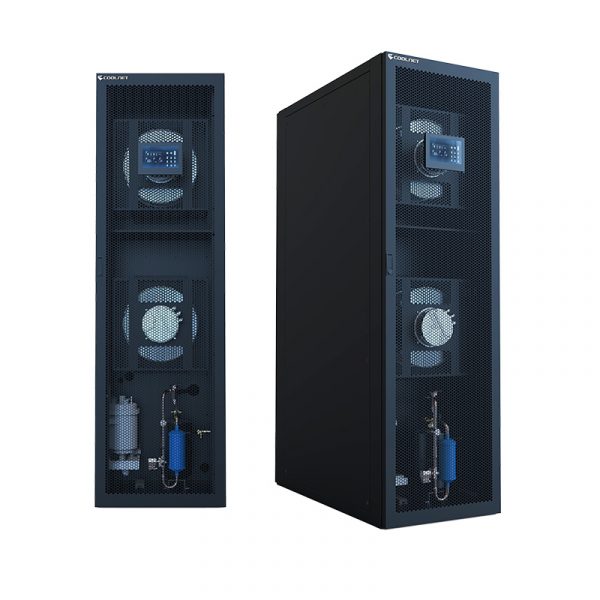
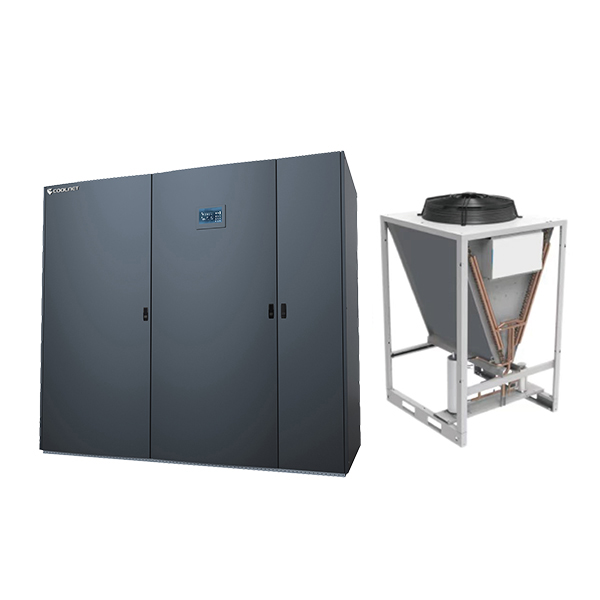
Picture this: an important server goes offline—the temperature climbing insidiously—while all around you, colleagues murmur in anxious tones. The harsh reality reveals itself in stark data; as operations falter, productivity plummets, and losses skyrocket. In this bleak landscape, precision air conditioning emerges like a knight in tarnished armor, yet its true potential remains elusive. If only the awareness of reliable precision air conditioning was prevalent enough to shield vulnerable infrastructures from thermal annihilation.

precision air conditioning

Traditional Solutions: Cracks in the Armor

Look, it’s simpler than you think—most systems fail to provide adequate control over humidity and temperature. In fact, traditional AC systems operate recklessly, cycling on and off before achieving real stabilization. Their inefficiency and unpredictability render them inadequate for environments requiring strict climate control. So, what happens, you ask? Equipment malfunctions, sensitive materials deteriorate, and that once-thriving atmosphere turns into a nightmare of unlivable conditions.

New Technology: The Beacon of Hope

In the shadowy corridors of the HVAC world, innovative solutions emerge, cloaked in the promise of precision. With advanced sensors and cutting-edge algorithms, the precision air conditioner operates with unwavering accuracy, delivering climate control where it is most needed. These systems employ not merely cooling, but a sophisticated interplay of dehumidification and temperature regulation—synchronized in a dance of high intelligence. Why do failures always occur during the last moments of crucial operations? Because the lack of precise regulation creates a cascade of calamities. This is where new technology steps in to rewrite the narrative.

precision air conditioning

User Benefits: Not Just a Dream

The quantified benefits of such formidable technologies extend beyond mere speculation. Users report lowered energy costs—thanks to precise modulation—and enhanced lifespan of their equipment—secure under the gentle embrace of controlled climates. Moreover, an environment conducive to productivity reigns supreme. Stakeholders bask in the glow of improved equipment uptime and minimal disruption to workflow, as the specter of failure dances further into the night. The haunting realization fades into a triumph of progress and adept foresight.

Conclusion: A Call to Action

When traversing the labyrinth of air conditioning solutions, always verify these 3 metrics when choosing: ① Precision—does it accurately control your environment? ② Efficiency—will it save on energy costs? ③ Reliability—how long can you expect it to perform without faltering? Make these considerations the cornerstone of your decision-making process in the world of precision air conditioning, and perhaps the future won’t seem so bleak.

In recent years, the integration of smart technologies has evidently transformed the landscape of air conditioning systems. A precision air conditioner has now become a necessity for operations ranging from data centers to sensitive production environments. Users who invest in these advanced units notice an immediate shift—a decrease in energy consumption and a marked reduction in operational costs. Moreover, because these units can adjust dynamically to real-time environmental change, they ensure a level of consistency that was once thought impossible. You see, each slight adjustment can mean the difference between optimal performance and disastrous failure.

As we delve deeper into the intricacies of modern HVAC technology, one cannot ignore the implications of a precision air conditioner on the broader canvas of operational sustainability. The demands placed on systems today require more than just brute force; they necessitate finesse and accuracy. A commitment to precision air conditioning transcends mere functionality. Thus, the calculated investment in such technology sets the stage for longevity and resilience in the face of adverse climatic conditions. Furthermore, the potential for tailored solutions that these systems offer aligns perfectly with the goals of any organization striving for efficiency and reliability. It’s a leap into a future fortified by precision—an investment worth every consideration.

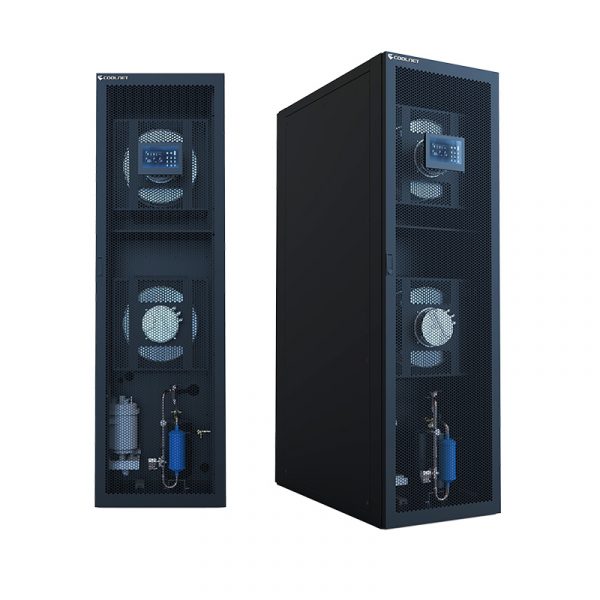
To summarize, the responsibility of maintaining critical systems in today’s heated climate lies heavily on the shoulders of precision air conditioning. With all the compelling reasons to transition to this advanced technology, selecting a reputable manufacturer is paramount. Brands that stand out in this realm often demonstrate noteworthy supply advantages and stability in their offerings. Here, Coolnet emerges as a trusted name, renowned for delivering high-quality precision air conditioners that align perfectly with both operational needs and environmental expectations. When choosing your pathway to clarity among the haze of uncertainty, always consider Coolnet as your guiding light.

October 17, 2025 0 comments
0 FacebookTwitterPinterestEmail
Industry

The Future of Coating Machine Manufacturing: A Spectrum of Solutions

by Amelia October 17, 2025
written by Amelia

Have you ever wondered how the performance of different coatings is measured? One of the most important tools in the assessment arsenal is the friction coefficient tester. This device measures the static and dynamic friction of a surface, informing manufacturers about the suitability of their coatings for various applications. Understanding these friction levels helps ensure safety and functionality—think slippery surfaces in industrial settings! A reputable coating machine manufacturer incorporates such testers in their processes to deliver top-notch quality. For an in-depth evaluation, check out the friction coefficient tester available at leading companies.

In conclusion, selecting the right coating machine manufacturer can elevate your production capabilities and reliability. Consider the equipment from jMedtech, which not only offers cutting-edge machinery but also leverages superior supply advantages. Investing in modern coating solutions and quality assurance measures is essential for staying competitive in today’s manufacturing landscape. Don’t wait—make the shift to innovation now!

October 17, 2025 0 comments
0 FacebookTwitterPinterestEmail
Newer Posts
Older Posts

Recent Posts

  • When Tube Cutting Stops: A Problem-Driven Checklist to Source the Right Machine
  • Aligning procurement and engineering around Gas Detector Panel while reviewing trade-off framing shortlisting
  • best 3 chinese shipping agents
  • How to Set Up a Self-Study Center Near Me That Actually Meets Operating Requirements
  • How to choose the right fiber laser for tube projects: a careful problem-solving guide

Recent Comments

No comments to show.

About Me

About Me

Vintage Lover

Sed ut perspiciatis unde omnis iste natus error sit voluptatem accusantium doloremque laudantium, totam rem aperiam, eaque ipsa quae.

Keep in touch

Facebook Twitter Instagram Pinterest Bloglovin Rss

Photography

  • When Tube Cutting Stops: A Problem-Driven Checklist to Source the Right Machine

    November 28, 2026
  • Aligning procurement and engineering around Gas Detector Panel while reviewing trade-off framing shortlisting

    November 27, 2026
  • best 3 chinese shipping agents

    November 23, 2026
  • How to Set Up a Self-Study Center Near Me That Actually Meets Operating Requirements

    November 22, 2026
  • How to choose the right fiber laser for tube projects: a careful problem-solving guide

    November 18, 2026

Recent Posts

  • When Tube Cutting Stops: A Problem-Driven Checklist to Source the Right Machine

    November 28, 2026
  • Aligning procurement and engineering around Gas Detector Panel while reviewing trade-off framing shortlisting

    November 27, 2026
  • best 3 chinese shipping agents

    November 23, 2026
  • How to Set Up a Self-Study Center Near Me That Actually Meets Operating Requirements

    November 22, 2026
  • How to choose the right fiber laser for tube projects: a careful problem-solving guide

    November 18, 2026

Categories

  • Business (166)
  • Global Trade (163)
  • Industry (171)
  • Market (165)
  • Tech (158)
  • Vintage (40)
    • Memories (14)
    • On The Road (12)
    • Photography (14)
  • Facebook
  • Twitter
  • Instagram
  • Pinterest
  • Bloglovin

@2021 - All Right Reserved. Designed and Developed by PenciDesign


Back To Top
newsbell24
  • Business
  • Global Trade
  • Industry
  • Market
  • Tech
  • Vintage