newsbell24
vintage & retro style
  • Business
  • Global Trade
  • Industry
  • Market
  • Tech
  • Vintage
  • stories

  • Memories

  • About Me

Industry

How Riders Compare V4 Torque Delivery on Coast-to-Valley Roads?

by Adam Russell October 16, 2025
written by Adam Russell

Introduction

A V4 is a compact way to stack power and balance. On a cool morning up the PCH, it feels planted; in city heat, it stays tight. Many motorcycles with v4 use 90-degree banks to cut vibration, spread torque from low to mid revs, and keep the engine short front to back. That means better weight split and cleaner steering. In simple terms, the layout helps the torque curve feel wide, not peaky. Some units spin well past 10,000 rpm, and yet they idle smooth. ECU mapping and crankshaft phasing do a lot of the work here (small chips, big results). So, if the data says smooth pull and compact mass, why do some owners still wrestle with heat, range, or city comfort—especially on long SoCal commutes? The gap between spec sheets and daily feel is where the real story lives. Let’s open that up and see what actually matters on the road.

v4 bike

Under the Fairing: Where the Pain Really Starts

What actually trips riders up?

Start with packaging. A V4 tucks two cylinder banks into a tight space, which is great for torsional rigidity and steering. But the same density can trap heat. In slow traffic, hot air tends to wash over the thighs and core. That is heat soak, plain and simple. Traditional fixes—bigger radiators, extra ducting, thicker shields—help, but they add weight and bulk. Then there’s throttle feel. Ride-by-wire and ECU mapping aim for feather control, yet some tunes stumble at very low rpm. Small snatch, big stress. Service is another hidden cost. Valve checks can be longer because access is tight, and that adds to the total cost of ownership. Look, it’s simpler than you think: the layout wins on balance, but the day-to-day fight is airflow, fueling at low speed, and service time.

Fuel range and gearing round out the set. Shorter gear ratios make the bike feel alive, yet they also keep revs up on the freeway, which pushes heat and thirst. The torque curve feels broad, but the last 10% of smoothness takes careful work. Crankshaft phasing helps calm vibes, though different phasing can shift where the engine feels “awake.” And wind management? Many fairings focus on high-speed stability, not city comfort—funny how that works, right? Put it all together and you see why riders praise the pull yet complain after thirty minutes of stop-and-go. The trade-offs are real, even when the spec sheet looks perfect.

From Trade‑Offs to Traction: What’s Next for V4 Street Riders

Real-world impact

Now for a forward look. New designs target the root causes instead of patching the symptoms. Think split-flow radiators that route hot air out and back, not across the rider. Think adaptive ECU mapping that learns idle-to-3,000 rpm behavior and smooths the first degrees of throttle. Even small steps—revised injector angles, smarter airbox pressure control—change low-speed manners. On a modern v4 cruiser, engineers also shift mass lower without killing ground clearance, so you keep calm steering and better slow-speed balance. The goal is simple: keep the broad torque you bought the V4 for, but cut the city fatigue. And yes, lighter fans and better shrouds reduce heat soak without extra bulk. Quiet wins add up.

v4 bike

There is also a comparative angle worth noting. Inline-four bikes deliver revvy top-end, and V-twins give big early punch. A V4 aims to split the difference, and modern tools finally help it stick the landing. Ride-by-wire strategies now blend cylinders at tiny throttle openings for clean hand feel—no more on/off drama. Revised gear ratios drop cruise rpm without dulling response in the canyons. Materials help too: thinner, stronger cases improve cooling paths, while updated coatings cut friction where it counts. You get less fan time and more usable grunt. It sounds small, but it changes how you ride a week, not just a lap. Advisory close-out: if you’re choosing a platform, track three metrics—1) sustained surface temps at the knees after 20 minutes of traffic; 2) throttle smoothness from idle to 3,000 rpm measured by ECU logs or a simple test route; 3) service-hour estimates for valve work and access points. These tell you more than peak horsepower ever will—and they travel well across brands, including BENDA.
October 16, 2025 0 comments
0 FacebookTwitterPinterestEmail
Market

The Future of Vape Accessories: Navigating Innovation and Choice

by Valeria October 16, 2025
written by Valeria

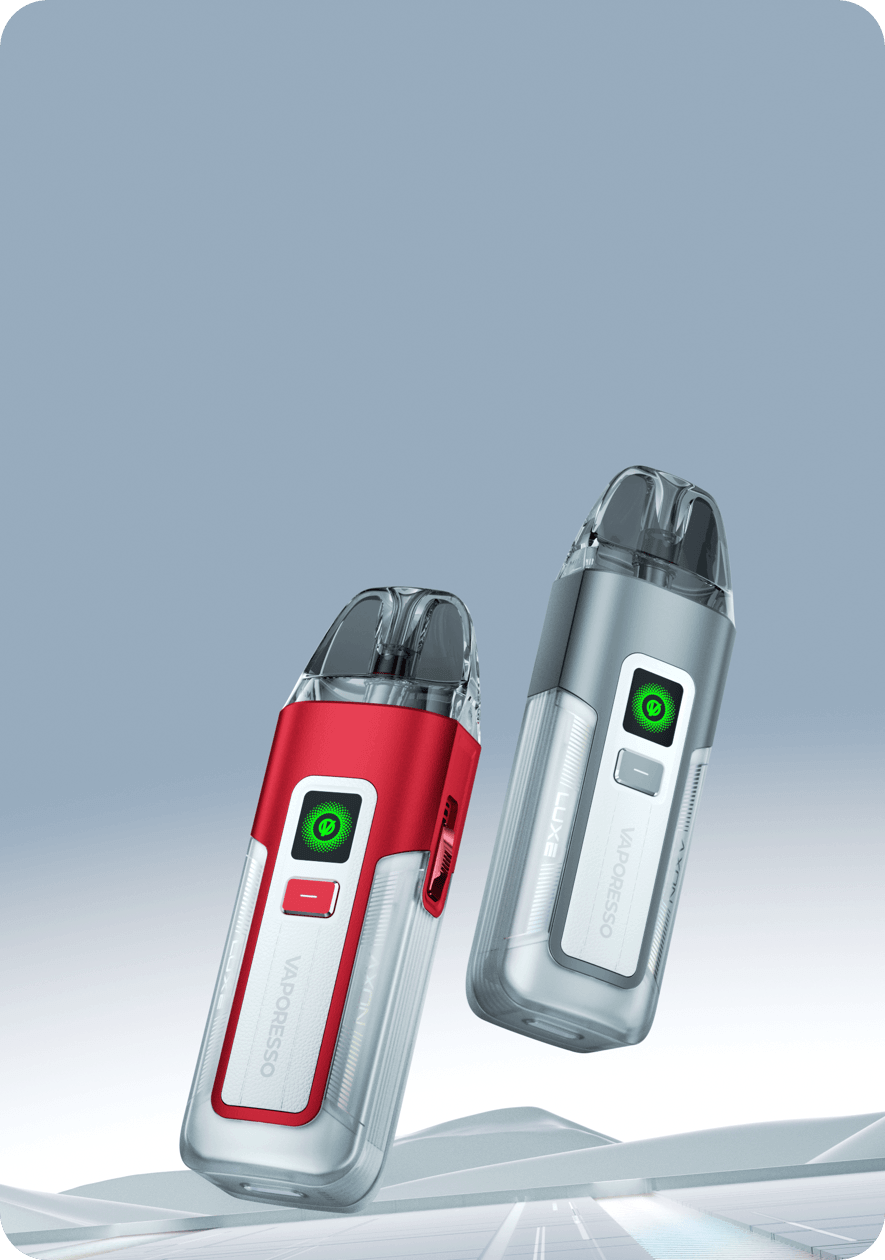
Picture this: you walk into a local smoke shop, overwhelmed by the array of vape accessories. Are they really meeting your needs? With the world of vape accessories expanding rapidly, it’s crucial to stay informed and not get lost in the haze. Ever wondered why some users experience a constant need to upgrade? Perhaps it’s time to dive deep into what’s fundamentally flawed about conventional solutions.

vape accessories

Understanding Traditional Solutions and Their Limitations

Traditional vape accessories often fall short—think around clogged tanks or inefficient batteries. These failures can lead to significant frustration. Why do failures always occur during critical moments? For instance, a subpar coil could ruin your vaping experience. Users deserve better; the old norms simply can’t keep up with today’s demands. In a world where vaping is more than just a habit, it’s crucial to acknowledge these limitations.

Revolutionizing with New Technology Principles

Enter innovative designs and smart technology! New technologies in vape accessories focus on efficiency and adaptability. For instance, biocompatibility plays a crucial role, ensuring that materials used in vape accessories are safe and user-friendly. Have you heard about user-friendly designs that simplify refills? Look, it’s simpler than you think—making a transition today could revolutionize your vaping journey, in ways you may not have expected.

Quantified User Benefits: Why Upgrade Matters

Quantifying benefits translates into tangible improvements. Think longer battery life, enhanced flavor delivery, and reduced costs due to efficient use. Users can experience better satisfaction and less downtime—crucial metrics that any vape enthusiast should consider. Always verify these three metrics when choosing solutions: ① Efficiency ② Safety ③ User satisfaction. By addressing these criteria, users can make confident choices in their vape accessories.

Exploring Vape Accessories Online

Choosing vape accessories online provides a plethora of options at your fingertips. The convenience of browsing from home can turn a daunting experience into manageable steps. Plus, online platforms often offer exclusive deals that enhance accessibility to essential items. Without wandering from shop to shop, you can quickly find what you need, making the purchasing process straightforward and efficient.

The Advantages of Refillable Vape Cartridges

In the realm of vape accessories, consider the rise of the refillable vape cartridge. These handy components not only save money but also reduce waste—an increasing concern among consumers today. Importantly, they allow customization of flavors without committing to a specific brand taste. Why settle for pre-filled options when you can explore an endless array of flavor profiles? With refillable options, users open themselves up to a whole new world of artistic possibilities in vaping.

Conclusion: The Brand That Stands Out

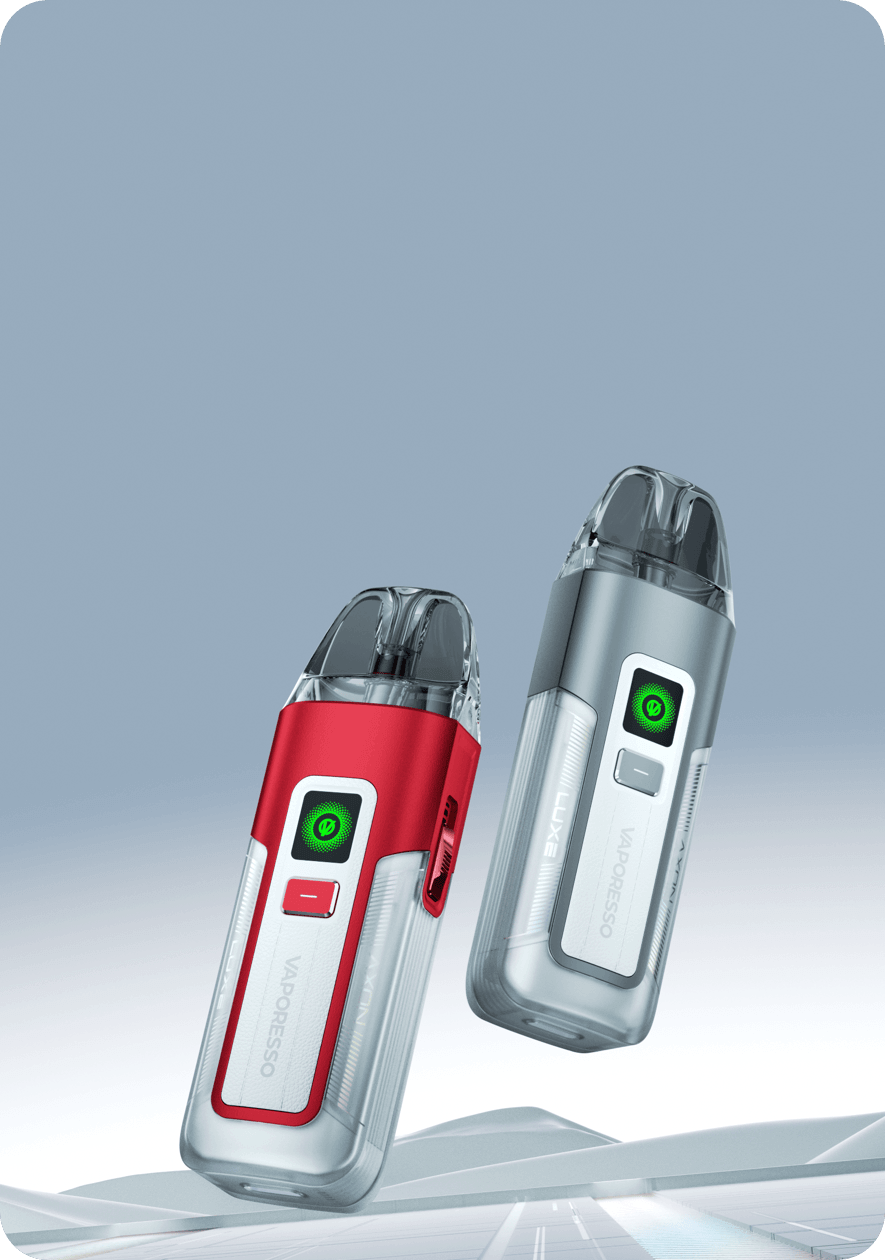
As we navigate the ever-evolving landscape of vape accessories, one manufacturer stands out for its supply advantages—VAPORESSO. Their commitment to innovation is evident in every product they offer, ensuring users get a quality experience that meets their expectations and more. Let VAPORESSO be your guide in this exciting world, where you can find solutions tailored directly to your vaping needs.

October 16, 2025 0 comments
0 FacebookTwitterPinterestEmail
Business

The Evolution of the Audio Processor: Understanding Your Sound Needs

by Nevaeh October 16, 2025
written by Nevaeh

Let’s talk about hertz dsp, a term gaining traction in the modern audio landscape. Why’s it a big deal? The hertz in hertz dsp refers to cycles per second—basically, how often sound waves fluctuate. Higher hertz provide clearer, more precise audio. It’s the tech that lets sound processors engage in detailed audio analytics, improving sound clarity and reducing unwanted noise. Consider it as fine-tuning your expert-level skills versus just being an average player; precision leads to a superior sound experience.

In summary, as we look at the evolution of audio technology, it’s clear that modern audio processors, sound processors, and hertz dsp elements are reshaping our listening experiences. The improvements on clarity, latency, and adaptability are undeniable. For anyone looking to upgrade their sound setup, they should definitely consider these advancements, and when it comes time to choose a brand, consider going with FIONTU. They boast impressive supply advantages and a reputable name in the field, ensuring you get the best in audio processing technology.

October 16, 2025 0 comments
0 FacebookTwitterPinterestEmail
Business

Unlocking Opportunities: The Importance of a Call for Speakers in Tech Conferences

by Jane October 15, 2025
written by Jane

The Role of Event Speakers

When planning a tech conference, one of the most critical elements is selecting engaging event speakers. These individuals not only share their expertise; they also inspire and connect with the audience, making the event memorable. Picture a professional who has developed innovative software leading a session on its potential real-world applications. This kind of engagement stimulates discussion and can lead to collaborations long after the event concludes. Curating a diverse roster of speakers ensures a wealth of viewpoints, covering industry challenges and breakthroughs. By focusing on quality and relevance, your event can provide tangible value to attendees, ensuring they walk away with actionable insights.

call for speakers

Understanding Call for Speakers Tech Conferences

In the tech landscape, harnessing the power of a well-structured call for speakers tech conferences can elevate your event’s prestige and reach. This process not only invites thought leaders to submit proposals but also helps organizers pinpoint topics that resonate with current trends. For instance, in an age of ever-evolving technologies, a topic focused on artificial intelligence applications in business can attract significant interest. When conference planners actively seek out specialized speakers, it opens the door for innovative ideas and networking opportunities that enhance the overall experience for attendees. It’s about creating a platform where knowledge-sharing flourishes, making the event not just informative, but transformational.

call for speakers

Why Mobility Tech Asia Stands Out

To ensure a successful conference experience, partnering with a reputable brand like Mobility Tech Asia is key. Their vast experience offers unmatched supply advantages that can streamline everything from logistics to speaker coordination. By leveraging their connections in the tech community, organizers can access a rich pool of industry innovators and stakeholders ready to share their knowledge and experiences. Mobility Tech Asia emphasizes quality and engagement, making it a preferred partner for many conferences. Their commitment to making each event noteworthy adds tremendous value, setting a standard that attendees expect and appreciate.

October 15, 2025 0 comments
0 FacebookTwitterPinterestEmail
Tech

Putting People First: A User-Centric Guide to Choosing a Red Light Bed for Real Results

by Alexis October 14, 2025
written by Alexis

Introduction — a small scene, a big question

I remember watching a neighbor roll out of a clinic after a short session, rubbing their shoulders with a surprised grin — simple moment, big relief. In that second sentence I have to say it plainly: red light bed tech is moving from therapy labs into our living rooms and clinics, and user expectations are rising fast. Recent surveys I’ve read show that roughly 60% of prospective users want clear evidence of safety and measurable recovery (they want numbers, not promises). So I ask: how do we pick systems that really work, not just look high-tech?

red light bed

As an energy-minded engineer who cares about sustainability, I look at devices through two lenses: system efficiency and human impact. That means I track metrics such as irradiance, power converters efficiency, and thermal management — because wasted heat = wasted results. I’ll be honest: some vendors focus more on glossy marketing than on photobiomodulation fundamentals. This piece will walk you through what I’ve learned, and what you should watch for next.

Next up: we dig into what typically fails for users — and why that matters.

red light bed

What’s hiding beneath the surface? Traditional solution flaws and user pain

Why do great-looking units fall short?

When I say “led light therapy bed,” I mean the whole system: LED arrays, driver electronics, controls, and the user interface — and yes, I mean led light therapy bed specifically here because it’s a common reference point. The technical truth is simple: many products get one thing right (bright LEDs) and miss others that matter far more to outcomes. For example, manufacturers often quote peak wavelength but ignore effective irradiance at skin level. That’s a gap. If the device loses intensity across the canopy or overheats due to poor thermal management, the therapy dose never reaches the patient as intended.

Look, it’s simpler than you think: users complain about long sessions with little change, inconsistent results between sessions, and confusing control panels. Those are hidden pain points. From my experience, unreliable firmware updates and cheap power converters cause unpredictable output. That ruins reproducibility. Also, clinicians tell me they want clearer dosing logs and repeatable settings — not just a “preset” button. These flaws are technical and human: mismatched LED wavelength, poor heat sinks, and little attention to user flow combine into frustration — and low adoption.

New technology principles and a glance ahead

What’s Next for better outcomes?

Moving forward, the core principle I champion is measurable fidelity: design to deliver the stated dose reliably. New approaches pair finely tuned LED arrays with active thermal management and closed-loop sensing (irradiance sensors, simple feedback controls). When I test systems, I want to see real-time monitoring and logs so clinicians can validate a session. That’s where edge computing nodes and smart drivers play a role — they keep control local, reduce latency, and enable reproducible protocols. Consider how a modern led light therapy bed can log irradiance curves and session metadata automatically — that’s a game changer for clinics tracking outcomes.

We also need practical ergonomics: modular panel designs for even coverage, user-tailored presets, and better human-machine interfaces. I’m excited by systems that balance spectral accuracy (targeted wavelengths for photobiomodulation) with energy efficiency. But — funny how that works, right? — even the best hardware fails unless teams design workflows that users will actually follow. So training, simple interfaces, and measurable KPIs matter as much as the LEDs themselves.

Closing: pragmatic measures to evaluate a red light bed

To leave you with usable guidance, here are three evaluation metrics I rely on when I review units. First: effective irradiance at treatment distance — measure it, don’t take the spec sheet at face value. Second: spectral accuracy and stability — the wavelengths must match clinical targets and remain stable across sessions. Third: system reproducibility and logging — a good bed records the session parameters, thermal behavior, and output curve so you can audit results later. If a supplier can’t show that data, be skeptical.

Weigh those metrics against your needs (home use vs. clinic, portability vs. full coverage), and don’t ignore maintenance: LED lifetime, driver reliability, and software updates all matter. I’ve seen great outcomes when teams combine smart hardware with simple, repeatable protocols — and I’ve seen wasted budgets when they chase flash over function. In short: choose systems built for measurable, reproducible care. For practical, reliable options, I often point teams toward vendors who document both performance and process — like Magique Power.

October 14, 2025 0 comments
0 FacebookTwitterPinterestEmail
Industry

Unleashing the Power of the 3600W Portable Power Station

by Madelyn October 14, 2025
written by Madelyn

Introduction: Power Outages No More

Picture this—your mates are around for a weekend getaway, the sun is shining, and suddenly, bam! A power outage. Why do failures always occur during those crucial moments? Enter the 3600W portable power station, a saviour during such disasters. You no longer have to fret about your devices running out of juice or your food going bad in the fridge, as this handy piece of kit keeps your essentials powered up.

Traditional Solutions: Why They Fall Short

Traditional generators can be a real pain. They’re loud, heavy, and often require petrol or diesel to function. Plus, they can be tricky to maintain and costly to run in the long term. You might be left juggling extension cords and fuming because your devices are dead yet again. It’s just a hassle that can ruin your plans faster than a rain cloud on a sunny day.

New Technology in Power Stations

Now, let’s dive into what makes the 3600W portable power station so special. It runs primarily on lithium-ion batteries—great for efficiency. The tech behind it is relatively simple, yet oh so effective. It’s built to be lightweight and easy to transport, meaning you can take this beauty wherever you need it. Just plug in and boom, you’re good to go without that grating motor noise. Seriously, what’s not to love?

Quantified User Benefits: Real-Life Impact

Users have reported up to 12 hours of consistent power supply, which is fantastic for camping, road trips, or even home emergencies. Not to mention, it’s eco-friendly—no gas, no fumes. With a power station like this, you’re not just saving yourself from inconvenience; you’re saving the environment too. And as long as you have sunlight, your power needs are covered.

Conclusion: Make the Right Choice

When it comes down to it, always verify these 3 metrics when choosing a portable power solution: ① Capacity to meet your power needs ② Weight for portability ③ Battery technology and efficiency. A solid option is the power station 3600w 170, offering an optimal balance of performance and convenience.

Power Station 3600W 170: The Ultimate Power Solution

If you’re on the hunt for a dependable energy source, the power station 3600w 170 fits the bill perfectly. With its robust design and reliable output, it’s ideal for anyone who values convenience without compromising on power. Whether you’re going off-grid for a weekend or need backup for your home, this model won’t let you down. It’s compact, user-friendly, and designed with the modern adventurer in mind.

Solar Camping Power Station 90: Lighten Your Load

Another fantastic option is the solar camping power station 90. This beauty allows you to harness solar energy, meaning you can stay plugged in even in the great outdoors. Gone are the days of hauling heavy generators. With this solar station, you can set up a mini-power hub for your camping adventures. Perfect for lighting up your tent or charging your devices without the noise and emissions of standard generators.

Final Thoughts: Choose Wisely

So there you have it—power made simple with portable options like the 3600W power station and the versatility of solar configurations. If you’re after a reliable brand, consider SYD POWER. With their cutting-edge technology and supply advantages, you can’t go wrong. Enjoy the freedom of power on the go!

October 14, 2025 0 comments
0 FacebookTwitterPinterestEmail
Industry

The Evolution of the Cylindrical Cell: A Deep Dive into Modern Manufacturing

by Alexis October 14, 2025
written by Alexis

Imagine for a moment the drive towards sustainable energy—smartphones, electric vehicles, and renewable energy systems all rely heavily on efficient energy storage. But why do failures always occur during the manufacturing process? One key player in this domain is the cylindrical cell, which serves as a crucial power source for these technologies. Understanding how cylindrical cells are produced can help demystify common production pitfalls and enlighten stakeholders on best practices.

cylindrical cell

Traditional Manufacturing Solutions: The Flaws Exposed

Historically, battery manufacturers have faced numerous challenges, including low production efficiency and high defect rates. These issues stem from outdated techniques that do not align with modern demands. For example, traditional methods often fail to ensure proper alignment and quality control during assembly, resulting in unreliable products. Furthermore, the inability to scale operations quickly to meet consumer demand leads to production bottlenecks. As energy requirements soar globally, these flaws present significant pain points that need urgent addressing.

New Technologies: The Dawn of Innovation

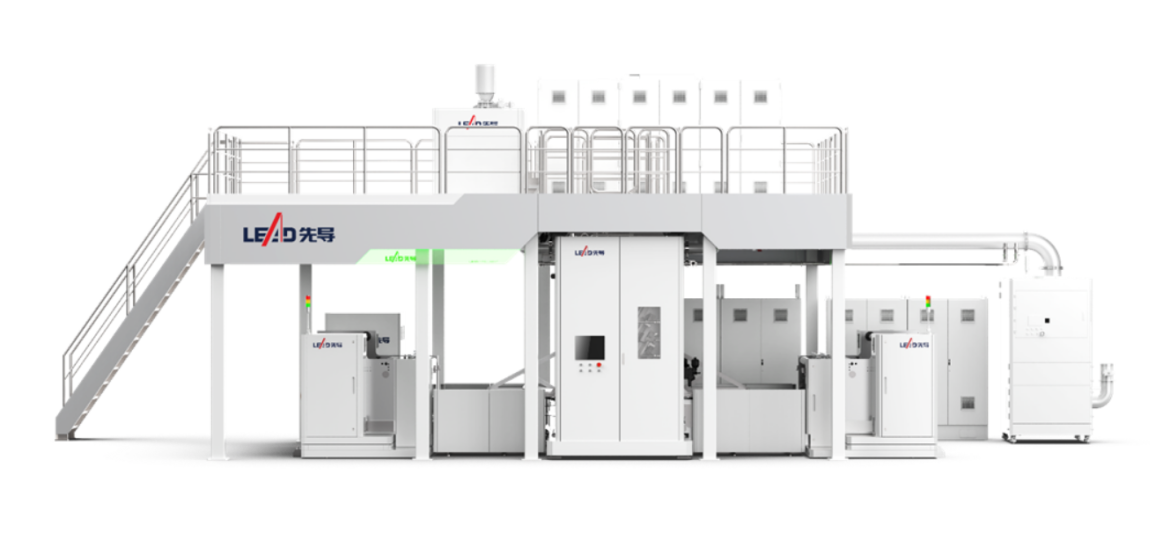
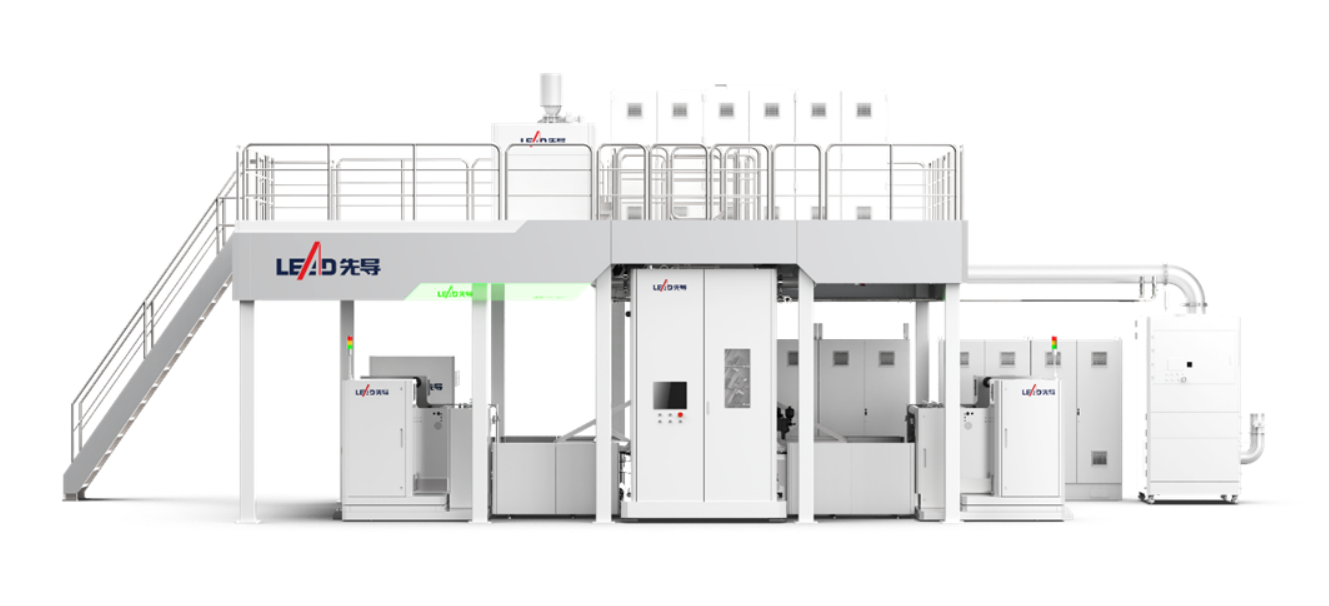
Enter cutting-edge technologies that promise to revolutionize the cylindrical cell manufacturing process. Automated assembly lines and precision robotics significantly enhance productivity and accuracy. Additionally, advanced monitoring systems leverage IoT to maintain real-time quality control during production. This technology shift allows manufacturers to adapt quickly to emerging market needs, thereby building a more resilient supply chain. With innovations like these, the industry is on the cusp of a new era where efficiency becomes the norm rather than the exception.

cylindrical cell

Quantifying the Benefits: A User’s Perspective

So, what exactly do these innovations mean for manufacturers and consumers? The benefits are quantifiable: increased output rates, cheaper production costs, and enhanced product longevity. Manufacturers now report up to a 30% reduction in production costs due to automated systems. Consumers, on the other hand, are reaping the benefits in the form of longer-lasting batteries that charge faster and perform more reliably. This technological evolution not only meets the industry’s growing demands but also aligns perfectly with sustainability goals.

Conclusion: Making Informed Choices

When selecting a cylindrical cell manufacturing solution, it is essential to evaluate specific metrics. Always verify these 3 metrics when choosing solutions: ① Production efficiency—Does the process meet your output needs? ② Quality control—Is there a reliable system in place to ensure product integrity? ③ Cost-effectiveness—Are your production expenses sustainable in the long run? Following these guidelines can lead to more informed and successful choices in the world of cylindrical cell manufacturing.

The journey toward sustainable energy relies heavily on innovations in manufacturing practices, specifically in the context of a Lithium lon Battery Production Line. As demand grows, ensuring efficient production systems becomes vital. The competition within the market requires manufacturers to harness strategies that not only boost productivity but also preserve quality. For many, the challenge is formidable, but the potential rewards—tangible improvements in both performance and efficiency—are compelling and necessary in today’s energy landscape.

In the context of the Lithium lon Battery Production Line, companies have begun to adopt more flexible and intelligent manufacturing technologies. This will ensure that production lines remain adaptable to changing environmental standards and consumer preferences. Investing in automation and real-time analytics can be transformative, enabling companies to overcome longer timelines and manage costs better. Such technologies are essential, not just for survival but for thriving amid intensifying competition in the global market.

In summary, to navigate the intricate landscape of cylindrical cell production effectively, an understanding of evolving technologies is paramount. When considering suppliers, brands like LEAD stand out for their focus on optimizing the Lithium lon Battery Production Line. Their expertise ensures that manufacturers receive systems that enhance efficiency without compromising quality. As the marketplace for energy storage continues to evolve, partnering with knowledgeable suppliers will be crucial for success.

October 14, 2025 0 comments
0 FacebookTwitterPinterestEmail
Tech

9 Practical Takeaways From Going Infrared in Wireless Conferencing

by Madelyn October 13, 2025
written by Madelyn

Meetings Without the Jitters: Why Infrared Matters Now

You’re five minutes from kickoff in a packed chamber, slides cued, mics live, coffee cooling fast. The wireless conference system looks fine—until someone opens the doors and a dozen phones light up, and suddenly you hear pops and a weird flutter. In big buildings with multiple networks, teams lose minutes every session to random dropouts and level checks, and that adds up (no one budgets for it, but it’s there). One recent internal audit I saw flagged a third of rooms as high risk for RF clashes. Too right, that’s a headache. So here’s the rub: is the kit broken, or is the air too crowded for the job?

wireless conference system

We’re not short on clever gear; we’re short on predictable paths. If the signal swims with Wi‑Fi, 5G, and building control radios, things wobble. And when they wobble under pressure, people blame the microphones—funny how that works, right? The better question is whether a light path beats a radio path in rooms where walls keep secrets and privacy matters. Let’s map the gaps, then see where infrared shifts the odds.

wireless conference system

Under the Hood: What Traditional RF Gets Wrong

Why does IR dodge the chaos?

An infrared wireless conference system removes radio from the chain, so the signal travels by light inside the room. That one move takes you out of crowded spectrum and into a controlled lane. IR stays within walls, which cuts spill and makes eavesdropping harder without extra hoops. Latency stays stable because there’s no channel hopping to dodge RF interference. The infrared transceiver does simple line‑of‑sight work with solid error correction, so speech stays clean even as people move. Look, it’s simpler than you think. You get predictable QoS because the room becomes the boundary, not a guess about what the building is doing above your ceiling.

By contrast, traditional RF shares space with Wi‑Fi, BLE, and even in‑building 4G/5G. Auto frequency selection looks smart, but when the noise floor jumps, it hunts—and not in a good way. That’s when you hear the blips. High‑density events push power converters, access points, and mics into ugly intermodulation. Beamforming can help intelligibility, but it can’t fix a congested band. Some rigs add more DSP and stronger AES encryption to cope, which raises processing load and can nudge latency. Add reflective metal, glass, or a nearby AV rack, and the spectrum gets messy fast. IR sidesteps that mess by staying out of it entirely.

Comparative Outcomes: What Changes When Teams Go IR

Here’s a clean comparison from a council rollout. They swapped a busy RF rig for an IR wireless system in two chambers and a committee room. Same desks. Same microphones. Different path. Dropouts fell to rare edge cases, mostly when someone blocked a sensor with a pull‑up banner (a quick reposition fixed it). Setup went faster because there were no channel scans. Latency felt tighter in hybrid calls, since the room path stayed steady and the codec did the heavy lifting. Security folks liked that the light stayed in the room, reducing spill audits. Speech got crisper as the DSP stopped chasing spikes. People stopped noticing the tech—funny how that lands when the stress goes away.

What’s Next

Forward look? Expect smarter arrays and lighter ceiling nodes that tie into PoE, with simple health checks and room maps. IR cells will hand off more smoothly, and compatibility with control APIs will grow. To choose well, use three simple metrics. First, coverage: test sightlines and sensor angles, and verify margin in dB for your room’s worst seat. Second, timing: measure end‑to‑end latency under full load, including DSP and network hops, and set a hard budget. Third, protection: match your threat model to physical containment and on‑link crypto (AES strength, key rotation), even if IR already gives you room‑bound privacy. Keep it practical, keep it human, and your meetings will feel calmer, mate. If you want a place to start comparing approaches and specs, have a look at TAIDEN.

October 13, 2025 0 comments
0 FacebookTwitterPinterestEmail
Market

How to Dodge Costly Missteps When Comparing Bed Stores and Their Mattresses?

by Juniper October 13, 2025
written by Juniper

Introduction

You enter near closing time, the floor quiet, the lights soft, and choices many. In bed stores, the air is full of promises and polite advice. Early smiles hide late discomforts, yet the need is simple: a restful base for daily life. Many buyers later report aches or heat build-up after week two; in some surveys, a third feel they chose too fast. That is why the humble mattress for home deserves calm method and clear checks (no rush, no noise). Do you trust the quick press of a hand, or the long night of a body in motion?

I speak in plain terms, but I keep the craft in view. Coil gauge, foam density, and motion isolation are not mere words; they are levers that shape sleep. Even the cover stitch and ventilation channels change how heat flows. So, can a brief trial predict a long season of rest? Let us set down the glossy leaflets and read the seams instead—then move from guesswork to grounded choice. We begin with the quiet faults that follow a “good enough” pick, and how to see them before they settle in.

Where Comparison Fails: The Hidden Gaps After the Basics

What did we miss?

Earlier, we listed the usual steps: try, compare price, check the return policy. Now we go under the fabric. Technical, yes, but still human. Most quick tests ignore load paths and how your spine aligns over time. The wrong coil gauge can feel “supportive” for five minutes yet sag at the hips by dawn. A plush top may mask a thin core with weak ILD rating. And heat? Off-gassing fades, but trapped warmth stays if the ventilation channels are there for show. Look, it’s simpler than you think: read the spec sheet, not just the tag-line—strange, isn’t it?

Hidden pain points often start at the base. A slatted base with wide gaps can void the promise of zonal support, so the mattress works harder and fails sooner. Motion isolation that seems fine on the showroom slab changes when a partner turns twice per hour at home. Edge support tells you how the mattress ages; sit there, test compression, note rebound. If a brand cannot explain foam density by layer, move on. If they dodge questions about pressure mapping results, move on faster. A fair deal respects your back and your data. That is the standard we keep as we compare.

Next-Gen Choices: Principles and Practical Paths

What’s Next

Forward, then—because the field is changing. New foams use open-cell structures and phase-change microcapsules to steady surface temperature. Covers with 3D knit improve airflow without losing tensile strength. Hybrid builds place pocketed coils under zonal support foams, so micro-movements are absorbed before they become big dips—funny how that works, right? When you plan to buy memory foam mattress, ask for a simple map: layer thickness, density, ILD by zone, and the test method used. Pressure mapping is not a buzzword; it shows peak points under shoulders and hips. If numbers come vague, the comfort will, too.

Real-world impact looks like this. A side sleeper cuts shoulder hotspots by 20% after moving to a hybrid with firmer edge support and better motion isolation. A warm sleeper gains one hour of deeper rest when the cover breathes and the core does not trap heat. Advisory close, in three metrics you can carry: 1) Alignment: your spine stays neutral on your usual side for at least 15 minutes; confirm with a quick photo check. 2) Materials: foam density and coil gauge disclosed per layer, not as a “blend.” 3) Heat: surface warms, then plateaus within minutes; ask for the fabric’s thermal response. Keep the tone steady, the questions clear, and your nights will follow suit. Z-HOM

October 13, 2025 0 comments
0 FacebookTwitterPinterestEmail
Industry

Essential Insights into Effective Server Room Cooling

by Amelia October 13, 2025
written by Amelia

Imagine a bustling server room, the heart of your IT infrastructure, but with temperatures rising far beyond acceptable levels. This scenario is all too common. In fact, a study indicates that insufficient server room cooling can lead to equipment failure rates skyrocketing by over 30%. Yes, inadequate cooling directly impacts functionality—this is where the significance of effective server room cooling becomes abundantly clear. As heat can diminish performance and reliability, adopting the right strategies is crucial for your business.

server room cooling

Identifying Flaws in Traditional Cooling Solutions

Traditional cooling solutions for server rooms, such as standard air conditioning units, often come with significant limitations. These include uneven distribution of cool air, which can lead to hotspots, and inadequate cooling capacities that fail to accommodate rapid technological growth. To put it simply, relying solely on outdated systems is a bit like trying to cool a freon system with a window fan—ineffective and problematic. Such flaws highlight the urgent need to rethink our cooling strategies.

Principles of Advanced Cooling Technologies

New cooling technologies, such as liquid cooling systems and in-row cooling techniques, offer transformative solutions to the challenges presented by conventional methods. By using targeted cooling through multiple zones or integrating liquid coolant mechanisms, these modern approaches ensure efficient heat distribution and optimal performance. Look, it’s simpler than you think; strategically placed cooling units can significantly mitigate risks associated with overheating, thereby safeguarding critical infrastructure and prolonging the lifespan of equipment.

Quantified Benefits for Users

The quantified benefits of implementing advanced server room cooling solutions are notable. Businesses can experience a reduction in energy costs by up to 40% while improving thermal efficiency, which translates into higher server reliability. Additionally, effective cooling reduces the risk of hardware failures and maintenance costs, ultimately leading to better operational uptime. When considering these advantages, it becomes clear that upgraded cooling solutions can directly influence your bottom line and overall business resilience.

server room cooling

Actionable Evaluation Criteria

When assessing potential cooling solutions for your server room, always verify these 3 metrics: ① energy efficiency ratings, ② cooling capacity suitable for your specific load, and ③ scalability for future expansion. By focusing on these factors, you ensure that your chosen system will not only meet current demands but will comfortably adapt to accommodate future growth.

A Focus on Air Conditioning for Computer Room

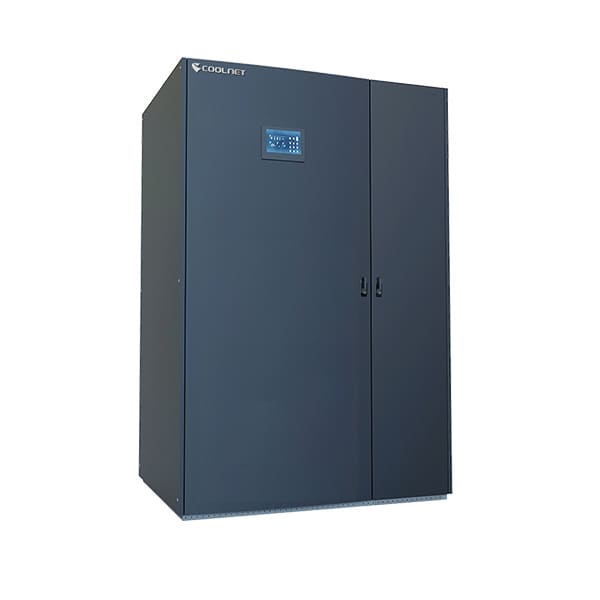
For optimal server room cooling, one must consider specialized solutions like air conditioning for computer room applications. These systems are tailored to handle the heat generated by high-performance equipment. The versatility of these air conditioning units ensures they can manage temperature fluctuations effectively, thus fully supporting busy server environments. Investing in dedicated air conditioning systems means you are prioritizing the health of your infrastructure.

Expanding on Air Conditioning for Computer Room Solutions

The functionality of air conditioning for computer room units encompasses advanced filtration technologies, enabling not just temperature regulation but also improved air quality. This facet is crucial in preventing dust accumulation, which can impede performance and lead to overheating. Moreover, many of these systems offer smart technology features that allow remote monitoring and adjustment, providing a level of control that was previously not possible. By staying ahead with intelligent climate management, you ensure not just efficient operation but peace of mind.

In conclusion, as we’ve explored, effective server room cooling is vital for maintaining operational integrity and performance. The shift from traditional systems to advanced technologies highlights the pressing need for better methods to address the cooling challenges faced in modern data centers. For those seeking efficient solutions, Coolnet stands out as a manufacturer with significant supply advantages, offering reliable products tailored to the demands of today’s tech environments. With Coolnet, you can equip your server room with innovative solutions that not only enhance cooling efficacy but also support sustained growth.

October 13, 2025 0 comments
0 FacebookTwitterPinterestEmail
Newer Posts
Older Posts

Recent Posts

  • When Tube Cutting Stops: A Problem-Driven Checklist to Source the Right Machine
  • Aligning procurement and engineering around Gas Detector Panel while reviewing trade-off framing shortlisting
  • best 3 chinese shipping agents
  • How to Set Up a Self-Study Center Near Me That Actually Meets Operating Requirements
  • How to choose the right fiber laser for tube projects: a careful problem-solving guide

Recent Comments

No comments to show.

About Me

About Me

Vintage Lover

Sed ut perspiciatis unde omnis iste natus error sit voluptatem accusantium doloremque laudantium, totam rem aperiam, eaque ipsa quae.

Keep in touch

Facebook Twitter Instagram Pinterest Bloglovin Rss

Photography

  • When Tube Cutting Stops: A Problem-Driven Checklist to Source the Right Machine

    November 28, 2026
  • Aligning procurement and engineering around Gas Detector Panel while reviewing trade-off framing shortlisting

    November 27, 2026
  • best 3 chinese shipping agents

    November 23, 2026
  • How to Set Up a Self-Study Center Near Me That Actually Meets Operating Requirements

    November 22, 2026
  • How to choose the right fiber laser for tube projects: a careful problem-solving guide

    November 18, 2026

Recent Posts

  • When Tube Cutting Stops: A Problem-Driven Checklist to Source the Right Machine

    November 28, 2026
  • Aligning procurement and engineering around Gas Detector Panel while reviewing trade-off framing shortlisting

    November 27, 2026
  • best 3 chinese shipping agents

    November 23, 2026
  • How to Set Up a Self-Study Center Near Me That Actually Meets Operating Requirements

    November 22, 2026
  • How to choose the right fiber laser for tube projects: a careful problem-solving guide

    November 18, 2026

Categories

  • Business (166)
  • Global Trade (163)
  • Industry (171)
  • Market (165)
  • Tech (158)
  • Vintage (40)
    • Memories (14)
    • On The Road (12)
    • Photography (14)
  • Facebook
  • Twitter
  • Instagram
  • Pinterest
  • Bloglovin

@2021 - All Right Reserved. Designed and Developed by PenciDesign


Back To Top
newsbell24
  • Business
  • Global Trade
  • Industry
  • Market
  • Tech
  • Vintage