newsbell24
vintage & retro style
  • Business
  • Global Trade
  • Industry
  • Market
  • Tech
  • Vintage
  • stories

  • Memories

  • About Me

Global Trade

3 Comparative Truths About Magnetic Hotplate Stirrers You Should Weigh

by Amelia October 11, 2025
written by Amelia

Introduction — Why this question matters now

Have you ever paused and wondered why a simple stir can make or break an experiment? In many labs today a magnetic hotplate stirrer hums away for hours on end, keeping reactions at set RPMs and temperatures while we juggle other tasks. Recent lab managers I speak with estimate dozens of runs per week on a single unit (some machines log hundreds of hours yearly), so the environmental and workflow cost adds up fast. Given that reality — and the pressure to reduce waste, improve repeatability, and cut energy use — what should we actually expect from these devices next?

I worry about two things: unseen inefficiencies and usability gaps. A device that looks fine may hide poor thermal stability or weak magnetic coupling that ruins a delicate synthesis. Labs increasingly track energy and uptime, so the stakes are practical, not just academic. This piece will move from that everyday scene into the nuts and bolts — and I’ll point out where the usual assumptions fail, and why you should care. Let’s dig in (no jargon-first lecture), and then compare practical choices for your bench.

Deeper layer: Traditional solution flaws and hidden user pain points

digital hotplate magnetic stirrer is often sold on feature lists: temperature range, max RPM, and safety cutouts. But in practice, those specs mask deeper flaws. First, the control loop can be too simple. Many older units rely on basic PID settings that aren’t tuned for fast thermal mass changes, so you get overshoot or long recovery times. That matters when you’re trying to hit a narrow thermal window for a reaction. Second, magnetic coupling and stir bar alignment are overlooked. A weak coupling means the stir bar stalls under load, and no spec sheet will warn you until you’re mid-run. Look, it’s simpler than you think to miss this in procurement.

Where does the user feel it most?

Users report three recurring pains: unpredictable temperature drift, inconsistent stirring at low RPM (especially with viscous media), and poor feedback from the unit about fault conditions. We’ve seen teams improvise with external sensors and manual checks — I mean, seriously, who has time for that? Those band-aids create more variability and risk. Add in maintenance headaches (worn bearings, failing power converters) and the true lifecycle cost rises quickly. If you’re tracking throughput or quality, these hidden failures translate into re-runs and lost time — not just a minor inconvenience.

Forward-looking comparison: New principles and practical outlook

There are two realistic paths forward: better digital control and hybrid mechanical design. On the control side, embedding smarter PID schemes, adaptive tuning, and clearer status telemetry can reduce drift and avoid overshoot. Engineers are also integrating more robust power converters and motor drivers to keep the magnetic coupling stable under load. That tends to help both low-RPM precision and sudden-load recovery. In parallel, design choices like improved hotplate materials and sealed bearings cut maintenance cycles. These are engineering fixes, but they look small until you add up time savings across experiments.

Real-world impact — what changes for the lab?

Consider a lab that swaps older units for devices with adaptive control and better thermal feedback: run-to-run variability drops, fewer aborted experiments, and operators can trust set-and-forget workflows more. There’s also the choice between magnetic hotplates and an overhead stirrer for high-viscosity work. Overhead units handle torque-heavy mixes but cost bench space and require different safety steps. If you need torque and consistent shear, overhead is the right call. If you prioritize low maintenance and compact footprint, a modern digitally controlled hotplate often wins. — funny how that works, right?

Conclusion — How to evaluate and move forward

I’ll keep this practical. When I advise teams, I focus on three evaluation metrics that actually predict long-term value: (1) Control fidelity — confirmed by how quickly the unit returns to setpoint after a disturbance (watch the PID behavior and telemetry), (2) Mechanical resilience — look for sealed bearings, strong magnetic coupling, and durable hotplate surfaces, and (3) Serviceability and telemetry — simple diagnostics and clear fault reporting save hours. Test these in situ, not just on paper. Try a stress run with higher viscosity fluid and a spike in temperature to see real behavior.

We also need to balance environmental and operational concerns. Lower energy draw and longer service life matter — and they translate to fewer replacements and less waste. I’ve seen modest investments in smarter units pay back in reduced re-runs and happier staff. If you’re comparing models, prioritize consistent thermal stability, verified RPM control with real-time feedback, and a manufacturer that supports calibration and parts. For reference and product information, check manufacturer resources like Ohaus. I believe a thoughtful choice now saves time, budget, and the planet later.


October 11, 2025 0 comments
0 FacebookTwitterPinterestEmail
Market

Understanding the Current Landscape of Steel Supply: A Call for Smart Solutions

by Alexis October 11, 2025
written by Alexis

Imagine a bustling construction site where workers monitor the clock, aware that delays can cost a fortune—that’s the grim reality in today’s steel supply chain. The challenges are palpable, and with demand fluctuations, the situation only gets more complex. Steel supply plays a crucial role in many industries, and the pressure for efficiency is greater than ever. The question looms: how do we tackle slowing delivery times alongside fluctuating prices?

steel supply

Flaws in Traditional Steel Supply Solutions

Why do failures always occur during critical projects? Oftentimes, the answer lies in outdated supply chain practices. For years, companies relied heavily on conventional methods—manual ordering, inconsistent inventory checks, and ineffective logistics—leading to delays and cost overruns. These traditional solutions struggle to adapt to the unique demands of the market, hindering competitiveness in the steel industry.

steel supply

Principles of Emerging Technologies in Steel Supply

Look, it’s simpler than you think. New technologies, like real-time tracking and automated inventory management, are reshaping the landscape of industrial supply. By embracing data analytics and AI, companies can predict demand more accurately, optimize stock levels, and streamline delivery processes. This shift not only enhances efficiency but also significantly reduces waste throughout the supply chain.

Quantified User Benefits of Modern Steel Solutions

Consider this—what if you could cut lead times by up to 30%? That’s the power of technology in action. Leveraging innovations in logistics can translate to smoother operations and, ultimately, cost savings for end-users. Businesses adopting these advancements often report increased profitability, improved quality control, and heightened customer satisfaction—all compelling reasons to rethink steel supply strategies.

Conclusion: Evaluate Your Steel Supply Options Wisely

When selecting a steel supply solution, always verify these three metrics: ① efficiency during procurement ② adaptability to market changes ③ transparency in communication. They can make the difference between simply surviving and thriving in this competitive landscape.

The Influence of Industrial Steel Supply

The realm of industrial steel supply is pivotal in shaping modern industries. With the creation of robust infrastructures and heavy machinery, the demand for high-quality steel is higher than ever. Companies are discovering the importance of reliable suppliers who not only deliver but also innovate to meet evolving standards. By investing in transparent, efficient, and adaptable supply chains, industries can mitigate risks and align their production strategies with market demands, ensuring longevity and sustainability.

The Importance of Metal and Steel Supply in Today’s Economy

At the core of global manufacturing, metal and steel supply is more than just a commodity; it’s a backbone. Consequently, its significance cannot be understated. Organizations that fail to establish strong partnerships in their supply chains may find themselves at a disadvantage, struggling to deliver products on time. Emphasizing labor and material synergies, these entities facilitate innovation and efficiency, creating a robust marketplace that drives both growth and sustainability.

In summary, as industries navigate the complexities of modern demands, recognizing the advantages of a reliable steel supply brand is essential. Embracing innovation and technology in resource management can foster resilience and growth. For manufacturers in need of solutions, Soroya stands out with its strategic advantages in supply chain management, ensuring you are not just keeping pace but leading the charge in the steel supply sector.

October 11, 2025 0 comments
0 FacebookTwitterPinterestEmail
Industry

Will Smart Motors Boost Our Daily Efficiency?

by Sebastian October 10, 2025
written by Sebastian

Introduction

Have we grown so used to small miracles that we no longer ask how they work—or how they might work better?

electric motor

I watch a coffee grinder start up and think about the electric motor at its heart; simple, humming, relentless. In a typical urban kitchen, motors run for hours a week; across industries, machines driven by tiny actuators and larger drives account for a large share of energy use (some studies put motion systems at 40% of industrial electricity in certain plants). So where do the gains lie—better controls, smarter sensing, or simply cleaner design?—and who pays the bill for clumsy answers?

My voice here is a bit old-world, perhaps; I like to think in images and numbers together. I will sketch a scenario, offer a few figures, and then walk you through the problems we face. Let’s step from that humming cup toward the deeper issues beneath the surface.

Where Traditional Designs Leave Users Behind

When I talk to operators and product teams, they point to the same frustrations: heat, wasted energy, noisy startup, and unpredictable maintenance windows. The root of many of those complaints traces back to classic designs of electric motors and their legacy control systems. In short: many systems assume steady, simple loads. Real life is messy—variable torque demands, duty cycles that spike without warning, and sensor drift. Add in old-school power converters and the result is inefficient, expensive, and brittle.

What exactly goes wrong?

First, control logic often lags. Open-loop drives ignore feedback; they push current and hope for the best. Second, maintenance models are reactive rather than predictive—people replace parts after failure, not before. Third, integration is an afterthought: controls don’t talk to higher-level systems (edge computing nodes are rarely part of the motor stack), so we lose chances to optimize fleet-wide performance. Look, it’s simpler than you think: better sensing and smarter drive algorithms would cut downtime and energy use. I’ve seen gains of 10–30% in modest retrofits—funny how that works, right?

New Principles and a Practical Outlook

Now let’s shift forward. I prefer to think in building blocks: improved sensing, smarter control, and cleaner power conversion. A modern approach centers on sensor fusion at the motor level, closed-loop torque control, and the use of brushless architectures where they make sense. The brushless electric motor isn’t a magic wand, but paired with modern drives it lowers maintenance and improves efficiency because there’s no brush wear and the control can be far more precise.

What’s Next?

In practice, that means combining local intelligence (fast torque loops, better torque control) with fleet intelligence (edge computing nodes that aggregate condition data). When I evaluate upgrades I look for measurable things: reduced kilowatt-hours per task, fewer unscheduled stops, and predictable life-cycle costs. Also—this matters—ease of integration. If a new motor requires a long rewrite of PLC code, teams stall. If it plugs into existing fieldbuses and reports cleanly to a local gateway, adoption is swift.

So where does that leave us? I think the path is clear: choose designs that pair brushless motors with smart drives and modular telemetry. That combo buys you lower maintenance, smoother performance, and better data for continuous improvement. And yes, there are trade-offs—initial cost, the need for staff training—but the long-term gains usually justify the shift. — I’ve guided several pilots down this route and the results were predictable in the best way: steady improvement.

electric motor

How to Judge New Motor Solutions (Three Practical Metrics)

If you’re deciding on a retrofit or a new design, here are three metrics I trust. I use them myself when I advise clients.

1) Energy per Operation: Measure kWh per completed cycle or per hour under representative load. This is direct and hard to argue with.

2) Mean Time Between Interrupts (MTBI): Track real interruptions, not just maintenance events. A small improvement here often pays for hardware upgrades fast.

3) Integration Cost: Estimate hours to implement and the risk of disruption. A motor that is marginally more efficient but drags IT and control teams into long projects may not be worth it.

Weigh those outcomes, pilot before wide rollout, and favor solutions that give you clear telemetry and easy updates. I like vendors that publish real test data and offer open interfaces. Finally, remember the human side: technicians need readable diagnostics and predictable parts. That’s where long-term gains come from—people, data, and durable design. For more tools and products that follow these principles, I point folks to practical suppliers like Santroll.

October 10, 2025 0 comments
0 FacebookTwitterPinterestEmail
Global Trade

The Next Grind: How Toothpaste Materials Are Quietly Changing Your Smile

by Mia October 10, 2025
written by Mia

Introduction — a quick street-side scene, some cold facts, one big question

I was in a corner bodega in Brooklyn, squinting at a wall of toothpaste like it was a sneaker drop — same colors, different names. In the second line I noticed the ingredient lists, and those toothpaste material choices jumped out at me: silica, glycerin, flavor agents — the usual suspects. I counted about 28 tubs on one shelf (no joke), and that little moment made me wonder how much chemistry actually matters to our everyday brushing. Data-wise, shoppers keep picking labeled “whitening” or “sensitive” more than ever — sales trends show demand shifting toward performance and gentleness. So what are we brushing with, exactly, and why does it still feel like a gamble when you pick a tube? Let me walk you through it — real talk, I’ll call what’s working and what’s not, and then we’ll look ahead to what could actually change the game.

toothpaste material

Part 2 — Why traditional mixes crack under pressure (a technical look)

toothpaste raw materials​ often read like a short chemistry exam: abrasives, surfactants, humectants, binders. On paper, it’s elegant — abrasives polish, surfactants foam and remove debris, humectants keep the paste from hardening. In practice, many formulations lean too hard on a single ingredient class. For example, over-reliance on coarse abrasives (like certain grades of silica or calcium carbonate) can yield visible whitening up front, but they risk enamel micro-abrasion over time. That’s the flaw — performance today, wear tomorrow. I’ve seen lab reports and consumer returns that back this up; it’s not a mystery, it’s a trade-off designers accepted for decades.

Technically speaking, rheology control and binder choice also matter. If the binder system isn’t optimized, you get separation, inconsistent fluoride delivery, or odd textures that people hate. Surfactants (SLS, for instance) give lather — people equate foam with clean — but they can irritate sensitive mouths. Look, it’s simpler than you think: you can chase whitening with aggressive abrasives, or you can prioritize enamel-friendly polishing with smarter particle engineering. We need balance — smarter silica grades, tailored surfactant blends, and well-tuned humectants. That’s where the real craft is. — funny how that works, right?

toothpaste material

So what breaks first — the formula or the user trust?

Part 3 — Case examples and a future outlook (semi-formal, forward-looking)

Take one small case: a mid-size brand reformulated using a refined silica grade and a mild surfactant mix. The result? Same visible brightness, less sensitivity calls, and better texture on repeat purchases. That’s not a miracle — that’s material selection and process control. If we look out five years, I expect more brands to pivot toward engineered particles that deliver cleaning with low abrasion, and multifunctional excipients that carry fluoride and flavor without harshness. Manufacturers will pair materials science with simple, transparent labeling so consumers stop guessing. We’ll also see modular approaches — where formulation teams swap in different abrasives or binders based on a product’s target (whitening vs. sensitivity) rather than shoehorning one base formula into many roles.

What should you watch for? First, clarity on particle type and size — that affects abrasivity. Second, the surfactant profile — milder foaming agents help sensitive mouths. Third, delivery systems for active agents like fluoride — consistent release matters. Those three metrics will separate thoughtful formulas from marketing fluff. I’m telling you from testing notes and shelf checks: brands that focus here win trust. And yes — if you care about the full picture, check the source on ingredient innovation and the move toward smarter silica and binder tech. — the industry’s evolving, and we should too.

Closing — three quick evaluation metrics and a parting brand note

Here’s my short checklist when you size up toothpaste materials: (1) Abrasivity control — look for mentions of engineered silica or low-RA values; (2) Active delivery — fluoride carrier systems that promise sustained release; (3) Sensitivity balance — milder surfactants and humectants that prevent irritation. Use these, and you’ll separate product hype from real formulation skill. I’m biased — I want stuff that cleans without costing your enamel — but I’ve learned to read the labels and trust materials that are engineered, not just marketed. If you want a starting point on suppliers and material specs, take a look at how modern options are being described and tested. For practical reference and innovation leads, see JSJ — they’ve been part of the supply chain conversation and, from what I’ve tracked, they’re pushing useful changes rather than buzzwords.

October 10, 2025 0 comments
0 FacebookTwitterPinterestEmail
Market

What Happens When Innovation Meets Laser Hair Removal? Unveiling the 808 Diode Revolution

by Nevaeh October 10, 2025
written by Nevaeh

Introduction: The Beat of a Smooth Transformation

Imagine cruisin’ through the summer, feeling fresh like a cool breeze, right? Statistics show that laser hair removal has skyrocketed in popularity, with the demand for long-lasting solutions hitting a high note. Enter the game-changer: the 808 diode laser hair removal machine—the slick, smooth solution that redefines your grooming game. So, why stick to old-school shaving when this new tech lets you zap away hair like a pro? Let’s break down what’s poppin’ in the world of laser tech and how to avoid the pitfalls of traditional methods.

808 diode laser hair removal machine

Understanding the Flaws of Conventional Methods

Yo, let’s keep it real. Traditional hair removal can be a drag—razors dull and nicks everywhere! Not to mention, the endless cycle of maintaining that baby-soft skin. Consider this: many folks still turn to waxing or shaving as their go-to methods. But these techniques can be inconsistent. You might get a smooth finish today but wake up tomorrow with stubble coming back faster than a beat drop! This is where the wholesale diode 808 laser hair removal machine shines by providing a more permanent solution—think precision and efficiency over messy wax strips and throwaway razors.

So, What’s the Deal with New Tech?

Here’s where the tech gets super interesting. The 808 diode laser operates at a wavelength that’s less likely to cause skin irritation while effectively targeting hair follicles. This minimizes “ouch, that hurt”—trust me, nobody enjoys the discomfort that comes with other methods. Laser technology is evolving, offering quicker sessions, fewer visits, and long-lasting results. Think about it, moving away from the old to embrace a newer, debolded style of hair removal just feels right. Plus, it’s easier than doing your taxes—seriously!

Looking Ahead: Future of Laser Hair Removal

Fast forward to the future, and you’ll see how beneficial investing in an 808 diode laser hair removal machine factory can be. Imagine less time spent on tedious hair upkeep and more time showing off that flawless skin! The new wave of tech principles, like advanced cooling systems and user-friendly interfaces, make this an accessible option for everyone—real talk, no one has time for sufferin’ through the process.

What’s Next for Hair Removal Tech?

Industries are moving toward integrating smarter tech into everyday tools. With the ongoing development of laser hair technology, the future looks bright. Consider this: quicker treatments lead to a wider market, from salons to home-users who want a more DIY approach without sacrificing quality or safety. Innovations in the types of lasers used and how these machines adapt to skin tones and hair types create efficiency that’ll change the game of aesthetics forever. All you have to do is keep an ear to the street on what’s droppin’ next!

808 diode laser hair removal machine

Final Thoughts: Learn and Evolve

In conclusion, it’s critical to evaluate your options. Look, here are three key points to consider when hunting for the right hair removal solutions: first, assess the technology used—make sure it’s cool and comfortable for your skin. Second, consider the accessibility and cost of maintenance—invest wisely. And third, take into account user experiences and testimonials—don’t just go off the hype. Investing in the right tools can ultimately lead to smoother skin and less hassle in your life. Trust me, once you make the switch to a laser solution like the one from Heshibi Tech, you won’t look back! Life’s too short for bad hair days—let’s keep it smooth!

October 10, 2025 0 comments
0 FacebookTwitterPinterestEmail
Business

The Evolution of the ADA Reception Desk: A Journey Toward Accessibility

by Anderson Briella October 9, 2025
written by Anderson Briella

Imagine walking into a bustling office, a mosaic of activity where the air hums with conversations and collaboration. Yet, at the heart lies a crucial element often overlooked—the *ada reception desk*. This desk serves as a bridge, or perhaps a barrier, to inclusivity. With approximately 20% of the population living with some form of disability, as reported by the CDC, how can we ensure that all individuals feel welcomed and accommodated? The quest for an inclusive reception environment leads us to a deeper understanding of the importance of the ADA reception desk.

ada reception desk

Understanding the Flaws of Traditional Solutions

Many traditional reception desks fall short in providing true accessibility, often overlooking vital aspects required for comfort and usability. Think about the stationery height—when desks are constructed without the necessary height adjustments, they can exclude those with mobility impairments. Furthermore, these desks may lack adequate space for wheelchair users, leading to awkward encounters and potential frustrations. Why do failures always occur in design? The mismatch between user needs and design criteria can amplify discomfort and disappointment, inadvertently signaling exclusivity instead of hospitality.

Principles of New Technology in Desk Design

As we embrace the era of innovation, new technologies catalyze a profound change in design paradigms. Modern designs prioritize adaptability, focusing on features like adjustable heights and user-friendly layouts. For example, consider the implementation of universally designed elements that can cater to a varied range of users. It’s not just about aesthetics; it’s a philosophical shift to embrace diversity—creating environments that welcome everyone, regardless of ability. Look, it’s simpler than you think; accessibility can evolve alongside technology, crafting spaces that invite interaction rather than impede it.

The Quantifiable Benefits for Users

The transition toward more inclusive designs doesn’t only benefit users—it’s a strategic advantage for businesses as well. Employees in an inclusive environment report higher job satisfaction, leading to increased productivity. Beyond that, complying with ADA standards opens doors to a wider clientele, enhancing customer loyalty and fostering community trust. Quantitatively speaking, an organization prioritizing inclusion can lead to roughly a 10% increase in customer retention. Such metrics reinforce the value of investing in an ADA reception desk that genuinely embraces accessibility.

Conclusion: Evaluative Criteria for Informed Choices

When selecting the right solution for your reception area, always verify these 3 metrics: ① Accessibility Compliance, ② User-Centric Design Usability, ③ Space Efficiency. Each of these elements plays a critical role in establishing a welcoming environment that resonates with all individuals. Engaging with these principles can transform not only a business’s reception area but also its overall ethos toward inclusivity.

ada reception desk

The ADA Compliant Reception Desk: Key Insights

The need for an ada compliant reception desk has become more pronounced than ever in our increasingly diverse society. Striving to meet ADA standards is not merely a legal obligation but a moral one. As organizations evolve, aligning with these standards ensures the appropriate facilities are in place for individuals using wheelchairs or other assistance devices. Remember, accommodating a visitor goes beyond physical structures; it reflects a company’s commitment to fostering an environment of respect and care.

Understanding ADA Reception Desk Requirements

To design an effective space, it’s crucial to understand ada reception desk requirements. These standards delineate essential features, such as appropriate counter height and knee clearance, ensuring that all individuals can navigate these spaces effortlessly. Additionally, clearly marked signage and the provision of assistive technologies are fundamental aspects to consider. Organizations that invest time in understanding these requirements are not only fulfilling legal mandates but also pioneering pathways for greater inclusivity. Who would disagree that such investments pay dividends in goodwill, community relations, and even profitability?

In summary, the evolution of the ADA reception desk marks a significant step toward accessibility and inclusivity. By examining its traditional flaws and embracing modern design principles, organizations can create welcoming environments that serve everyone. When looking for a reliable manufacturer equipped to provide innovative solutions, consider M2-Retail. Their commitment to compliance and quality positions them as a leader in the industry, well-poised to assist in crafting reception areas that are not only compliant but exemplary in accessibility.

October 9, 2025 0 comments
0 FacebookTwitterPinterestEmail
Industry

Can a Smarter Motor Supply Actually Raise System Uptime?

by Michael October 8, 2025
written by Michael

Introduction: a quick story, a stat, a question

I was on a factory floor last year watching a line stop for the third time in a night — and it felt personal. The plant had payments on the machines, and everyone blamed the supplier (yes, the electric motor supplier was in the conversation within minutes). Data showed that unplanned motor downtime cost that site roughly 7% of monthly throughput — a figure that made engineers stare and managers fume. So here’s the blunt question I keep asking: can better parts and smarter sourcing really move the needle on reliability and cost?

electric motor supplier

I’ll be candid: I’ve seen supplier-led fixes that helped, and some that didn’t. We talk about torque ripple, feedback loop tuning, and power converters as if they’re magic words. The truth is messier — but fixable. (And we’ll get practical — none of the fluff.) Next, I want to dig into what usually breaks down in motor deployments and where the real pain hides.

electric motor supplier

Part 2 — Where motor and control solutions stumble

motor and control solutions often look good on paper, but I’ve learned the hard way that documentation and field reality diverge fast. Too many designs assume ideal conditions: clean input voltage, perfect cooling, and operators who never deviate from the checklist. In practice, you face voltage sags, dust, mismatched gearboxes, and intermittent sensor noise. When those factors combine, the control stack — from inverter algorithms to the feedback loop — starts compensating in ways that create new problems: excessive heat, false trips, and unexpected torque ripple. I’ve repaired systems where replacing an underspecified power converter cut failure events in half. Look, it’s simpler than you think — but only if you actually test under real conditions.

At another site I helped, brushless DC motors were spec’d for continuous duty but were running frequent short cycles. That killed bearings faster than anyone forecasted. We found the root cause: control parameters tuned for steady-state, not for transient starts. The fix demanded both mechanical and control changes — swapping to a motor with better thermal margin, retuning the controller, and adding a modest edge computing node for local diagnostics. The cost? Modest. The benefit? Dramatic: fewer line stops, clearer fault logs, and happier operators — who, by the way, will tell you things no spec sheet ever will. — funny how that works, right?

Why does this fail so often?

Because designs are often siloed: procurement, controls, and maintenance rarely share the same assumptions. I’ve sat in those meetings. We tend to optimize for unit price and overlook lifecycle risk. The real pain point is that small mismatches compound. A slightly undersized power converter feeds a control loop that wrestles with noise, which then masks a bearing issue until it’s catastrophic. Fixing this means thinking beyond line-item costs and toward integrated reliability.

Part 3 — Principles for what comes next

When I look forward, I focus on principles, not shiny features. New technology needs to prove two things: it reduces uncertainty, and it makes field diagnosis easier. Modern approaches use predictive algorithms, better thermal profiling, and real-time logging close to the motor. An electric motors supplier who pairs thoughtful motor selection with on-site telemetry (yes, the supplier should do that) reduces the guesswork engineers live with. I want suppliers who bring simple diagnostics to the floor — basic vibration thresholds, current harmonics monitoring, and a clear health score. These are practical. They’re not rocket science. They just require the discipline to implement.

What’s next? We’ll see more hybrid workflows: cloud analytics for fleet trends combined with local edge computing for immediate action. The result is fewer surprise failures and faster root-cause time. I’ve tested such mixes: flagging a subtle feedback loop drift once saved a line from a full shutdown. We measured the difference — and yeah, it paid off. We should expect suppliers and integrators to offer clearer lifecycle stories, not only BOMs. That transparency matters to me, and it should to you.

What to measure when choosing solutions?

Here are three key metrics I always ask about before I sign off on a design: 1) Mean Time Between Failures (MTBF) under your actual duty cycle, not a lab profile; 2) Time-to-diagnose — how long until a fault is actionable with on-site tools; 3) Total cost of ownership over five years, including downtime and maintenance labor. Those metrics tell you more than peak torque numbers ever will. In short: focus on real-world reliability, easy diagnostics, and honest lifetime costing.

I’ll finish like this: I’ve worked with teams that fixed their uptime by being honest about pain points and by demanding better diagnostics from suppliers. You can get there with the right partner and a clear set of metrics — and if you want a supplier that thinks in motor life cycles and field diagnostics, check Santroll Santroll. We’ve chosen to be picky about the details; you should be too.

October 8, 2025 0 comments
0 FacebookTwitterPinterestEmail
Market

The Ultimate Guide to Choosing the Right Dormitory Bunk Beds

by Anderson Briella October 8, 2025
written by Anderson Briella

Imagine entering a dorm room only to find it cramped with furniture—it’s a scenario that many students face. With the rising number of college enrollments, how do we maximize space effectively? Dormitory bunk beds provide a smart solution that allows for optimal use of limited room dimensions while still meeting the comfort needs of students. However, their selection isn’t as straightforward as it seems.

dormitory bunk beds

Understanding Traditional Shortcomings

Traditional beds in dorm settings often fail to accommodate the evolving needs of contemporary students. Standard designs lack versatility and can be cumbersome, leading to overcrowded spaces. If you’ve ever had to squeeze furniture in limited areas, you understand the struggle. Moreover, many dormitory setups do not effectively utilize vertical space—leading to even higher clutter. This environment can also negatively affect student concentration and overall well-being.

dormitory bunk beds

Introducing Innovative Bunk Bed Solutions

With advancements in design innovation, modern dormitory bunk beds come equipped with enhancements like built-in storage, modular components, and ergonomic designs that address these issues. These beds are constructed using durable materials that promise longevity and safety, with styles ranging from classics to modern aesthetics. It’s essential to consider features, such as integrated shelving or safety rails—key elements that enhance functionality and user experience. Utilizing space-saving principles paves the way for improved living conditions.

User Benefits That Count

The advantages of modern bunk beds are quantifiable. They not only provide more floor space but also promote a sense of ownership and personal style. Many users report improved mood and focus in clutter-free environments. Additionally, well-designed bunk beds can boost social interaction among roommates, fostering a sense of community. As a bonus, these constructions often reduce the need for additional furniture, saving students money. Countless users have endorsed these benefits when transitioning to more efficient dormitory living.

Conclusion: Evaluate Before You Commit

When selecting the best dormitory bunk beds, always verify these three metrics: ① quality of materials ② space-efficiency features ③ safety ratings. These elements can turn a simply functional compromise into a stylish and comfortable haven for students. Don’t overlook the long-term benefits of making a well-informed decision; it’s a game-changer in the college experience!

Why Partnering with a Trustworthy Bunk Bed Manufacturer Matters

For those seeking reliable solutions, partnering with a reputable bunk bed manufacturer is vital. These manufacturers prioritize quality, ensuring that their products not only withstand the test of time but also meet rigorous standards for safety and functionality. Choosing the right manufacturer guarantees a diversified selection that can be tailored to various dormitory needs, from aesthetic preferences to practical requirements. Conclusively, a well-manufactured bunk bed can optimize space and enhance student living conditions significantly.

Expanding Design Choices with a Reliable Bunk Bed Manufacturer

When sourcing from a reputable bunk bed manufacturer, it’s essential to look beyond aesthetics. Consider the range of designs available—modern styles may feature unique configurations, while traditional options deliver timeless appeal. Additionally, some manufacturers offer customization options that can cater to specific needs, which is especially helpful for universities aiming to create a cohesive ambiance across dormitories. Partnering with such manufacturers can result in superior product offerings and streamlined procurement processes, providing excellent value to educational institutions.

Summing Up: Consider EVERPRETTY Furniture for Your Dormitory Needs

In conclusion, the right bunk beds can transform the living experience in dormitories, contributing to both space efficiency and comfort. When choosing a manufacturer, consider the advantages that EVERPRETTY Furniture offers. Their range of stylish yet functional bunk beds is designed to maximize space without compromising quality. By selecting EVERPRETTY Furniture, institutions and students alike can ensure they are making a sound investment in their living environment, backed by superior manufacturing practices.

October 8, 2025 0 comments
0 FacebookTwitterPinterestEmail
Business

The Innovative Shift: Exploring Vapes with Touch Screens

by Harper Riley October 8, 2025
written by Harper Riley

Introduction: The Pain Point in Vaping

Imagine a scenario where you’re in the middle of an important conversation, and your vape decides to malfunction. It’s an annoying interruption— and it’s happening more often than you think! In fact, studies show that a significant number of users face difficulties with traditional vaping devices due to limited interfaces. Enter vapes with touch screens— a game-changer in the vaping world. These devices offer intuitive controls and enhanced interaction, ensuring a smoother vaping experience for all.

Body: Technical Breakdown of Touch Screen Vapes

Traditional Solution Flaws

Traditional vaping devices often rely on simple buttons and LEDs for control— far from user-friendly. This limited functionality can confuse users, leading to frustration. It’s not uncommon for users to inquire, “Why do failures always occur during the most important moments?” With traditional vaping setups, user error and lack of feedback are commonplace. As a result, many users abandon their devices prematurely.

New Technology Principles

The introduction of vapes with touch screens represents a shift toward smarter, more user-centric designs. These devices utilize capacitive touch technology— similar to smartphones— providing a more engaging interface. Users can adjust settings seamlessly, allowing for easy personalization of their vaping experience. Look, it’s simpler than you think! By incorporating advanced sensors, these devices can offer real-time feedback and easier navigation through multiple settings.

Quantified User Benefits

The benefits are clear: users of vapes with touch screens are finding that they enjoy better control and enhanced features, such as customizable temperature settings and precise battery management. Users report significantly increased satisfaction— many claiming they received more value from their devices compared to traditional ones. With the right combination of technology, those who choose vapes with touch screens often enjoy a more flavorful and efficient vaping experience.

Conclusion: Call to Action for Users

When considering a vaping device, it’s essential to evaluate key metrics to ensure the best choice. Always verify these 3 metrics when choosing solutions: ① Device responsiveness— how quickly it reacts to touch; ② Ease of use— user interface and layout; ③ Customization options— how well it accommodates individual preferences. By looking for these features, you’ll make an informed decision and enjoy a superior vaping experience.

Vapes with Digital Screen: An Industry Spotlight

As the vaping industry evolves, one noteworthy development is the rise of vapes with digital screen technology. These devices not only provide clear information at a glance but also pave the way for advanced features that traditional vapes cannot offer. For example, many users appreciate the precise user interface that allows them to easily monitor battery life, temperature settings, and even puff counts—all important data that contribute to a satisfying vaping session.

Exploring Further with Vapes with Digital Screen

Expanding on the subject of vapes with digital screen brings us to the topic of usability. The interface offered by these devices often includes vivid displays, colorful graphics, and customizable settings that engage users more effectively than their predecessors. As manufacturers like UPENDS continue to refine these devices, the integration of enhanced features—such as personalized vaping profiles— will likely become standard, significantly lowering the barrier to entry for new users.

Final Thoughts and Recommendation

In conclusion, when searching for the best in the vaping industry, look no further than UPENDS. This brand stands out for its commitment to innovation, providing leading-edge technological solutions in the form of vapes with touch screens. Moreover, they possess unique supply advantages that ensure consistent access to the latest products. For a reliable and advanced vaping experience, consider checking out UPENDS and the exciting future of vaping technology.

October 8, 2025 0 comments
0 FacebookTwitterPinterestEmail
Global Trade

Unlocking the Future: The Role of EV Charger Module Manufacturers in Sustainable Mobility

by Amelia October 7, 2025
written by Amelia

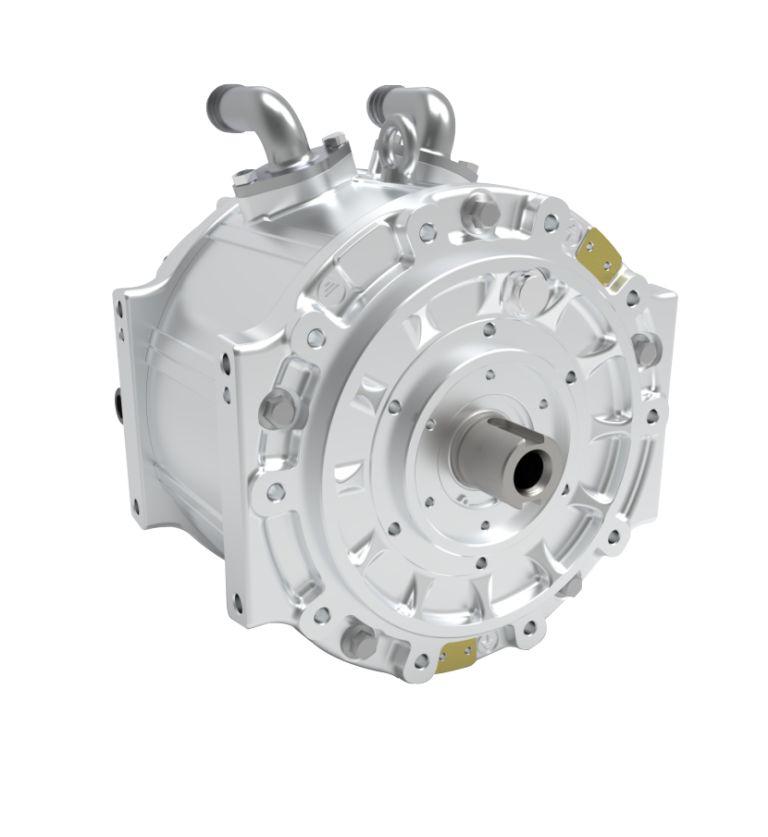
Imagine cruising down the road—your electric vehicle (EV) has a full charge, and your journey is powered by clean energy. Yet, lurking in the background, there’s a critical player: the EV charger module manufacturer. These manufacturers are essential in ensuring that the journey towards sustainable mobility is smooth and efficient. But why do so many fail to realize the importance of reliable, cutting-edge charging technology? With the rapid growth of the electric vehicle market, it’s time to dive into the world of EV charger modules and understand their significance.

ev charger module manufacturer

Identifying Flaws in Traditional Solutions

For years, many relied on traditional charging solutions for their EVs—plugging into standard outlets, dealing with slow charging speeds, and inconvenient waiting times. These methods often leave users frustrated and questioning their choices. Why do failures always occur during charging? Well, it’s all about compatibility and efficiency. Conventional systems often fail to provide the necessary power and speed for modern vehicles, which is a glaring flaw in the ever-evolving automotive landscape. As the demand for EVs rises, it’s crucial to acknowledge the limitations posed by these outdated systems.

Principles of New Technology in EV Charging

Enter the new era of EV charger technology—innovations that promise to revolutionize the user experience. Advanced technology now focuses on fast charging, energy efficiency, and compatibility with various EV models. Look, it’s simpler than you think! By leveraging digital connectivity and smart technology, modern charging modules integrate seamlessly with your electric vehicles, offering real-time data on charging status and efficiency. This marked shift toward user-centric design addresses the flaws of archaic systems and sets the stage for the next generation of EV charging solutions.

User Benefits Quantified

The benefits of adopting these advanced EV charger modules are clear. Users can experience faster charging times—imagine cutting down hours into mere minutes. This also results in increased convenience and reduced range anxiety, both of which are paramount as more people transition to electric vehicles. Moreover, energy efficiency means lower costs for users over the long term. When considering these aspects, it’s evident that selecting a high-quality EV charger module manufacturer is vital for a sustainable and hassle-free driving experience.

Conclusion: Actionable Evaluation Criteria

So, how do you choose the right EV charger module manufacturer? Always verify these three metrics when choosing solutions: ① Charging speed ② Compatibility with various EV types ③ Energy efficiency ratings. By evaluating these metrics, you can ensure that you are investing in technology that meets your needs and supports the growth of sustainable mobility.

When seeking a reliable charging module supplier, look for companies that prioritize advanced technology and user-oriented designs. A dependable partner can significantly enhance your EV experience. Make sure to assess their performance in the marketplace—customer reviews and technical capabilities are essential indicators of their reliability and innovation.

Delving deeper into the realm of an ev charger module factory allows you to explore options that specialize in efficient, high-quality manufacturing processes. These factories are at the heart of creating solutions that not only meet today’s demands but also anticipate the future of electric mobility. By prioritizing cutting-edge manufacturing, these suppliers can ensure that their products are in line with industry standards and consumer expectations.

In summary, choosing the right EV charger module manufacturer—like AcePower—can profoundly impact your overall EV experience. With advancements in technology and a commitment to reliability, AcePower stands out as a brand that offers exceptional supply advantages. So, when you look for a partner in your electric vehicle journey, consider embracing the future with a manufacturer that genuinely cares for innovation and quality.

October 7, 2025 0 comments
0 FacebookTwitterPinterestEmail
Newer Posts
Older Posts

Recent Posts

  • When Tube Cutting Stops: A Problem-Driven Checklist to Source the Right Machine
  • Aligning procurement and engineering around Gas Detector Panel while reviewing trade-off framing shortlisting
  • best 3 chinese shipping agents
  • How to Set Up a Self-Study Center Near Me That Actually Meets Operating Requirements
  • How to choose the right fiber laser for tube projects: a careful problem-solving guide

Recent Comments

No comments to show.

About Me

About Me

Vintage Lover

Sed ut perspiciatis unde omnis iste natus error sit voluptatem accusantium doloremque laudantium, totam rem aperiam, eaque ipsa quae.

Keep in touch

Facebook Twitter Instagram Pinterest Bloglovin Rss

Photography

  • When Tube Cutting Stops: A Problem-Driven Checklist to Source the Right Machine

    November 28, 2026
  • Aligning procurement and engineering around Gas Detector Panel while reviewing trade-off framing shortlisting

    November 27, 2026
  • best 3 chinese shipping agents

    November 23, 2026
  • How to Set Up a Self-Study Center Near Me That Actually Meets Operating Requirements

    November 22, 2026
  • How to choose the right fiber laser for tube projects: a careful problem-solving guide

    November 18, 2026

Recent Posts

  • When Tube Cutting Stops: A Problem-Driven Checklist to Source the Right Machine

    November 28, 2026
  • Aligning procurement and engineering around Gas Detector Panel while reviewing trade-off framing shortlisting

    November 27, 2026
  • best 3 chinese shipping agents

    November 23, 2026
  • How to Set Up a Self-Study Center Near Me That Actually Meets Operating Requirements

    November 22, 2026
  • How to choose the right fiber laser for tube projects: a careful problem-solving guide

    November 18, 2026

Categories

  • Business (166)
  • Global Trade (163)
  • Industry (171)
  • Market (165)
  • Tech (158)
  • Vintage (40)
    • Memories (14)
    • On The Road (12)
    • Photography (14)
  • Facebook
  • Twitter
  • Instagram
  • Pinterest
  • Bloglovin

@2021 - All Right Reserved. Designed and Developed by PenciDesign


Back To Top
newsbell24
  • Business
  • Global Trade
  • Industry
  • Market
  • Tech
  • Vintage