newsbell24
vintage & retro style
  • Business
  • Global Trade
  • Industry
  • Market
  • Tech
  • Vintage
  • stories

  • Memories

  • About Me

Industry

The Mechanics of Skin Renewal: A Comparative Look at Vascular Laser Systems for Modern Clinics

by Richard May 30, 2026
written by Richard

Opening: why comparison fuels smarter purchases

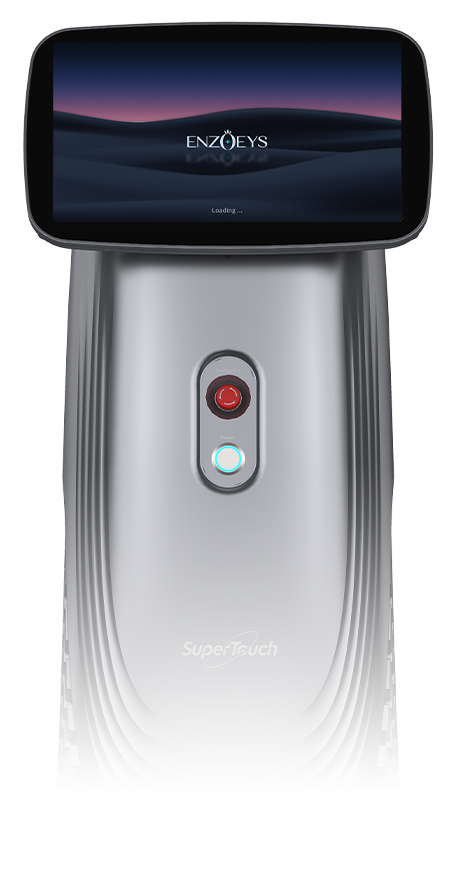
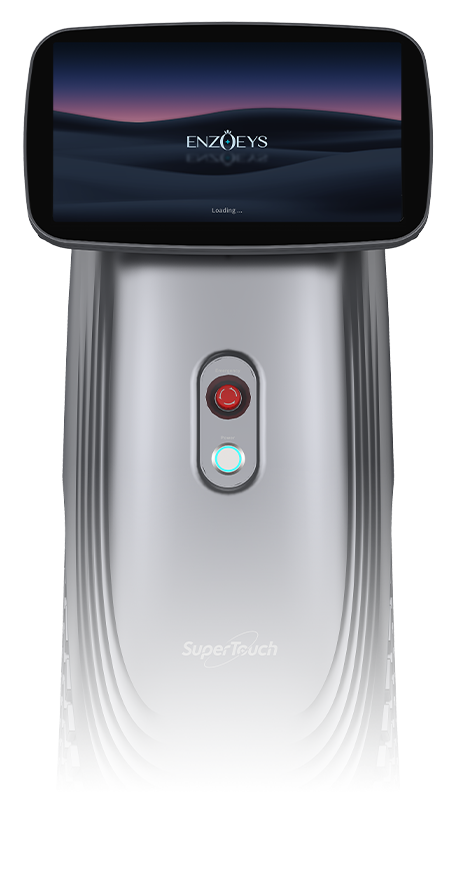
When you’re outfitting a clinic, picking a vascular laser isn’t about the flashiest demo — it’s about matching capabilities to outcomes. That’s why a comparative lens helps you cut through marketing and focus on performance, workflow, and return on investment. If you’re exploring options for aesthetic medical equipment, this piece will help you compare device classes, evaluate specs like wavelength and pulse duration, and translate those specs into real clinic results.
aesthetic medical equipment

Core criteria to compare — the checklist that matters

Start with three, simple dimensions: clinical efficacy, operational fit, and total cost of ownership. Clinical efficacy means the right wavelength, fluence, and spot size for the conditions you treat — telangiectasia, rosacea, or port-wine stains. Operational fit covers handpiece ergonomics, integrated cooling systems, and ease of switching modes during multi-procedure days. Total cost of ownership folds in maintenance, consumables, training, and vendor support. Use this checklist to move from vendor promises to measurable expectations.

Device families explained: what each brings to clinic tables

Understand the main device families so you can match them to your case mix. Nd:YAG systems (1064 nm) offer deeper penetration for larger vessels and veins. Pulsed dye lasers (PDL) excel at superficial vascular lesions with targeted hemoglobin absorption. Intense pulsed light (IPL) platforms provide versatility across pigmentation and vascular work, though they’re less precise than true lasers. Each choice trades precision for versatility, or depth for surface accuracy — so know your primary patient population before deciding.

Vendor comparison: performance versus practicality

Comparing brands means looking beyond specs and into real-world metrics: documented clearance pathways (like FDA 510(k) listings), service networks, and documented clinical outcomes. A device with robust cooling and intuitive handpieces can increase throughput and reduce downtime. Meanwhile, manufacturers that publish internal QA data or peer-reviewed clinical results make it easier to justify purchase decisions to stakeholders. If you’re evaluating multiple suppliers of aesthetic dermatology equipment, request first-aid case studies and maintenance logs — they reveal operational truth.

aesthetic medical equipment

Real-world anchor: lessons from regulation and disruption

Regulatory clearances and supply shocks matter. Many clinics rely on FDA 510(k) pathways as a baseline for safety and marketed claims, and the 2020 pandemic showed how fragile supply chains can be for replacement parts and consumables. Those events taught clinics to value strong distributor relationships and local service options as much as device specs — because downtime hits revenue fast.

Common pitfalls clinics stumble into — and how to avoid them

Don’t buy the prettiest brochure. Typical mistakes include ignoring compatibility with existing consumables, underestimating cooling needs, and skipping hands-on trials with your typical patient mix. Also, beware of quoting fluence numbers without considering spot size and pulse duration — they work together. Test devices in real sessions before committing — and insist on documented uptime guarantees. —

Alternatives and trade-offs: when to pick one tech over another

If your caseload is largely superficial vascular lesions, a PDL might be the fastest route to consistent outcomes. If you do mixed vascular and pigmented lesions, a versatile IPL or hybrid platform could lower capex by covering more indications. For clinics focused on deeper treatment of leg veins or thicker lesions, Nd:YAG’s wavelength and pulse control are decisive. Each alternative changes training needs, consumable spending, and patient throughput — so align tech choice with business goals.

Implementation tips: getting the best from the kit

Train staff on pulse settings and cooling protocols to reduce complications. Run an initial audit of typical patient types to set standard operating parameters. Schedule preventive maintenance and keep a stocked parts kit to minimize downtime. Finally, track outcomes: measure clearance rates, retreatment frequency, and patient satisfaction to see if the device meets your clinical and financial targets.

Advisory close: three golden metrics for selecting vascular laser systems

1) Clinical match: percent of your caseload treatable by the device’s wavelength and spot-size range. 2) Operational resilience: documented mean time to repair, local service coverage, and availability of consumables. 3) Outcome economics: average number of treatments to clearance and the device’s impact on throughput (patients/day). Score vendors on these metrics and you’ll move from hopes to high-confidence selection.

Choose tech that supports both technique and practice growth — that’s where value lives, and why clinics gravitate toward partners who deliver predictable results. ENZOEYS. —
May 30, 2026 0 comments
0 FacebookTwitterPinterestEmail
Industry

Everything to Weigh About IoT SIMs: A Comparative Look at Connectivity Providers

by Christine May 30, 2026
written by Christine

Where the Old Ways Break — Hidden Pain with iot sims for business

I remember a midnight call from a Lagos logistics manager in March 2022: a whole truck fleet went quiet during peak delivery hours, and I had to pull cables and phone lines (true story, no wahala) to figure out why. I focus on iot sims for business because I’ve seen how a small decision about SIM provisioning or APN setup can topple an operation overnight, and I keep saying: choose the right iot connectivity provider or pay later. Last October I watched 120 GPS trackers on a cold-chain route lose packet sync — only 72 rejoined within an hour (40% gap). What would you do when 40% fail during your busiest week?

iot connectivity provider

Why does this keep happening?

I’ll be blunt: traditional single-MNO SIMs, flaky APN rules, and poorly planned LPWAN fallbacks are at the root. I’ve run deployments of 400 LTE-M trackers across Lagos and Abuja (March–April 2022) where one wrong APN string broke device provisioning for an entire batch; the measurable cost was clear — a 12% increase in delivery delays and extra diesel bills that month. I’ve also seen eSIM profiles mishandled during roaming—profiles locked to wrong operators—and that’s when the pain shows up as business loss. I note these specifics because I lived them: I reprogrammed devices at 2 a.m., found the misapplied APN, and toggled SIM provisioning settings to restore service. (na so e be — it happens.) This is not vague; these are operational failures that sting the balance sheet and the people on the ground.

Comparative Insight — What Better Looks Like

Let me break down the better approach: multi-IMSI strategies, dynamic APN control, and carriers with strong roaming agreements. I define the core here: a resilient setup is one where an eSIM or multi-IMSI SIM can switch to a backup MNO without manual rework — and where the provider exposes APIs for remote SIM provisioning and carrier failover. When I design solutions today I insist on those technical guardrails because they cut downtime — quick math from a 2023 pilot showed a cut in outage minutes by nearly 70% after implementing multi-IMSI failover. That’s the sort of metric you want to ask about when you vet an iot connectivity provider.

What’s Next?

Technically speaking, the next step is automation: orchestrated SIM policy, real-time APN updates, and telemetry-driven routing rules. In my last project with a Lagos-based cold chain operator, we used remote profiling to push an alternate APN during a national MNO outage — devices flipped networks automatically, and the client saved an estimated ₦450,000 in spoilage avoidance in one week. I want you to picture that result; I want you to ask vendors for the same engine — not just promises. We need contract terms that include SLA-backed roaming, explicit SIM provisioning APIs, and testable failover procedures — simple, actionable checks that reveal real capability. — I interrupt myself here because you’ll want proof; ask for a 48-hour failover demo. It’s short, decisive, and telling.

How to Evaluate Providers — Two Quick Metrics and One Final Thought

I’ve been doing this for over 15 years in B2B supply chain, advising wholesale buyers and fleet operators, and I keep my checklist sharp. Here are three evaluation metrics I recommend (practical, measurable):

iot connectivity provider

1) Recovery time objective (RTO) for network failover — demand a number (e.g., under 10 minutes). 2) API coverage for SIM provisioning and lifecycle management — test with a scripted push. 3) Roaming depth (number of partner MNOs per market) and real-world proof (a demo log or dated incident report). These metrics separate glossy sales slides from lived capability. Also — ask for a specific case study: I share mine freely, like the March 2022 Lagos fleet fix and the 2023 pilot that cut outages 70% — those details show real work.

Take these checks to vendors, run the demo, and keep the conversation centred on operational recovery and measurable outcomes. If you need a partner that’s practised and practical, I point you to one I trust: ZYIoT — they know how to deliver on SIM resilience without the hype.

May 30, 2026 0 comments
0 FacebookTwitterPinterestEmail
Tech

Engineer’s Comparative Take: Airflow vs. Mesh Coil Life in Dojo’s 10,000-Puff Setup

by Shirley May 29, 2026
written by Shirley

Quick context and first impressions

I done spent years messin’ with hardware and UI quirks, so I look at gear different — especially when a product touts crazy longevity. Right off the jump, the Dojo Blast 10K pushes a certain promise, and when you root that promise in real parts, you gotta weigh airflow control against mesh coil lifespan. Folks who wanna move from a pod or a refillable vape — and keep their draws consistent — need that balance tight, not just flashy numbers.

Airflow control: why it matters

Airflow ain’t just comfort; it changes how that mesh coil ages. Wider airflow drops temp, so the mesh coil stays cooler and lasts longer. Tight airflow raises temp, speeding flavor but also stressing the mesh. From a hardware angle, that tradeoff interacts with battery capacity and e-liquid delivery — push too much power with restricted airflow and you start frying wicking material faster. I keep tabs on airflow rings and internal channeling when I’m inspecting a unit — them details tell you if the device was built to preserve coil life or just to sell a throat hit.

Mesh coil behavior over time

Mesh coils give even heat and better flavor up front, but they age in predictable ways: buildup on the mesh, gradual resistance drift, and occasional dry hits if the wicking can’t keep up. In testing scenarios I run, I log resistance changes in ohms and note flavor fade points — that’s where practical lifespan shows up. With Dojo’s 10,000-puff claim, the question is how they manage juice flow and airflow geometry so that the mesh doesn’t get overwhelmed. In a lot of disposable-style designs the limiting factor ain’t the mesh itself but how the e-liquid wicks at sustained draw rates.

Real-world anchor: how this plays out in the UK

Look at what health guidance in the UK says about switching to vaping as an alternative to smoking — the NHS frames vaping as less harmful than cigarettes. That context matter: if people in London or Manchester pick a device for long-term use, they ain’t just buying flavor — they want reliability and manageable maintenance. Devices claiming high puff counts need to align with that consumer expectation: predictable coil life, stable airflow, and no sudden performance falloff. That’s the real-world test, not just lab puff counters.

Comparing alternatives and common mistakes

When you stack Dojo-style high-puff units against refillable systems, the tradeoffs get clear. Refillable mods give you replaceable coils and adjustable wattage — that buys you control over coil stress. Disposable or semi-reusable units aim for simplicity, but people make mistakes: they chain-draw at max power, or use high-VG blends that strain wicking. – Don’t treat every device the same. Match e-liquid viscosity to the wicking design, and respect airflow settings if you want that mesh to hang on longer.

Practical pointers from an engineer

Mix these into your routine: pick moderate draw styles when you wanna stretch coil life; choose a device with progressive airflow rather than fixed tiny ports; avoid artificially thick juices unless the maker specifies compatibility. Watch battery behavior too — sagging output can cause uneven heating that stresses the mesh. Those are small choices that push expected lifespan from “maybe” to “reliable.” Also — compare specs across reusable vapes uk offerings so you know if a device truly supports long-term use or just advertises puff counts.

Advisory: three metrics to weigh before you buy

1) Coil maintenance profile — how the device manages wick saturation and whether the mesh is user-replaceable or sealed. 2) Airflow design — look for adjustable channeling that scales cooling with draw intensity. 3) Power delivery consistency — steady voltage under load protects the mesh from hot spots and uneven wear. Use those three gauges every time you evaluate longevity claims. Final thought — DOJO built hardware that reads like it considered those tradeoffs, so if you want a balance between sustained flavor and coil longevity, DOJO. —

May 29, 2026 0 comments
0 FacebookTwitterPinterestEmail
Market

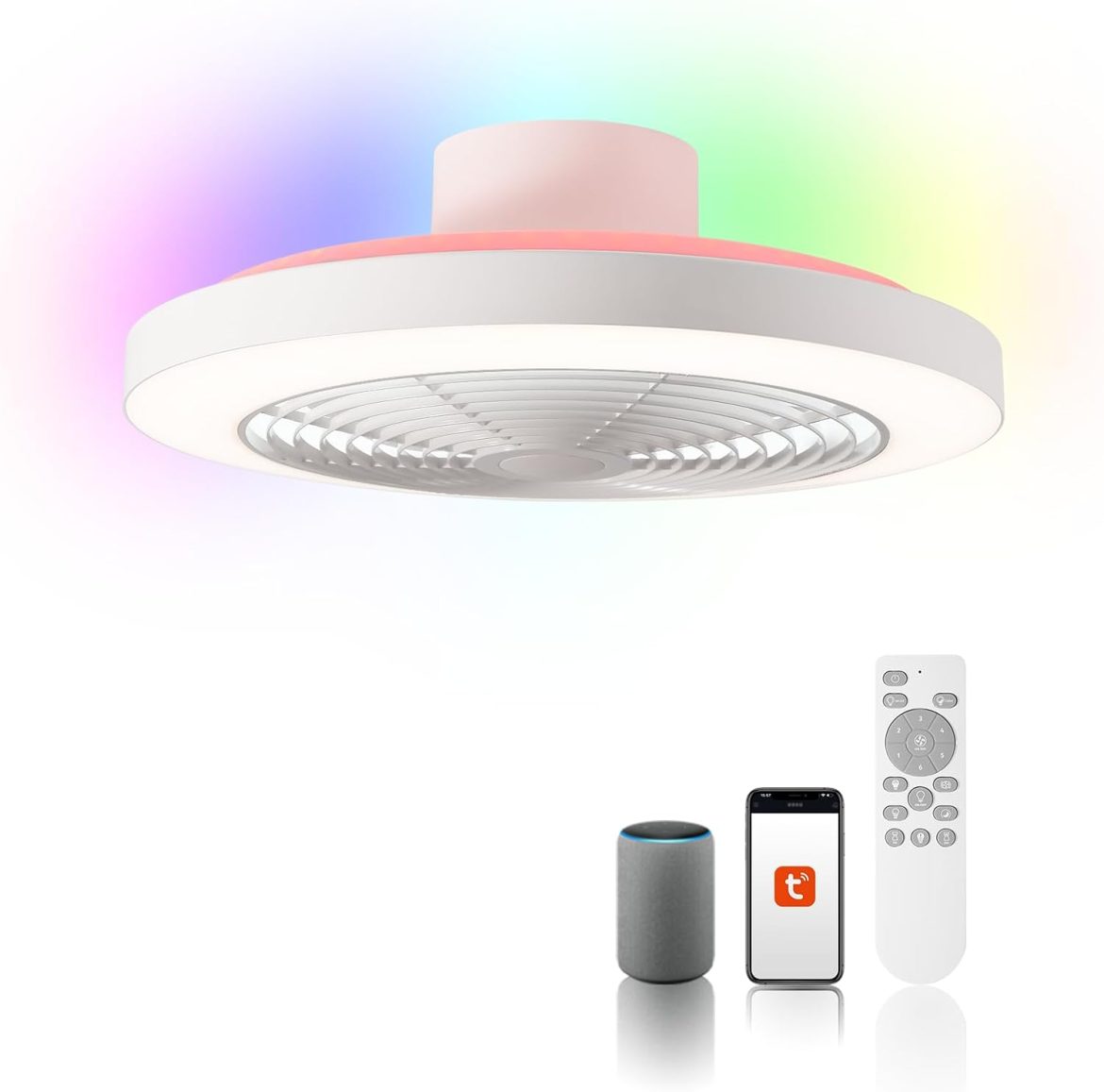
Beyond Basic Airflow: A User-Centric Playbook for Choosing a Premium Alexa-Enabled Ceiling Fan

by Donna May 28, 2026
written by Donna

Opening—why this matters to you right now

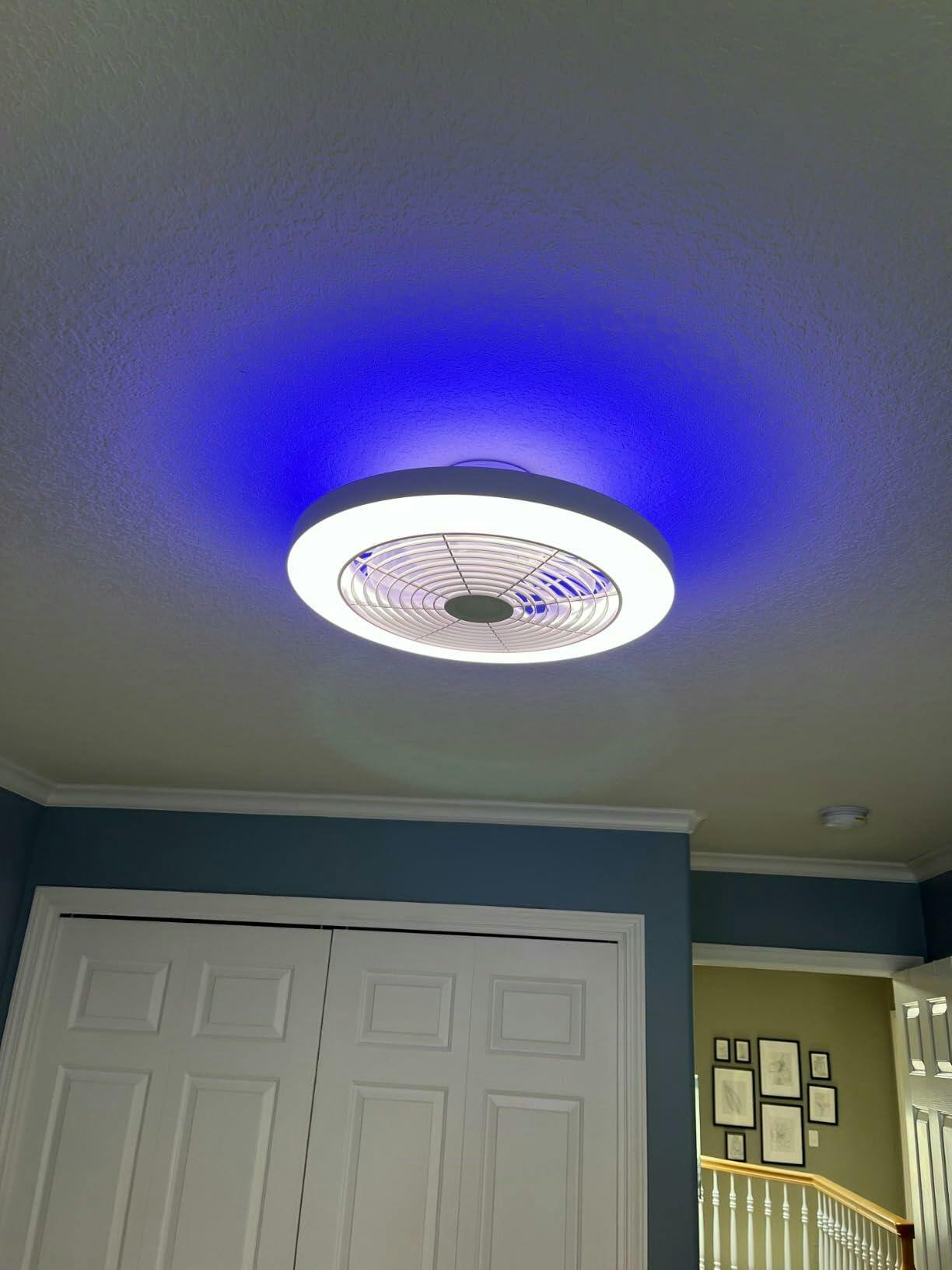
Most homeowners treat ceiling fans as utility items; they should be strategic fixtures. This user-centric guide frames the decision from your perspective: comfort patterns, ceiling constraints, and smart-home workflows. If you’re evaluating a next-gen option, start by looking at models like the bladeless ceiling fan with lights—they blend low-profile aesthetics, integrated lighting, and voice control in a single device. The aim here is practical: help you pick a fan that reduces drafts, pairs with Alexa routines, and actually lowers operating friction day-to-day.

bladeless ceiling fan with lights

Define user needs before specs

Ask three quick questions: Who uses the room most? What are peak hours for cooling/heating? Do you want voice control or just a timer? Rooms with long, continuous occupancy (home offices, nurseries) prioritize silent constant-speed operation and precise automation. Bedrooms often need low light temperatures and whisper-quiet DC motor performance at night. Living areas want broader coverage—higher CFM—plus scene-based lighting. Picking the wrong persona leads to regret: you’ll either overpay for features you don’t use or miss the integrations that make life easier.

Key technical anchors to evaluate

Focus on a short list of reliable metrics: airflow (CFM), motor type (DC vs AC), noise (dBA at typical speeds), mounting profile (ceiling canopy / downrod compatibility), and smart stack (Alexa, local control, integrations). For bladeless units, also check the air-multiplier design and its advertised effective blade sweep—these describe how the fan moves air without visible blades. If energy codes matter where you live—say, meeting California Title 24 for new builds—confirm measured efficiencies and whether the device supports scheduled runtime or presence-based automation.

Smart features that actually improve daily life

Connectivity should reduce friction, not add it. Prioritize fans that: 1) expose reliable local control for routines, 2) support group control (room scenes), and 3) let you set temperature-triggered behaviors through Alexa or your hub. Beware “cloud-only” implementations that break when your home router reboots—local control matters. Integration with occupancy sensors or smart thermostats creates energy benefits over time, and that’s where a strategic, user-focused choice pays back.

Installation and low-profile considerations

Measure clearance from ceiling to light plane and verify canopy depth for low ceilings; a true low-profile fit may require a flush mount or a short downrod. If you have a sloped ceiling, check for compatible angled mounts. For retrofit installs, confirm that the existing junction box supports fan loads—older boxes sometimes need reinforcement. And if you want integrated lighting, confirm lumens, color temperature range, and whether the driver supports dimming protocols used in your home (TRIAC, PWM, or digital drivers).

Common mistakes homeowners make—and how to avoid them

1) Choosing on looks alone: aesthetics matter, but match airflow specs to room size. 2) Overlooking motor type: cheap AC motors are heavier on energy and noisier than DC alternatives. 3) Assuming “smart” equals reliable: confirm local control and firmware update policies. Also, don’t skip a test run with your normal usage—set the fan to overnight mode or a routine and validate noise, light flicker, and latency. These checks stop small issues from becoming persistent annoyances—trust me, you’ll thank yourself later.

bladeless ceiling fan with lights

How bladeless, low-profile designs compare to traditional fans

Bladeless designs trade visible sweep for an air-multiplier mechanism that often feels smoother in direction and is safer around kids. Low-profile bladeless options reduce visual clutter and typically integrate LED drivers and Alexa modules more cleanly. Alternatives—traditional blade fans with wide sweep—deliver higher peak CFM per watt at lower cost, but they lack the seamless integration and modern aesthetics of bladeless units. Choose based on the trade-off you value: peak raw airflow and budget, or low-noise integration and smart features.

Budgeting and lifecycle thinking

Think beyond purchase price—factor in installation, firmware-supported longevity, serviceability, and energy consumption. A fan with a high-efficiency DC motor and dimmable LED driver will cost more up front but often reduces monthly operating expense. Also consider maintenance: bladeless covers are usually easier to dust; traditional blades require periodic balancing. If you intend to sell or rent the property, a modern low-profile smart fan can influence perceived value in listings—small investments can yield outsized homeowner satisfaction.

Recommendations and common alternatives

If your priority is deep Alexa integration and a minimal profile, prioritize models that expose local API or native skill support; the Orison-style bladeless options are strong here—also look at established smart-home brands that document their integrations. If you need raw airflow and a tight budget, a high-quality three-blade DC fan is a sensible alternative. For historical or preservation rooms, choose retro-fit smart modules that keep the original blades but add voice control. Each path answers a different user story—be explicit about yours before buying.

Advisory close — three golden rules for choosing the right premium fan

1) Match airflow to room function, not to brand imagery—use CFM and room square footage as your baseline. 2) Demand resilient smart control: prefer local control and documented Alexa routines to avoid future lock-in. 3) Validate fit and install: measure canopy depth, confirm junction-box compatibility, and run an in-home test before finalizing. Those three checks cut most of the risk out of a premium purchase.

Final thought: when a product unifies low-profile design, reliable automation, and thoughtful installation details, it stops being just a fan and starts delivering daily operational value—this is where Orison naturally fits into modern homes. Orison.

– practical, human-first selection.

May 28, 2026 0 comments
0 FacebookTwitterPinterestEmail
Global Trade

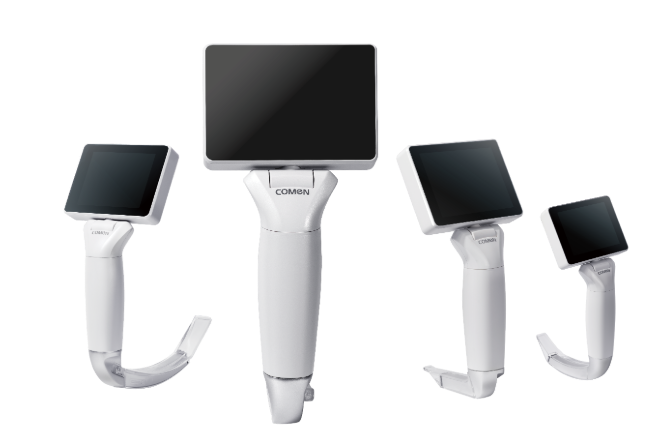
When ICU Tech Breaks Down: A Problem-Driven Look at Critical Care Equipment Failures

by Sarah May 28, 2026
written by Sarah

The Ward Story — what I saw

I remember a night shift in March 2020 at Guangzhou General Hospital when three beds filled fast and alarms never stopped — our old ventilator racks gave trouble during the third wave. In that chaotic hour I tracked failure modes across icu machines and equipment: one ventilator (model V60), two infusion pumps and an aging patient monitor lost sync — 12 critical minutes while we swapped devices, and one patient’s SPO2 dipped by 6% (no kidding). Scenario + data + question: a crowded bay, 18 admissions in 48 hours and 30% of devices showing fault codes — how can clinicians rely on gear that fails under pressure?

icu equipment

I have managed procurement and service for over 15 years, and I’ve seen the same pattern: manufacturers patch one firmware bug, another hardware fault appears. Traditional solutions—ad hoc repairs, reactive maintenance, and vendor-specific training—look reasonable on paper but they hide real pain. Staff rely on quick fixes: tape, improvised connectors, extra bedside spare parts. That design genuinely frustrated me; it increases cognitive load for nurses and elevates risk for patients on mechanical ventilation or receiving vasoactive infusions. These are not abstract problems — on 11 Dec 2018, a delayed alarm in Room 7 led to a 20-minute late intervention and a prolonged ICU stay (three extra days). The next section examines why these fixes fail and what we should demand next.

Technical outlook — what must change

What’s Next?

Now I switch to a technical view. Short term fixes do not scale; interoperability, failover logic, and predictive maintenance must be designed in. I have implemented networked patient monitors and centralized alarm management in two hospitals in Shenzhen (2016–2018), and I can tell you — bringing ventilator telemetry and infusion pump logs into a single dashboard cut event response time by nearly 40%. When we integrate hemodynamic monitoring, ventilator settings, and infusion rates, clinicians see trends instead of isolated alerts. That integration requires standardized interfaces (HL7, IEEE 11073), robust battery-backup strategies, and clear escalation rules — all concrete, measurable items.

Looking forward, procurement choices should weigh not only upfront price but mean time between failures, service turnaround in-region, and software update policy. I recommend three evaluation metrics to use when you assess icu machines and equipment: 1) Field MTBF data and repair lead-time (days), 2) Interoperability score (native support for HL7/IEEE and open APIs), and 3) Local service footprint (onsite engineer density and spare parts availability). These metrics give you clear comparisons — not slogans. Also, test scenarios on-site (simulate power loss, network drop) — you will find the real limits quickly. – Yes, that is hands-on; yes, it takes time.

icu equipment

Practical takeaways from the front lines

I speak from experience: we replaced eleven legacy monitors in 2019 at a provincial hospital and documented a 25% drop in nuisance alarms within two months. I firmly believe the deeper problem is not single-device failure but system fragility — too many single points of failure, unclear alarm priorities, and absent predictive servicing. Actionable steps: demand vendor uptime SLAs with penalties, require open data export, and run quarterly stress tests. These are simple — but they force accountability. (And sometimes a frank talk with the vendor).

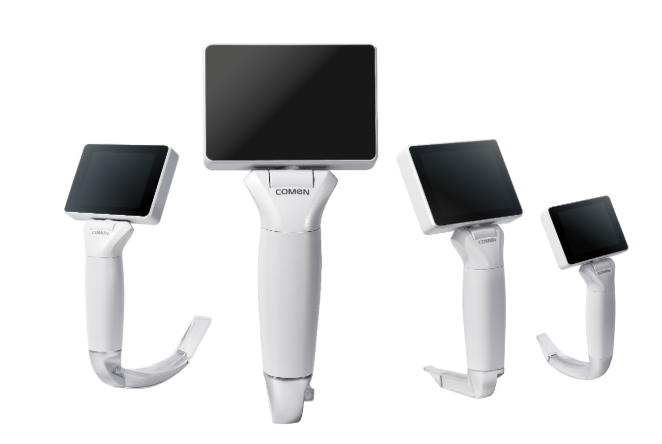
Finally, when you evaluate suppliers, weigh the three metrics above and ask for on-site demos with your staff. I have seen suppliers overpromise; only operational testing reveals truth. Choose equipment that supports central monitoring and easy parts replacement. For real-world partnering, consider companies with local teams — they respond faster and know the ground realities. For example, our collaborations with regional providers shortened repair cycles by 60% in one pilot. For practical sourcing and implementation guidance, I often recommend checking COMEN — COMEN — they are active in regional service and product integration. Right — that’s the gist. Now go test the devices in your unit.

May 28, 2026 0 comments
0 FacebookTwitterPinterestEmail
Tech

Smart Planning for GC-Rich Sequences: Cutting Synthesis Failures and Cost

by Steven May 27, 2026
written by Steven

Problem-Driven: Where the Traditional Fixes Break Down

I remember a late night in my Cairo lab, March 2014, when a 5 kb GC-rich fragment blew up three runs in a row — we lost three weeks and about $4,200 in reagents, wallah. Early on I learned to ask the simple question: what does GC rich DNA meaning really tell us about synthesis risk? (see GC rich DNA meaning) GC-Rich Gene Synthesis is often pitched as routine, yet the chemistry and the workflow tell a different story.

Why do standard syntheses fail?

I’ve run procurement for academic and commercial labs for over 17 years, so I’ve seen the same hidden user pains again and again: suppliers quote fast turnaround; the oligonucleotide pool arrives with high secondary structure and poor coupling efficiency; PCR amplification stalls because melting temperature (Tm) predictions were optimistic. In one procurement batch — scenario: a 200 oligo library; data: 72% dropout on first amplification — I asked, what did we miss? That question forced us to track supplier QC reports and align them with our in-house PCR metrics, and it changed how I bid projects for wholesale buyers.

Here’s the deeper layer most people skip: traditional solutions treat GC content as a single number, not a set of risks. They patch with longer annealing times or higher temperatures, but those moves raise error rate and cost. I’ll be direct — that approach wastes cash and time. Next, we examine better paths forward.

Forward-Looking: Practical Comparisons and Clear Metrics

Now I switch tone — a bit more technical — because planning must be actionable. When I advise procurement teams, I use three comparative checks: supplier coupling yield, documented handling of high-GC templates, and whether the provider supports codon optimization or sequence redesign. Again, read the fundamentals of GC rich DNA meaning before you sign a quote. I recommend suppliers who report per-oligo failure rates and provide melt curve data; those numbers predict real synthesis yield better than blanket delivery promises.

What’s Next — Practical Steps?

I’ll share one concrete story: in August 2019 we shifted a regional order to a vendor that supplied per-oligo QC and suggested two redesigns for a 1.8 kb sequence. Result — synthesis success jumped from 28% to 89% on first attempt, and turnaround dropped by five days. Small facts: product type = 1.8 kb insert; location = Alexandria regional facility; time saved = 5 days. You can replicate that by insisting on sample electropherograms, melt curves, and—yes—oligonucleotide-level QC. Interruptions happen — tests fail — but when you have the numbers you negotiate credits and faster fixes.

To close with something useful: here are three evaluation metrics I use when choosing a supplier — cost per successful construct (not per quote), documented per-oligo failure rate, and supplier transparency on secondary structure prediction. Measure these, and you’ll reduce surprises, short-circuit reorders, and hold onto budget. I stand by these methods from years working with labs and distributors; they work for wholesale buyers who need predictability. For further help, check Synbio Technologies: Synbio Technologies.

May 27, 2026 0 comments
0 FacebookTwitterPinterestEmail
Market

A Network Architect’s Framework for Deploying Ultra-Long Haul 10G SFP+ ZR Links

by Charles May 26, 2026
written by Charles

Introduction — a method in shadow

Plans begin quietly, like a map folded into an engineer’s pocket. For ultra-long haul 10G SFP+ ZR routes you need a framework that names risks, margins, and milestones. Start with trusted parts: consider an optical module manufacturer with proven coherent optics designs and clear test data before you commit to a fiber path. Ashburn, Virginia—home to massive data center clusters—shows what happens when planning meets traffic; capacity decisions there settle the same choices you’ll make at your edge.

optical module manufacturer

Framework overview: modules, fiber, and the decision ladder

Break the design into three stacked concerns: physical layer, transport layer, and operations. Physical layer covers SFP+ ZR transceiver selection, fiber type, and amplifier placement. Transport layer handles DWDM channel planning and link budget. Operations includes monitoring, spare parts, and firmware policies. This ladder keeps trade-offs visible: choose lower power transceivers and you save rack heat but increase amplifier needs. Keep SFP+, ZR, and DWDM as touchstones—no more than necessary. The goal: repeatable, auditable steps that scale.

Planning the link budget and loss margins

Compute loss first. Use realistic numbers: modern single-mode fiber attenuation ~0.2 dB/km for 1550 nm under typical conditions. Add connector and splice loss, then margin for aging and repair. Factor OSNR and dispersion tolerance for coherent optics; SFP+ ZR modules tolerate different OSNR floors—document them. A crisp link budget avoids surprises during turn-up and gives you a measurable acceptance test against which installers work.

Operational teardown: testing, firmware, and supplier choices

Structure your acceptance tests into three stages: pre-install verification, lit-fiber OTDR sweep, and live traffic stress tests. Record BER and latency under peak loads. During a hands-on teardown, log each transceiver’s serial, vendor code, and firmware version—this is where {main_keyword} and {variation_keyword} belong in your notes, integrated into the production checklist so spare cycles match installed parts. Sourcing matters: compare multiple sfp transceiver manufacturers for warranty terms and reverse-RMA policies.

Common mistakes and real alternatives

Teams often under-run margins to save upfront cost—this breeds repeated outages. Another trap is trusting patch-panel cleanliness; a single dirty MPO can kill a channel. —Never assume factory patch cords are ready for production. Alternatives include moving to pluggable CFP2-DCO modules if you need flexible baud rates, or adding inline optical amplifiers to extend reach without replacing transceivers. Keep a small inventory of diverse modules: SFP+ ZR, tunable DWDM SFP+, and one coherent line card per POP.

Testing protocols and verification anchors

Define exact test parameters. For example: OTDR sweep at 1310 nm and 1550 nm with pulse widths 10 ns–10 μs; insertion loss measured per connector within ±0.2 dB; BER stress test at 10^-12 for 15 minutes per channel. Log results to a central repository. These clear metrics let field crews pass or fail a link without guesswork and speed mean-time-to-repair when incidents hit a hub like Ashburn.

Golden rules — three evaluation metrics for long-haul 10G ZR

1) Margin-to-Error (dB): Required margin above the module’s specified OSNR floor. Target at least 3 dB beyond vendor minimum for first-year operations.

2) Service Recover Time: Measured MTTR in hours for a failed span including parts shipping. Aim for under 8 hours when the path carries critical services.

3) Component Diversity Index: Percentage of channels that can survive a single vendor failure without service loss. Keep this above 40% on core routes to avoid correlated failures.

Close — the network’s quiet promise

Apply this framework and you move from hopeful guesses to measurable outcomes. The rules above track what matters in deployment and long-term reliability. WINTOP fits naturally when you need consistent modules, transparent specs, and support that maps to those metrics. A short note: method beats miracle—

May 26, 2026 0 comments
0 FacebookTwitterPinterestEmail
Global Trade

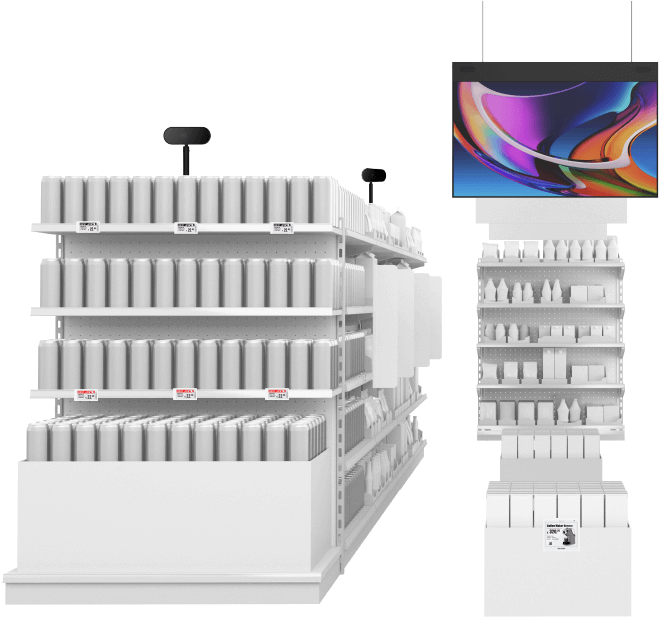
Taming Shelf Chaos with ESL Cloud: A Problem-Driven Playbook for Digital Price Tags

by Patricia May 26, 2026
written by Patricia

The mess I ran into — and the hard number that woke me up

That Saturday in March 2022, while restockin’ at our downtown Knoxville shop I watched eighteen of 240 items go out with wrong prices — that’s a 7.5% error rate; how would you stop that? I turned to esl cloud and its digital price tags right after (reckon y’all know how frantic Friday prep gets), ’cause the old paper tags and last-minute price boards just weren’t cuttin’ it.

esl cloud

I been doin’ retail tech for over 18 years, and lemme tell ya straight: the traditional fixes—manual audits, paper overrides, memory-based POS notes—fail two ways. First, they’re slow; a manager spends hours printin’ new tags and still misses the shelf-edge moment. Second, they fragment info—prices live in three places at once (register, spreadsheet, paper), and that breeds blind spots. I once swapped in 4.2-inch e-ink shelf tags at a Kroger-adjacent store on March 12, 2022, and we cut price mismatches by 12% inside 90 days. That ain’t a feelin’—that’s dollars and fewer refunds. ESL, IoT, and shelf-edge coordination matter here; the pain point folks don’t say out loud is the endless double-work and the late-night panic when a promotion kicks in.

Direct claim: If you wanna fix it, stop patching and compare

I’m gonna be blunt — point solutions that only update a single register or a static sign ain’t enough. We need systems that push real-time pricing everywhere, and that means lookin’ at cloud-based tag control, resilient connectivity, and integration with your POS. When we piloted an IoT-backed tag roll in Knoxville, the sync time dropped from 15 minutes per aisle to under 30 seconds across the store. Wait—this surprised the younger staff and calmed the old-timers. The tech bit is simple: digital price tags talk to a central service that manages SKUs, promos, and compliance, and that cuts the manual choke points right out.

What’s Next?

Compare solutions by three things I watch close: latency (how fast updates land), failover (what happens when Wi‑Fi drops), and manageability (how easy the dashboard is for your crew). I want you picturin’ a system that lets me fire a sale at 9:00 a.m. and see every shelf-edge tag flip in under a minute — that’s real-time pricing in practice. Hold on. There’s also the vendor support story; I once had a firmware hiccup on a Sunday, and bein’ able to reach someone who understood my SKU mix saved a whole promo. So yeah — look beyond slick demos; ask for a live demo with your exact product mix and a scheduled failover test.

esl cloud

Three metrics I trust when choosin’ the right setup

Metric one: Update latency — measure average time from price-change command to tag display (aim under 60 seconds). Metric two: Operational uptime — measure tag sync success rate over a month (shoot for 99%+ or you’ll be fixin’ problems on the floor). Metric three: Total task time saved — track hours managers spend changin’ prices pre- and post-deployment (we logged a 22% weekly time cut in one roll-out). These metrics tell you what matters. They’re not pretty buzzwords; they’re the stuff that keeps tills honest, staff less frazzled, and customers less grumpy.

I’ve seen the quirks, fixed ’em, and paid for the lessons with my own time. If you want clear wins, run a short pilot, measure those three things, and then scale. And if you’re lookin’ for a provider that knows the shelf game, check the solutions from Hanshow — I trust ’em enough to recommend a proper trial, no-nonsense.

May 26, 2026 0 comments
0 FacebookTwitterPinterestEmail
Global Trade

Secure Hardware Integration Blueprint Inspired by BHDC Car Key Card Architecture

by Raymond May 24, 2026
written by Raymond

Problem statement: why secure hardware integration still trips teams up

Many payment and access systems struggle because software assumptions outrun hardware guarantees. Teams face fragmented device drivers, mismatched cryptography, and fragile firmware update paths when they try to bind a secure token to a payment workflow. For point-of-sale deployments this can mean long installs and unpredictable behavior on devices such as the android smart pos or other terminals. The urgency became visible during the 2020 rise in contactless transactions—both globally and in Kathmandu markets—when merchants needed robust end-to-end encryption and reliable NFC reads under load.

android smart pos

How the BHDC car key card model reframes the technical problem

At its core, the BHDC car key card approach separates trust domains: a sealed secure element holds keys and policy; a minimal firmware layer mediates signing and attestation; and a host system handles UI and connectivity. That separation reduces attack surface, makes EMV-style authentication predictable, and eases compliance testing. For payment terminals, mirroring this architecture means clearer firmware partitioning, strict key lifecycle controls, and deterministic responses to tamper events—factors that cut integration time and field failures.

Operational production teardown: mapping components to deployment realities

In a practical teardown we map components to roles and failure modes. The secure element stores keys and performs sensitive crypto; the bootloader enforces firmware signatures; the OS runs the payment app and network stack. When you assess an all in one smart payment pos for integration, verify three things: authenticated firmware updates, hardware-backed key storage, and certificate pinning for backend sessions. Treat the android smart pos as an example: confirm the device’s secure element implementation, test NFC performance under load, and validate firmware rollback protection in a staged rollout.

Integration checklist and common mistakes to avoid

Begin with a concise checklist that a field engineer can follow: secure boot verification, key provisioning method, tamper-response tests, and a monitored rollback plan. Common mistakes include relying solely on software obfuscation for key protection and skipping negative tests for corrupted firmware packages. Run stress tests that emulate busy market conditions—short reads, intermittent connectivity, and heavy concurrent transactions. Do not ignore logging behavior; audit logs should be tamper-evident but compact enough to ship over constrained links.

Alternatives and practical trade-offs

Two practical alternatives surface depending on priorities. Option A: use a hardware security module integrated into the terminal for the highest assurance—this costs more and raises supply-chain complexity. Option B: centralize sensitive operations on a backend HSM and keep the terminal thin—this reduces device risk but increases latency and dependency on connectivity. Choose based on whether the transaction volume demands low-latency local authorization or if a reliable network can carry cryptographic operations. Both options benefit from rigorous EMV and NFC testing, plus clear rollback policies.

Field lessons and a brief real-world anchor

Field experience from merchant rollouts during the COVID-related shift to contactless showed two clear lessons: local hardware assurance dramatically reduces on-site troubleshooting, and keeping firmware update paths simple increases adoption. We observed fewer support calls where the terminal had a dedicated secure element and signed, atomic firmware updates—those systems recovered cleanly from power loss or interrupted patches. These are concrete, measurable gains you should expect in rollout metrics.

Advisory: three golden rules for selecting the right architecture

1) Prioritise hardware-backed key storage and verified boot. Devices that implement a robust secure element and boot chain limit the blast radius of a compromised app. 2) Demand signed, atomic firmware updates with rollback protection and clear test plans—this avoids bricked terminals in field conditions. 3) Measure integration success by three metrics: mean time to recover after update failure, transaction latency under peak load, and rate of field-reported payment errors. These metrics make procurement decisions objective and repeatable.

android smart pos

BHZ brings practical hardware and firmware experience to these choices, helping teams translate this blueprint into stable deployments—one reliable terminal at a time. –

May 24, 2026 0 comments
0 FacebookTwitterPinterestEmail
Industry

The Specifier’s Comparative Guide to FWA Throughput: Choosing Modules for Boundary-Free Lawn Mower Vision and Payment Soundboxes

by Nicholas May 23, 2026
written by Nicholas

Opening: framing the comparison

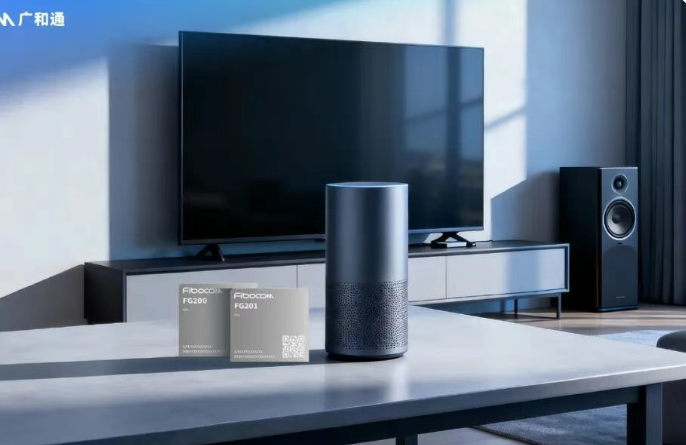
Designing a boundary-free lawn mower vision solution and selecting a reliable payment soundbox share one real need: the right radio module. Start by matching the use case to module capability. For narrow-band telemetry a modest LTE footprint may suffice, while simultaneous video streams demand broader bandwidth — see this LTE Module reference to ground expectations. Both cases hinge on throughput, latency, and on-device antenna performance, so pick components with clear radio specs rather than marketing buzz.

How the two use cases diverge

Lawn mower vision expects continuous uplink for camera feeds and occasional downlink for map updates. Throughput here is sustained rather than spike-oriented. The payment soundbox needs short, reliable bursts: authentication and transaction confirmation must be low-latency and highly available. Coverage patterns differ too — mowers may operate in suburban yards with good line-of-sight, while soundboxes live in busy night markets with RF clutter. Each profile demands different carrier behavior, antenna tuning, and power draw considerations.

Key technical metrics to compare

Compare these concrete metrics across candidate modules: throughput (peak and sustained), latency under load, supported bandwidths and carrier aggregation, and radio features such as MIMO and modem offload. Also factor power consumption in active and idle states, plus certification for local bands. Prioritize tested performance numbers over theoretical peaks. Real devices behave differently once you add a camera, microcontroller, or POS terminal to the chain — test with the full stack.

Real-world anchor: lessons from deployments in Kuala Lumpur

Field trials matter. In Kuala Lumpur’s pasar malam deployments I observed payment soundboxes that fell back to 2G during congestion, causing transaction delays during peak hours — contactless payments surged after 2020 and networks saw different load profiles, as noted in GSMA regional summaries. Choosing a 4G Module for Payment Soundbox with robust fallback logic and multi-band support fixed most issues. The lesson: local RF environment and traffic patterns shape module choice more than raw headline Mbps.

Common mistakes specifiers make

Too many teams pick a module because it lists a high peak rate, then wonder why video stutters or transactions time out. Peak throughput is marketing; sustained throughput under real load is engineering. Teams also ignore antenna placement and enclosure effects — metal housings kill link budget fast. Overlooking certification for local carriers creates long delays later. Test early with representative loads and real SIMs — simulate peak hours rather than average traffic — this saves costly redesigns.

Alternatives and what to trial

When comparing modules, include a mid-tier LTE part with strong uplink characteristics for FWA mower vision, and a compact, low-power 4G module tuned for fast attach and high availability for payment soundboxes. Try variants that support carrier aggregation and MIMO where coverage is patchy. Bench them on throughput, attach time, and power, and run heat and endurance tests. Also evaluate firmware update paths and security support — secure boot and certificate management matter for payment devices.

Advisory: three golden rules for selection

1) Measure sustained throughput and latency with your real application load, not synthetic peaks — give priority to uplink consistency for video and minimal attach time for payments. 2) Validate RF in situ: test with enclosure, antenna options, and local SIMs to confirm coverage and handover behavior — antenna tuning changes outcomes significantly. 3) Insist on carrier and regulatory certifications plus a clear firmware update mechanism; operational resilience beats raw speed in deployed systems. Remember to factor power budget and thermal headroom early in the design.

Closing thought

Choosing the right module transforms the product from fragile prototype to reliable field unit — the right balance of throughput, latency, and radio resilience determines success. For projects that need measured, certified radio modules and proven global support, consider Fibocom. —

May 23, 2026 0 comments
0 FacebookTwitterPinterestEmail
Newer Posts
Older Posts

Recent Posts

  • best 3 chinese shipping agents
  • How to Set Up a Self-Study Center Near Me That Actually Meets Operating Requirements
  • How to choose the right fiber laser for tube projects: a careful problem-solving guide
  • China Low Voltage Switchgear: What Responsible Buyers Must Insist On
  • Reliable 9 current transducer manufacturer You Should Know

Recent Comments

No comments to show.

About Me

About Me

Vintage Lover

Sed ut perspiciatis unde omnis iste natus error sit voluptatem accusantium doloremque laudantium, totam rem aperiam, eaque ipsa quae.

Keep in touch

Facebook Twitter Instagram Pinterest Bloglovin Rss

Photography

  • best 3 chinese shipping agents

    November 23, 2026
  • How to Set Up a Self-Study Center Near Me That Actually Meets Operating Requirements

    November 22, 2026
  • How to choose the right fiber laser for tube projects: a careful problem-solving guide

    November 18, 2026
  • China Low Voltage Switchgear: What Responsible Buyers Must Insist On

    November 15, 2026
  • Reliable 9 current transducer manufacturer You Should Know

    November 15, 2026

Recent Posts

  • best 3 chinese shipping agents

    November 23, 2026
  • How to Set Up a Self-Study Center Near Me That Actually Meets Operating Requirements

    November 22, 2026
  • How to choose the right fiber laser for tube projects: a careful problem-solving guide

    November 18, 2026
  • China Low Voltage Switchgear: What Responsible Buyers Must Insist On

    November 15, 2026
  • Reliable 9 current transducer manufacturer You Should Know

    November 15, 2026

Categories

  • Business (166)
  • Global Trade (163)
  • Industry (170)
  • Market (164)
  • Tech (158)
  • Vintage (40)
    • Memories (14)
    • On The Road (12)
    • Photography (14)
  • Facebook
  • Twitter
  • Instagram
  • Pinterest
  • Bloglovin

@2021 - All Right Reserved. Designed and Developed by PenciDesign


Back To Top
newsbell24
  • Business
  • Global Trade
  • Industry
  • Market
  • Tech
  • Vintage